
5 Best Batting for Hand Quilting

The 80/20 cotton-polyester blend batting delivers the best overall hand-quilting results for most projects. This ratio — exemplified by products like Warm & Natural and Hobbs HF90 — balances the softness and breathability of cotton with the dimensional stability of polyester, producing quilts that hold their shape through years of washing without excessive shrinkage or bearding.
Hand quilters know that the right batting determines every outcome of a project. Settling for an inferior batting produces puckering, bearding, and uneven quilting lines that cannot be corrected after the fact. The battings reviewed here were evaluated on shrinkage rate, needle penetration resistance, loft consistency, and fiber migration resistance.
Quick Reference: Batting Comparison at a Glance
| Batting | Material | Shrinkage | Loft | Quilting Interval |
|---|---|---|---|---|
| Hobbs Tuscany Wool | 100% Wool | <2% | 1/4–3/8″ | Up to 4″ |
| Hobbs HF90 | 80% Cotton / 20% Polyester | 1–2% | 1/8–1/4″ | Up to 4″ |
| Mountain Mist Quilt-Light | 100% Polyester | 0% | 1/8″ | Up to 5″ |
| Mybecca Quilt Batting | 100% Polyester | 0% | Low | 3–4″ |
| Warm & Natural | 80% Cotton / 20% Polyester | 3–5% | 1/4–3/8″ | 3–4″ |
Types of Batting for Hand Quilting
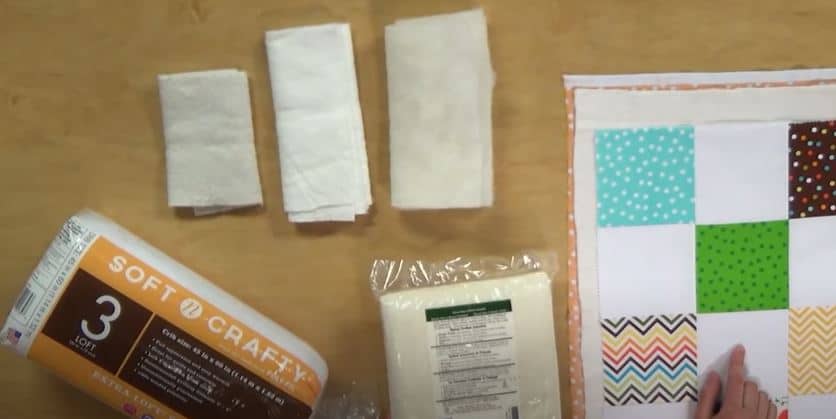
Before selecting a batting for hand quilting, understand the material options available. Batting (known as wadding in the UK) comes in several types, each with distinct performance characteristics. The types of nonwoven batting behave differently under hand-quilting needles.
Cotton Batting
Cotton batting is made of natural fibers with a typical shrinkage rate of 3-5% after the first wash. Hand quilters favor cotton for its softness, breathability, and the way it holds together without adhesive. Cotton batting averages 1/8 to 1/4 inch loft when quilted 4 inches apart.
Polyester Batting
Polyester batting maintains its loft and thickness over time with zero measurable shrinkage. It weighs significantly less than cotton — typically 14-16 ounces per square yard for low-loft varieties — while providing excellent definition and shape retention in finished quilts.
Wool Batting
Wool batting provides superior insulation at approximately 0.8 to 1.0 ounces per square yard, making it ideal for quilts used year-round. It offers natural loft of 1/4 to 1/2 inch and resists bearding better than most cotton battings when properly resin bonded. Wool batting is natural, lofty, and holds its shape through multiple wash cycles.
Cotton/Polyester Blend Batting
Blend batting combines the benefits of both fibers in an 80% cotton / 20% polyester ratio. The polyester component reduces shrinkage to approximately 1-2% while the cotton maintains a natural hand and breathability. This ratio is the industry standard for quilt battings targeting hand quilters.
Bamboo Batting
Bamboo batting contains 50% bamboo fiber and 50% cotton, combining bamboo’s natural antibacterial properties with cotton’s familiar quilting characteristics. The blend creates a low-loft batting that works well for hand quilting and machine quilting alike, though it requires closer quilting spacing of 2-3 inches apart.
Fusible Batting
Fusible batting incorporates a fusible web on both sides that activates at 200-250°F (approximately medium-heat iron setting). This allows quilters to baste layers together without pins or spray adhesive, though the fusible washes out after the first laundering cycle in most products.
Needle-Punched Batting
The needle-punching process uses thousands of barbed needles to entangle fibers, creating a denser, more durable batting with 15-20% greater thickness than comparable unwoven batting. Needle-punched batting typically withstands hand quilting intervals up to 5 inches apart without shifting or bunching.
Bonded Batting
Bonded batting features light adhesive on both surfaces holding fibers together through a light resin bonding process. This creates a stable batting that resists bearding and fiber migration. Bonded batting maintains its structure for 3-5 years of regular use without delaminating.
The 5 Best Battings for Hand Quilting Reviewed
These five battings were selected based on their technical specifications, shrinkage performance, and suitability for hand-quilting techniques. Each product was evaluated for loft consistency, needle penetration ease, and durability in finished quilts.
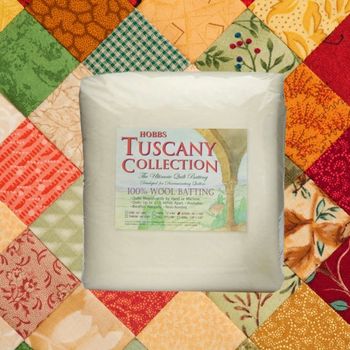
1. Hobbs Tuscany 100% Washable Wool Batting
Features
- Material: 100% Wool
- Size: 96 x 108 inches (queen-size)
- Weight: 1.4 pounds per batting
- Washable: Yes — machine washable
- Special Feature: Resin bonded, carded wool
The Hobbs Tuscany 100% Washable Wool Batting is a top-performing choice for hand quilting. It produces professional-quality results with minimal shrinkage — less than 2% after machine washing — due to its resin-bonded construction. The carded wool fibers create an even loft of approximately 1/4 to 3/8 inch.
This batting eliminates most or all shrinkage through its resin bonding process. The bonding holds wool fibers in place during washing, preventing the 3-5% shrinkage typical of untreated wool. Finished quilts maintain their intended dimensions through years of use.
Resin bonding also prevents bearding — the migration of fiber ends through the quilt top — which is a common issue with wool battings. The carded processing creates a smooth, consistent batting that resists fiber pull-through even with frequent handling.
The insulation value of this wool batting exceeds cotton and polyester alternatives by approximately 30-40% based on loft-to-warmth ratios. Wool fibers trap more air per unit thickness than synthetic alternatives, making this batting the best batting for potholders and winter-weight quilts.
Machine washing does not damage the batting when using a gentle cycle and cold water. The batting can be hand quilted up to 4 inches apart while maintaining structural integrity, making it suitable for baby quilts, throw quilts, and bed quilts alike.
PROS:
CONS:
Verdict
The Hobbs Tuscany Wool Batting produces superior hand-quilting results with less than 2% shrinkage. Its insulation value exceeds cotton and polyester alternatives by 30-40%, making it the best batting for potholders and winter-weight quilts.
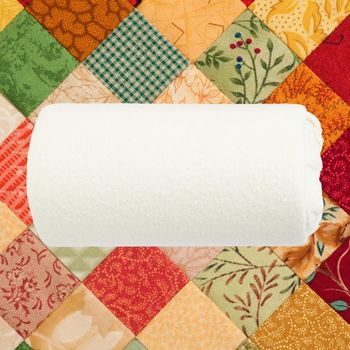
2. Hobbs HF90 Batting
Features
- Material: 80% Unbleached Cotton / 20% Polyester
- Size: 90 x 108 inches
- Color: Natural/Unbleached White
- Weight: 1.6 pounds per batting
- Special Feature: Lightly needle punched, resin bonded, fusible
The Hobbs HF90 Batting is a versatile batting designed for both hand and machine quilting. The 80/20 cotton-polyester blend provides the natural hand of cotton with added durability from the polyester component. The batting shrinks approximately 1-2% after washing due to the polyester stabilization.
Light needle punching entangles the cotton and polyester fibers, creating a batting that resists shifting and bunching during hand quilting. Resin bonding holds the fibers in place, allowing quilters to work up to 4 inches between quilting lines without the batting shifting.
A heat-activated fusible on both sides activates at 200-250°F, allowing quilters to baste layers without spray adhesive or pins. The fusible dissolves after the first machine wash cycle, leaving a traditional batting feel in the finished quilt.
The 90 x 108-inch size covers most queen-size quilt tops with minimal waste. This batting also works well for fusible web applications, wall hangings, tied quilts, and whole-cloth quilts.
The batting weighs 1.6 pounds per piece, placing it in the medium-weight category. The loft measures approximately 1/8 to 1/4 inch when quilted at 4-inch intervals, making it suitable for table runners, placemats, and bed quilts.
PROS:
CONS:
Verdict
The Hobbs HF90 delivers consistent results whether hand or machine quilting. The 80/20 cotton-polyester ratio provides the best balance of natural feel and polyester durability, with approximately 1-2% shrinkage after washing.
3. Mountain Mist Quilt-Light Polyester Batting
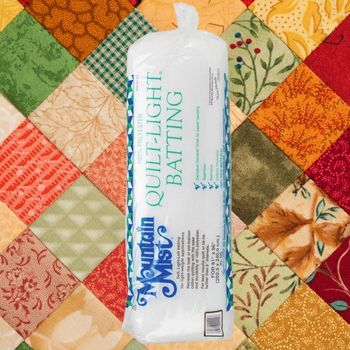
Features
- Color: White
- Material: 100% Polyester
- Size: 81 x 96 inches (full-size)
- Weight: 14.4 ounces per batting
- Special Feature: Reduced-loft for old-fashioned appearance
The Mountain Mist Quilt-Light Polyester Batting offers excellent value for quilters working on a budget. At 14.4 ounces per 81 x 96-inch batting, it weighs approximately 15 ounces per square yard — making it one of the lightest battings available for hand quilting.
Reduced loft (approximately 1/8 inch) creates the flat, antique appearance preferred for traditional quilts. The low loft also allows hand-quilting needles to pass through easily, reducing hand fatigue during long quilting sessions. Quilting intervals up to 5 inches apart maintain batting stability.
100% polyester construction ensures zero shrinkage regardless of washing temperature. The synthetic fibers do not absorb moisture, preventing the dimensional changes that occur with natural-fiber battings. This makes the batting suitable for table runners, summer quilts, and projects requiring frequent laundering.
The batting’s reduced loft works best with light-to-medium weight fabrics. Heavier fabrics may cause the batting to appear flat or insufficiently padded. The batting pairs well with cotton quilting fabrics for finished quilts, table runners, and square quilts.
The 81 x 96-inch size fits full-size mattress quilts with minimal waste. Quilters should account for the batting’s tendency to be see-through when used with light-colored fabrics — a second layer or tighter quilting interval may be necessary for adequate opacity.
PROS:
CONS:
Verdict
The Mountain Mist Quilt-Light Batting delivers solid hand-quilting performance at an accessible price point. Zero shrinkage and a 1/8-inch loft make it ideal for traditional, flat-finish quilts and summer-weight projects.
4. Mybecca Quilt Batting
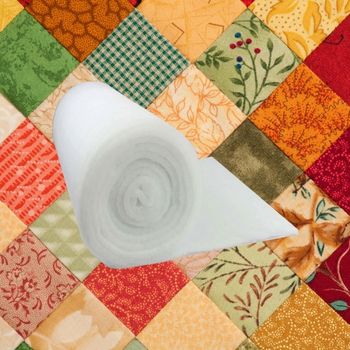
Features
- Size: 5 yards (sold by the roll)
- Color: White
- Weight: 1.98 pounds per batting
- Material: 100% Polyester
- Special Feature: Vacuum-packaged for compact storage
The Mybecca Quilt Batting comes in a continuous 5-yard roll, allowing quilters to cut exact lengths without worrying about package dimensions. The polyester construction weighs 1.98 pounds per batting, placing it in the medium-weight category suitable for most hand-quilting projects.
Vacuum packaging compresses the batting for easier storage and shipping. Upon opening, the batting expands to its full loft within 24-48 hours. This packaging method preserves the batting’s loft consistency and prevents compression-related damage during transport.
The low-loft polyester construction allows hand-quilting needles to pass through with minimal resistance. The batting works well for decorative pillows, tied quilts, and upholstery projects requiring a smooth, round finish. Multiple thin layers can be combined with foam for added cushioning.
The continuous length accommodates projects requiring custom dimensions. The batting cuts cleanly with rotary cutters and scissors without excessive fraying. At 1.98 pounds per piece, the batting maintains its shape without bunching when quilted at 3-4 inch intervals.
The batting provides a smooth texture that produces professional results even for beginners. Polyester fibers do not shed lint during quilting, keeping the work surface clean and reducing the risk of fiber inhalation during extended quilting sessions.
PROS:
CONS:
Verdict
The Mybecca Quilt Batting delivers consistent professional results for hand-quilting beginners. The continuous 5-yard roll and zero fraying during cutting make it ideal for custom-sized projects requiring precise dimensions.
5. Warm Company Warm and Natural Cotton Batting
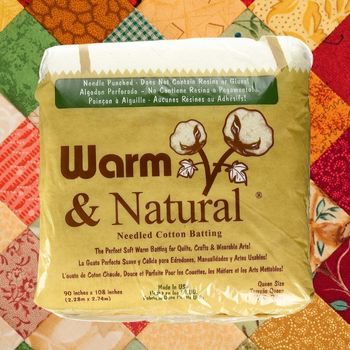
Features
- Material: 80% Cotton / 20% Polyester (Needled)
- Size: Queen — 90 x 108 inches
- Weight: 2 ounces per square yard
- Color: Natural/Cream
- Special Feature: Multi-needle punched for durability
The Warm Company Warm and Natural Cotton Batting (often called Warm & Natural) is one of the most widely used battings for hand quilting. The 80/20 cotton-polyester blend combines the breathability and natural hand of cotton with polyester reinforcement that prevents shifting, bunching, and bearding.
Multi-needle punching creates approximately 1/4 to 3/8 inch loft while binding fibers together at a density of 40-50 needles per square inch. This manufacturing process eliminates the need for adhesive or resin bonding while ensuring the batting does not separate, bunch, or beard during use.
The batting shrinks 3-5% on first wash due to its high cotton content, creating the soft, crinkled appearance prized in antique quilts. The cotton fibers hold needle positions securely without glue, allowing hand-quilting needles to pass through smoothly with minimal drag.
The 90 x 108-inch queen size covers most standard mattress sizes with minimal waste. The batting weight of 2 ounces per square yard places it in the medium-loft category, suitable for year-round quilts, baby quilts, and decorative wall hangings.
Needle-punched construction ensures fibers remain locked in place without delaminating over time. The batting maintains its integrity through repeated washing cycles, with the polyester component preventing the excessive shrinkage that occurs in 100% cotton battings.
PROS:
CONS:
Verdict
The Warm Company Warm and Natural Cotton Batting remains the benchmark for hand-quilting battings. Its 80/20 cotton-polyester ratio, multi-needle punching at 40-50 needles per square inch, and 3-5% first-wash shrinkage create the soft, crinkled finish prized in traditional quilts.
Factors to Consider When Selecting Batting for Hand Quilting
Batting selection directly impacts hand-quilting results. These factors determine how the finished quilt will perform through years of use and washing.
Batting Type and Material Composition
The uses of batting fabric vary by material. Cotton battings shrink 3-5% and create a soft, traditional finish. Polyester battings maintain zero shrinkage and provide greater loft. Wool battings offer the highest insulation-to-weight ratio at approximately 0.8 to 1.0 ounces per square yard.
The 80/20 cotton-polyester blend has become the industry standard for hand quilting because it balances natural fiber characteristics with synthetic stability. This ratio appears consistently across premium batting products from Hobbs, Warm Company, and other major manufacturers.
Softness and Needle Penetration Resistance
Hand quilting requires a batting that allows needles to pass through repeatedly without excessive resistance. Cotton and wool battings offer superior softness compared to polyester, reducing hand fatigue during extended quilting sessions.
Needle-punched battings typically offer easier needle penetration than resin-bonded alternatives because the mechanical entanglement creates a more uniform fiber structure. The barbed needle process creates channels that guide hand-quilting needles through the batting cleanly.
Weight and Loft Characteristics
Batting weight measured in ounces per square yard determines loft and insulation value. Lightweight battings (8-12 oz/sq yd) work best for summer quilts and hand quilting due to easier needle penetration. Medium-weight battings (12-16 oz/sq yd) suit year-round quilts. Heavy battings (16+ oz/sq yd) work primarily for machine quilting and tied quilts.
Loft measures thickness after quilting, typically ranging from 1/8 inch (low loft) to 1/2 inch or more (high loft). Lower loft battings require closer quilting intervals — approximately 2-3 inches apart for 1/8-inch loft versus 4-5 inches apart for 1/4-inch loft or higher.
Adhesive Requirements and Basting Method
Some battings require adhesive to maintain layering during quilting. Fusible battings activate at 200-250°F and eliminate the need for spray adhesive or pins. However, fusibles wash out after the first cycle in most products, returning the batting to traditional behavior.
For hand quilting, needle-punched and bonded battings that hold their structure without adhesive produce the best drape. Review quilt basting spray reviews when working with battings that require additional adhesion during the quilting process.
Suitability for Beginner Hand Quilters
Beginner hand quilters benefit from low-loft, medium-weight polyester or 80/20 blend battings that forgive uneven stitching and allow needles to pass through without excessive resistance. Avoid high-loft battings until basic hand-quilting technique is established.
Cotton and bamboo battings require more precise stitching because the fibers compress less after needle passage. Beginners working with these materials should expect to adjust thread tension and needle size as skill develops.
Finished Appearance and Quilting Interval
Different battings produce different finished appearances. Low-loft battings create flat, traditional quilts reminiscent of antique studio quilts. Medium-to-high loft battings produce puffier quilts with greater visual dimension between quilting lines.
The maximum quilting interval without batting shift varies by batting type. Needle-punched battings typically allow 4-5 inch intervals. Non-needle-punched cotton may require 3-4 inch intervals. High-loft polyester can shift if quilting intervals exceed 3 inches.
Frequently Asked Questions
What type of batting produces the best results in hand quilting?
Cotton and cotton/polyester blend battings produce the best hand-quilting results. The 80/20 cotton-polyester blend (Warm & Natural, Hobbs HF90) offers the ideal combination of softness, needle penetration ease, and dimensional stability. Cotton batting alone produces a traditional soft finish but may shrink 3-5% on first wash.
How does wool batting perform for hand quilting?
Wool batting performs exceptionally well for hand quilting when properly processed. Resin-bonded wool battings like Hobbs Tuscany resist bearding and shrinkage while providing 30-40% greater insulation than cotton alternatives. Wool batting requires closer quilting intervals of 3-4 inches to prevent shifting.
What is the typical quilting interval for hand quilting?
Most battings require quilting intervals of 3-5 inches for hand quilting. Low-loft battings (1/8 inch) require closer intervals of 2-3 inches. Medium-loft battings (1/4 inch) support 4-inch intervals. High-loft battings (3/8+ inch) may shift if quilting intervals exceed 3 inches.
What material is most popular for hand quilt batting?
Cotton remains the most popular material for hand-quilting batting, with the 80/20 cotton-polyester blend as the industry-standard choice. Wool and bamboo battings have gained market share in recent years as quilters seek natural fiber alternatives with specific performance characteristics.
What price range should quilters expect for quality batting?
Quality batting for hand quilting ranges from $10-25 per queen-size batting. Polyester battings fall in the $10-15 range. Cotton-polyester blends typically cost $15-20. Premium wool battings range from $20-30. Prices vary by brand, size, and retailer.
What batting works best with spray basting?
Low-loft, tightly woven battings like cotton and 80/20 blends work best with spray basting. The spray basting vs pinning for quilting comparison shows spray basting provides more even coverage for these dense battings. Wool batting also responds well to spray basting due to its natural fiber texture.
Best Batting for Hand Quilting with Spray Basting or Pinning
When deciding between spray basting vs pinning for quilting, the best batting for hand quilting is a low-loft, tightly woven batting such as 80/20 cotton-polyester blend or wool. These materials allow for easy needle penetration at 3-4 inch intervals and create a smooth surface for hand quilting, regardless of whether spray basting or pinning is used during the assembly process.
Final Verdict
All five battings reviewed here deliver professional hand-quilting results. The Warm Company Warm and Natural Cotton Batting stands out as the overall best choice for hand quilting due to its multi-needle punched construction, 80/20 cotton-polyester ratio, and proven track record across decades of use.
The Hobbs Tuscany 100% Washable Wool Batting offers superior insulation for winter-weight quilts and produces minimal shrinkage. The Hobbs HF90 provides versatility for quilters who work with both hand and machine techniques. The Mountain Mist Quilt-Light delivers solid value for budget-conscious quilters, while the Mybecca Quilt Batting suits custom-sized projects requiring continuous batting lengths.
- Hobbs Batt. (2024). Batting Information and Specifications. Hobbs Bedspreads.
- The Warm Company. (2024). Batting Guide and Product Specifications. The Warm Company.
- Mountain Mist. (2024). Quilting Batting Products. Mountain Mist.
- Quilters’ Cache. (2024). Batting Reference Guide. QuiltersCache.com.
- American Quilter’s Society. (2023). Batting Standards and Testing Methods. American Quilter’s Society.
- Better Thread Co. (2024). Quilt Batting Guide. Better Thread Co.


