
Modal vs. Cotton: Which Is Softer and More Breathable?

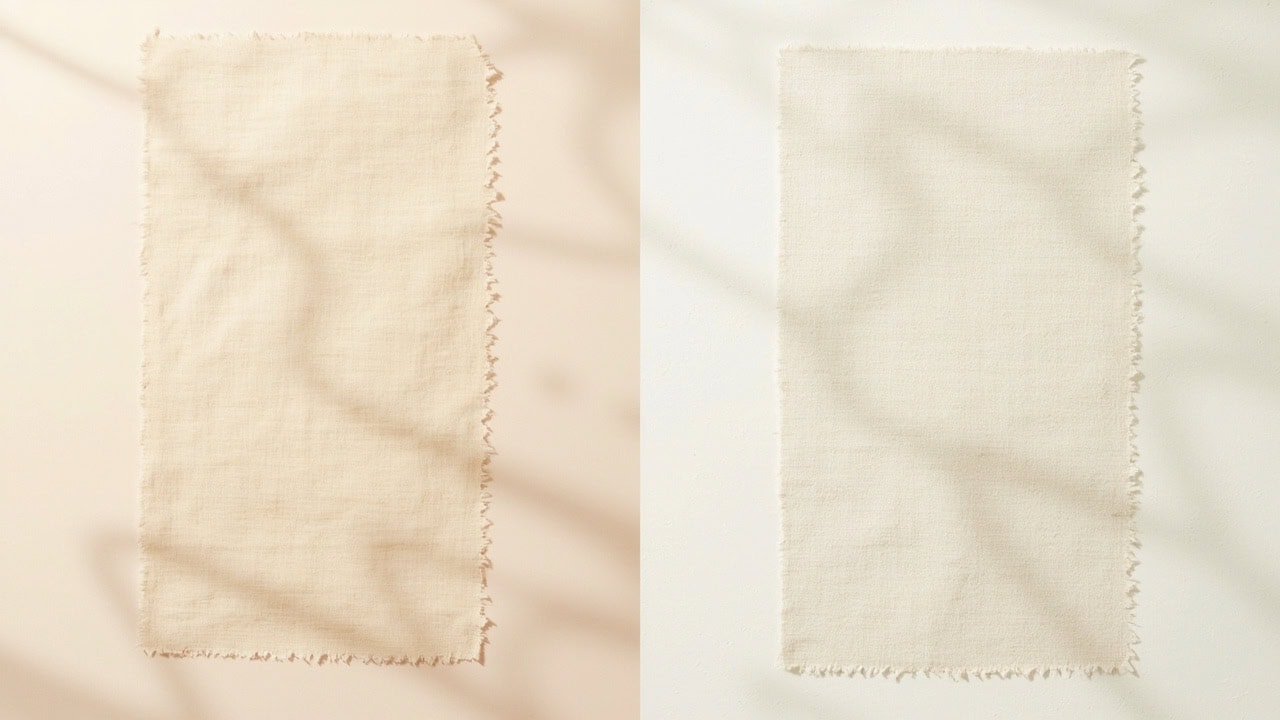
Modal fabric is 50% softer than standard cotton due to its smaller fiber diameter and smoother surface structure, while cotton maintains higher overall breathability at 400–600 CFM (cubic feet per minute) air permeability. For moisture-wicking performance in activewear, modal outperforms cotton by 20%, but for pure heat dissipation in hot weather, cotton’s higher breathability makes it the preferred choice. The decision between the two ultimately depends on your priorities: ultimate softness and moisture management (modal) versus breathability and ease of care (cotton).
What Is Modal Fabric?
Modal is a semi-synthetic fiber made from beech tree pulp — a natural cellulose source — processed through a modified viscose production method. Classified as a type of rayon, modal shares properties with silk but at a more accessible price point and with improved functional performance. First developed in Japan in the 1950s, commercial production was perfected and scaled by Lenzing AG, which today dominates the global modal market under the Lenzing Modal brand.
What sets modal apart from conventional rayon is an extended stretching phase during production. This process aligns the cellulose molecules within each fiber, creating a highly organized internal structure that delivers both exceptional softness and notable tensile strength. Modal fibers are approximately 50% finer than standard cotton fibers — measuring around 0.5 dtex compared to cotton’s 1.0–1.5 dtex — resulting in a dramatically smoother hand feel against the skin. A single dtex represents one gram per 10,000 meters of fiber, meaning modal fibers are significantly lighter and more fine than their cotton counterparts.
The molecular alignment achieved during stretching also gives modal excellent wet strength, meaning garments retain their structural integrity through repeated launderings better than many competing staple fiber fabrics. This combination of silk-like drape, soft hand, and durable construction explains modal’s growing presence in premium activewear, loungewear, and intimate apparel categories.
What Is Cotton Fabric?
Cotton is a natural cellulosic fiber harvested from the seed pods (bolls) of the Gossypium plant. One of the oldest cultivated textile fibers in human history, cotton has been in consistent use for over 7,000 years, powering everything from ancient Egyptian linen workshops to the Industrial Revolution’s textile mills. Its enduring popularity stems from a rare combination of comfort, breathability, and easy care that synthetic fibers have spent decades trying to replicate.
Cotton fibers are classified by their staple length — the average length of the individual fibers before spinning. Short-staple cotton measures under 24mm and is typically used for coarse textiles and filling. Medium-staple cotton (24–30mm) represents the majority of global production and serves everyday apparel. Long-staple cotton (30mm and above), which includes premium varieties like Pima and Egyptian cotton, produces significantly smoother, stronger, and more lustrous yarns because longer fibers create fewer exposed fiber ends in the spun thread. The longer the staple, the smoother and more durable the resulting fabric.
Unlike the uniformly cylindrical structure of modal, cotton fibers display a distinctive natural twist — known in textile science as convolutions — that forms along their length during maturation. These twists are not cosmetic; they are critical to how cotton spins into yarn and how the resulting fabric behaves. Convolutions increase the surface area between fibers, creating better fiber-to-fiber cohesion during spinning and producing fabrics with natural bulk, warmth-trapping ability, and moisture absorption capacity.
Modal vs. Cotton: Side-by-Side Comparison
| Property | Modal | Cotton |
|---|---|---|
| Softness (1–10) | 9/10 | 6/10 |
| Breathability | Good (lower CFM) | Excellent (400–600 CFM) |
| Moisture-wicking | 20% faster than cotton | Moderate absorption |
| Durability | High wet strength | Moderate; weakens when wet |
| Shrinkage resistance | Low shrinkage (3–5%) | High shrinkage (3–10%) |
| Care difficulty | Delicate | Easy |
| Fiber origin | Beechwood pulp (semi-synthetic) | Natural plant fiber |
| Sustainability | Better (FSC-certified beech forests) | Water-intensive cultivation |
| Cost | Higher ($15–$30/yard) | Lower ($5–$15/yard) |
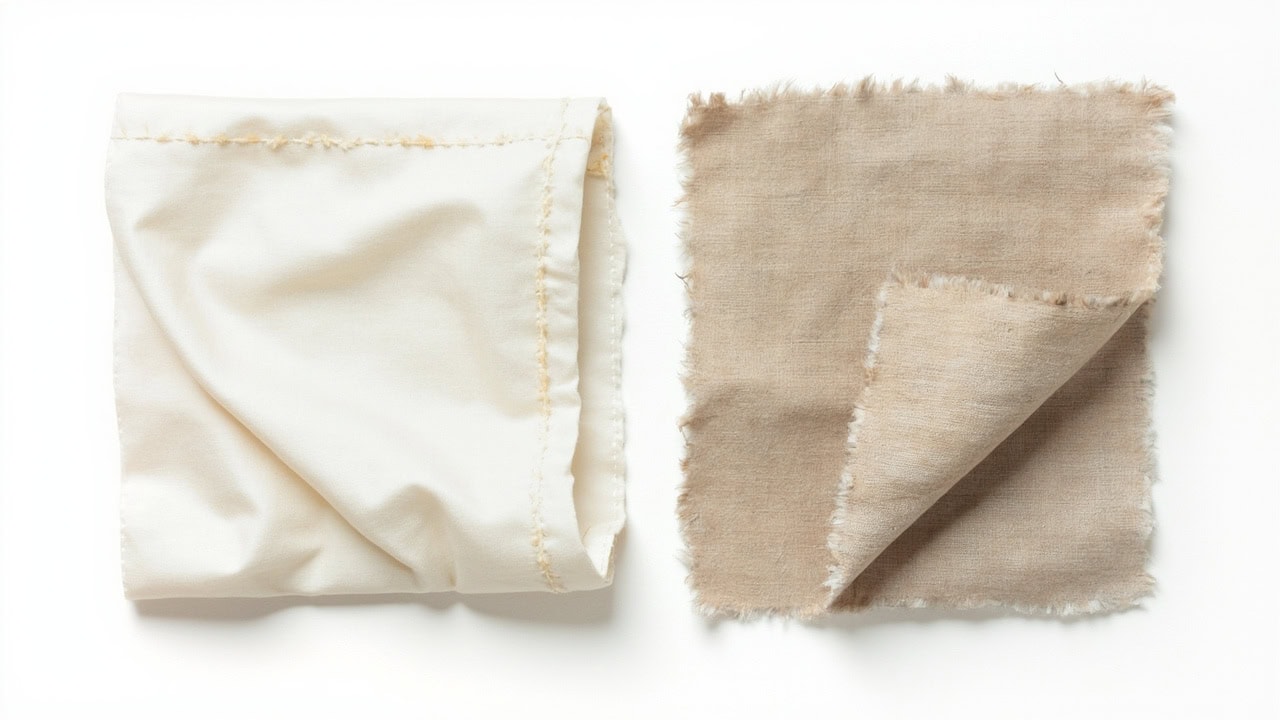
Across every major performance metric, modal and cotton occupy distinct territories with minimal overlap. Cotton earns its reputation for everyday resilience and breathability, while modal delivers a tactile experience and moisture management that cotton cannot match at anything close to the same price point. Understanding which properties matter most for a given garment — and its intended wear context — is the key to making the right choice.
When to Choose Modal
Modal fabric’s specific advantages make it the clear winner in several use-case categories. Consider modal when any of the following apply to your purchase decision.
- Activewear and sportswear: Modal’s 20% faster moisture-wicking performance compared to cotton keeps skin measurably drier during workouts. When sweat is produced, modal moves it away from the skin surface faster, reducing the clammy feeling that plagues cotton during high-exertion activities.
- Loungewear and pajamas: The silky softness against skin is categorically superior to cotton for all-day comfort. Modal’s smoother fiber surface creates less friction against the skin, making it feel notably more luxurious during extended wear around the house.
- Underwear and intimates: Modal’s smooth surface reduces friction — a critical factor for anyone with sensitive skin or those prone to chafing. The 50% finer fiber diameter compared to cotton creates a gentler contact surface that causes less mechanical irritation during movement.
- Hot sleepers: Modal fabric stays cooler than cotton for some users due to its smoother fiber surface, which has less thermal retention. The lighter weight of modal fabrics (typically 120–150 GSM for jersey knits versus cotton’s 150–200 GSM) also contributes to a more breathable sleep experience.
- Garments requiring fluid drape: Modal drapes better than cotton due to its lighter weight, higher fluidity, and superior fiber elasticity. Modal knits and wovens fall with a graceful hand that cotton simply cannot replicate, making it ideal for flowy tops, dresses, and draped silhouettes.
When to Choose Cotton
Cotton’s combination of breathability, durability, affordability, and straightforward care makes it the default choice for a wide range of everyday applications. The following scenarios favor cotton decisively.
- Hot and humid climates: Cotton’s 400–600 CFM air permeability outperforms modal significantly for heat dissipation. When ambient temperatures are high and airflow through the fabric is the primary concern, cotton allows more air to pass through the garment, facilitating faster convective cooling of the skin.
- Everyday casual wear: Cotton is easier to care for, more widely available, and significantly more affordable — typically costing 50–70% less than comparable modal garments. For items that will see heavy daily use and frequent washing, cotton’s economic advantage is decisive.
- Durability in rough use: Cotton holds up better to heavy repeated washing and rougher handling, particularly from rough dry cycles, high-temperature washes, and mechanical agitation. While cotton weakens when wet, it tolerates the abrasive environment of a busy laundry routine better than modal’s more delicate fibers.
- Absorption over wicking: If the goal is fabric that absorbs and holds moisture — as with towels, bibs, and dishcloths — cotton is the superior choice. Cotton’s convolutions create millions of tiny capillary channels that hold water within the fiber structure, whereas modal’s smoother fibers are designed to move moisture along the fiber rather than store it.
- Budget-conscious buyers: With comparable garment types, cotton costs between $5–$15 per yard versus modal at $15–$30 per yard. For large-scale purchases like bed sheets, towels, or family wardrobes, this cost differential is substantial and often difficult to justify against modal’s performance advantages in everyday contexts.
- Machine washing frequency: Cotton tolerates high-temperature washes (up to 60°C for white cotton) and tumble drying on medium heat without the fiber damage and pilling risk that modal faces. For households focused on sanitization through hot water, cotton is the more practical textile.
Care Comparison: How to Wash and Dry Modal vs. Cotton
While both fabrics are relatively easy to maintain compared to more delicate synthetics, their care requirements differ substantially. Ignoring these differences leads to premature garment failure — particularly for modal, which is far more sensitive to heat and mechanical stress than cotton.
Washing Modal
- Use cold water (30°C maximum) — hot water damages modal fibers and causes shrinkage beyond the normal 3–5% rate. High temperatures break down the molecular alignment that gives modal its signature softness.
- Select a gentle or delicate cycle — modal is weaker when wet than cotton and susceptible to mechanical damage from aggressive agitation.
- Avoid bleach and harsh detergents — use a mild liquid detergent. The chemical structure of modal is more susceptible to oxidative degradation from chlorine bleach and enzymes in heavy-duty detergents.
- Turn garments inside out before washing to reduce surface abrasion against the drum and other garments.
Washing Cotton
- Can use warm or hot water (up to 60°C) for white cotton — high-temperature washing kills bacteria, removes body oils, and eliminates dust mites. This is particularly valuable for undergarments and bedding.
- Standard detergent is sufficient — cotton tolerates harsher cleaning agents than modal without fiber damage.
- Colorfast cotton can be bleached with chlorine or oxygen bleach, but a preliminary spot test is always recommended, particularly on dyed fabrics.
- Pre-shrunk cotton garments can tolerate machine drying; be aware that non-pre-shrunk cotton may still shrink 3–10% despite apparent pre-treatment.
Drying Modal
- Air drying is strongly preferred — lay flat or hang to dry. This preserves the fiber’s molecular alignment and prevents the surface pilling that modal develops in high-heat mechanical drying.
- If machine drying is unavoidable, use the lowest heat setting — modal pills in high heat due to the friction between fibers during tumbling.
- Remove promptly from the dryer to prevent deep-set wrinkles that are difficult to press out without damaging the fiber surface.
Drying Cotton
- Tumble drying on medium heat is safe for most cotton garments. Pre-shrunk cotton tolerates this well, with expected shrinkage of 3–5%.
- Be aware that high heat can cause shrinkage even in pre-shrunk cotton if the pre-shrinking treatment was incomplete or the garment was labeled with optimistic care instructions.
- Line drying extends garment life significantly by eliminating mechanical abrasion entirely. Sunlight also provides natural antibacterial effects for white cottons.
Ironing
- Modal: Use low heat (synthetic setting) with a pressing cloth between the iron and fabric. Modal scorches and shines easily at high temperatures because its smooth fiber surface reflects heat unequally, creating permanent glossy patches on the fabric surface.
- Cotton: High heat (cotton/linen setting) is appropriate without a pressing cloth. Cotton’s fiber surface and matte texture tolerates direct iron contact well, and the high heat actually helps flatten any residual shrinkage.
Sustainability Considerations
Environmental impact is an increasingly important factor in textile purchasing decisions, and the modal-versus-cotton comparison reveals a nuanced picture that defies simple verdicts.
Modal’s sustainability profile rests on two key differentiators. First, modal is derived from beechwood pulp sourced from FSC-certified forests in Central Europe (primarily Austria, Czech Republic, and surrounding countries). Beech trees are a naturally regenerative species — they coppice from existing root systems after harvest, meaning no replanting is required and forest ecosystems remain intact across harvest cycles. Second, Lenzing Modal employs a closed-loop production process in which 99% of the organic solvent used to dissolve the beechwood pulp is captured, purified, and reused in subsequent production cycles. This dramatically reduces chemical discharge compared to conventional viscose rayon manufacturing, where solvent recovery rates are significantly lower.
Cotton’s sustainability picture is more complicated. Conventional cotton is among the most water-intensive agricultural crops in the textile industry — the global average water footprint for producing 1kg of raw cotton fiber is approximately 10,000 liters, encompassing both irrigation and rainwater. For context, a single cotton T-shirt (approximately 250g of fiber) requires roughly 2,500 liters of water to produce. Beyond water consumption, conventional cotton cultivation relies heavily on pesticide and fertilizer inputs: the World Health Organization estimates that cotton farming accounts for approximately 6% of global pesticide use despite occupying only 2.4% of the world’s cultivated land. Organic cotton eliminates most pesticide applications but its water footprint remains substantial since organic growing methods typically cannot achieve the same yield per hectare as conventional farming, requiring more land to produce the same volume of fiber. The most rigorous sustainability certifications for cotton are GOTS (Global Organic Textile Standard) and OCS (Organic Content Standard), both of which verify traceability from farm to finished product.
Neither fiber is without environmental baggage. Modal’s semi-synthetic classification means it is not biodegradable in the same way as natural cotton — though it composts far faster than petroleum-derived synthetics like polyester. Cotton’s biodegradable credentials are stronger, but its agricultural footprint in terms of water and agrochemicals is substantial. For consumers prioritizing sustainability, the most responsible approach favors buying fewer, higher-quality garments regardless of fiber type, and choosing certified products (GOTS, OCS, or FSC) wherever possible.
Frequently Asked Questions
Q: Is modal fabric softer than cotton?
A: Yes — modal is approximately 50% softer than standard cotton due to its finer fiber diameter (0.5 dtex vs. 1.0–1.5 dtex for cotton) and smoother surface structure with fewer fiber convolutions. The extended stretching during modal production aligns molecules, creating a silkier hand feel.
Q: Which fabric is more breathable — modal or cotton?
A: Cotton is more breathable, with air permeability of 400–600 CFM compared to modal’s lower CFM rating. This makes cotton the better choice for hot climates or activities where heat dissipation is the primary concern. Modal excels instead in moisture-wicking speed, outperforming cotton by 20%.
Q: Does modal shrink more than cotton?
A: Modal actually shrinks less than cotton — modal has a 3–5% shrinkage rate while cotton can shrink 3–10% depending on the weave and whether it was pre-shrunk. However, modal is more sensitive to heat during washing and drying, so following care instructions is critical to maintain size.
Q: Is modal better for the environment than cotton?
A: Modal is generally considered more sustainable than conventional cotton. Beechwood trees used for modal regenerate naturally without replanting, and Lenzing’s closed-loop solvent recovery captures 99% of production chemicals. Conventional cotton requires extensive irrigation and pesticide use, making modal the more eco-friendly choice when sustainability is a priority.
References
- Lenzing AG. (2025). Sustainability Report — Modal Production and Closed-Loop Solvent Recovery. Lenzing AG. https://www.lenzing.com/sustainability
- Chapman, R. (2010). Principles of Textile Testing: An Introduction to Physical Testing of Textiles. Woodhead Publishing. https://www.sciencedirect.com/book/9781845696929/principles-of-textile-testing
- Moyle, B.D., & Phillips, M. (2002). Fiber Science and Technology. Cambridge University Press. https://www.cambridge.org/core/books/fiber-science-and-technology
- U.S. Department of Agriculture. (2024). Cotton Market News and Trade Data. USDA Economic Research Service. https://www.ers.usda.gov/topics/crops/cotton-and-wool/
- Textile Exchange. (2024). Organic Cotton Market Report. Textile Exchange. https://textileexchange.org/knowledge-center/reports/
- Water Footprint Network. (2021). Assessment of the Water Footprint of Cotton Fiber. Water Footprint Network. https://waterfootprint.org/media
- American Association of Textile Chemists and Colorists. (2023). AATCC Test Methods for Moisture Management. AATCC. https://www.aatcc.org/standards/test-methods/
- International Organization for Standardization. (2022). ISO 139 Textiles — Standard Atmospheres for Conditioning and Testing. ISO. https://www.iso.org/standard/


