
Polyester vs. Nylon: Which Fabric Wins for Each Use Case?

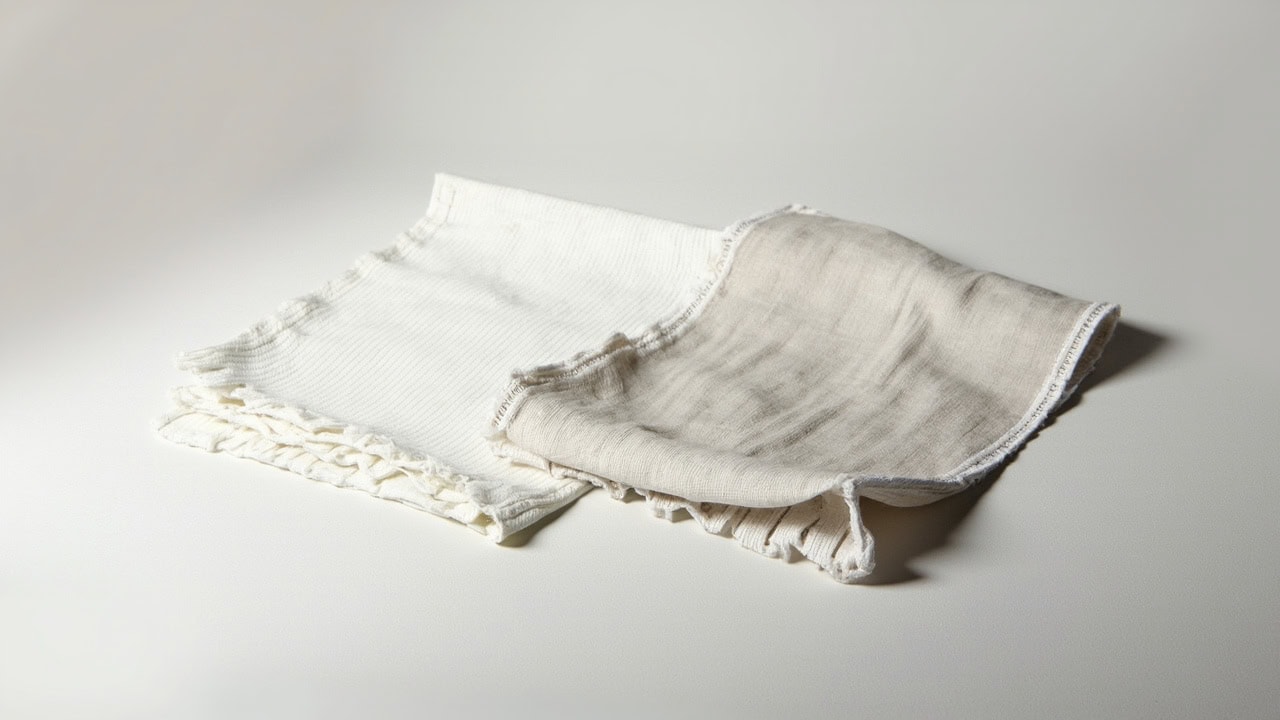
Polyester and nylon are both synthetic fabrics derived from petroleum-based polymers, but they differ fundamentally in structure: polyester fibers are made from polyethylene terephthalate (PET) and offer superior UV resistance and wrinkle recovery, while nylon fibers are made from polyamide and provide exceptional elasticity and abrasion resistance. For outdoor upholstery, polyester’s 100–200% greater UV degradation resistance makes it the clear winner; for swimwear and activewear requiring 4-way stretch, nylon’s superior recovery strength outperforms polyester.
What Are Polyester and Nylon? Key Differences at a Glance
Polyester = polyethylene terephthalate (PET) — created by polymerizing ethylene glycol with terephthalic acid. The resulting polymer chains contain ester groups (–COO–) that give polyester its characteristic hydrophobicity, meaning the fiber repels water rather than absorbing it. This chemical structure is what makes synthetic fiber fabrics derived from PET so resistant to moisture absorption and quick to dry.
Nylon = polyamide — created by polymerizing diamine with dicarboxylic acid. The resulting polymer chains contain amide groups (–NH–CO–) that create hydrogen bonds between polymer strands, giving nylon its characteristic high tensile strength and elasticity. This fundamental difference — amide groups in nylon versus ester groups in polyester — determines every performance property that follows.
Both are thermoplastic synthetic polymers, meaning they soften and eventually melt when heated. Polyester melts at approximately 260 degrees Celsius (PET grade), while nylon melts at a lower 215–265 degrees Celsius depending on the specific nylon type (Nylon 6 vs. Nylon 6,6). Both can be extruded into fibers and woven into fabric, but their performance characteristics diverge significantly in key areas.
Regarding moisture behavior: polyester is hydrophobic and does not absorb water — it absorbs less than 1% of its weight in moisture. This means it dries extremely fast but can feel clammy against skin during high-sweat activities. Nylon is also hydrophobic but more effective at moisture-wicking than polyester — it pulls sweat away from skin through capillary action, making it feel drier even while wet.
Polyester vs. Nylon: Side-by-Side Properties Comparison
| Property | Polyester | Nylon |
|---|---|---|
| Strength | High (excellent tensile strength) | Higher (superior tensile strength) |
| Elasticity | Low (10–30% stretch recovery) | Very High (30–50% stretch recovery) |
| Moisture Wicking | Good | Excellent |
| UV Resistance | Excellent (90–95% UV degradation resistance) | Poor (nylon degrades faster in sunlight) |
| Abrasion Resistance | Good | Excellent |
| Heat Resistance | Higher (melts at 260 degrees Celsius) | Lower (melts at 215–265 degrees Celsius) |
| Wrinkle Resistance | Excellent | Fair to Good |
| Water Absorption | Less than 1% (very low) | 2–4% (low but higher than polyester) |
| Cost | Lower (30–50% cheaper) | Higher |
| Dye Affinity | Moderate (requires disperse dyes) | Excellent (takes dye easily, vibrant colors) |
The tensile strength difference is critical for different applications. Nylon’s superior tensile strength — measured at 50–75 MPa for typical nylon 6,6 fibers — makes it the material of choice for seatbelts, tire cords, and ballistic cloth. Polyester’s tensile strength, while high at 40–60 MPa, does not match nylon’s peak performance, but polyester compensates with better UV stability and lower cost.
On elasticity: polyester fibers stretch 10–30% and recover, while nylon fibers can stretch 30–50% and return to their original shape. This 4-way stretch capability is why nylon dominates activewear and sports apparel demanding fit recovery. When you need fabric that hugs your body through movement and springs back, nylon is the answer.
UV resistance is where polyester clearly wins. Nylon undergoes significant UV degradation when exposed to prolonged sunlight — studies show it can lose up to 50% of its tensile strength after 300 hours of xenon arc exposure (per ISO 105-B02 testing standards). Polyester retains 90–95% of its strength under the same conditions, making it the clear choice for outdoor applications.
When to Choose Polyester
Polyester’s unique combination of UV resistance, wrinkle recovery, and affordability make it the right choice in several specific scenarios. Understanding these use cases helps you avoid overpaying for performance you do not need.
Outdoor Furniture and Upholstery
Polyester’s UV resistance prevents degradation and color fading in direct sunlight — polyester outdoor fabrics last 2–3 times longer than nylon in the same UV exposure conditions. For patio cushions, outdoor bean bags, and marine upholstery, polyester is the cost-effective choice that does not sacrifice longevity. Most commercial outdoor furniture manufacturers specify polyester mesh and canvas specifically for this reason.
Budget-Conscious Everyday Clothing
Polyester costs 30–50% less than nylon in equivalent fabric weights — quality polyester fabric runs $5–$15 per yard while nylon commands $8–$25 per yard. For non-stretch garments like dress shirts, casual pants, and workwear where extreme elasticity is unnecessary, polyester delivers comparable durability at a significantly lower price point. Polyester-cotton blends (65/35 ratio) dominate mass-market everyday clothing for exactly this reason.
Wrinkle-Free Travel Clothing
Polyester’s memory shape means zero ironing required even after being packed tightly in a suitcase. Wrinkle-resistant travel shirts, blazers, and pants made from polyester or polyester blends recover their smooth appearance within minutes of hanging. This makes polyester the traveler is best friend for professional wardrobes on the go, where laundry access is limited.
Outdoor Performance Layers
For base layers in cold-weather outdoor activities, polyester retains insulation when wet better than nylon. Because polyester absorbs less than 1% water, a wet polyester base layer weighs only slightly more than a dry one and continues to provide thermal barrier. Polyester fleece (such as Polartec 100 series) remains the standard for hiking and climbing base layers for this reason.
Home Textiles
Curtains, bedding, pillow covers, and slipcovers benefit from polyester’s wrinkle resistance and colorfastness. Curtains made from polyester hold their pleats without ironing and resist fading from sunlight exposure better than nylon. Polyester bedding with a high thread count can mimic the smooth feel of natural fibers with better wrinkle recovery and machine-wash durability.
When to Choose Nylon
Nylon’s superior elasticity, abrasion resistance, and moisture-wicking properties make it the definitive choice for performance apparel and technical gear. If your application demands stretch recovery, tear strength, or next-to-skin comfort, nylon delivers performance that polyester cannot match.
Activewear and Sports Apparel
Nylon’s 4-way stretch and superior recovery means garments return to original shape after repeated stretching — a critical performance requirement for yoga pants, running shorts, swimwear, and cycling bibs. When you squat, stretch, or cycle, nylon fabric follows your movement and snaps back without bagging or sagging. Most premium activewear uses nylon-spandex blends (80/20 ratio) specifically to capture this stretch-and-recovery performance, as detailed in our guide to washing activewear and sports fabrics.
Hosiery and Lingerie
Nylon’s silky smooth hand and excellent elasticity provides a comfort and fit that polyester simply cannot match for intimate apparel. The first nylon stockings debuted in 1939 and replaced silk almost completely within a decade — a testament to nylon’s unmatched combination of sheer appearance, stretch fit, and durability against snags. Sheer pantyhose, thigh-highs, and lingerie still use nylon as their primary material for this reason.
Technical Outdoor Gear
Backpacks, tents, and climbing gear require nylon’s superior abrasion and tear strength to survive the rigors of outdoor use. A nylon tent fabric with a 30D weight can withstand repeated packing, ground friction, and wind abrasion that would destroy a comparable polyester item within one season. Many technical outdoor brands specifically use nylon for their flagship products because the tensile strength and tear resistance of nylon outperforms polyester at equivalent weights.
Swimwear
Nylon’s quick-drying properties and resistance to chlorine damage make it the standard material for swimwear — a direct contrast to polyester’s poor chlorine resistance, which causes the fiber to degrade and lose color rapidly with repeated pool exposure. For competitive swimwear, lingerie-style swimsuits, and any application involving pool water or saltwater, nylon is the definitive choice. This chemical resistance comes from the polyamide structure, which does not react with chlorine as readily as the ester groups in polyester.
Lightweight Jackets and Windbreakers
Nylon is 10–15% less dense than polyester (1.15 g/cm3 for nylon vs. 1.38 g/cm3 for PET polyester), providing a better weight-to-warmth ratio for lightweight jackets. A nylon shell jacket is lighter and more packable than an equivalent polyester jacket, making it preferred for ultralight hiking, travel, and anything where ounce-count matters. Nylon’s superior draping quality also creates a more flattering silhouette in flowing jacket designs.
Price and Availability Comparison
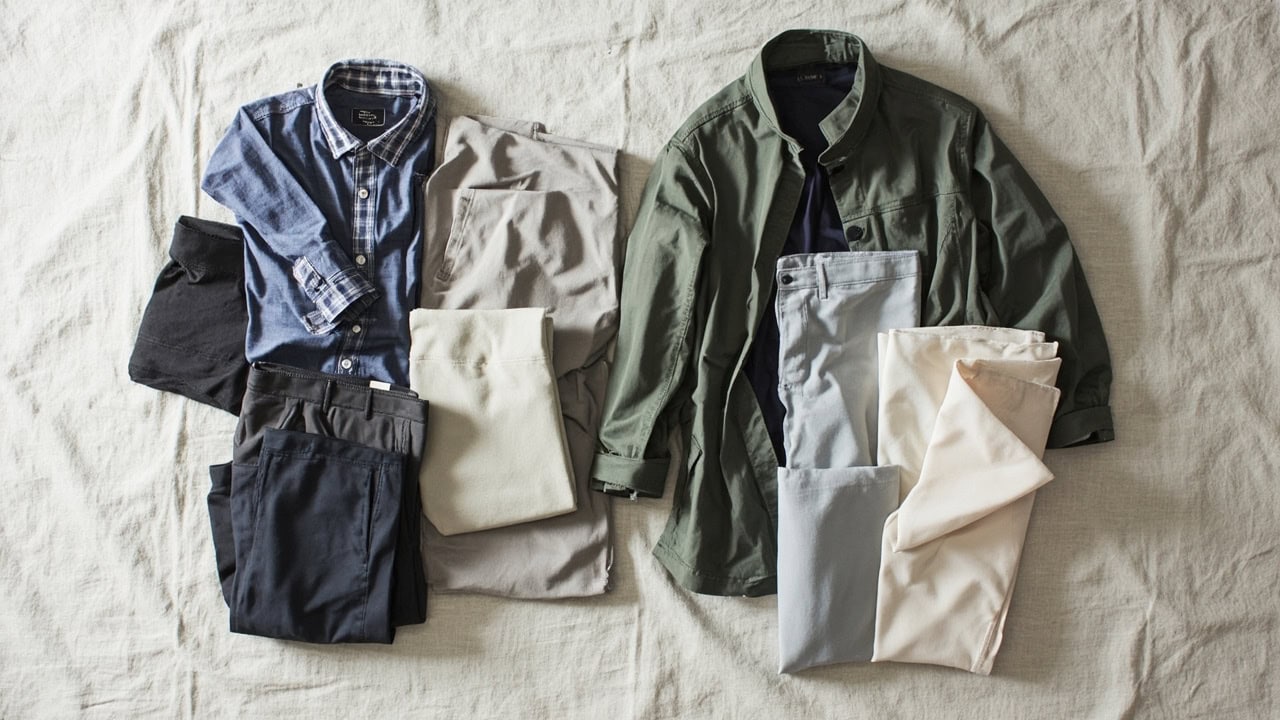
Polyester is widely available at $5–$15 per yard for quality fabric, making it the dominant fiber in mass-market clothing worldwide. Nylon commands $8–$25 per yard for comparable quality, with premium technical nylons (such as Cordura or Pertex) costing considerably more. This 30–50% price premium reflects nylon’s more complex manufacturing process — polyamide polymerization requires higher pressure and temperature controls than PET polyester production.
In finished garments, the price difference is even more pronounced: comparable nylon garments cost 20–40% more than their polyester equivalents. A polyester yoga Legging retails for $20–$40; an equivalent nylon legging typically costs $50–$80. The premium reflects both material cost and the more sophisticated construction required to handle nylon’s stretch properties during manufacturing.
Blends dominate their respective markets: polyester-cotton blends (65/35) are the standard for affordable everyday wear, combining polyester’s wrinkle resistance with cotton’s breathability. Nylon-spandex blends (80/20) are the standard for activewear, providing the structure of nylon with the additional stretch of 15–20% elastane content. Neither blend is interchangeable with its counterpart — each serves a distinct market and performance requirement.
Both fabrics are globally abundant and available across all fabric weights from lightweight 20D nylon ripstop to heavyweight 1000D nylon canvas. Polyester has a slight edge in availability for industrial and technical applications, while nylon dominates in performance apparel channels where premium positioning justifies the higher price.
Care Comparison: Washing, Drying, and Ironing
| Care Aspect | Polyester | Nylon |
|---|---|---|
| Washing Temperature | Up to 60 degrees Celsius (warm wash safe) | 30–40 degrees Celsius maximum (cold preferred) |
| Detergent | Standard laundry detergent | Gentle or enzyme detergent |
| Drying | Tumble dry low or line dry | Air dry or tumble dry low |
| Ironing | Low heat only (synthetic setting) | Very low heat or no ironing |
| Special Care | Avoid high heat — can cause pilling | Avoid high heat — can cause shrinkage |
| Chlorine Resistance | Poor (degrades quickly) | Moderate (better than polyester) |
Washing temperature is the single most important care difference. Polyester can withstand warm washes up to 60 degrees Celsius, making it more forgiving of care mistakes. Nylon requires cold to warm washes at 30–40 degrees Celsius maximum — high heat can cause nylon to shrink and lose its elasticity permanently, transforming a form-fitting garment into a distorted one. Always check your garment’s care label for specific instructions.
Both fabrics benefit from gentle handling, but nylon is more sensitive to mechanical agitation. On gentle cycles with liquid detergent, both fabrics maintain their integrity well. Avoid high heat in both washing and drying for both fabrics — heat sets wrinkles in polyester and causes permanent shrinkage in nylon. Line drying is the gentlest option for both, preserving fiber integrity and extending garment lifespan.
For specific instructions on washing polyester, and detailed guidance on caring for your activewear, see our dedicated guides. Following the correct care routine can double the effective lifespan of both polyester and nylon garments.
Frequently Asked Questions
Q: Is nylon better than polyester for hot weather?
A: Nylon performs better in hot weather for next-to-skin applications due to its superior moisture-wicking properties. However, polyester is preferred for hot weather outerwear because it dries faster and resists wrinkles. Neither fabric breathes as well as natural fibers like cotton or linen.
Q: Does polyester or nylon last longer?
A: It depends on the conditions: nylon lasts 2–3 times longer in abrasion and tear scenarios (backpacks, activewear), while polyester lasts 2–3 times longer in UV exposure (outdoor upholstery, car interiors). For everyday clothing with moderate use, both fabrics have similar lifespans of 3–5 years.
Q: Is nylon more expensive than polyester?
A: Yes — nylon costs 30–50% more than polyester in equivalent fabric weights. This price difference is due to nylon’s more complex manufacturing process and superior performance characteristics. For budget applications where extreme performance is not required, polyester offers better value.
Q: Can you mix polyester and nylon in the same laundry load?
A: Yes, but with caution: wash nylon at lower temperatures (30–40 degrees Celsius) to avoid damage, and avoid high heat drying. Nylon can absorb dye from polyester if polyester bleeds — wash separately for the first few washes with new dark polyester items.
References
- Wikipedia. (2025). Polyester. https://en.wikipedia.org/wiki/Polyester
- Wikipedia. (2025). Nylon. https://en.wikipedia.org/wiki/Nylon
- ISO. (2025). ISO 2062 — Tensile strength testing for yarns. https://www.iso.org/standard/68982.html
- ISO. (2025). ISO 105-B02 — Colorfastness to artificial light (UV resistance). https://www.iso.org/standard/40068.html
- CottonWorks. (2025). Synthetic Fibers: Polyester and Nylon Properties. https://www.cottonworks.com/topics/supply-chain/fibers/synthetic/
- International Wool Textile Organisation (IWTO). (2025). Testing Standards and Wool Properties. https://www.iwto.org/


