

Why Do My Clothes Have Blue Stains After Washing?

What Causes Blue Stains On Clothes?
Blue stains on clothes after washing appear when laundry detergent residue, fabric softener deposits, or free dyes redeposit onto fabric surfaces during the wash or rinse cycle. These stains are not permanent and respond well to targeted treatment when addressed promptly. This guide covers the five primary causes, proven removal methods, and prevention strategies used by textile care professionals.
The 5 Causes of Blue Stains on Clothes
Blue stains on laundered clothing result from five distinct mechanisms. Identifying which one applies to your situation determines the correct removal and prevention approach.
- Laundry Detergent — Synthetic dyes added to detergent formulations for visual appeal can redeposit onto fabrics when not fully dissolved or rinsed away
- Fabric Softener — Cationic quaternary ammonium compounds form visible deposits when applied incorrectly (e.g., sprayed directly on garments)
- Hard Water — High calcium and magnesium ion concentrations interfere with detergent performance, leaving surfactant residues that appear as bluish-white streaks
- Body Oils — Fatty acids in skin oils react with certain textile dyes during washing, causing dye molecules to detach and redeposit
- Mold — Mold enzymes break down dye molecules in damp environments, producing blue, green, or black discoloration patches
The Five Primary Causes of Blue Stains on Textile Fabrics
Several distinct mechanisms produce blue stains on laundered clothing. Identifying the specific cause is essential for selecting the correct prevention and removal approach.
1. Laundry Detergent
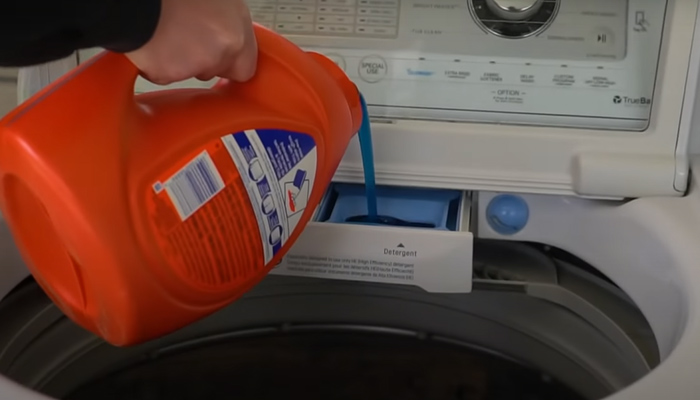
Many laundry detergents contain synthetic dyes formulated to make the product appear visually appealing in its packaging or to create a perception of cleaning power. Standard laundry detergents contain approximately 15% surfactants by weight, along with builders (~50%), bleach (~7%), and enzymes (~2%) Laundry Detergent — Wikipedia. When these dyes are not fully dissolved or rinsed away, they redeposit onto fabric surfaces, producing blue streaks. Using a detergent that lacks added dyes — such as formulations labeled “free and clear” — eliminates this risk entirely. Textile manufacturers include dye transfer inhibitors, typically water-soluble polymers such as polyvinylpyrrolidone, which bind to loose dyes and prevent them from redepositing during the wash cycle.
2. Fabric Softener
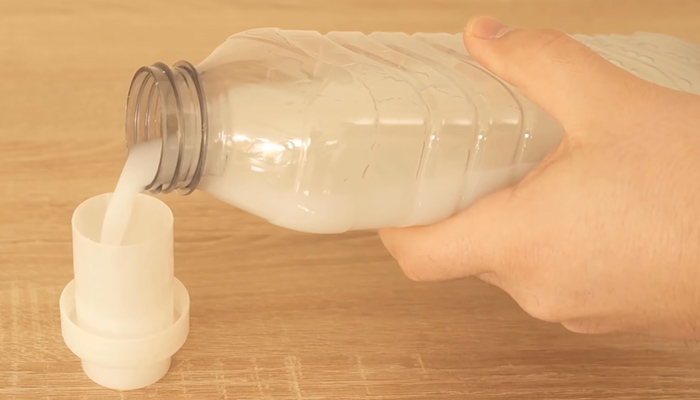
Fabric softeners work by coating textile fibers with cationic chemical compounds — primarily quaternary ammonium compounds — that reduce static and increase softness Fabric Softener — Wikipedia. These compounds bind to negatively charged fiber surfaces via electrostatic attraction. When fabric softener is added incorrectly — such as being sprayed directly onto garments rather than dispensed through the machine’s rinse cycle — concentrated deposits form on fabric surfaces, creating visible blue or bluish-gray stains. Fabric softeners also reduce the absorbency of towels, microfiber cloths, and wicking athletic fabrics, making them unsuitable for these textile categories.
3. Water Quality
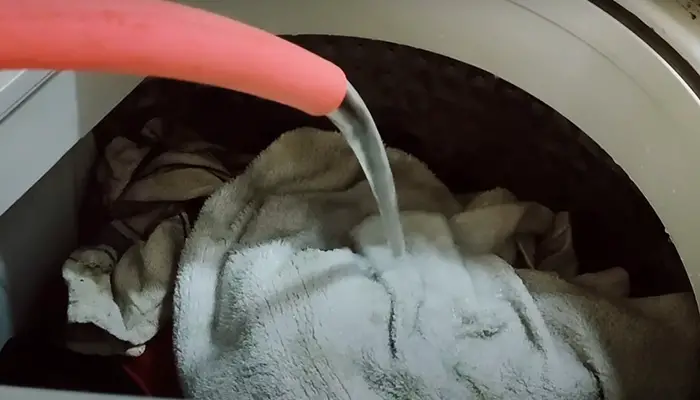
Hard water — water with high concentrations of dissolved calcium and magnesium ions — interferes with detergent performance during laundering. When detergents cannot function properly in hard water conditions, surfactant residues remain on fabric surfaces after rinsing. These residues can appear as bluish-white streaks, particularly on synthetic and dark-colored fabrics. Water softening systems or chelating detergent builders compensate for hard water by binding to calcium and magnesium ions, preventing them from interfering with the cleaning process.
4. Body Oils
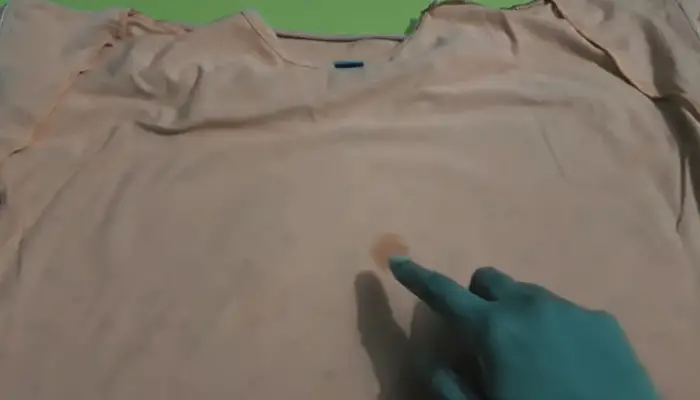
Skin oils secreted by the body contain fatty acids that can react with certain textile dyes during washing. This chemical interaction may cause dye molecules to detach from fabric fibers and redeposit in different areas, producing blue or greenish discoloration. This mechanism is particularly common with new garments that have not been pre-washed, as residual manufacturing chemicals can intensify the reaction between body oils and synthetic dyes.
5. Mold
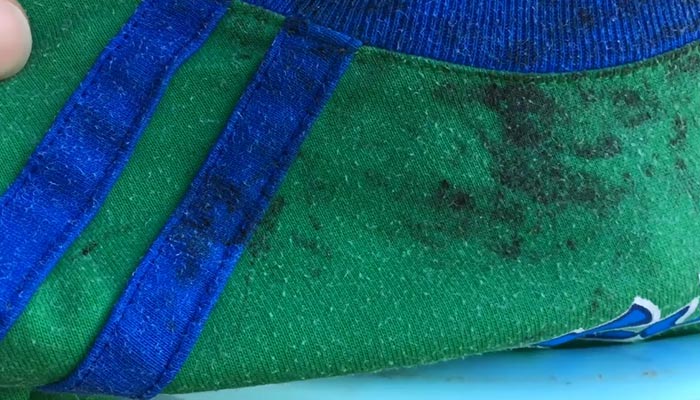
Mold growth on textiles produces enzymes that break down organic compounds, including textile dyes. As mold metabolizes dye molecules, chemical byproducts can appear as blue, green, or black discoloration patches. Mold thrives in damp, warm environments — leaving wet laundry in the washing machine for extended periods after the cycle completes creates ideal conditions for mold development and associated staining.
Why White Shirts Develop Blue Stains After Washing
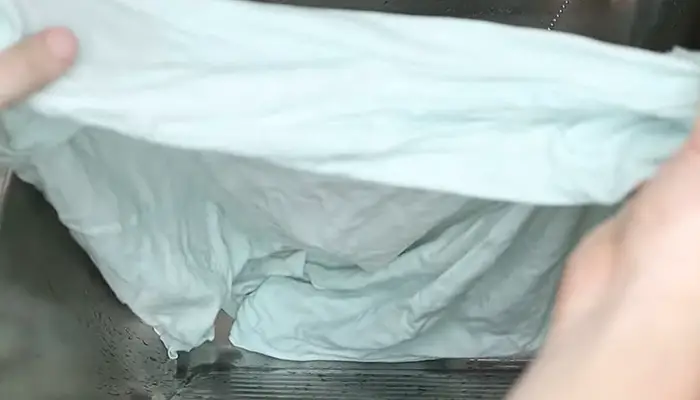
White shirts are particularly susceptible to blue stains due to their high reflectance, which makes any discoloration immediately visible. Three factors most commonly produce blue stains on white shirts: overfilling the washing machine, which prevents proper soil suspension and rinse distribution; using more than the recommended detergent dose, which leaves surfactant residue on fabrics; and washing white garments together with new colored items that have not yet had excess dye set through initial laundering.
To prevent white shirts from developing stained clothes after washing, launder white garments separately using the warm water setting (40°C / 104°F or above for cotton blends) and a detergent dose calibrated to your load size and water hardness level. Always test a new detergent on a single garment before introducing it to your full laundry routine.
Proven Methods for Removing Blue Stains from Clothes
The following five methods have demonstrated effectiveness against blue stains caused by detergent residue, fabric softener deposits, and dye transfer. Select the method appropriate to your garment’s fabric composition.
Method 1: White Vinegar Soak
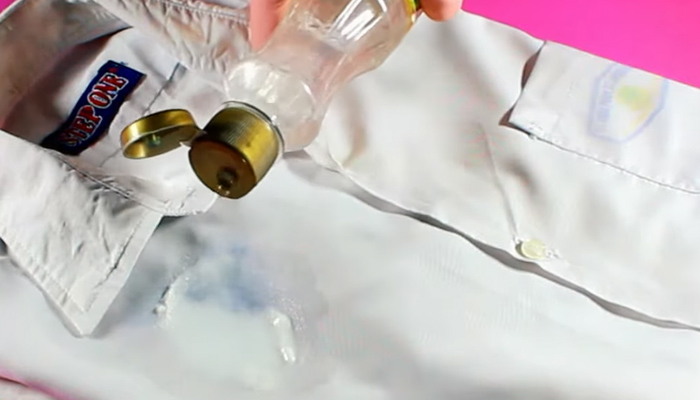
White vinegar (5–8% acetic acid solution) acts as a natural acidifier that breaks down alkaline detergent residues and fabric softener deposits. The acetic acid neutralizes residual surfactants and re-suspends loose dye particles, allowing them to be rinsed away. Vinegar also softens water, making subsequent rinsing more effective.
- Step 1: Combine 1 cup (240 ml) of white vinegar with 2 cups (480 ml) of cold water in a basin.
- Step 2: Soak the stained area for 60 minutes. Do not exceed 90 minutes, as prolonged acid exposure may affect certain fabric dyes.
- Step 3: Rinse thoroughly with cold water.
- Step 4: Repeat the soak if stain persists after the first treatment.
- Step 5: Launder the garment as normal with a dose of detergent appropriate for the load size.
Method 2: Baking Soda Paste
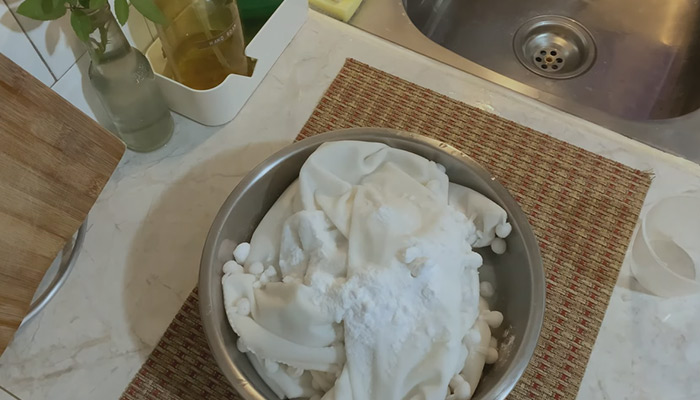
Baking soda (sodium bicarbonate) is a mild alkaline compound that functions as a gentle abrasive and deodorizer. Its alkalinity helps break down acid-based staining compounds while its physical texture aids in mechanical soil suspension during rinsing.
- Step 1: Mix 2 tablespoons of baking soda with enough cold water to form a thick paste (approximately 3:1 ratio by volume).
- Step 2: Apply the paste directly to the stained area and allow it to sit for 30 minutes.
- Step 3: Rinse the treated area with cold water.
- Step 4: Launder the garment as normal.
Method 3: Lemon Juice Treatment
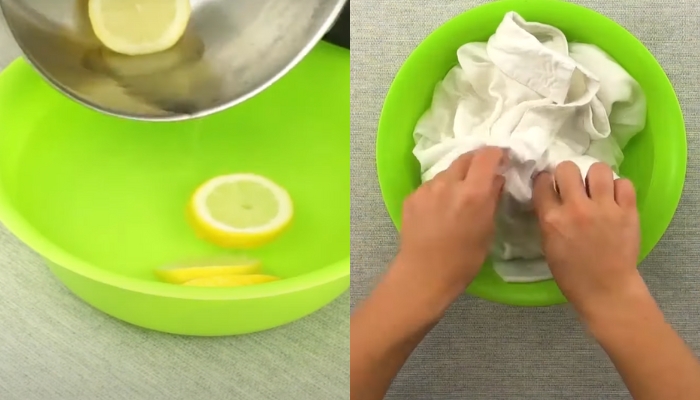
Fresh lemon juice contains approximately 5–6% citric acid by weight, making it an effective natural acid for breaking down alkaline laundry residues. The lightening properties of citric acid also help neutralize blue or gray discoloration on white fabrics caused by detergent deposits.
- Step 1: Soak the stained area in undiluted lemon juice for 30 minutes.
- Step 2: Rinse the treated area with cold water.
- Step 3: Reapply if the stain remains visible after the initial soak.
- Step 4: Launder the garment as normal. For white cotton fabrics, line-drying in direct sunlight after lemon treatment provides additional natural bleaching effect.
Method 4: Rubbing Alcohol Spot Treatment
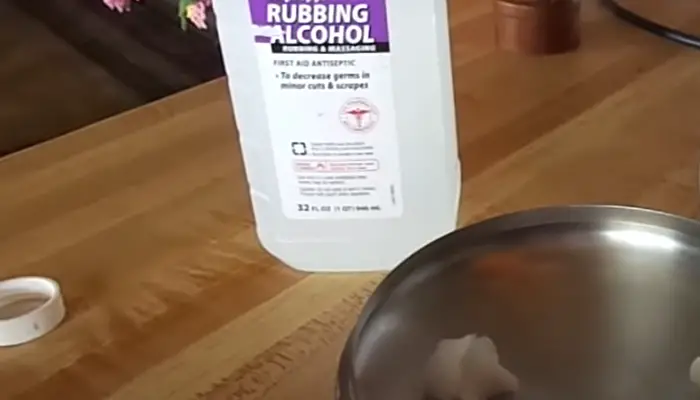
Isopropyl alcohol (rubbing alcohol) functions as a rapid-evaporating solvent that breaks down dye compounds and fabric softener residues on contact. This method is particularly suited for spot treatment of localized blue stains on washable synthetic and natural fiber garments.
- Step 1: Saturate a clean cotton ball with 70% isopropyl rubbing alcohol.
- Step 2: Dab the saturated cotton ball directly onto the blue stain, working from the outer edge toward the center to prevent spreading.
- Step 3: Continue dabbing until the stain is no longer visible on the cotton ball.
- Step 4: Rinse the treated area with cold water and launder as normal.
Method 5: Oxygen-Based Stain Remover
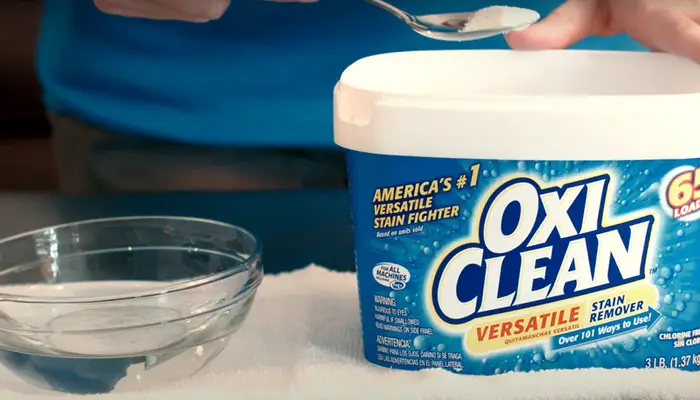
Oxygen-based stain removers (sodium percarbonate formulations) release hydrogen peroxide when dissolved in water, creating an oxidizing environment that breaks down chromophore molecules responsible for blue dye stains. These products are safe for most washable fabrics including cotton, polyester, and nylon blends, but should not be used on silk, wool, or leather.
- Step 1: Mix 1 scoop (approximately 30 grams) of oxygen-based stain remover powder with 8 fluid ounces (240 ml) of warm water to create a solution.
- Step 2: Soak the stained area in the solution for 60 minutes.
- Step 3: Rinse the treated area with cold water.
- Step 4: Reapply if the stain remains visible after the initial soak.
- Step 5: Launder the garment as normal with an appropriate detergent.
Prevention Strategies for Blue Stains on Laundered Textiles
Preventing blue stains requires addressing the root causes at each stage of the laundering process, from detergent selection through drying.
Use the Correct Detergent Dose
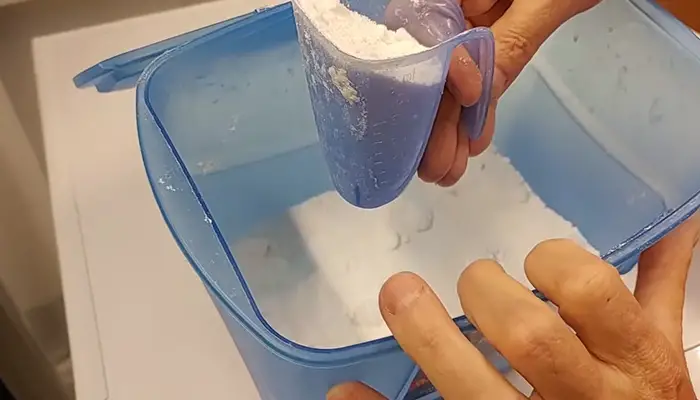
Using too little detergent leaves dirt and body oils in place; using too much leaves surfactant residue that manifests as blue streaks on fabrics. Standard load sizes (3.5–4.5 kg / 7.7–9.9 lbs of dry laundry) require approximately 50–75 ml of liquid detergent or 40–60 grams of powder detergent under normal water conditions. In hard water areas, increase the dose by 25–30% to compensate for the calcium and magnesium ion interference.
Select the Appropriate Water Temperature
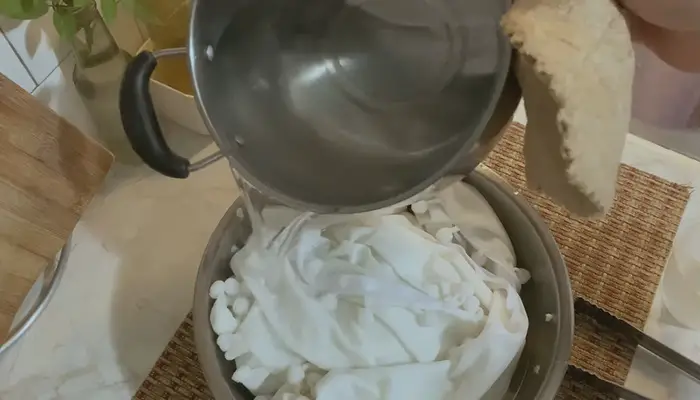
Water temperature directly affects dye stability and detergent dissolution. Cold water (20–30°C / 68–86°F) is appropriate for dark and bright-colored synthetic fabrics, which are more prone to dye bleeding at higher temperatures. Warm water (40°C / 104°F) effectively removes body oils and protein-based soils from cotton and linen blends without causing significant dye loss. Hot water (60°C / 140°F and above) should be reserved for white cotton textiles that require high-level sanitization and can tolerate thermal stress.
Avoid Overloading the Washing Machine

When the drum is packed beyond 80% capacity, mechanical agitation is restricted, preventing proper soil suspension and rinsing. The resulting poor water circulation causes detergent residues and freed dyes to redeposit onto garment surfaces rather than being flushed away. Maintaining a 20–25% void volume in the drum ensures adequate mechanical action for effective soil removal and rinsing.
Remove Laundry Promptly After the Cycle
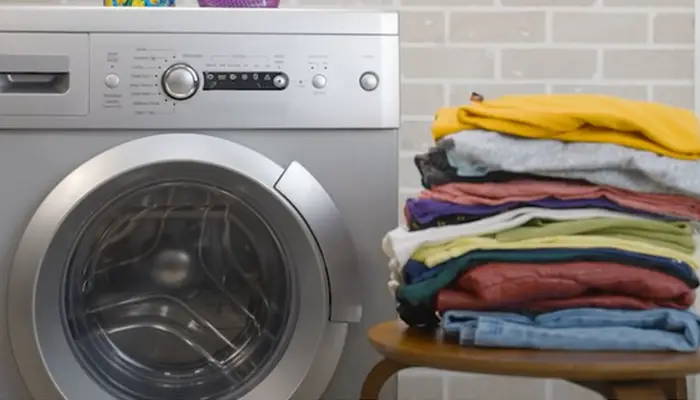
Leaving wet laundry in the washing machine for more than 30 minutes after the cycle completes creates a warm, moist environment conducive to mold growth and dye reduction. Prompt removal — ideally within 15 minutes of cycle completion — prevents both the odor and fabric discoloration associated with mold metabolism.
Apply Stain Treatments Immediately
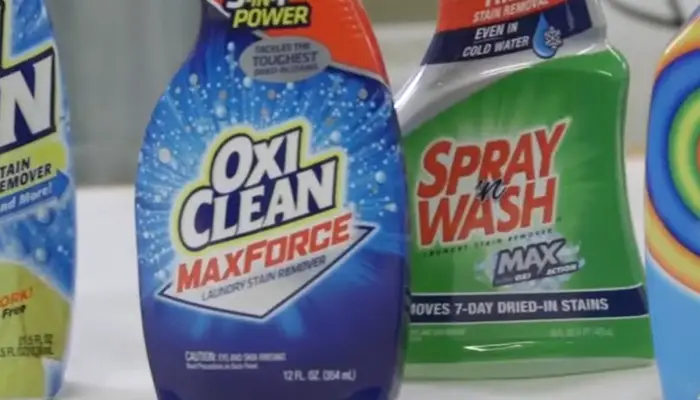
Fresh blue stains respond most readily to treatment. Applying a pre-wash stain remover directly to the affected area within 24 hours of the staining event, then launder within 48 hours, produces the highest removal success rate. Stains that have been heat-dried or left untreated for more than one week may require repeated treatments.
Wash White Garments as a Separate Load
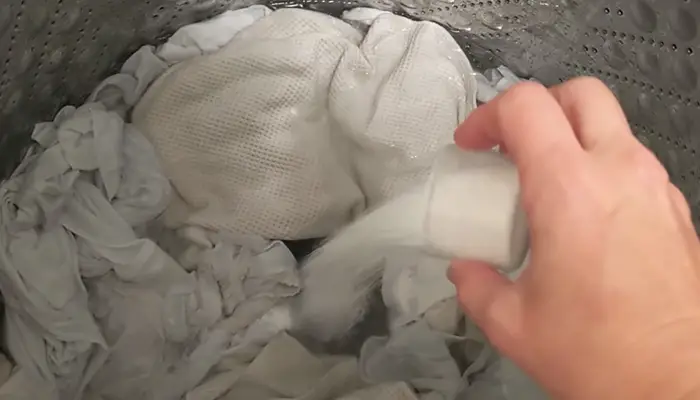
White garments lack the visual masking effect that allows colored fabrics to conceal minor dye transfer. Isolating white textiles into a dedicated load washed at 40–60°C (104–140°F) with an appropriate whitening detergent minimizes the risk of dye transfer from colored items and maximizes the effectiveness of optical brighteners and bleaching agents.
Why Fabric Softener Must Never Be Sprayed Directly on Clothes
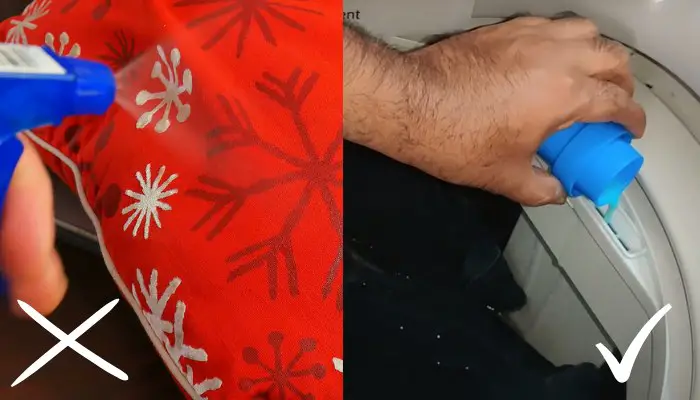
Fabric softener must never be sprayed directly onto clothing. Spraying produces highly concentrated deposits that are immediately visible as blue or bluish-white stains and are difficult to remove through standard laundering NO! Spraying fabric softener directly on clothes can create stains. The correct application method is to add liquid fabric softener to the machine’s designated dispenser or to the fabric softener compartment of the rinse cycle, where it dilutes automatically as water fills the drum. Alternatively, dryer-safe fabric softener sheets added to the tumble dry cycle eliminate liquid dispensing entirely while achieving equivalent softening and anti-static results.
Fabric softener sheets also offer practical advantages over liquid dispensing: no residue accumulation in the machine’s plumbing, no risk of direct fabric contact staining, and consistent distribution across the load without requiring precise measurement.
Quick-Reference: Laundering Parameters for Blue Stain Prevention
| Parameter | Recommended Value | Notes |
|---|---|---|
| Liquid detergent per load | 50–75 ml | Increase by 25–30% in hard water |
| Powder detergent per load | 40–60 grams | Pre-dissolve in warm water for cold washes |
| Wash load capacity | 75–80% of drum volume | Maintain 20–25% void for agitation |
| Cold water wash temperature | 20–30°C (68–86°F) | Safe for synthetics and dark colors |
| Warm water wash temperature | 40°C (104°F) | Effective for cotton and mixed blends |
| Hot water wash temperature | 60°C+ (140°F+) | White cotton only; not for delicates |
| Vinegar soak concentration | 1 cup (240 ml) per 2 cups water | 5–8% acetic acid solution; soak 60 min max |
| Oxygen bleach solution ratio | 30 g powder per 240 ml warm water | Soak 60 minutes; rinse thoroughly |
| Laundry removal window | Within 15 minutes of cycle end | Prevents mold growth and associated staining |
| Stain treatment window | Within 24 hours | Success rate decreases significantly after 48 hours |
Frequently Asked Questions
Does Detergent Turn Clothes Blue?
Yes, laundry detergent turns clothes blue when it contains synthetic blue dyes and these dyes are not fully dissolved or rinsed away during the wash cycle. Standard laundry detergents contain approximately 15% surfactants by weight, along with builders, enzymes, and additives Laundry Detergent — Wikipedia. The dyes added to detergent formulations for aesthetic purposes can cause dye transfer staining when residues remain on fabric surfaces. Switching to a detergent labeled “free and clear” — which contains no added dyes or fragrances — eliminates this risk. Adding 1 cup of white vinegar to the rinse cycle also helps neutralize residual surfactants and prevents dye redeposition.
What Causes White Socks to Turn Blue After Washing?
White socks turn blue after washing primarily due to dye transfer from colored garments washed in the same load. New colored clothing is the most common source, as these items frequently release excess dye during the first three to five wash cycles before the dye stabilizes. This is why washing new dark or bright-colored garments separately for their initial wash cycles prevents color bleed onto white textiles.
If you are dealing with white socks turning blue, rewash the affected socks as soon as possible using warm water and an oxygen-based bleach laundry detergent formulated for whites. Do not machine-dry the socks after the rewash if the stain persists — heat drying sets residual dye deeper into the fiber structure.
Is It Safe to Use Bleach to Remove Blue Stains from Clothes?
Yes, chlorine bleach (sodium hypochlorite, 5–6% concentration) and oxygen bleach (sodium percarbonate) are both effective for removing blue stains from white cotton and linen textiles. Chlorine bleach acts rapidly — a 10-minute soak in a 1:10 bleach-to-water dilution is sufficient for most blue stain removal on white fabrics. Oxygen bleach requires a longer soak (30–60 minutes at 40°C / 104°F) but is gentler on fabric fibers and is safe for most washable synthetic fabrics.
Both bleach types must be fully rinsed from fabrics before machine drying, as residual bleach accelerates fabric degradation and can cause unexpected color loss on subsequent wash loads. Never mix chlorine bleach with ammonia or vinegar, as this produces toxic chloramine gas.
Are Detergent Stains Permanent?
No, detergent stains are not permanent. Blue streaks caused by detergent residue respond to treatment with white vinegar soaks, oxygen-based stain removers, or oxygen bleach launderings within one to three treatment cycles in most cases. The key variables affecting removal success are the age of the stain — fresh stains resolve more readily — and whether the stained garment has been heat-dried, which sets residual surfactants more firmly into the fiber matrix.
Why Does My Dryer Turn My Clothes Blue?
Your dryer is turning clothes blue due to a chemical reaction between cationic fabric softener residues and anionic surfactants from laundry detergent — the two compound classes form an insoluble precipitate that can appear as blue staining on fabric surfaces. This reaction occurs most frequently when a liquid fabric softener dispenser malfunctions, releasing concentrated softener directly onto clothing, or when detergent residues are not fully rinsed before garments enter the tumble dry cycle.
Preventing dryer-related blue staining requires ensuring the washing machine’s fabric softener dispenser is functioning correctly, using dryer-safe fabric softener sheets instead of liquid dispensing, and selecting the appropriate cool-down cycle to prevent heat-set staining.
How Do You Remove Blue Detergent Stains?
Removing blue detergent stains requires breaking down the residual surfactant and dye compounds on the fabric surface. The most effective approach for white and color-safe garments is a 60-minute soak in a solution of oxygen-based stain remover mixed at a ratio of 30 grams powder per 240 milliliters of warm water, followed by a normal laundering cycle. For colored fabrics, a 60-minute white vinegar soak (1 cup per 2 cups cold water) followed by laundering effectively removes blue streaks without risking color loss.
Why Do My Washcloths Develop Black Spots After Washing?
Black spots on washcloths after washing are caused by mold growth, which thrives in the warm, moist environment of a damp washcloth left in the washing machine or stored without fully drying. Mold produces darkly pigmented spores that appear as discrete black spots on textile surfaces. Detergent residue buildup — particularly from formulated detergent tablets and pods — creates an organic film on washcloth fibers that provides additional nutrition for mold colonization.
To resolve black spots on washcloths, soak the affected items in a solution of 1 cup white vinegar per 2 cups warm water for 60 minutes, then launder at 60°C (140°F) with an oxygen-based laundry detergent. Ensure washcloths dry completely between uses — either in a tumble dryer on high heat or by air-drying in a well-ventilated space with direct sunlight exposure.
Summary
Blue stains on laundered clothes originate from four primary sources: laundry detergent dye residues (addressed by switching to dye-free formulations), fabric softener deposits (addressed by correct dispenser use or dryer sheet alternatives), dye transfer between mixed-color loads (addressed by separating garments by color), and mold growth from delayed laundry removal (addressed by prompt removal and thorough drying). All four cause categories respond to treatment with vinegar soaks, oxygen-based stain removers, or targeted spot treatment with rubbing alcohol.
Preventing blue stains is more effective than treating them: use the correct detergent dose for your load size and water hardness, maintain appropriate wash load capacity (75–80% of drum volume), select water temperatures appropriate for each fabric type, remove laundry within 15 minutes of cycle completion, and apply stain treatments within 24 hours of a staining event.
References
- Wikipedia. (2025). Laundry Detergent. Wikimedia Foundation.
- Wikipedia. (2025). Fabric Softener. Wikimedia Foundation.


