

Why Do My Washcloths Get Black Spots

Black spots on washcloths are caused by three main factors: mildew growth from excess moisture, oil residue from body products or skin oils, and detergent or fabric softener buildup. Identifying which cause is responsible determines the correct cleaning method and prevention strategy.
These spots are a common laundry issue that can be resolved with the right approach, but each cause requires a different prevention and removal method to restore your washcloths effectively.
What Causes Black Spots on Washcloths — Quick Reference
| Cause | Signs | Primary Prevention |
|---|---|---|
| Mildew Growth | Musty odor, gray/black spots, damp storage areas | Keep humidity below 50%, dry completely between uses |
| Oil Residue | Dark spots near areas of skin contact, no odor | Wash after 2–3 uses, use warm water with detergent |
| Detergent Buildup | Spots on outer edges of items, cloudy residue | Use 2 tbsp HE detergent max, avoid overloading |
| Fabric Softener | Waxy or sticky residue, dull fabric appearance | Use half the recommended softener amount |
What Causes Black Spots on Washcloths
Black spots on washcloths result from three main sources: mildew growth, detergent residue, and oil-based staining. Identifying which factor is responsible determines the correct cleaning method.
Mildew Growth in Humid Environments
Bathrooms with poor ventilation create ideal conditions for mildew. The CDC recommends maintaining indoor humidity below 50% to prevent mold and mildew growth. Mildew can begin growing within 48 hours on wet fabric stored in humid conditions. Black spots appear when mildew colonies establish themselves in the damp fibers of washcloths.
Towels stored in a hot, humid bathroom without proper air circulation are particularly susceptible. The combination of moisture and warmth accelerates fungal growth, causing discoloration that ranges from gray to black.
Oil Spots on Washcloths
Oil spots rank among the most common causes of black discoloration on washcloths. Body oils, facial products, and cooking oils transfer to washcloths during use. When oils accumulate in fabric fibers without proper washing, they oxidize and create dark spots that resemble mold growth.
These spots differ from mildew in that they result from fatty acid oxidation rather than fungal growth. Oil-based stains respond best to detergent-based cleaning with warm water and appropriate agitation.
Built-Up Detergent Residue
Liquid detergents can accumulate on the outer edges of the washing machine tub, particularly in areas where water pools during the wash cycle. This residue leaks back into the laundry during subsequent loads, depositing spots on clothing and washcloths.
Using too much detergent exacerbates this problem significantly. Standard laundry loads require approximately 2 tablespoons of high-efficiency (HE) detergent for normal soil levels. Exceeding this amount leaves excess detergent in the fabric that cannot be rinsed away in a single cycle.
Washing Machine Overloading
Overloading the washing machine prevents proper detergent distribution and rinsing. When clothes are crammed into the drum, they clump together and block water from reaching all fabric surfaces. Detergent becomes trapped within the load rather than being rinsed away.
The result is detergent residue that builds up over multiple cycles, creating the appearance of black spots on washcloths and other laundry items. A properly loaded machine should allow your fist to fit comfortably above the laundry with the door closed.
Fabric Softener Accumulation
Fabric softeners and dryer sheets contain cationic compounds that coat fabric fibers. When used excessively or added incorrectly to the wash cycle, these compounds leave residues that attract dirt and create dark spots. The buildup is particularly common in areas with hard water, where the softener compounds combine with mineral deposits to form visible residue.
How to Remove Black Spots from Washcloths
Bleach Soak Method
For white or color-safe washcloths, a bleach soak effectively removes black spots caused by mildew. The CDC recommends a solution of 1 cup of household laundry bleach in 1 gallon of water for disinfecting surfaces. Apply this ratio to your washcloths by soaking affected items for 15-30 minutes before laundering as usual.
For colored fabrics, use oxygen-based bleach (oxy bleach) instead. Add ½ cup of oxygen bleach to a gallon of warm water and soak for 30 minutes. This approach removes mildew without damaging dyes.
Vinegar Treatment
White vinegar acts as a natural disinfectant effective against mold and mildew. Add ½ cup of white vinegar to the washing machine drum along with your regular detergent and run a hot water cycle. The acetic acid in vinegar kills existing mold spores and prevents future growth.
Sun Drying for Natural Disinfection
Ultraviolet radiation from direct sunlight naturally kills mold spores and bacteria. Hang washcloths in direct sunlight for 3-4 hours after washing to harness this disinfecting effect. Sun drying also eliminates the residual moisture that promotes mildew growth.
Using a Lint Roller for Surface Spots
For loose surface debris and spotty discoloration caused by surface residue, a lint roller provides immediate removal. Roll the adhesive surface across affected areas to pick up loose particles and surface contamination before attempting deeper cleaning methods.
How to Prevent Black Spots on Washcloths

Use the Correct Detergent Amount
Measure detergent precisely for each load. Standard loads require 2 tablespoons of HE detergent, while heavily soiled loads may need up to 3 tablespoons maximum. Never exceed the manufacturer’s recommended amount, as excess detergent leaves residue that attracts dirt and causes spotting.
Avoid Overloading the Washing Machine
Even in a heavy-duty washing machine, proper loading prevents black spots on washcloths. Leave approximately one-third of the drum empty to allow sufficient water circulation and detergent distribution. Clothes must move freely through the water to ensure complete rinsing.
Maintain Indoor Humidity Below 50%
Use exhaust fans, open windows, or a dehumidifier to keep bathroom humidity under 50%. The EPA recommends this threshold to prevent mold and mildew growth on surfaces including textiles. Monitor humidity with a hygrometer placed near stored towels for accurate readings.
Dry Washcloths Completely Between Uses
Mildew requires moisture to grow. After each use, hang washcloths in a well-ventilated area where they dry completely before the next use. Wring out excess water thoroughly and avoid folding or stacking damp washcloths, which traps moisture and creates ideal conditions for fungal growth.
Wash Washcloths Frequently
Wash washcloths after every 2-3 uses to prevent oil and detergent buildup. In households with acne-prone skin or facial product use, consider washing after each single use to prevent oil spots from developing in the fabric.
Use Hot Water for Regular Washing
Water temperatures between 140°F and 160°F (60°C and 71°C) effectively kill mold spores and remove oil residues. The agitation and heat combined with detergent action provide thorough cleaning that cold water cycles cannot match for heavily soiled washcloths.
Use Proper Washcloth Load Capacity
A properly loaded washing machine allows clothes to move freely through the water. The “fist test” — inserting your fist into the drum with laundry packed around it — confirms adequate space. Overcrowded loads prevent detergent from being rinsed away, causing residue buildup that creates black spots. Leave approximately one-third of the drum empty for optimal cleaning and rinsing.
Add Vinegar to the Rinse Cycle
Adding ½ cup of white vinegar to the rinse cycle acts as a natural fabric softener and disinfectant. Vinegar’s acetic acid (typically 5–8% concentration in household vinegar) kills residual bacteria and mold spores while softening fabric fibers naturally and preventing detergent residue from accumulating.
Tips for Keeping Your Washcloths Spot-Free
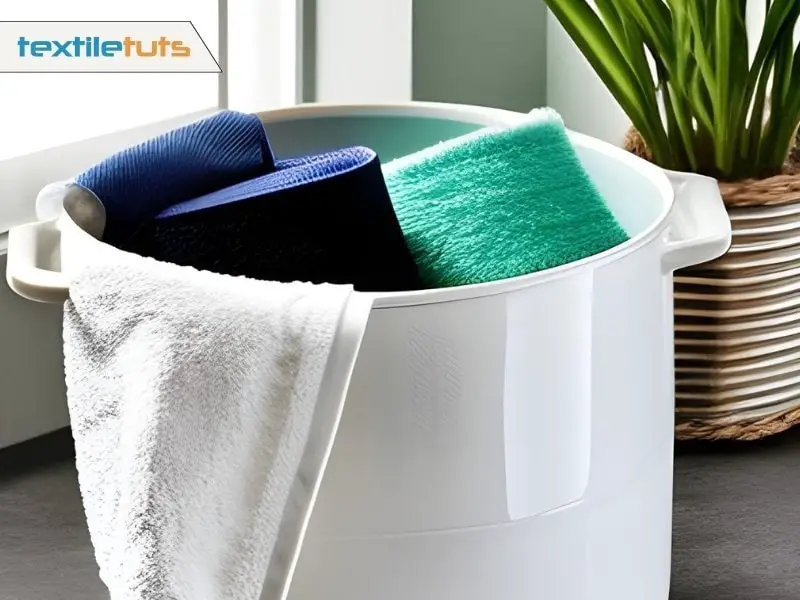
Avoid Harsh Chemicals
Harsh chemicals and excessive bleach damage cotton fibers over time, creating microscopic cracks where dirt and mold can accumulate. Use mild detergents and natural cleaning agents to preserve fabric integrity and extend washcloth lifespan.
Air Dry Washcloths When Possible
Air drying, particularly in direct sunlight, naturally disinfects washcloths through UV exposure while eliminating the residual moisture that promotes mildew. Sun-dried cotton also develops a fresh scent without chemical fragrances.
Inspect Washcloths Regularly
Check washcloths weekly for signs of discoloration, odor, or fabric deterioration. Early detection of black spots allows for simple cleaning before the contamination becomes embedded. Replace washcloths every 2-3 years or sooner if fabric becomes worn, as degraded fibers harbor bacteria more readily than new fabric.
Replace Washcloths Every 2-3 Years
Cotton washcloths break down over time through repeated washing and drying cycles. After 2-3 years, cotton fibers become frayed and more absorbent but also more prone to trapping bacteria and mold in the damaged fiber structure. Replace worn washcloths to maintain proper hygiene.
Is Black Mold on Towels Dangerous
Black mold on towels can cause allergic reactions in sensitive individuals. According to the WebMD Allergy Center, mold allergy symptoms include nasal stuffiness, sore throat, coughing, wheezing, burning eyes, and skin rashes. People with asthma or compromised immune systems face higher risk of respiratory complications from mold exposure.
While not all black spots on towels are caused by toxic mold species, the presence of any visible mold indicates moisture exposure that promotes bacterial growth. Take immediate action to remove mold and prevent regrowth rather than risking continued exposure.
To prevent black mold growth, always hang wet towels to dry in a well-ventilated area, wash them in hot water (140°F/60°C or higher) at least weekly, and add ½ cup of bleach or vinegar to the wash cycle when mold appears.
Why Do White Towels Develop Dark Spots
Dark spots on white towels result from the same causes as black spots on washcloths: mildew growth in humid environments, detergent residue from over-dosing, and oil spots from body products or fabric softener buildup. White towels show discoloration more visibly than colored towels, making early detection easier. To prevent dark spots on white towels, maintain bathroom humidity below 50%, use only 2 tablespoons of detergent per load, and wash towels in hot water every 3-4 days.
Frequently Asked Questions
What laundry detergent kills mold effectively
Detergents containing sodium hypochlorite (chlorine bleach) or oxygen-based bleaching agents kill mold on washable fabrics. Products labeled as “mold and mildew remover” combine detergents with bleach compounds for enhanced efficacy. Adding ½ cup of chlorine bleach to a hot water wash cycle kills mold spores on color-safe white fabrics. For colored fabrics, oxygen bleach (oxy bleach) provides effective mold removal without color damage.
Can bleach damage white washcloths
Chlorine bleach at recommended concentrations (1 cup per gallon of water for soaking, or ¾ cup per full load for washing) is safe for white cotton washcloths. However, frequent bleaching accelerates fiber degradation and may cause yellowing over time. Reserve chlorine bleach for periodic deep cleaning rather than every wash cycle. For regular use, oxygen bleach provides effective whitening without the fiber-damaging effects of chlorine.
Can fabric with mold be safely washed
Fabric with mold can be washed safely when proper precautions are taken. Add bleach or vinegar to the wash cycle, use hot water (minimum 140°F/60°C), and dry the fabric completely in sunlight or a dryer on high heat. Wash moldy items separately from other laundry to prevent cross-contamination. Wear gloves while handling heavily moldy fabrics to avoid skin contact and allergic reactions.
How often should washcloths be replaced
Washcloths should be replaced every 2-3 years with regular use. Signs that replacement is needed include persistent odor despite proper cleaning, visible fiber fraying, decreased absorbency, and staining that returns immediately after washing. Worn washcloths develop rough textures that can irritate skin and harbor bacteria in damaged fibers.
Are black spots on shirts and washcloths caused by the same factors
Black spots on shirts and washcloths share common causes including mildew growth, detergent residue, and oil spots. However, shirts may develop black spots specifically from sweat residue interacting with aluminum antiperspirant compounds, creating underarm staining that differs from washcloth discoloration. If black spots appear only on shirts after washing, check for washing machine oil leaks or detergent buildup as the underlying cause rather than fabric-specific issues.
Can sweat bleaching cause discoloration on washcloths
Sweat bleaching occurs when acidic perspiration interacts with fabric dyes, causing localized discoloration rather than black spots. On washcloths, sweat residue itself does not typically cause black spots. However, body oils in sweat can accumulate in washcloth fibers and create the appearance of dark spots when combined with detergent residue or mild mildew growth. Regular washing with appropriate detergent prevents sweat-related discoloration on all laundry items.
Summary
Black spots on washcloths result from mildew growth (caused by humidity above 50% and incomplete drying), detergent residue buildup (from using more than 2 tablespoons of HE detergent per load), and oil spots (from body oils that oxidize in fabric fibers). Prevention focuses on proper laundry habits: correct detergent dosing, avoiding machine overloading, maintaining low humidity in storage areas, and drying washcloths completely between uses.
Removal methods include bleach soaks (1 cup bleach per gallon of water for 15-30 minutes), vinegar treatment (½ cup per wash cycle), and sun drying for natural UV disinfection. Replace washcloths every 2-3 years to avoid bacterial buildup in degraded fibers. Keep bathroom humidity below 50% to prevent mold growth, and wash washcloths in hot water (140°F/60°C minimum) to kill existing spores.
References
- Centers for Disease Control and Prevention (CDC). (2023). Mold – FAQs About Mold. CDC.
- United States Environmental Protection Agency (EPA). (2023). Mold Information. EPA.
- WebMD. (2024). Mold Allergy. WebMD.
- American Cleaning Institute. (2023). Laundry Best Practices. American Cleaning Institute.


