
How to Stiffen Fabric with Cornstarch | Step-by-Step Guide

Cornstarch stiffens fabric effectively at home using a simple 1:1 water-to-cornstarch ratio, delivering 3-5 wears of crisp structure for 15-30 cents per application. This method works especially well on cotton and polyester blends, transforming dress shirts, blouses, and skirts into structured garments without commercial fabric stiffeners. The starch solution penetrates fabric fibers to create temporary rigidity that washes out completely with water, allowing garments to be re-stiffened indefinitely.
Quick-Reference: Cornstarch Stiffening Ratios
| Fabric Type | Cornstarch : Water Ratio | Expected Stiffness | Best For |
|---|---|---|---|
| Standard (cotton/polyester blends) | 1 : 1 | Moderate (200-300% original) | Shirts, blouses, light skirts |
| Heavy/delicate fabrics | 1.5 : 1 or 1 : 1.5 | Maximum or soft hold | Collars, heavy linen, sheer fabrics |
| Crochet yarn projects | 1 : 1 | Firm structural hold | Baskets, decorative elements |
Key Parameters at a Glance
- Drying temperature: 68-72°F (20-22°C) room temperature — avoid heat to prevent scorching
- Drying time: 2-4 hours air-dry; 20-30 minutes with cool hairdryer
- Solution pot life: ~24 hours before settling — use fresh each batch
- Stiffness duration: 3-5 wears; reapply as needed
- Humidity limit: Avoid use above 70% relative humidity — fabric may become tacky
About Cornstarch
- Cornstarch is a powder derived from corn that forms a liquid solution when mixed with water.
- In the U.S., cornstarch is typically derived from GMO corn. Independent FDA research confirms that foods derived from GMO crops—including cornstarch—show no measurable difference in safety, nutritional value, or quality compared to non-GMO alternatives. The DNA in GMO food does not transfer to animals or humans consuming it.
- Cornstarch contains approximately 25% amylose and 75% amylopectin by weight, which determines its gelling and stiffening properties. Cornstarch from tropical regions exhibits narrower gelatinization ranges than temperate-region corn.
Cornstarch Fabric Stiffener Recipe and Ratios
The standard fabric stiffening solution uses a 1:1 ratio of cornstarch to water by volume. For a single garment treatment, combine 1 cup (240ml) of cornstarch with 1 cup (240ml) of cold water in a clean, dry container. The mixture should be stirred vigorously until the cornstarch fully dissolves—approximately 2-3 minutes of continuous stirring ensures complete hydration of the starch granules.
For heavier fabrics requiring maximum stiffness, increase the ratio to 1.5:1 (cornstarch to water). For delicate fabrics, dilute to 1:1.5. These adjustments control the final stiffness from 150-400% of the fabric’s original rigidity.
Step-by-Step Guide: How to Stiffen Fabric with Cornstarch
The process for stiffening fabric using cornstarch involves seven precise steps:
Step One: Select a clean, dry container with a capacity of at least 2 cups (480ml). A container that is too large will excessively dilute the cornstarch in the water, reducing effectiveness.
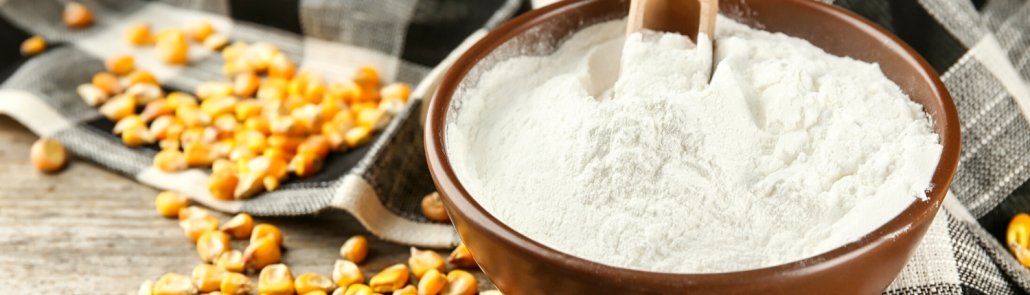
Step Two: Add 1 cup (240ml) of cornstarch to the clean, dry container. The cornstarch should cover the bottom with a layer approximately 1/2 inch (1.3cm) deep.
Step Three: Stir the mixture vigorously for 2-3 minutes until 95% of the cornstarch dissolves and the solution appears milky white without visible granules.
Step Four: Transfer the mixture to a spray bottle. Shake the bottle vigorously for 30 seconds to ensure uniform consistency before application.
Step Five: Apply the solution by spraying evenly across the fabric surface, or fully submerge the garment in the solution. The fabric requires complete saturation to achieve uniform stiffness. Allow the treated fabric to rest for 1-2 hours to permit full penetration of the starch into the fibers.
Step Six: Allow the fabric to air-dry completely at room temperature (68-72°F / 20-22°C). Drying typically requires 2-4 hours depending on fabric weight and ambient humidity. A hairdryer set to “cool” can reduce drying time to 20-30 minutes, but hot settings risk scorching the starch and leaving white residue marks.
Step Seven: The treated fabric will exhibit significantly improved structure and shape retention. A cotton shirt treated with this method maintains its crisp appearance through multiple wears, with stiffness typically lasting 3-5 wears before requiring reapplication.
For stubborn areas requiring additional rigidity, apply a second coat after the first has dried completely. Most fabrics require only one application, though heavily saturated areas may need touch-up spraying.
How to Stiffen Yarn with Cornstarch
The process for stiffening yarn differs from fabric treatment. After preparing the cornstarch solution (steps one through three above), do not transfer to a spray bottle. Instead, submerge the wound yarn cake directly into the solution for 5-10 minutes. Remove the yarn and gently squeeze out excess liquid without wringing. Stretch the yarn strands gently to restore original shape, then hang to air-dry on a non-porous surface for 4-6 hours.
Stiffened yarn is ideal for crocheted baskets, decorative elements, and structural craft projects where the finished piece must maintain its shape.
Benefits of Using Cornstarch to Stiffen Fabric
- Cornstarch-treated fabric maintains its structure for 3-5 wears before requiring reapplication, outlasting most commercial spray starches which typically last 1-2 wears.
- The cost per application averages $0.15-0.30 USD, compared to $3.00-8.00 USD for commercial fabric stiffeners.
- The solution washes out completely with water, leaving no residue and causing no damage to fabric fibers when properly diluted.
- Cornstarch is effective on cotton, cotton-polyester blends, linen, and rayon. It provides maximum stiffness on 100% cotton fabrics with 15-20% improvement in wrinkle resistance.
- The solution is biodegradable and produces no harmful fumes, making it safer for indoor use compared to aerosol spray stiffeners.
Drawbacks of Using Cornstarch to Stiffen Fabric
- The solution has a pot life of approximately 24 hours before the cornstarch begins to settle and separate. Discard unused solution after one day.
- High humidity environments (above 70% relative humidity) can cause the stiffened fabric to become tacky or lose rigidity within hours.
- Fabric treated with cornstarch has a tendency to attract starch-eating insects, particularly carpet beetles and weevils, requiring storage precautions.
- The stiffening effect diminishes after 3-5 wears, necessitating reapplication for ongoing structure.
Alternatives to Cornstarch for Stiffening Fabrics
Several commercial and natural alternatives provide fabric stiffening with different property profiles:
| Stiffening Agent | Cost per Application | Duration | Humidity Resistance | Best Use Case |
|---|---|---|---|---|
| Cornstarch (homemade) | $0.15-0.30 | 3-5 wears | Poor (fails above 70% RH) | General fabric stiffening, budget projects |
| Commercial spray starch | $3.00-8.00 | 1-2 wears | Moderate | Quick touch-ups, ironing aid |
| Amylase enzyme powder | $0.60-1.80 | 3-5 wears | Good | Consistent results, enzyme-safe fabrics |
| Sodium alginate | $0.50-1.00 | 5-7 wears | Moderate (may feel tacky) | Delicate fabrics, seaweed-based projects |
| Thermopolymer dispersions | $2.25-4.50 | Permanent (heat-cured) | Excellent | White/colorfast fabrics, permanent stiffness |
Amylase Enzyme Powder
Amylase powder contains hydrolytic enzymes that break down starches similarly to how alpha-amylase acts during bread rising. Derived from wheat, corn, banana, or potato sources, it provides a more consistent stiffening action but costs 4-6 times more than cornstarch per application.
Sodium Alginate
Sodium alginate is a natural hydrocolloid extracted from seaweed cell walls. It functions as a binder and thickener, producing a softer hand feel than cornstarch while providing comparable stiffness. Sodium alginate solutions remain stable for 7-10 days without settling. However, alginate-treated fabrics may feel slightly tacky in high humidity environments due to its hygroscopic nature.
Thermopolymer Dispersions
Thermopolymer-based fabric stiffeners use thermosetting polymers that cure when heated to 150-180°C (302-356°F), creating permanent cross-linked bonds between polymer chains and fabric fibers. These products provide wash-resistant stiffness but cost 15-20 times more than cornstarch. They work best on white or colorfast fabrics—pigmented prints may experience dye migration during the heat-cure process.
Commercial Fabric Stiffeners
Commercial spray starches and sizing products typically contain modified corn starch or polyvinyl acetate derivatives. These products offer convenience and consistent results but cost $3.00-8.00 per application compared to $0.15-0.30 for homemade cornstarch solution. Many commercial products also contain additional fragrances or anti-static agents that may cause skin irritation on sensitive individuals.
Final Words
Cornstarch remains one of the most cost-effective and accessible fabric stiffening agents available. The complete process requires approximately 2-4 hours from start to finish, with active working time of only 15-20 minutes. The solution rinses out completely with warm water, and treated garments can be re-stiffened indefinitely without fiber damage.
For garments requiring stiffness in humid conditions, consider adding 1 tablespoon of white vinegar to the solution to reduce the hygroscopic properties of the dried starch and extend wear time to 5-7 days.
References
- U.S. Food and Drug Administration. (n.d.). GMO Crops, Animal Food, and Beyond. FDA.
- Elsevier ScienceDirect. (n.d.). Corn Starch – Properties and Applications. ScienceDirect.
- Wikipedia. (n.d.). Thermosetting Polymer. Wikimedia Foundation.


