
How to Shrink Jeans Without Washing: 4 Methods That Work

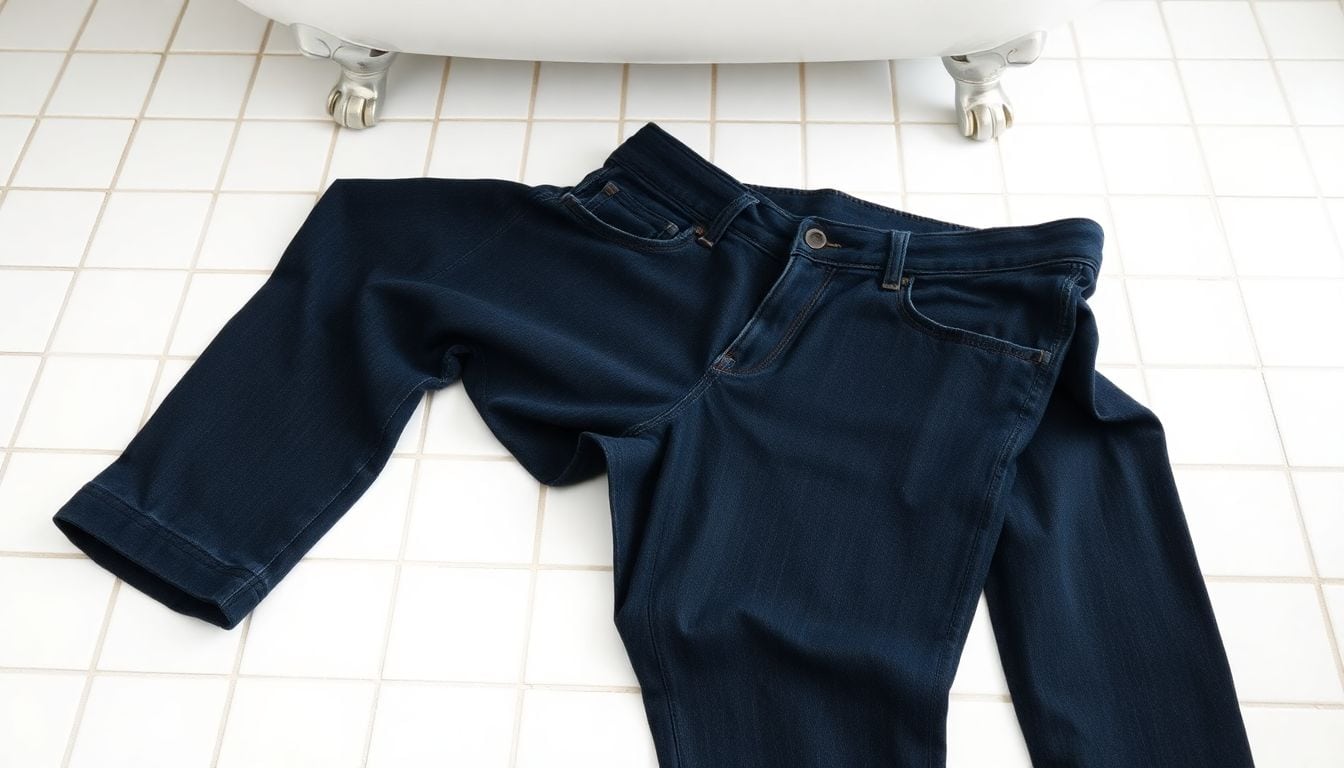
Four methods shrink jeans without a full machine wash: the bathtub soak method delivers 3–6% overall shrinkage, the targeted dryer method reduces waist circumference by 1–3%, the steam iron method shrinks specific seams by 1–2%, and the hair dryer spot method achieves under 1% localized adjustment. The right method depends on which part of the jeans requires shrinkage and how much shrinkage is needed.
Cotton denim shrinks through fiber relaxation — cotton fibers absorb moisture and heat, then contract toward their pre-woven state. Raw, unsanforized denim shrinks 6–10% overall. Pre-washed or sanforized denim shrinks only 1–3% because the AATCC Test Method 135 pre-shrinking process has already removed most shrinkage potential.
Method 1: Bathtub Soak Delivers 3–6% Overall Shrinkage Across All Denim Types
The bathtub soak method produces the most uniform shrinkage of any home technique. Hot water at 49–60°C (120–140°F) simultaneously saturates and heats the denim, causing cotton fibers to contract uniformly. This method is most effective for raw denim that has never undergone pre-shrinking treatment.
What You’ll Need
- Bathtub filled with water at 49–60°C (120–140°F) — the highest temperature residential water heaters produce
- Clean towel for handling wet denim
- Optional: rubber gloves if water temperature exceeds comfort level
Step-by-Step Instructions
- Fill the bathtub with water at the highest temperature your water heater allows — typically 49–60°C (120–140°F) for most residential systems.
- Submerge the jeans completely in the water, working out any trapped air bubbles. All fabric must be fully immersed.
- Option A (Body molding): Put the jeans on while wet and wear them until completely dry. As the denim dries, it contracts and molds to your exact body shape — achieving a custom fit in raw denim jeans.
- Option B (Flat drying): Let the jeans soak for 30–60 minutes. Remove, gently wring out excess water, and lay flat on a non-absorbent surface to air dry.
- Expected result: 3–6% overall shrinkage depending on water temperature and whether the denim is raw unsanforized or pre-washed.
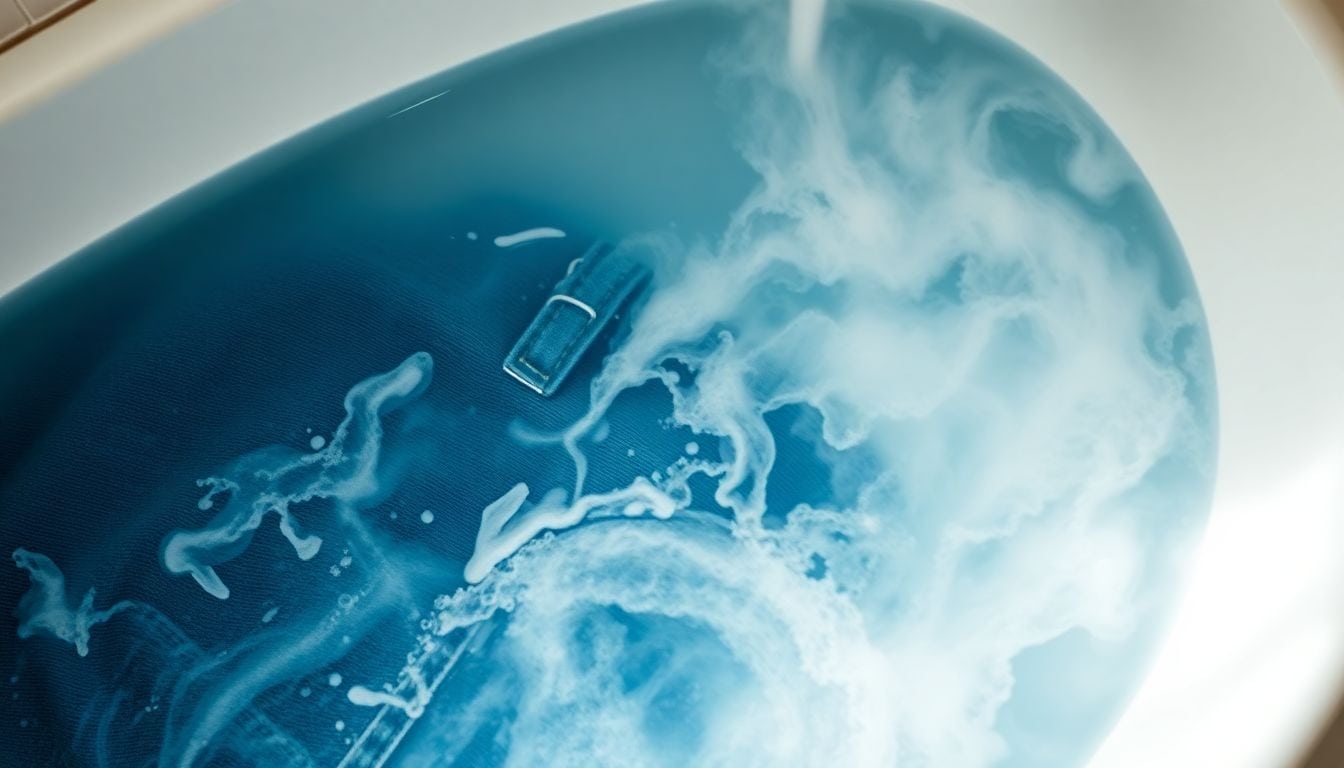
Denim enthusiasts who “break in” raw selvedge jeans use this same technique — wearing them wet accelerates both shrinkage and personal wear patterns. For raw denim that has never been washed, combining the bathtub soak with subsequent hot dryer cycles achieves 6–10% total shrinkage, according to CottonWorks shrinkage data.
Method 2: Targeted Dryer Achieves 1–3% Waistband Reduction Without Affecting Legs
The targeted dryer method concentrates heat on a specific zone rather than the entire garment. By damping only the waistband and running it through a hot dryer cycle, the waist circumference reduces by 1–3% while the legs and seat remain relatively unaffected. This method works best for sanforized denim where the waist has stretched with wear but the rest of the fit remains acceptable.
What You’ll Need
- Spray bottle filled with water
- Clothes dryer set to HIGH heat
- Elastic band (optional, to hold jeans in place during drying)
Step-by-Step Instructions
- Dampen only the area you want to shrink — typically the waistband — by spraying thoroughly with water. The fabric should be visibly wet but not dripping.
- Place the damp jeans in the dryer on the HIGH heat setting.
- Run for 15–20 minutes. Check every 5 minutes to monitor shrinkage progress.
- Remove and check if the waistband has reduced sufficiently. Repeat the dampening and drying process if more shrinkage is needed.
- Lay flat to finish drying at room temperature for any remaining damp areas.
- Expected result: 1–3% reduction in waist circumference, with minimal effect on other areas.
Heat causes the cotton fibers in the dampened zone to contract while the dry areas remain relatively stable. The vat dye (indigo) may experience slight fading with repeated cycles, but the effect is less pronounced than full-submersion methods.
Method 3: Steam Iron Produces 1–2% Seam Shrinkage With Precision Control
The steam iron method uses directed heat and steam to relax individual seams or localized areas. This technique achieves 1–2% shrinkage in a single seam without affecting surrounding fabric — ideal for minor fit adjustments at the side seams, inseam, or seat.
What You’ll Need
- Steam iron set to highest cotton setting (three dots / 200–230°C / 392–446°F)
- Pressing cloth (clean cotton or muslin) to protect indigo dye from direct heat
- Spray bottle with water
Step-by-Step Instructions
- Dampen the seam or specific area you want to shrink with water from the spray bottle.
- Place the pressing cloth over the damp area. This protects the indigo dye from direct heat contact, which prevents glazing (a shiny appearance from the dye flattening against the fiber) and uneven fading.
- Set the steam iron to the highest cotton setting (three dots, approximately 200–230°C / 392–446°F).
- Press firmly on each area for 10–15 seconds, allowing steam to penetrate the fabric.
- Allow the fabric to cool completely before moving or handling — the shrinkage occurs as the fibers cool and set.
- Expected result: 1–2% reduction in the specific targeted area.
Indigo dye is a vat dye — it requires chemical reduction to become soluble and bond to cotton fibers, then oxidizes back to its insoluble form when exposed to air. This oxidation-absorption cycle explains why indigo fades with wear and washing. Direct high-heat contact without a pressing cloth accelerates this fading unevenly, creating light spots or streaks in the denim.
Method 4: Hair Dryer Achieves Under 1% Localized Shrinkage With Maximum Control
The hair dryer method delivers under 1% shrinkage — the least of all four techniques — but offers the highest level of control. This method suits only very minor adjustments where a small, specific zone must shrink without affecting surrounding fabric. The distance between the heat source and fabric prevents the extreme surface temperatures that cause accelerated indigo dye fading.
What You’ll Need
- Hair dryer with HIGH heat setting
- Spray bottle with water
- Clean, heat-resistant surface for working
Step-by-Step Instructions
- Dampen the target area with water — the fabric should be uniformly wet in the zone you want to shrink.
- Set the hair dryer to its highest heat setting.
- Hold the dryer 5–8 cm (2–3 inches) from the fabric surface. Move it constantly back and forth across the damp area — never hold it stationary.
- Continue for 5–10 minutes until the denim in that area is completely dry.
- Expected result: Under 1% localized shrinkage — suitable only for very minor adjustments.
Constant motion is critical. Holding a heat source stationary over indigo-dyed denim causes the surface dye to degrade unevenly, creating a light spot where heat concentrated. This is particularly noticeable on dark denim where color uniformity is part of the garment’s appearance.
Which Method for Which Problem? A Quick Reference Guide
Choosing the right shrinkage method depends on three factors: which part of the jeans needs adjustment, how much shrinkage is needed, and whether the results must be uniform or targeted.
| Problem | Best Method | Expected Result |
|---|---|---|
| Overall too loose — entire garment | Bathtub soak | 3–6% overall shrinkage |
| Waistband too large only | Targeted dryer | 1–3% waist reduction |
| Legs too long — hemline adjustment | Steam iron or hair dryer (at hem) | 1–2% length reduction |
| Minor seat or thigh looseness | Steam iron (targeted) | 1–2% localized |
| Pre-washing raw denim before first wear | Bathtub soak + hot dryer cycles | 6–10% total shrinkage |
Why Denim Shrinks: The Science Behind Cotton Fiber Contraction
Cotton denim shrinks because cotton fibers are hollow tubes that swell when they absorb water, then contract as they dry under heat. During weaving, cotton yarns are held under tension. When they encounter moisture and heat, they return toward their natural relaxed state — shorter and denser. CottonWorks fabric care guidelines document this fiber behavior in detail.
Raw Denim vs. Pre-Washed Denim: Understanding Shrinkage Potential
Raw denim (also called dry denim) is unwashed and untreated after weaving. It retains its full shrinkage potential and shrinks 6–10% when subjected to hot water and heat. A pair of 34-inch waist raw denim jeans realistically shrinks to a 31–32-inch waist after treatment.
Most mass-produced jeans are made from sanforized denim. Sanforization is a mechanical pre-shrinking process patented in 1930 by Sanford Lockwood Cluett. The cloth is moistened with water or steam, then fed through a machine where a rubber sleeve presses it against a heated cylinder, causing controlled compression and lateral expansion. This pre-shrinks the fabric to under 1% potential shrinkage. Sanforized jeans shrink only 1–3% under home treatment because the initial shrinkage has already been engineered out.
Indigo Dye and Heat Sensitivity: Protecting Color During Shrinkage
Indigo is a vat dye — it is not soluble in water and must undergo chemical reduction to leuco-indigo (the soluble form) before bonding to cotton fibers. When fabric is removed from the dyebath, it rapidly oxidizes back to insoluble indigo, which adheres to the fiber surface rather than penetrating deeply. This surface-bonding characteristic explains why indigo dye fades with wear, washing, and heat exposure.
According to textile chemistry sources, indigo sublimes at 390–392°C (734–738°F) and decomposes at high temperatures — well above what a home iron produces. However, surface oxidation occurs at much lower temperatures with repeated exposure. Using a pressing cloth when ironing indigo-dyed denim distributes heat evenly and prevents direct fiber contact with the iron’s soleplate, protecting against uneven fading and glazing.
Frequently Asked Questions
Can you shrink just the waist of jeans without shrinking the legs?
Yes, partially. The targeted dryer method or steam iron method, applying heat only to the waist area, minimizes leg shrinkage. Heat transfer through fabric is unavoidable, so legs may experience slight shrinkage (typically under 1%). For significant waist reduction beyond 2–3%, a tailor taking in the waistband is more effective and precise.
How much can you shrink jeans at home?
Cotton denim shrinks 3–10% overall using the bathtub soak method combined with hot dryer cycles. Raw unsanforized denim achieves 6–10% shrinkage. Pre-washed sanforized denim shrinks only 1–3%. Targeted methods (dryer, iron, hair dryer) produce 1–3% shrinkage in specific areas only.
Will shrinking jeans at home damage the indigo dye?
High heat accelerates indigo dye fading, which is a surface-applied vat dye. Using a pressing cloth for iron methods distributes heat evenly and prevents the direct fiber contact that causes glazing and uneven fading. The bathtub and dryer methods carry moderate risk of overall color fade with repeated exposure. To minimize dye damage, avoid direct steam on fabric surface, use the pressing cloth, and limit repeated heat cycles.
Final Notes on Shrinking Jeans at Home
Shrinking jeans without washing is most effective on raw, unsanforized denim where the full shrinkage potential remains. Pre-washed or sanforized jeans have already undergone their major shrinkage — home methods produce modest results at best, and repeated heat exposure risks fading without proportional shrinkage gains.
For more than 3% reduction in any area, or if jeans are sanforized and not responding to home treatment, consult a tailor. Tailors physically take in seams and adjust garment construction for permanent, precise fit corrections that heat-based methods cannot achieve. For comprehensive fabric care guidance, see the complete guide to fabric care. Explore the textile glossary for definitions of terms like sanforizing, vat dye, and indigo dye.
References
- Cluett, S. L. (1930). Sanforization Process. U.S. Patent 1,756,699. Wikipedia — Sanforization
- Wikipedia Contributors. (2024). Indigo dye. Wikipedia — Indigo Dye
- AATCC International. AATCC Test Method 135: Dimensional Changes of Fabrics After Home Laundering. AATCC
- Cotton Incorporated. Fabric Care and Shrinkage Guidelines. CottonWorks
- Textile Exchange. Preferred Fiber and Materials Report. Textile Exchange


