
How to Shrink a Cotton Shirt One Size: Step-by-Step

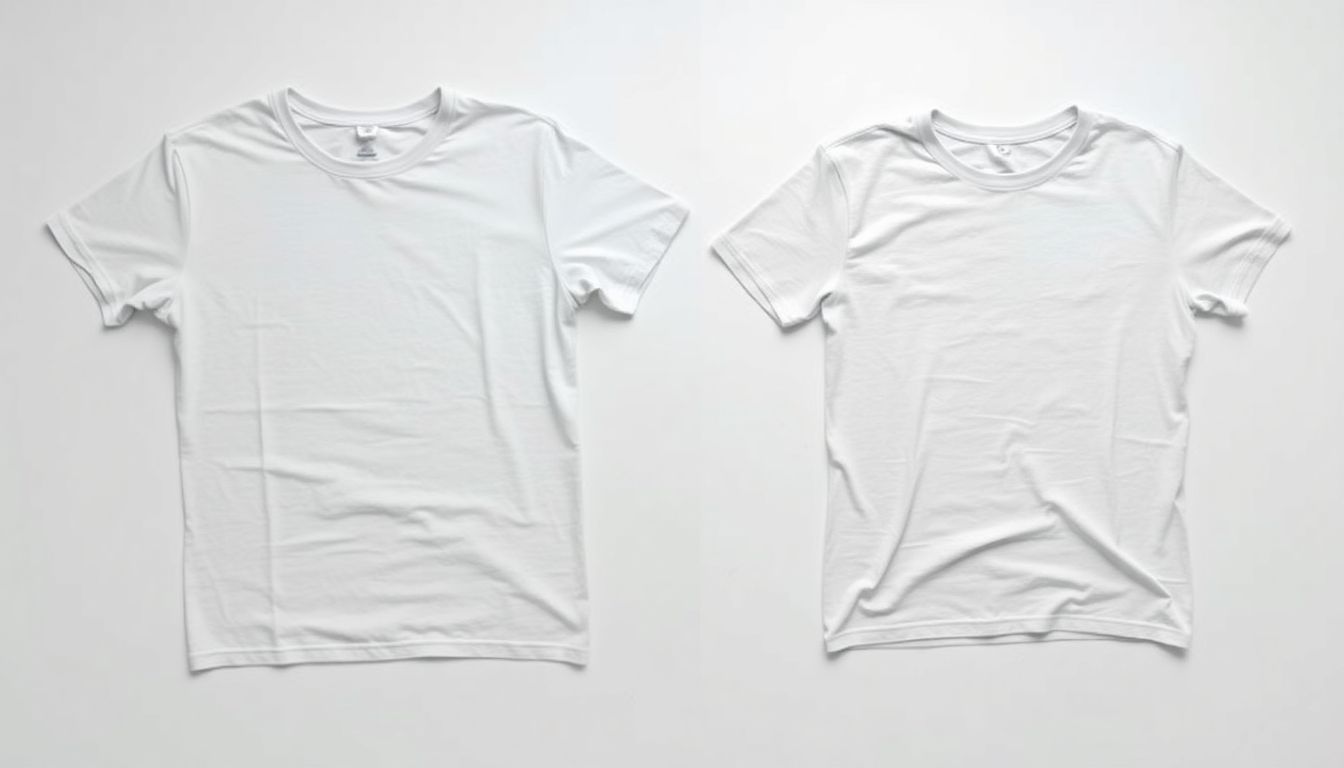
Shrinking a cotton shirt one size requires a hot wash (60°C) followed by a high-heat dryer cycle — the combination produces 5–10% shrinkage, which equates to approximately one shirt size reduction. The key is to measure before and after to predict results, because different cotton shirts (by weight, weave, and pre-wash history) shrink at different rates.
Whether you have a shirt that is slightly too large, a pre-shrunk shirt you want to reduce further, or you are simply experimenting with fit, understanding how cotton fibers respond to heat and moisture enables precise control over the outcome. This guide covers three methods, from the most aggressive (washing machine plus dryer) to targeted localized shrinkage using steam ironing.
Before You Start: Measure the Shirt
Before applying any shrinkage method, measure the shirt and record the dimensions. This step is essential because it allows you to predict, monitor, and control the final result.
Measure two key dimensions:
- Chest width: Measure horizontally across the chest, from underarm to underarm, while the shirt is laid flat.
- Length: Measure from the shoulder seam to the hem.
Record these numbers. A 100% cotton shirt that has not been pre-shrunk typically shrinks 7–12% in a single hot wash and high-heat dryer cycle. For a shirt with a 50 cm chest width, this translates to a reduction of approximately 3.5–6 cm — roughly 2–2.5 sizes in width. Length shrinkage is typically more pronounced than width shrinkage in jersey knit fabrics due to the orientation of the loop structure.
Note that cotton shrinks anisotropically: the length (vertical) direction of a jersey knit shirt shrinks more than the width (horizontal) direction. This is because the Wales (vertical loops) are more susceptible to relaxation shrinkage than the Courses (horizontal loops). If you need the shirt to shrink evenly in both directions, occasional turning during drying and stretching while slightly damp redistributes the shrinkage more evenly across the garment.
Method 1: Hot Washing Machine + High-Heat Dryer (Most Effective)
This is the most reliable and aggressive method for shrinking a cotton shirt. The combination of maximum washing temperature (60°C / 140°F) and sustained high-heat tumble drying produces the highest shrinkage rate of any home method — up to 12% in a single cycle for untreated cotton. The hot water and mechanical agitation relax the cellulose polymer chains in the cotton fibers, and the sustained high heat in the dryer sets them in their contracted position.
- Set the washing machine to the highest temperature. Select 60°C (140°F) or the machine’s maximum hot setting. Higher temperatures within the cotton-safe range accelerate fiber relaxation. Do not use boiling water (100°C) in the machine as this can damage the drum.
- Add the shirt with a standard dose of detergent. Use approximately 30ml of liquid laundry detergent. Do not use fabric softener, as it coats the fibers and can inhibit shrinkage. Do not overload the machine — the shirt needs room for thorough water penetration and mechanical action.
- Run a complete hot wash cycle. Allow the full wash, rinse, and spin cycle to complete. The mechanical agitation combined with hot water begins the fiber relaxation process.
- Transfer immediately to the dryer on HIGH heat. Do not let the shirt air dry partially — the drying phase is critical. High heat continues the fiber relaxation that began in the wash. Set the dryer to its highest heat setting.
- Dry for a full cycle. A full high-heat cycle typically takes 45–60 minutes. Do not interrupt the cycle early unless you are monitoring for a specific amount of shrinkage.
- Remove while still slightly warm; reshape and lay flat to measure. The shirt will feel slightly damp. Lay it flat, smooth out wrinkles, and compare the measurements to your pre-shrink record.
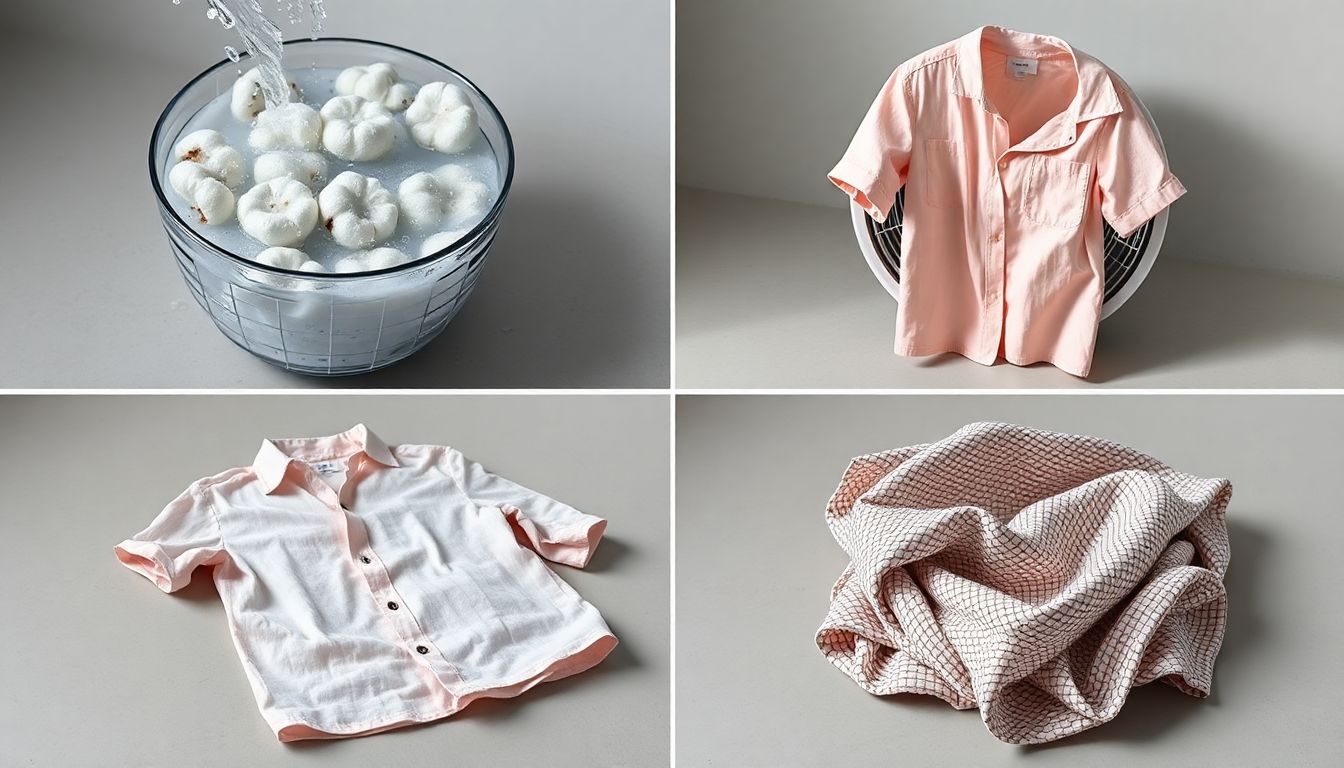
Expected result: 7–12% shrinkage — approximately 1–1.5 shirt sizes smaller. For a medium shirt (chest 50 cm, length 71 cm), expect a chest width of approximately 44–46.5 cm and a length reduction of approximately 5–8.5 cm.
The science behind this method: Cotton is a cellulose-based natural fiber. During the manufacturing process, cotton yarns are stretched under tension. When exposed to heat (above 50°C) and moisture, the hydrogen bonds holding the cellulose polymer chains in their stretched configuration begin to relax. As the fibers dry under tension in the dryer, they contract to a shorter length. This is called relaxation shrinkage, and it is permanent — the fiber does not re-extend when cooled.
Method 2: Boiling Water Method (No Dryer)
The boiling water method uses sustained high-temperature heat (100°C) as the shrinking agent without requiring a tumble dryer. It produces moderate shrinkage of 5–8% in a single treatment — slightly less than the washing machine plus dryer combination, because the dryer’s sustained high heat contributes an additional 2–3% of shrinkage through prolonged fiber relaxation. This method is useful when no dryer is available, but it offers less control over the final dimensions.
- Fill a pot with water and bring to a full boil. Use a pot large enough to fully submerge the shirt without crowding it.
- Submerge the shirt using tongs; keep submerged for 5 minutes. The sustained boiling temperature (100°C) causes rapid fiber relaxation. Use long tongs to keep your hands safe from steam and splashing.
- Remove and wring out excess water. Squeeze gently to remove water — do not twist aggressively, as this can distort the fabric shape permanently.
- Transfer to a dryer on high heat OR lay flat to dry. For maximum shrinkage, transfer to the dryer on high heat for a full cycle. For more controlled shrinkage, lay flat to dry — this stops the shrinkage process at the level achieved in the boiling water alone.
Expected result: 5–8% shrinkage, approximately one shirt size smaller. The boiling water method is effective but offers less control than the machine method, because you cannot monitor the shirt during the process.
If you choose to lay the shirt flat to dry after boiling, you can gently stretch the shirt in the slightly damp state to counteract some of the shrinkage — particularly useful if you want even shrinkage across length and width. However, any stretching must be done symmetrically to avoid distorting the garment’s shape.
Method 3: Iron Method (Targeted Shrinkage)
The steam iron method targets specific areas such as the collar, shoulders, or sleeves rather than reducing the entire garment. This method produces limited whole-shirt shrinkage (approximately 1–3%) but enables precise adjustments to problem areas — approximately 0.5–1 cm reduction in the treated zone. Repeated treatment of the same area incrementally increases the shrinkage effect.
- Dampen the area you want to shrink with water. Use a spray bottle or damp cloth to moisten the specific region. Do not soak the entire shirt.
- Iron with steam on the highest cotton setting (three dots). The iron temperature for cotton is typically 200–220°C (400–450°F). The steam penetrates the moistened fibers and, combined with the direct heat and pressure of the iron, causes localized fiber relaxation.
- Allow the area to cool and dry completely before checking. Let the fabric rest for 5–10 minutes after ironing. The shrinkage is not fully visible until the fibers have cooled and dried completely.
Expected result: Limited whole-shirt shrinkage (approximately 1–3%). This method is more effective for targeted adjustments — approximately 0.5–1 cm reduction in the treated area — than for significant size reduction.
The iron method works through a combination of heat, steam, and pressure. The steam acts as a moisture carrier, allowing the iron’s heat to penetrate the cotton fibers more effectively than dry heat alone. When the fibers cool after ironing, they set in their contracted position. Repeated treatment of the same area can increase the shrinkage effect incrementally.
Controlling the Result: Stopping Before Full Shrinkage
If you want to stop shrinkage before the shirt reaches its maximum potential reduction, you can control the process by monitoring during the dryer cycle. Checking every 20–30 minutes allows you to halt the process at your target dimensions.
For partial shrinkage: Check the shirt every 20–30 minutes during the dryer cycle. Use a cloth or oven mitt to remove the shirt briefly — it will be hot. Lay it flat, measure, and compare against your target dimensions. Return it to the dryer if further shrinkage is needed. Remove the shirt from the dryer when the desired size is reached, even if the cycle has not completed.
For controlled shrinkage without a dryer: After the boiling water method, lay the shirt flat to dry the rest of the way. This halts the shrinkage process at the level achieved in the boil, giving you more incremental control over the final result.
For maximum precision: The most controlled approach is to combine the boiling water method with flat drying — remove the shirt from the boiling water at the 3-minute mark (for approximately 3–5% shrinkage) or the full 5-minute mark (for 5–8% shrinkage), then lay flat to dry. This avoids the additional 2–3% shrinkage that the dryer’s sustained heat adds.
What Cannot Be Shrunk Intentionally
Not all fabrics respond to heat-based shrinkage methods. Understanding these limitations prevents wasted effort and potential damage. Three fabric categories are particularly resistant: synthetic polyester, pre-shrunk cotton, and mercerized cotton. Each fails to shrink significantly for different reasons related to fiber structure and manufacturing processes.
- Polyester: Polyester is a synthetic thermoplastic fiber that requires temperatures above 70°C to begin dimensional change, and even at those temperatures, the shrinkage is minimal (typically 1–3%) and may not be permanent. Standard home laundering temperatures have virtually no effect on polyester. If you need to shrink a polyester-blend shirt, see our guide on how to shrink a polyester shirt for the specialized approach required.
- Pre-shrunk cotton: Cotton that has already undergone a pre-shrinkage process (typically Sanforization, which uses controlled mechanical compression and steam to pre-relax the fibers) has already released most of its residual tension. Additional shrinkage from hot laundering is limited to 3–5% — roughly half the rate of untreated cotton. See our complete guide to fabric shrinkage for more on pre-shrinkage processes.
- Mercerized cotton: Mercerization is a chemical treatment (sodium hydroxide solution) that swells the cotton fibers and gives them a smoother, more lustrous appearance. This process also increases dimensional stability, making mercerized cotton approximately 20–30% more resistant to shrinkage than standard cotton. Very high-quality dress shirts often use mercerized cotton — these will shrink less dramatically with heat treatment.
For those looking to shrink denim rather than cotton T-shirts, the principle is similar but the fabric is structurally different. Jeans are made from denim, which shrinks 2–5% on average in a hot wash and dry cycle. Warp-faced denim has different shrinkage characteristics than weft-faced denim, and the presence of elastane (spandex) in stretch jeans significantly reduces shrinkage potential.
How to Prevent Unintended Shrinkage
If your goal is the reverse — keeping your shirts from shrinking — the principles are the inverse of the shrinkage methods. Wash in cool or warm water (30°C or below), air dry or use low heat, and avoid prolonged tumble drying. Our complete laundry guide covers prevention methods in detail.
Frequently Asked Questions
Cotton Shirts Shrink 7–12% in One Hot Wash Cycle
A 100% cotton shirt that has not been previously pre-shrunk can shrink 7–12% in a hot wash (60°C) plus high dryer cycle — approximately 1–1.5 shirt sizes. Pre-shrunk cotton shrinks only 3–5% in the same conditions. The magnitude of shrinkage depends on the fabric’s prior wash history and whether it has undergone pre-shrinking treatments during manufacturing.
Pre-Washed Cotton Shirts Shrink 2–5% Further
Yes, but the results are less dramatic. Pre-washed cotton has already released most of its residual tension from the manufacturing process. You can still gain 2–5% additional shrinkage using hot water and high dryer heat, but you will not achieve the 10%+ that un-pre-washed cotton provides. Multiple hot wash cycles can gradually achieve additional shrinkage on pre-washed garments.
Targeted Steam Ironing Shrinks Specific Areas
Use the targeted steam ironing method or soak specific areas in boiling water. Dampen the target area, iron on the highest cotton setting with steam, and allow it to cool and dry completely before checking the result. This approach is more controllable for collars, shoulder areas, and sleeves than whole-garment methods. Multiple treatments incrementally increase shrinkage in the treated zone.
Heat-Induced Cotton Shrinkage Is Permanent
Yes — heat-induced shrinkage of cotton is permanent. Once the fiber tension has been released through heat and moisture exposure, the cellulose polymer chains set in their contracted position. The shirt will be permanently smaller and will not re-stretch with wear, washing, or any other treatment. This is why measuring before shrinking is essential to avoid over-shrinking.
References
- AATCC International. (n.d.). AATCC TM135: Dimensional Change in Laundering. Retrieved from AATCC.
- Collier, B. J., & Tortora, P. G. (2018). Understanding Textiles (8th ed.). Pearson.
- International Cotton Advisory Committee. (ICAC). (2019). The Physical Properties of Cotton Fibers. Retrieved from Cotton.org.
- U.S. Department of Agriculture. (USDA). (2021). Cotton: From Field to Fabric — Processing and Properties. Agricultural Research Service.
- Hartshorne, A. L., & Mishra, R. (2020). Anisotropic Shrinkage Behavior in Jersey Knit Fabrics. Journal of Textile Science & Engineering, 10(4). Retrieved from ResearchGate.


