
How to Shrink Polyester: Can It Be Done?

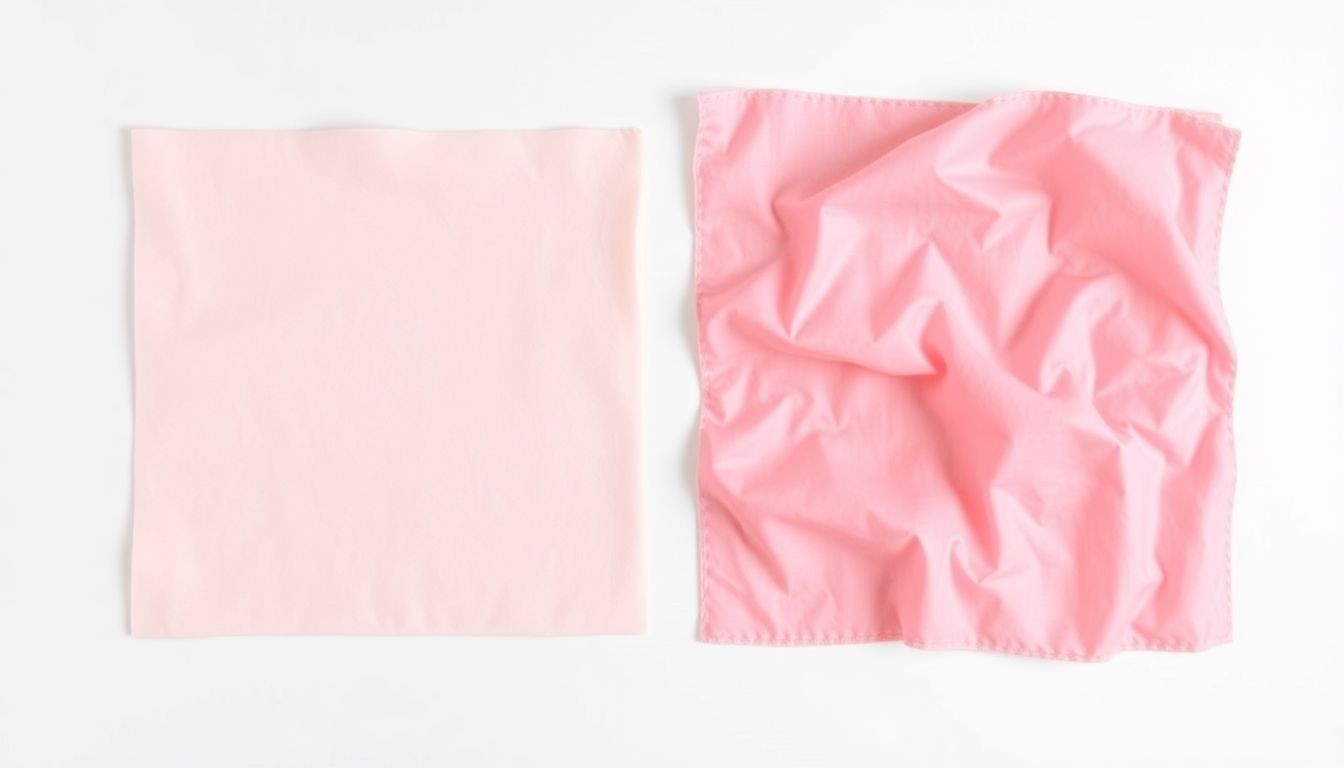
Polyester cannot be reliably shrunk using conventional home laundry methods. Polyester is a thermoplastic fiber whose structure was permanently set during manufacturing by heat at 130–200°C. Temperatures below 60°C do not affect polyester’s dimensions. Temperatures above 60–70°C do not shrink polyester uniformly — they distort it irregularly, causing permanent shape loss rather than a clean size reduction.
Why Polyester Cannot Be Shrunk at Home
Polyester — specifically PET (polyethylene terephthalate) — belongs to a class of synthetic fibers classified as thermoplastic polymers. During the heat-setting process, polyester fibers are heat-set at temperatures ranging from 130–200°C. This permanently establishes the molecular structure and dimensions of the fiber [1].
The glass transition temperature (Tg) of PET is approximately 67–70°C (155–160°F) [1]. Below this temperature, the polymer chains are frozen in place, and the fiber maintains its manufactured dimensions. Water at any conventional laundry temperature — even the hottest wash cycle at 90°C — remains well below the temperatures used during industrial heat-setting.
This differs fundamentally from natural fibers like cotton, which respond to heat and moisture through different molecular mechanisms. Cotton undergoes relaxation shrinkage when exposed to hot water and tumbling. Polyester’s molecular structure was locked in place during production and cannot be reset by home laundry conditions. Conventional shrinking methods — hot washes, warm tumble drying, steam treatments — have no meaningful or predictable effect on 100% polyester fabric.
What High Heat Does to Polyester Fabric
When polyester is exposed to temperatures approaching or exceeding its glass transition temperature of 67–70°C, the polymer chains become mobile. This mobility does not produce uniform, controlled shrinkage. Instead, the result is irregular distortion.
The fabric may warp, pull, or develop permanent creases in an unpredictable pattern. The distorted areas are not smaller — they are simply misshapen. This damage is irreversible through home methods and cannot be corrected by re-washing or further treatment.
High heat damage on polyester produces visible effects:
- A melted or glazed appearance on the fabric surface
- An uneven, shiny finish where the polymer has solidified in a deformed state
- Twisted or puckered seams
- Permanent creases that cannot be pressed out
Shrinkage means the fabric becomes uniformly smaller in a controlled manner. Heat damage means the fabric becomes permanently and unevenly deformed — an entirely different problem that makes the garment unwearable rather than better fitting.
Can You Shrink Polyester-Cotton Blends?
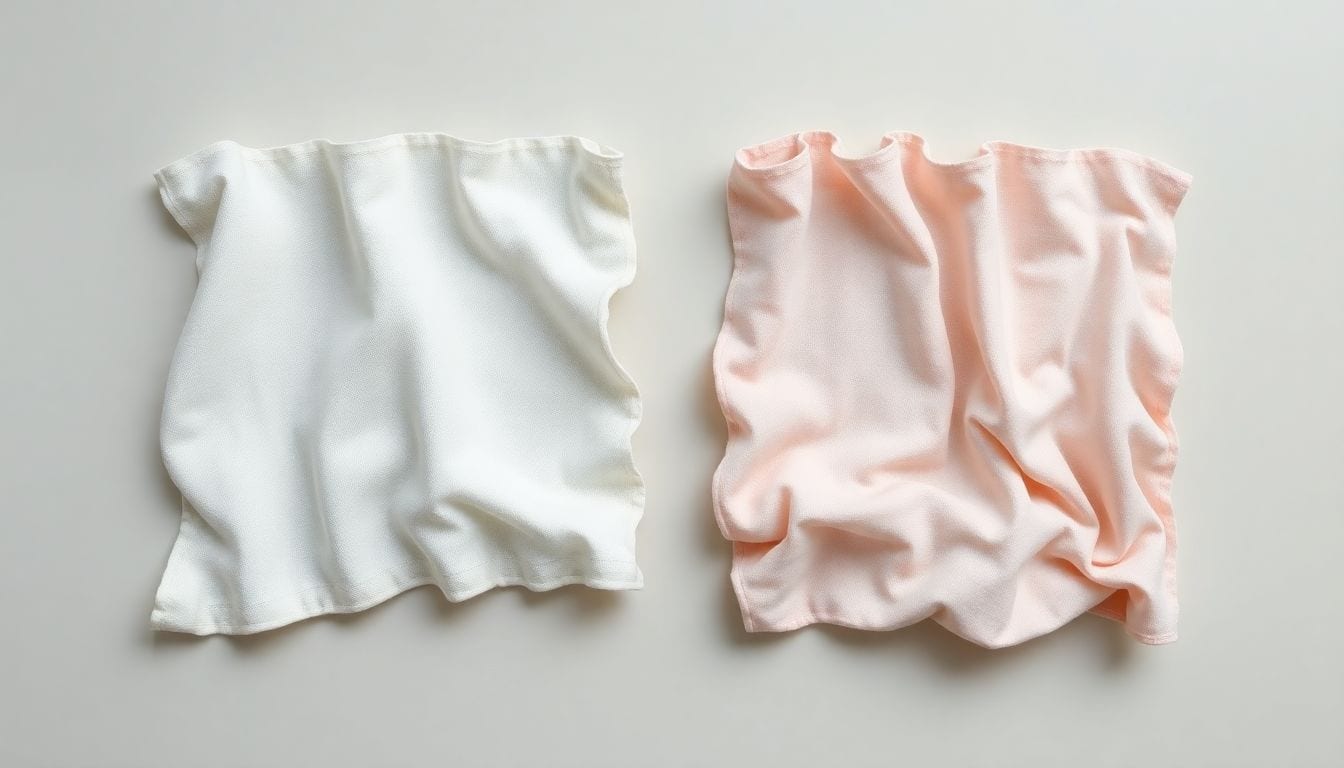
A polyester-cotton blend contains both fiber types, each responding differently to heat and moisture. The cotton component behaves like standard cotton and will shrink when exposed to hot water and tumbling [2]. The polyester component anchors the structure and prevents uncontrolled shrinkage.
The shrinkage of a blend is proportional to the cotton content. Industry testing indicates the following approximate shrinkage behavior [3]:
| Blend Composition | Expected Shrinkage (Hot Wash + Tumble Dry) | vs. 100% Cotton |
|---|---|---|
| 65/35 Polyester-Cotton | 2–3% | ~30% of cotton shrinkage |
| 60/40 Polyester-Cotton | 2–4% | ~40% of cotton shrinkage |
| 50/50 Polyester-Cotton | 2–4% | ~45% of cotton shrinkage |
| 35/65 Polyester-Cotton | 3–5% | ~55% of cotton shrinkage |
For context, 100% cotton typically shrinks 5–8% on first hot wash and may continue to shrink additional 1–3% over subsequent washes [2]. A standard 50/50 poly-cotton T-shirt will shrink approximately 2–4% in a hot wash followed by high-heat tumble drying — roughly half the shrinkage of its 100% cotton equivalent.
The polyester component in the blend provides dimensional stability that cotton alone cannot offer. This is why many performance wear, workwear, and commercial linen items use polyester-cotton blends — the polyester anchors the fabric and limits shrinkage to predictable, manageable levels.
Methods That May Affect Polyester Dimensions
If you have a polyester-cotton blend and want to encourage controlled shrinkage, or if you are willing to accept the risk of minor distortion on 100% polyester, the following methods represent the best available options — with clear understanding of their limitations.
Hot Dryer on High Heat
A prolonged high-heat tumble dry cycle represents the most aggressive conventional treatment available. For 100% polyester, expect minimal dimension change with a real risk of localized distortion in some fabric constructions — particularly in knitted polyester where the stitch structure is more susceptible to heat deformation.
For polyester-cotton blends, the cotton component will respond to the heat and tumbling, producing 2–4% shrinkage as outlined in the table above. This may translate to roughly one half to full size reduction in a T-shirt or similar garment, though the exact amount varies based on the blend ratio, fabric weight, and construction.
The primary limitation is unpredictability: results vary significantly between garments, and you cannot control where or how uniformly the shrinkage occurs. Warping, twisting, and uneven distortion remain genuine risks even with blends.
Steam Iron (For Pressing to Shape)
A steam iron applies very localized heat and moisture to specific areas of the fabric. In some knit polyester constructions — particularly lighter-weight knits used in athletic wear and casual shirts — this localized heat application can produce minor dimensional changes in specific zones (such as a hem or collar).
The risk is significant: without a pressing cloth between the iron and the polyester surface, direct heat can cause glazing — a permanent shiny appearance where the fiber surface has melted and re-solidified under pressure. This damage is irreversible and often makes the affected area more visible and less smooth than the surrounding fabric.
Use this method only on hidden areas (inner collar, inside hem) and always with a pressing cloth. Even then, expect subtle results at best.
Alternatives to Shrinking Polyester
Because polyester cannot be reliably shrunk through home methods, the following alternatives provide more predictable results for achieving a better fit:
- Professional tailoring: A skilled tailor can take in a polyester garment at the seams, reducing the overall circumference and improving the fit. Professional tailoring is the most reliable method for achieving a custom fit on any garment, regardless of fiber content.
- Heat transfer tape: For hem adjustments on polyester garments, heat-activated hem tape provides a no-sew solution for minor length adjustments. The tape bonds to the fabric when activated by an iron, allowing temporary or semi-permanent hem fixes.
- Exchange or return: If the garment was recently purchased, returning it for a smaller size or exchanging it remains the most effective option for achieving proper fit without compromising the fabric’s appearance.
- Layer underneath: For tops and shirts, layering a fitted undergarment beneath an oversized polyester garment can create the appearance of a more fitted silhouette without altering the outer garment at all.
Polyester was engineered for dimensional stability — which is a feature, not a flaw. Polyester resists wrinkles, holds its shape through repeated laundering, and maintains its dimensions regardless of conditions [4]. The same properties that make it durable and low-maintenance are precisely what prevent it from shrinking predictably. For fabric care fundamentals and other textile maintenance guidance, explore the TextileTuts guides section.
Frequently Asked Questions
Can you shrink 100% polyester in the dryer?
No. High dryer heat risks permanently distorting the fabric rather than causing uniform shrinkage. 100% polyester should be treated as non-shrinkable.
How do you shrink a polyester shirt without ruining it?
You cannot meaningfully shrink 100% polyester without risk of damage. For minor adjustments, a tailor is a better option. For polyester-cotton blends, high heat achieves limited (1–3%) controlled shrinkage from the cotton component.
Can polyester shrink 1 size?
No for 100% polyester. For a 50/50 poly-cotton blend, a hot wash + high dryer cycle can produce 1–1.5 size reduction from the cotton component.
References
- [1] ScienceDirect. (n.d.). Thermal Properties of Polyethylene Terephthalate. Elsevier B.V. Retrieved from https://www.sciencedirect.com
- [2] Cotton Incorporated. (n.d.). Polyester Fiber Properties. Cotton Works. Retrieved from https://www.cottonworks.com
- [3] American Association of Textile Chemists and Colorists (AATCC). (n.d.). Test Method for Dimensional Change. Retrieved from https://www.aatcc.org
- [4] Textile Exchange. (n.d.). Polyester Fiber Market. Retrieved from https://www.textileexchange.org
About the Author
This guide was prepared by the TextileTuts editorial team. For more information about fabric science and textile care, visit our guides section.


