
Does Zara Clothing Shrink? How to Care for Zara Items

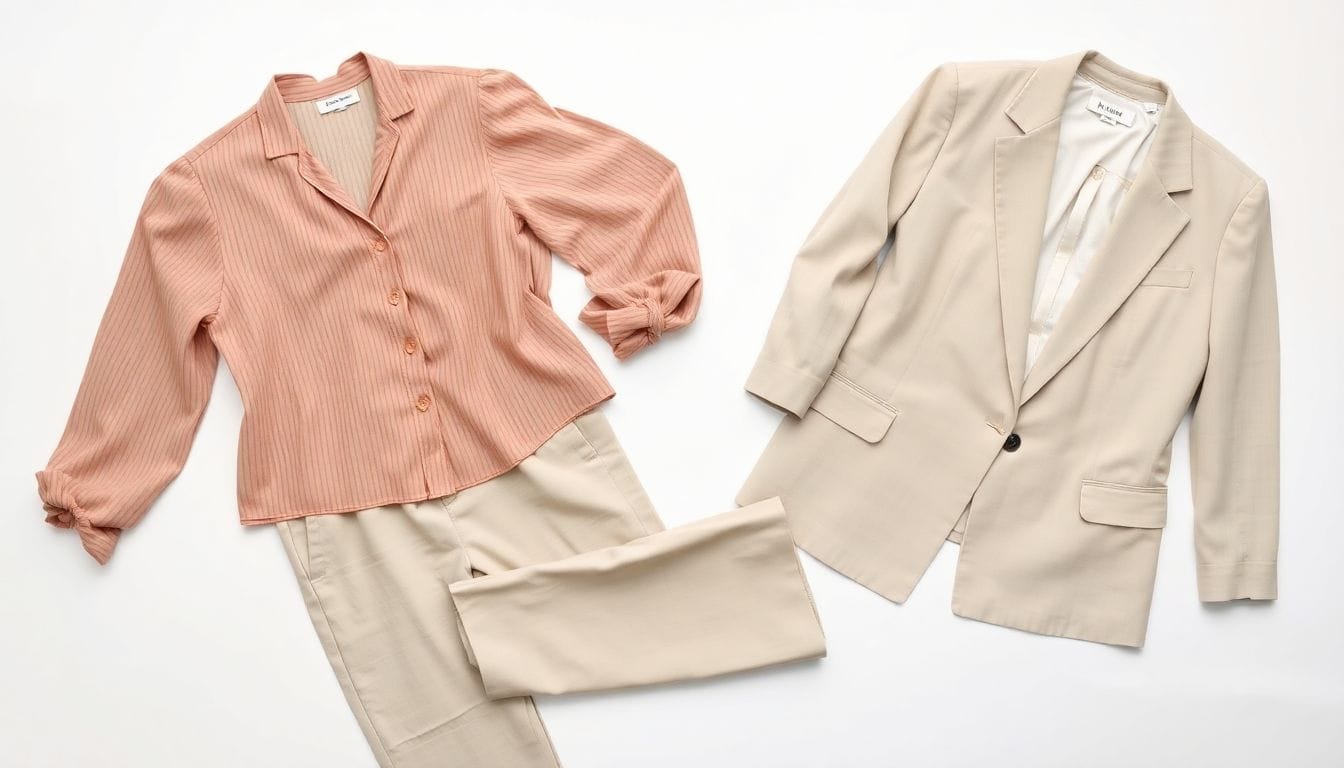
Zara clothing shrinks at rates determined by its fabric composition, but Zara uses notably more viscose, rayon, and linen in their collections than brands like H&M — meaning their items have a higher-than-average shrinkage risk compared to pure-cotton brands. Zara viscose items can shrink 5–10% in warm water; their linen pieces 3–6%; and their cotton basics 4–7%.
As an Inditex-owned brand, Zara positions itself slightly above standard fast fashion in quality and material diversity. That positioning comes with a trade-off: a significantly higher proportion of man-made cellulosic fibers and natural blends that behave very differently from the easy-care polycotton that dominates lower-tier high street retail. Understanding which Zara fabrics are shrinkage risks — and how to handle them — means the difference between a garment that lasts three seasons and one that is unwearable after two washes.
Zara’s Fabric Profile: More Viscose Than Most
Walk into any Zara store and run your hand across the women’s blouses, dresses, and tailored trousers and the difference is immediately apparent. Where H&M and Primark stock heavily polyester-dominated lines, Zara leans into viscose, rayon, and linen — fabrics prized for their drape, breathability, and luxurious hand feel, but notorious for their sensitivity to heat, agitation, and moisture.
Zara’s core fabric risk categories include:
- Viscose and rayon blouses — the backbone of Zara’s women’s collections. These are classified as man-made cellulosic fibers and can absorb up to twice their weight in water, making them highly prone to distortion and shrinkage when agitated in warm water. For a complete guide on how viscose behaves when washed, see our detailed breakdown.
- Linen and linen-cotton blend trousers — Zara stocks a deep range of linen trousers and flowy pants. Linen is a natural fiber with moderate shrinkage potential, amplified when blended with cotton. If you’re wondering whether linen shrinks in the wash, the answer is yes — here’s what you need to know.
- Cotton knitwear and jersey basics — Zara’s TRF (TRF is Zara’s younger, trendier sub-brand) and core collections include cotton joggers, t-shirts, and lightweight knitwear that behave more predictably but still carry real shrinkage risk. Understanding how cotton shrinks helps you size appropriately.
- Silk-look polyester and structured wool blends — formal blazers, tailored suits, and winter coats use synthetic and wool blend constructions that resist shrinkage but require different care (dry clean or delicate cycles).
The key insight for any Zara shopper is this: before you buy, always read the fiber content label and the care symbol block. Zara’s higher-end material choices are precisely what give the garments their quality feel — but they demand more careful laundering than the poly-cotton workhorses that dominate cheaper fast fashion.
Shrinkage by Zara Fabric Type
The table below summarises expected dimensional change across Zara’s most common fabric types, based on standard test conditions simulating warm-water machine washing at 40–60°C (104–140°F) [ASTM D1603]. These figures represent first-wash shrinkage; subsequent washes typically produce minimal additional change.
| Fabric Type | Expected Shrinkage | Key Risk Factor | Recommended Care |
|---|---|---|---|
| Viscose / Rayon | 5–10% | High moisture absorption; fiber swelling and distortion | Hand wash cold; lay flat to dry |
| Linen | 3–6% | Relaxation shrinkage in first wash | Machine wash cold gentle; line dry |
| Linen–Cotton Blend | 4–7% | Both fibers react; cotton amplifies linen shrinkage | Machine wash cold gentle; line dry |
| Cotton Jersey / Basics | 4–7% | Combination shrinkage (relaxation + felting) | Machine wash cold; tumble dry low |
| Polyester / Polyester Blends | <2% | Heat-set fibers; minimal shrinkage | Machine wash warm or cold; tumble dry low |
| Linen–Viscose Blend | 5–10% | Treat as viscose — most sensitive fiber governs | Hand wash cold; lay flat to dry |
Zara Viscose/Rayon Items (Very Common in Women’s Collections)
Viscose — also called rayon when used in textile applications — is the fibre that causes the most dramatic shrinkage complaints in Zara clothing. Made from wood pulp (typically beech or eucalyptus) processed through a chemical solvent system, viscose has a molecular structure that absorbs water avidly and swells unevenly when agitated.
When you machine wash a Zara viscose blouse in warm or hot water, the fibers swell by 30–50% in all directions — but because the yarn twist constrains this swelling, the fabric typically contracts along its length and width instead. The result: a blouse that fit perfectly at purchase and emerges from a 40°C wash as much as two sizes smaller, with permanent creasing and distortion that cannot be smoothed back out.
Almost all Zara viscose items carry care labels specifying either hand wash only or dry clean only. The dry-clean-only label is often applied as a precaution even when the garment would survive gentle hand washing — but this is a signal that the brand itself considers the fabric unstable in conventional laundering. Treat it accordingly.
Care protocol for Zara viscose: Fill a basin with cold water, add a gentle liquid detergent, submerge the garment and let it soak for 15–20 minutes without agitating. Rinse in cold water, then do not wring — instead, press the water out gently with your palms. Lay flat on a clean towel, reshape, and allow to air dry completely before wearing or storing. For more detailed instructions on hand washing delicate fabrics like viscose, follow our step-by-step guide.
Zara Linen and Linen-Cotton Blends
Zara’s linen offerings — especially their wide-leg trousers, relaxed-fit shirts, and summer dresses — are perennial bestsellers. Linen is a bast fiber drawn from the flax plant, and like all natural fibers it has a moisture regain of 8–12%, meaning it absorbs significant water and relaxes when wet. First-wash shrinkage of 3–6% is normal and expected.
The challenge with Zara’s linen-cotton blends is that both fibers shrink at different rates, which can cause the fabric to distort — particularly in fitted garments. Cotton typically shrinks more than linen on first wash, so in a 55/45 linen-cotton blend, the cotton component pulls harder than the linen, creating tension in the fabric that shows as warping or twisting.
Pre-washing linen before wearing: If you buy Zara linen trousers and want them to maintain their fitted appearance rather than shrinking into the fit of the first wash, pre-wash them before wearing. Use a cold gentle machine cycle or hand wash, then line dry. The first shrinkage will occur on your terms rather than during an important occasion.
Care protocol for Zara linen and linen-cotton blends: Machine wash cold on a gentle or delicate cycle. Use a minimal spin speed (400 rpm or below) to reduce mechanical stress. Line dry in shade — direct sunlight can cause linen to yellow and degrade. Iron while still slightly damp using a medium-high heat setting (linen tolerates high heat well).
Zara Cotton Basics and Knitwear
Zara’s core cotton basics — the jersey tops, cotton joggers, and lightweight knitwear found across all Zara lines — are among the most predictable items in terms of shrinkage behaviour. Pure cotton has well-documented shrinkage of 4–7% in warm water, stabilising after 3–5 washes [Cotton Incorporated].
Cotton shrinks via two mechanisms: relaxation shrinkage (the fabric releasing tensions introduced during weaving and finishing) and progressive felting shrinkage (in heavier knit constructions, the fibers gradually mat together with repeated hot washing). Zara’s cotton knits are typically medium weight and not heavily finished, so progressive felting is less of an issue than in heavy sweatshirt fleece — but warm washing still produces measurable first-wash shrinkage.
Care protocol for Zara cotton basics: Machine wash cold on a normal cycle. If the garment is new, use a mesh laundry bag for the first two washes to contain any loose fibers and prevent colour migration. Tumble dry on low heat — high heat accelerates both shrinkage and pilling in cotton knits. Remove promptly to minimise wrinkling.
Zara Polyester (Suits, Formal Items)
Zara’s formal lines — tailored blazers, suit trousers, and structured dresses — rely heavily on polyester and polyester-blend constructions. Polyester is a heat-set synthetic fiber: during manufacturing, the fibres are stretched and set at high temperature, giving them dimensional stability that survives subsequent laundering.
Shrinkage in Zara polyester garments is typically below 2% even in warm washing, and often less than 0.5% if washed at 30–40°C. The greater risk to Zara’s polyester formal wear is chemical damage from dry cleaning solvents (perchloroethylene can degrade certain dye and finish treatments) and mechanical stress from aggressive dry-cleaning agitation — not shrinkage.
Care protocol for Zara polyester: Check the label. If it says machine washable (many Zara polyester blouses and lined trousers are), wash at 30–40°C with a gentle detergent. If it specifies dry clean only, look for a ‘green’ or wet-cleaning dry cleaner who avoids perchloroethylene. Never tumble dry polyester at high heat — the fibres can re-soften and cause permanent creasing.
Zara Linen-Viscose Blends (Frequently Used)
One of Zara’s most common and most problematic fabric combinations is the linen-viscose blend, found in flowy summer blouses, relaxed trousers, and transitional jackets. Both linen and viscose are shrinkage-prone, but through different mechanisms and at different rates — combining them creates a fabric where the shrinkage response is unpredictable and often amplified.
When in doubt about a Zara linen-viscose blend, treat it as pure viscose: cold hand wash, no agitation, lay flat to dry. The linen component tolerates more mechanical handling but the viscose component does not — and since viscose shrinkage is both larger (5–10%) and permanent, it is the controlling fibre in this blend.
Why Zara Viscose Items Are a Shrinkage Trap
The most common complaint in Zara customer reviews — and in garment alteration forums — is the dramatic, seemingly inexplicable shrinkage of viscose blouses and dresses after their first or second wash. This is not random bad luck. It is a predictable consequence of a specific combination of factors that Zara’s manufacturing model creates.
The shrinkage trap works like this:
- The care label says “hand wash” or “dry clean only” — indicating the fabric is unstable in conventional laundering
- The price point (€35–€55 for a blouse) makes the “hand wash and lay flat to dry” routine feel like excessive effort for a fast-fashion garment
- The garment looks and feels like it can handle a machine wash — it is smooth, has a luxurious drape, and looks well-made
- A warm machine wash (even at 30–40°C) triggers the fiber swelling that causes 5–10% shrinkage in all directions
- The result: a blouse that fits a size 10 body before washing and a size 6–8 after
The solution is not complicated, but it requires a mindset shift: read the fibre content label before you buy, not just the care label. If you see “100% Viscose” or “Viscose” as the dominant fibre, factor in the hand-wash routine before purchasing. Zara’s garments are not “cheap” by fast-fashion standards — the fabric quality justifies the price — but only if you protect that fabric with appropriate care.
Frequently Asked Questions
Do Zara linen pants shrink?
Yes — Zara linen trousers typically shrink 3–5% in the first wash. Cold machine wash on gentle reduces shrinkage to 1–2%. Always buy linen pants slightly longer than desired length to account for shrinkage. Pre-washing before wearing is recommended if you want to lock in the fit on your terms rather than risk unexpected contraction during an important occasion.
Why did my Zara blouse shrink so much?
Many Zara blouses are made from viscose or viscose blends, which shrink 5–10% in warm water. If the care label says “hand wash” and you machine washed it, this explains the significant size reduction. Viscose absorbs up to twice its weight in water and swells dramatically when agitated in warm conditions — the dimensional change is permanent and cannot be reversed by stretching or reshaping.
Does Zara run small or large?
Zara sizing tends to run slightly smaller than average UK/US sizing to begin with. Combined with potential shrinkage in viscose or cotton items, buying one size up is often recommended for cotton and viscose pieces. This is especially important for fitted garments — a size that feels comfortable in the fitting room may become unwearable after the first wash if the fabric is a shrinkage-prone composition.
For a comprehensive overview of fabric care best practices across all fabric types, including shrinkage prevention techniques, browse our complete fabric care guide.
Last updated: May 2026References
- American Society for Testing and Materials. (n.d.). ASTM D1603: Standard Test Method for Dimensional Change of Fabrics After Laundering. ASTM International. https://www.astm.org/d1603-standard-test-method-for-dimensional-change.html
- International Organization for Standardization. (2008). ISO 3759: Textiles — Preparation, Marking and Measuring of Fabric Specimens and Garments for Tests Relating to Dimensional Change. ISO. https://www.iso.org/standard/33409.html
- Cotton Incorporated. (n.d.). Shrinkage Control in Cotton Textiles. Retrieved from cottonworks.com. https://cottonworks.com/
- International Wool Textile Organisation. (n.d.). Shrinkage Resistance of Wool and Blended Fabrics. Retrieved from iwto.org. https://www.iwto.org/
- Textile Exchange. (n.d.). Fiber Market Intelligence — Viscose and Lyocell. Retrieved from textileexchange.org. https://textileexchange.org/


