
Does Denim Shrink? How Much Jeans Shrink (and How to Unshrink)

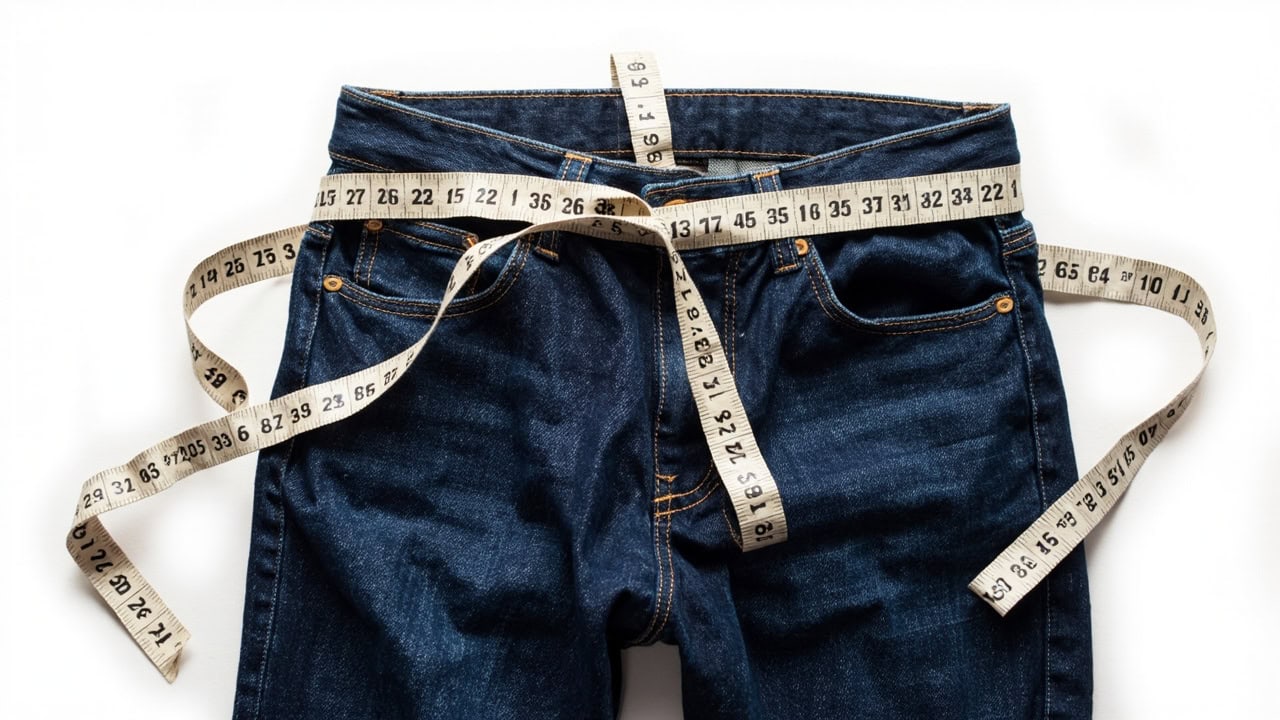
Denim shrinks 3–10% in the first wash — more if raw/unwashed, less if pre-washed. Raw denim (selvedge) is specifically sold slightly oversized because it is expected to shrink and then mold to the wearer’s body shape, while pre-washed denim has already undergone most of its shrinkage during industrial processing. The key question when buying jeans is always: has this denim already been washed?
Raw Denim vs. Pre-Washed Denim: The Critical Difference
The denim aisle presents two fundamentally different materials, and confusing them is the single most common reason jeans end up the wrong size. Understanding the distinction between raw and pre-washed denim determines everything from how you buy to how you care for your jeans.
Raw Denim (Unwashed / Selvedge)
Raw denim — also called selvedge denim when woven on vintage shuttle looms — is never washed after weaving. It is sold in its original “dry” state, exactly as it comes off the loom. Because raw denim retains its full natural shrinkage potential, it shrinks significantly — 8–10% or more — in its first wash. Manufacturers of raw denim knowingly size their garments oversized: buyers are expected to choose 1–2 waist sizes larger than their true measurement. After breaking in and the first wash, the denim shapes to the wearer’s body contours in a process raw denim enthusiasts call “breaking in” the jeans. The longer you wait to wash raw denim, the more defined and personalized the fading patterns (honeycombs, whisker lines, and stacks) become.
Pre-Washed Denim
Pre-washed denim has already been through industrial washing during manufacturing. Factories use enzyme washing, stone washing, or simply machine washing to pre-shrink and soften the fabric before it reaches the retail floor. Because most of the potential shrinkage has already occurred in production, pre-washed denim exhibits only 1–3% residual shrinkage when you wash it at home. This is the standard for most high-street retail brands including H&M, Levi’s standard lines, Gap, and Zara. Pre-washed jeans fit predictably and require no special sizing adjustment.
Sanforized Denim
Sanforization is a mechanical pre-shrinking process developed by Sanford Cluett in 1930. The fabric is stretched, steamed, and compressed to stabilize it. Sanforized denim is labeled as such and carries a ≤1% residual shrinkage guarantee — meaning the fabric has effectively been pre-shrunk to the point where further washing causes negligible dimensional change. Many raw denim brands now offer sanforized versions of their raw denim to give buyers the option of consistent sizing with the authentic fading experience.
How Much Do Jeans Shrink?
The exact shrinkage depends on the denim type, the washing temperature, and whether a dryer is used. The table below summarizes typical dimensional change after the first wash under normal warm-water conditions (40°C / 104°F).
| Denim Type | First Wash Shrinkage | After Break-In |
|---|---|---|
| Raw (unsanforized) | 8–10% | Stabilizes after 2–3 washes |
| Raw (sanforized) | 1–3% | Minimal further change |
| Pre-washed retail | 1–3% | Very stable |
| Pre-washed + pre-shrunk | <1% | Essentially none |
Where on the Jeans Does Shrinkage Occur?
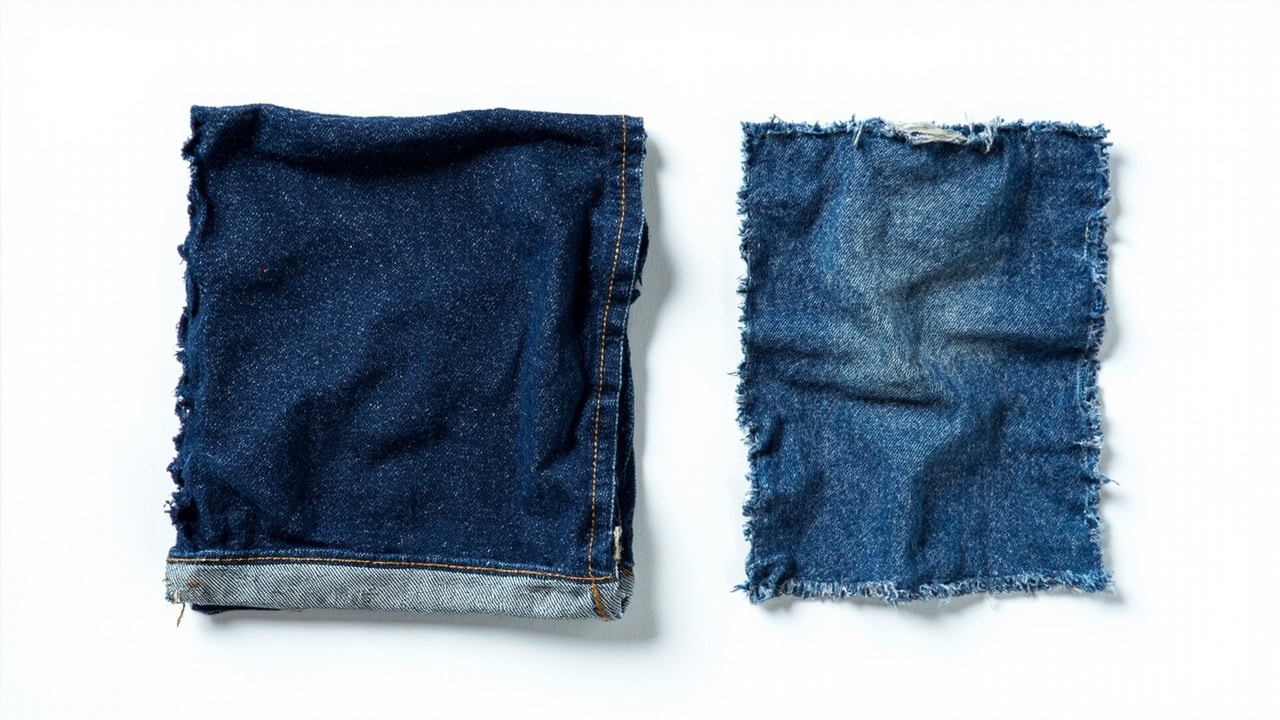
Shrinkage is not distributed evenly across the garment. Understanding which areas contract most helps you anticipate fit changes and make better sizing decisions.
- Inseam (length): Shrinks the most — raw denim typically loses 3–6% of inseam length in the first wash. A 32-inch inseam can shorten by 1–2 inches.
- Waist circumference: 2–4% reduction in raw denim. The waistband contracts but tends to stretch back more easily with wear than the length.
- Thighs and seat: Minor shrinkage — typically 1–3% in raw denim. These areas are more loosely woven and experience less directional tension during finishing.
- Waistband: Shrinks but is often reinforced with interior banding that resists full contraction.
The lengthwise (vertical) shrinkage in the inseam consistently exceeds the widthwise (horizontal) shrinkage in the waist because the warp yarns — which run vertically — are under greater tension during the sanforization or finishing process and pull more tightly when wetted and dried.
How to Control Denim Shrinkage
Whether you want to minimize shrinkage or deliberately induce it, the temperature of your wash and dry cycle is the primary control variable.
To Minimize Shrinkage
- Wash in cold water (30°C / 86°F or below) on the shortest gentle cycle
- Turn jeans inside out to reduce abrasion on the outer face
- Use a mild liquid detergent without bleach or brightening agents
- Hang dry flat or line dry — never use a tumble dryer
- If line drying in sunlight, avoid prolonged exposure to prevent UV-assisted fading
To Intentionally Shrink Jeans
- Wash in hot water at 60°C (140°F) — this is the most effective single variable for accelerating shrinkage
- Tumble dry on medium-high heat (approximately 65°C / 150°F)
- Repeat the hot wash + dry cycle for maximum contraction on raw denim
To Shrink the Waist Without Affecting Length
If the waistband is too loose but the length is acceptable, focus heat and agitation on the upper portion of the jeans. Soak only the waistband in warm water (40°C), apply gentle hand agitation, and dry the jeans flat with the legs extended. For a more targeted approach, read our full guide on how to shrink jeans without washing using targeted heat and stretching techniques.
For Raw Denim: Brand-Specific First Wash
Some premium raw denim brands — particularly Japanese selvedge producers like Japan Blue, Momotaro, and Tanuki — publish specific first-wash protocols. These may include submerging the jeans in a warm bath while wearing them to shape the denim to your body’s exact measurements, or recommending a initial hand-wash with no detergent to set the dye before regular laundering. Always check the manufacturer’s care sheet before your first wash.
Unshrinking Jeans
If your jeans have already shrunk and the fit is too tight, denim’s natural relaxation stretch offers a path to recovery — but the window of opportunity and the techniques differ depending on which part of the garment has contracted.
Waistband and Width Shrinkage
- Wear the jeans while slightly damp — body heat and movement will gradually stretch the waistband back out
- Use a jeans stretcher: a dual-ended wood-and-wire tool inserted into the waistband and cranked outward to apply consistent radial pressure
- Lay the jeans flat, dampen the waistband, and stuff with a wooden board or rolled towel overnight
Inseam (Length) Shrinkage
- Soak in warm water (40°C) with a fabric conditioner for 30 minutes — the conditioner relaxes the cotton fibers
- While still wet, gently stretch the inseam along its length by pulling from the leg opening and the waistband simultaneously
- Clamp the stretched jeans to a drying board, using clothespins or straps at both ends to hold the length while drying
- Do not wring or twist — twisting creates torque that distorts the leg shape
For a complete step-by-step walkthrough of the inseam unshrinking process, see our dedicated guide on how to unshrink jeans after washing.
Does Denim Stretch Back Out After Shrinking?
Yes — and this is one of denim’s most practical performance characteristics. Relaxation shrinkage is the phenomenon where cotton fibers that have contracted under heat and moisture gradually relax and extend when worn under normal body loads. Most jeans that feel tight across the waist or length after washing will relax back to a comfortable fit within 1–3 hours of active wear. This “wear-stretch” is why raw denim enthusiasts prefer to wear jeans in rather than washing frequently — each wear cycle both shapes the fabric to the body and gently stretches it back toward its original dimensions.
The stretch-back amount varies by weave construction and by how much the fabric was agitated during washing. Heavily stone-washed or heavily distressed denim regains width more readily because the finishing process breaks down some of the fiber-to-fiber friction. Tightly woven unsanforized denim retains more of its “reset” shape after washing and requires more wear time to stretch back.
Denim Care Beyond Shrinkage: Color Preservation
Managing shrinkage is only half of denim care. Indigo is a vat dye — unlike direct dyes that penetrate the fiber core, indigo bonds to the outer surface of each cotton yarn in a process called “ring-dyeing.” The yarn’s interior remains white or cream-colored; only the surface carries the deep blue. This is what gives denim its distinctive fading character, but it also means every wash action — mechanical agitation, detergent chemistry, temperature — physically removes indigo particles from the fiber surface.
- Cold water only: Hot water accelerates both shrinkage and dye loss. Keep washing temperature below 30°C (86°F) to preserve indigo density.
- Inside out, always: The inner face of the denim rubs against the outer face as it tumbles. Turning jeans inside out places that abrasion against the less-visible inside surface.
- Wash less frequently: Each wash removes measurable indigo. Raw denim purists wash only every 40–60 wears. Even for everyday pre-washed denim, washing every 5–10 wears significantly extends color vibrancy.
- White vinegar in the first wash: A half-cup of white vinegar added to the wash water helps set loose indigo and reduces bleeding in subsequent washes. Do not use bleach — bleach destroys indigo by oxidation, creating irreversible yellowing and streaking.
- Liquid detergent over powder: Powdered detergents contain surfactants that act as mild abrasives; liquid detergents are gentler on the fiber surface and cause less mechanical dye removal.
For a complete guide to denim washing including temperature presets, frequency schedules, and inside-out techniques, read our full how to wash denim jeans: temperature, frequency, inside-out guide.
Frequently Asked Questions
Q: How much do Levi’s jeans shrink?
A: Most Levi’s sold at retail are pre-washed and will shrink only 1–3% in the first wash. The iconic Levi’s 501 in “shrink-to-fit” (STF) variant is raw/unsanforized denim that shrinks 8–10% and is sold deliberately oversized.
Q: Should you buy jeans a size up to account for shrinkage?
A: For pre-washed jeans: no — they have minimal residual shrinkage. For raw/unsanforized denim: typically size up 1–2 waist sizes and 2–4 inches in inseam length.
Q: Do jeans shrink more in the waist or length?
A: Length (inseam) typically shrinks more than waist circumference in raw denim — often 3–6% in length vs. 2–4% in waist.
Q: Do jeans shrink in the dryer?
A: Yes — dryers accelerate denim shrinkage significantly more than washing alone. For a one-size shrinkage effect, wash in warm water and dry on medium heat. For no shrinkage, always air dry.
References
- Sanford Cluett. (1930). Sanforization Process Patent US 1,756,213. U.S. Patent Office.
- Levi Strauss & Co. (2024). Fit & Size Guide — 501 Shrink-To-Fit. levistrauss.com
- Cotton Incorporated. (2024). Cotton Fabric Care Guidelines. cottonworks.com
- Woolmark Company. (2024). Garment Finishing and Pre-Shrinking Standards. woolmark.com
- Indigo Historical Society. (2023). The Chemistry of Indigo Dyeing: Vat Dye Processes and Fiber Bonding. indigodye.com


