
Does Patagonia Shrink? Care Guide for Patagonia Outdoor Gear

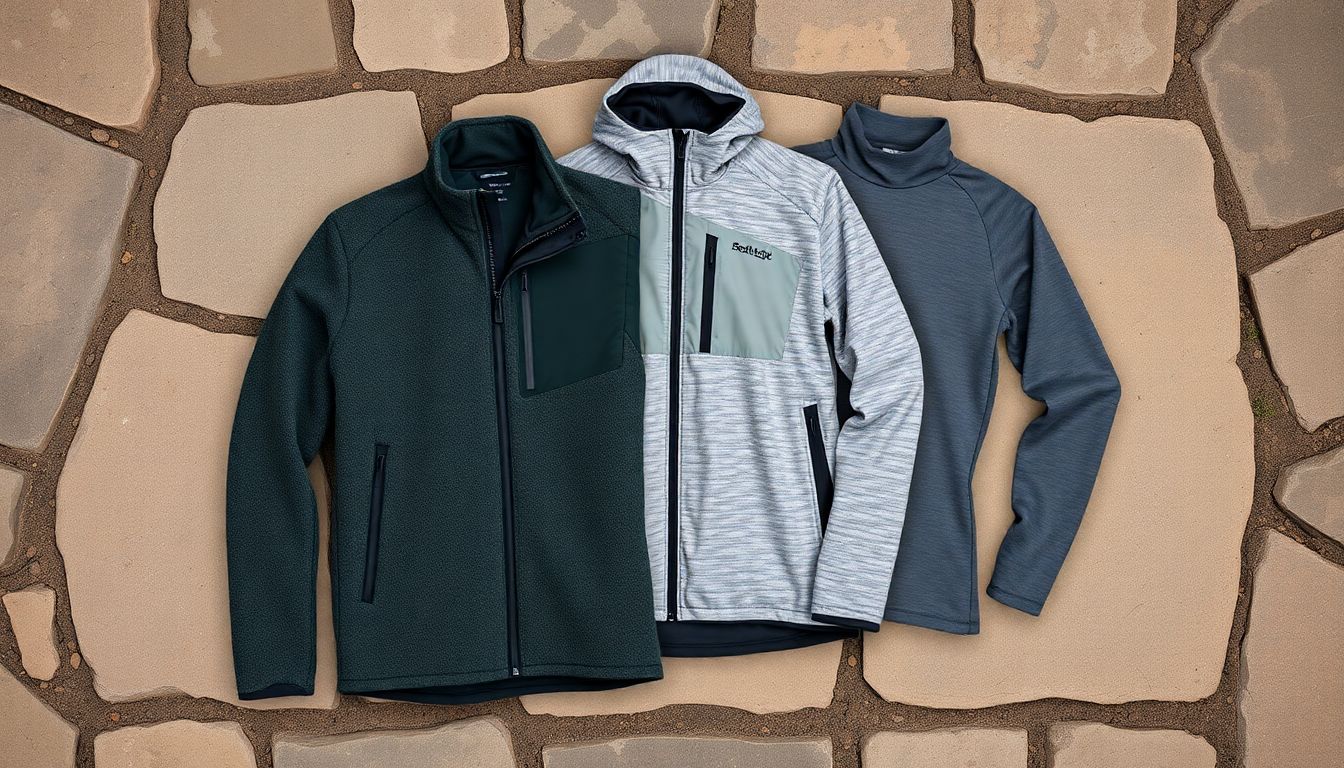
Patagonia’s core products — fleece, shell jackets, insulated pieces, and performance base layers — use primarily recycled polyester and nylon, which have minimal shrinkage risk. Their Capilene wool base layers and Baggies with cotton fabric components are the only items with meaningful shrinkage risk. Understanding Patagonia’s fabric choices by product line is the key to proper care.
Patagonia’s Fabric Philosophy and What It Means for Shrinkage
Patagonia’s shift to recycled synthetic fibers means most garments are highly shrink-resistant. Only merino wool and cotton-blend items require special care to prevent shrinkage. The company’s move to rPET (recycled polyethylene terephthalate, commonly called recycled polyester) and recycled nylon across their product line delivers dimensional stability that holds up wash after wash.
Patagonia is committed to recycled materials — primarily rPET and recycled nylon. As of Spring 2026, Patagonia achieved 94% recycled polyester by weight across their product line, certified under the Global Recycled Standard (GRS) and Recycled Claim Standard (RCS). This shift away from virgin synthetic fibers carries significant environmental benefits: semi-mechanically recycled polyester avoids 50% of CO₂e emissions compared to virgin polyester production, while reducing reliance on petroleum and utilizing post-consumer plastic waste.
From a shrinkage standpoint, this material philosophy is excellent news. rPET retains every performance advantage of virgin polyester — it is heat-set during manufacturing, which locks in dimensional stability. Polyester is inherently shrink-resistant across all wash temperatures encountered in home laundry. Most Patagonia items are engineered for performance fabric stability, meaning they hold their original dimensions wash after wash.
There are two meaningful exceptions where shrinkage requires attention: merino wool products (Capilene Thermal, Capilene Air) follow standard wool care rules, and any cotton or cotton-blend products — rare in the Patagonia line but present in Work Wear and Stand Up Pants — behave like conventional cotton under heat and moisture.
Patagonia Product Line: Shrinkage by Category
Fleece (Synchilla, R1, R2, Better Sweater)
Patagonia’s fleece lineup is built around Synchilla fleece — a 100% recycled polyester pile fabric — and polyester-blend constructions in the R-series (R1, R2). Shrinkage risk is VERY LOW. Polyester is heat-set and dimensionally stable; it does not contract when exposed to warm water or typical wash cycles.
Correct care for Patagonia fleece:
- Machine wash cold, gentle cycle
- Use mild detergent — no fabric softener, which coats polyester fibers and reduces breathability
- Avoid high-heat dryer settings — excessive heat can affect the pile texture and surface appearance
- After washing, tumble dry on low heat for 20 minutes to refresh the fleece’s loft
One specific care note for DWR-coated fleece: high dryer heat can actually reactivate the Durable Water Repellent finish, restoring its water-shedding properties. Run the dryer on low for approximately 20 minutes after washing to take advantage of this heat-activation effect.
Shell Jackets (Torrentshell, Nano Puff, Down Sweater)
Patagonia shell jackets — including the Torrentshell, Nano Puff, and Down Sweater — use nylon or polyester shells with polyester or down insulation. Shrinkage risk for the shell fabric is VERY LOW. Both nylon and polyester are dimensionally stable under normal wash conditions.
Down jackets require slightly different handling to maintain insulation performance:
- Machine wash cold on a gentle cycle
- Tumble dry on low heat with 2–3 dryer balls
- Dryer balls mechanically separate the down clusters during drying, restoring loft and preventing clumping
- Do NOT hang dry a down jacket — without tumbling, the down fill clumps permanently and cannot be restored
While the shell fabric will not shrink, wet down that is not properly dried and fluffed will appear to lose volume — this is insulation failure from clumping, not fabric shrinkage. Low-heat tumbling with dryer balls resolves this entirely.
Performance Base Layers (Capilene Series)
The Capilene family spans a range of fabric technologies, each with different care requirements:
- Capilene 1, 2, and 3 (Lightweight, Midweight, and Thermal) — constructed from 100% recycled polyester. As with fleece, shrinkage risk is minimal. Machine wash cold and tumble dry low.
- Capilene Midweight (MW) — a merino wool blend. Requires careful cold washing on gentle cycle to prevent felting and shrinkage.
- Capilene Air — fine merino wool construction. Hand wash cold or use gentle machine cold cycle; lay flat to dry entirely. The fine-gauge knit can distort in a dryer.
Organic Cotton (Patagonia Work Wear, Stand Up Pants)
Patagonia’s Work Wear line and Stand Up Pants use organic cotton or cotton-nylon blends — the one category where shrinkage is a real factor. Organic cotton follows the standard shrinkage behavior of cotton fiber: 3–5% shrinkage in a warm wash cycle. This is consistent with industry data for woven cotton fabrics, which contract as the fiber swells and then relaxes during drying.
Care for Patagonia cotton items:
- Machine wash cold to minimize shrinkage
- Tumble dry low
- For maximum dimensional stability, wash and dry fully — mixed thermal exposure accelerates relaxation shrinkage in cotton
| Product Category | Primary Fiber | Shrinkage Risk | Recommended Wash | Recommended Dry |
|---|---|---|---|---|
| Synchilla / R-Series Fleece | Recycled polyester | Very Low | Machine cold, gentle | Tumble dry low |
| Shell Jackets (Torrentshell) | Nylon / polyester | Very Low | Machine cold, gentle | Tumble dry low |
| Nano Puff / Down Sweater | Polyester shell, down fill | Very Low (shell) | Machine cold, gentle | Tumble dry low + dryer balls |
| Capilene 1/2/3 | Recycled polyester | Very Low | Machine cold, gentle | Tumble dry low |
| Capilene MW (Thermal) | Merino wool blend | Moderate | Machine cold, gentle / hand wash | Lay flat to dry |
| Capilene Air | Fine merino wool | Moderate–High | Hand wash cold or gentle machine cold | Lay flat to dry |
| Work Wear / Stand Up Pants | Organic cotton / cotton-nylon | Moderate (3–5%) | Machine cold | Tumble dry low |
Caring for DWR-Coated Patagonia Items
DWR (Durable Water Repellent) is a applied finish that causes water to bead and roll off the fabric surface rather than soaking through. A common misconception is that washing damages DWR — this is incorrect. DWR coatings are damaged by accumulated body oils, dirt, and residue, not by water or detergent. In fact, washing DWR-coated items is essential for maintaining their water repellency, because removing that contamination allows the DWR chemistry to function properly.
When your DWR-coated garment begins wetting out — water no longer beads but instead soaks into the fabric — the issue is almost always a dirty face fabric, not a worn-out coating. A thorough wash followed by heat reactivation typically restores performance:
- Machine wash the garment with mild detergent to remove all residue
- Tumble dry on LOW heat for 20 minutes — the heat reactivates the DWR polymer bond, restoring water beading
- If water repellency does not return after washing and heat-drying, apply a dedicated reproofing product such as Nikwax or ReviveX
For fleece and soft-shell items with DWR, the same principle applies. Patagonia rates most of their DWR-treated fleece as machine washable — follow the cold/gentle wash cycle and low-heat dry protocol above.
Washing Patagonia Merino Wool Items
Merino wool is a fine-gauge natural fiber that, unlike coarser wool, is rated by Patagonia as machine washable — though care must be taken to prevent the fiber scales from felting under heat and mechanical agitation. According to Woolmark guidelines, garments with Woolmark-approved care claims can be safely machine washed multiple times without shrinkage when the approved protocol is followed.
Correct care for Patagonia merino wool items:
- Machine wash on cold, gentle cycle — or use the wool/delicate setting at 40°C maximum
- Use a wool-specific or mild neutral detergent — enzymes in standard laundry detergents can damage wool fibers over time
- Turn garments inside out before washing to protect the outer surface
- Do NOT wring — twisting wet wool stretches and distorts the garment shape permanently
- Lay flat to dry entirely — dryer heat can cause shrinkage in fine merino knits
For Capilene Air, which uses an especially fine merino construction, hand washing in cold water is the safest approach. Submerge the garment in cold water with a small amount of mild detergent, let soak for 10 minutes, then rinse thoroughly in cold water before laying flat to dry.
References
- Patagonia. (2026). Recycled Polyester. Patagonia Corporate Responsibility. https://www.patagonia.com/our-footprint/recycled-polyester.html
- Woolmark. (2024). How to Wash Wool. Woolmark Company. https://www.woolmark.com/care/how-to-wash-wool/
- Nikwax. (2024). How to Re-Waterproof Your Gear. Nikwax Ltd. https://www.nikwax.com/en-us/blog/waterproofing/how-to-re-waterproof-your-gear/
- Textile Exchange. (2024). Recycled Polyester. Textile Exchange. https://www.textileexchange.org/recycled-polyester/


