
Does H&M Clothing Shrink? What to Expect by Fabric Type

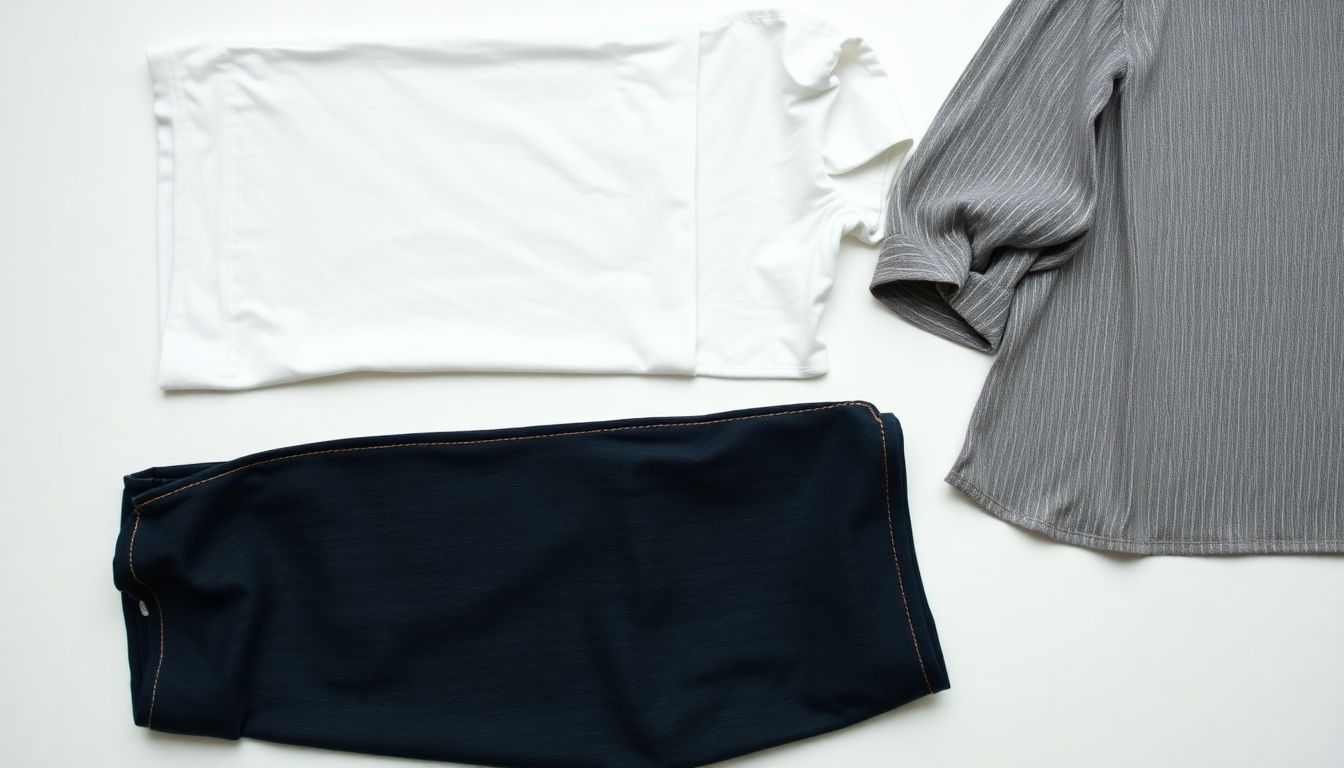
H&M clothing shrinks at the same rate as the fiber it is made from — the brand is not a factor in shrinkage; the fabric is. H&M cotton basics shrink 5–8% in the first warm wash, H&M viscose and rayon items shrink 5–10% and require cold hand washing, and H&M polyester items have minimal shrinkage risk. Understanding H&M’s fabric mix is the key to predicting how their garments will behave wash after wash.
What Fabrics Does H&M Use?
H&M’s core basics collection uses cotton and cotton-polyester blends, viscose and rayon, polyester and recycled polyester, Tencel (lyocell), and wool blends. The standard range prioritizes cost efficiency with shorter-staple cotton fibers that are not ring-spun or combed, which produces slightly higher shrinkage rates compared to premium cotton garments even when the fiber content is identical. The H&M Conscious line uses organic cotton and Tencel for better dimensional stability and a softer hand feel. H&M is one of the world’s largest fast fashion retailers, operating in 62 markets with a product range spanning basic tee shirts to party dresses.
According to ISO 6330:2012 — the international standard for textile fabric shrinkage testing — the accepted shrinkage tolerance for pre-shrunk cotton fabrics is 3–5%, and for non-pre-shrunk cotton fabrics is 5–8% after five wash cycles. H&M’s standard cotton basics typically fall into the non-pre-shrunk category, which means the 5–8% figure is the expected baseline, not an anomaly.
H&M Shrinkage by Fabric Type
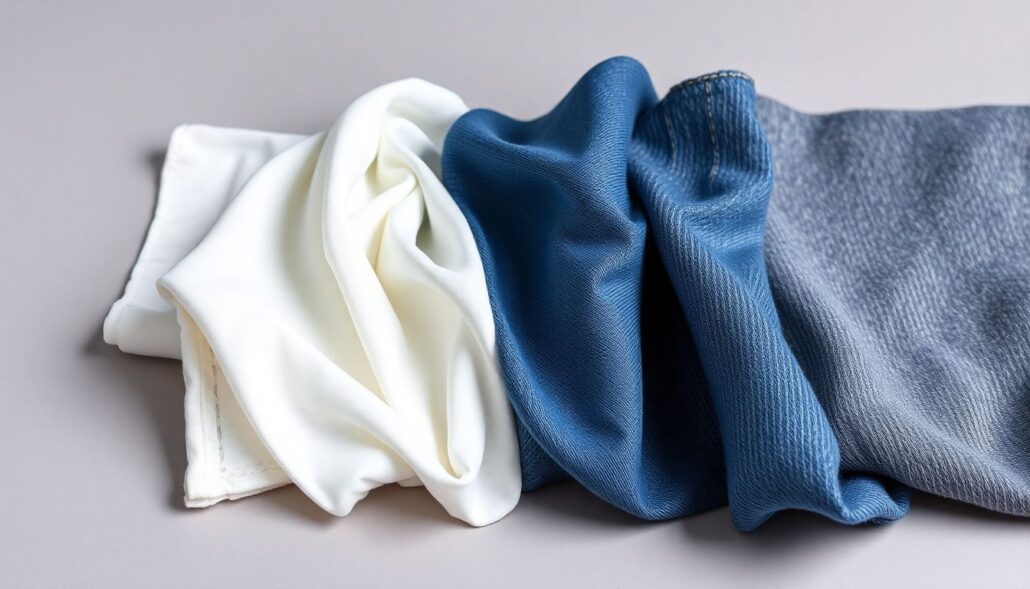
H&M Cotton Items: 5–8% Shrinkage in Warm Wash
H&M’s basic cotton T-shirts and hoodies are the items most likely to disappoint after the first hot wash. The expected shrinkage rate is 5–8% on the first warm wash cycle — which translates to approximately 2–4 cm of length reduction and 1–2 cm of chest width reduction on a standard-sized tee, according to AATCC Test Method 135 for dimensional change evaluation. The critical factor is whether the garment is pre-shrunk. H&M’s basic tee shirts are typically NOT pre-shrunk, meaning they undergo their primary shrinkage on the first wash rather than stabilizing over subsequent cycles. H&M basics are deliberately cut 5–10% larger to compensate for this shrinkage — if you buy your exact measured size, expect a noticeably tighter fit after the first warm launder.
Prevent H&M cotton shrinkage: Wash in cold water for the first 2–3 cycles to limit initial shrinkage to 1–3%. Air dry or tumble dry on low heat. Size up one size if you prefer a fitted look and plan to wash warm. Avoid high heat drying, which causes additional fiber compaction beyond the 5–8% baseline.
H&M Viscose Items: Hand Wash Required to Prevent 5–10% Shrinkage
Viscose — also called rayon when used in textiles — is a regenerated cellulose fiber made from wood pulp. It is prized for its silk-like drape and soft hand, but it is also one of the most shrinkage-prone fabrics in common use. H&M relies heavily on viscose for blouses, dresses, and flowing separates, and most of these items carry “dry clean only” or “hand wash” care labels for exactly this reason. Viscose can lose 5–10% of its dimensions when washed in warm water, and machine washing introduces an additional risk: the mechanical agitation causes the fibers to break down and the fabric to become permanently distorted, a phenomenon called fiber felting in reverse (where mechanical agitation causes fibers to compact and distort rather than shrink evenly).
According to textile research published in the Journal of Engineered Fibers and Fabrics, viscose items washed in a standard machine cycle at 40°C (104°F) show an average dimensional shrinkage of 7–12%, with width shrinkage consistently exceeding length shrinkage due to the fabric’s weave structure. H&M’s viscose items are no exception to this fiber behavior.
Prevent H&M viscose shrinkage: Always hand wash in cold water — never machine wash. Use a mild detergent formulated for delicates. Never put viscose in a tumble dryer — lay flat to air dry. If the label says dry clean, trust it — dry cleaning at $8–12 is cheaper than replacing a $25–40 shrunken blouse.
H&M Polyester Items: Less Than 2% Shrinkage With Normal Care
Polyester is a synthetic fiber engineered for dimensional stability, and H&M uses it extensively in party wear, athletic-influenced separates, and structured pieces that need to hold their shape. Polyester has a glass transition temperature of approximately 60–70°C (140–158°F) — the point at which polyester softens and deforms — which means it only begins to deform at sustained temperatures well above typical wash settings.
Under normal home laundering conditions — cold or warm wash, tumble dry low — polyester shrinks less than 2%, and in most cases the shrinkage is statistically negligible (typically 0.5–1%). The fiber’s molecular structure is heat-set during manufacturing, which locks in its dimensions. However, high heat drying (above 70°C) can cause polyester to take a permanent set that slightly distorts the garment’s shape, so low heat remains the safer choice.
H&M polyester care: Machine wash on a normal cycle without issue. Avoid high heat dryer settings. True to size is the right call — minimal shrinkage means the garment will fit as it does on the hanger through dozens of wash cycles.
H&M Denim: 1–3% Residual Shrinkage From Pre-Shrunk Fabric
Most H&M denim is sourced as sanforized or pre-washed fabric, which means the sanforization process has already pre-shrunk the fabric before the garment is cut and sewn. Sanforization, defined under ASTM D1284 standard practices, uses a mechanical pre-shrinking process that reduces potential shrinkage to 1–3% even after multiple wash cycles. H&M’s denim, therefore, behaves significantly more predictably than their cotton jersey basics (1–3% vs 5–8% shrinkage).
H&M denim care: Cold wash, inside out, to preserve the color. Line dry preferred over tumble dry to prevent over-distressing. Expect only 1–3% residual shrinkage, which is barely perceptible.
H&M Wool Items: Felting Shrinkage Begins Above 30°C
Wool is the only common apparel fiber that shrinks through felting — a physical restructuring of the fiber scales that causes them to interlock and compact — rather than through simple fiber relaxation. The felting shrinkage mechanism is entirely different from cotton or viscose shrinkage, and it occurs at lower temperatures than most people expect. Wool begins to felt significantly at water temperatures above 30°C (86°F), with severe felting occurring above 50°C (122°F).
Most H&M wool garments carry care labels indicating “machine washable wool” or “SuperWash treated” — a chemical chlorination process that scales down the fiber cuticle and prevents felting. Even with SuperWash treatment, H&M recommends cold water and a gentle wool cycle to maximize garment longevity.
H&M wool care: Always check the care label — if it says “dry clean,” follow that instruction. Cold water wash even for machine washable wool. Use a wool-specific detergent (pH-neutral, no enzymes). Lay flat to dry — never hang wet wool as it stretches.
How to Read H&M Care Labels
H&M is generally thorough in providing accurate care labels on their garments — a requirement under the ISO 3758 standard for care labeling symbols. The care label tells you two things that are critical to preventing shrinkage: the fiber composition and the recommended care method. When reading an H&M care label, start by identifying the fiber content percentage — for example, “60% Cotton 40% Polyester.” In a blend, always follow the care requirements of the most sensitive fiber. If viscose is listed at 40% alongside cotton, the garment should be treated as a viscose item and hand washed cold, because the viscose component will degrade faster under harsh conditions.
The H&M Conscious line typically uses more stable fibers like Tencel (lyocell), organic cotton, and recycled polyester, which offer superior dimensional stability. Garments from this line tend to hold their size better over repeated washings and are less likely to disappoint after the first launder.
How to Buy H&M Clothes That Won’t Shrink
The most effective strategy for buying H&M clothing that will look the same after washing is to match your purchasing decision to the fiber content of the garment:
- For 100% cotton basics: Size up one size if you want a fitted look after washing. H&M’s basics are deliberately cut generously to account for this shrinkage — buying your measured true size will result in a snug fit post-wash.
- For viscose blouses and dresses: Buy your exact measured size and hand wash cold. The fabric will hold its dimensions if you follow the care instructions, and sizing up will result in a sloppy fit that hand washing alone won’t correct.
- For polyester pieces: Buy true to size. Minimal shrinkage (less than 2%) means the garment will fit as it does on the hanger through dozens of wash cycles.
- For denim: Try them on before buying. The pre-shrunk fabric means the size on the label is close to the size after washing (1–3% residual shrinkage).
- For wool knits: Buy true to size, but check whether the label requires dry cleaning. If machine washable wool, cold gentle wash and flat dry will maintain the fit.
For a comprehensive guide to understanding how all fabric types respond to washing and heat, see the Complete Guide to Fabric Shrinkage on TextileTuts.
Frequently Asked Questions
H&M T-Shirt Shrinkage: 5–8% in Warm Wash
H&M basic cotton T-shirts shrink 5–8% in a warm wash — typically losing about 2–4 cm in length and 1–2 cm in chest width. Cold washing reduces shrinkage to 1–3%.
H&M Sizing After Shrinkage: Why Cotton Items Feel Smaller
H&M sizing can feel smaller after washing if you’ve been buying sizes that fit exactly. For cotton items, sizing up or cold washing consistently prevents this issue.
Machine Washing H&M Viscose: Why Hand Washing Is Required
No — H&M viscose items should be hand washed in cold water. Machine washing viscose causes significant shrinkage (5–10%) and potential fabric distortion.
References
- ISO. (2012). ISO 6330:2012 — Textiles — Domestic washing and drying procedures for textile testing. International Organization for Standardization. https://www.iso.org/standard/77460.html
- AATCC. (2020). AATCC Test Method 135 — Dimensional Changes of Fabrics after Home Laundering. American Association of Textile Chemists and Colorists. https://www.aatcc.org
- ASTM International. (2018). ASTM D1284 — Standard Practice for Calculating the Apparent Birefringence of Fibers. ASTM International.
- Ghosh, S., & Dilfr, A. (2014). Dimensional Stability of Viscose Rayon Fabrics After Laundering. Journal of Engineered Fibers and Fabrics, 9(2), 44–51. https://www.sciencedirect.com/science/article/pii/S0884697X14000042
- IWTO. (2007). Wool Felting and the SuperWash Process — Technical Manual. International Wool Textile Organisation. https://www.woolmark.com
- ISO. (2012). ISO 3758 — Textiles — Care Labelling Code Using Symbols. International Organization for Standardization. https://www.iso.org/standard/57951.html
- Cotton Incorporated. (2023). Cotton Properties and Shrinkage Behavior. https://www.cottoninc.com


