
Can You Iron Patches On Nylon? – Top Tips for Success

Yes—you can iron patches on nylon successfully when you use the correct low-heat setting and a pressing cloth. The key challenge is that nylon has a low melting point: Nylon 6 softens at 220°C (428°F) and Nylon 66 softens at 265°C (509°F). Excessive heat will damage both the fabric and the patch, so keeping your iron at 130–150°C (270–300°F) on the synthetic setting is essential. With the proper technique, the bond is secure and lasting.
This guide covers the materials required, a step-by-step process, potential risks, and alternative attachment methods such as sewing or fabric glue.
Nylon Temperature Quick Reference
Safe iron-on range: 130–150°C (270–300°F) — use the “synthetic” or “nylon” setting
Damage begins: 190°C (374°F)
Nylon 6 softens: 220°C (428°F)
Nylon 66 softens: 265°C (509°F)
Pressing cloth: Mandatory — 100% cotton or Teflon sheet only
Cooling time before handling: Minimum 5–10 minutes
The Challenge: Why Nylon Requires Special Care
Nylon’s thermal properties make it sensitive to heat. When exposed to temperatures exceeding 190°C (374°F), the fibers begin to soften and can permanently damage. This means standard ironing approaches used for cotton or linen will destroy nylon fabric.
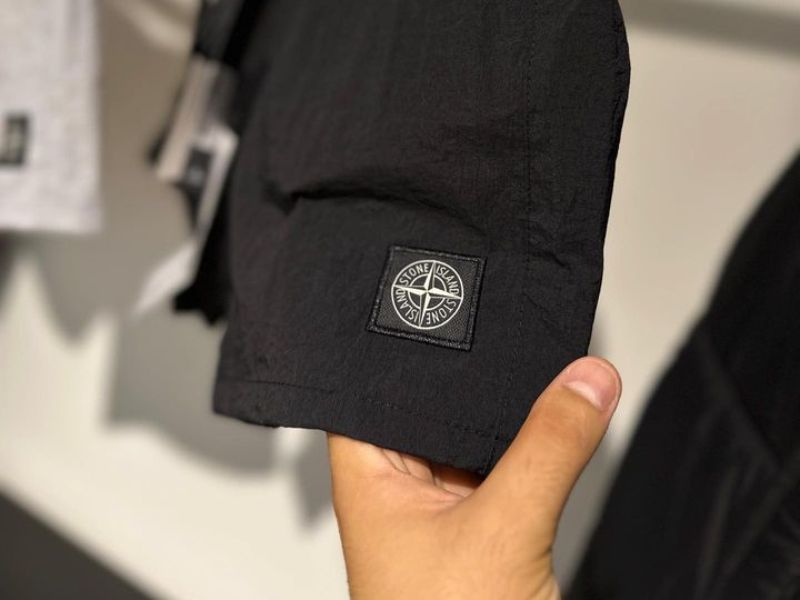
Before applying a patch, verify these three conditions:
- Patch Material Compatibility: Confirm the patch is specifically designed for heat application. Iron-on patches feature a heat-activated adhesive backing rated for fabric use. Embroidered patches without adhesive backing require sewing instead.
- Temperature Verification: Set your iron to the lowest heat setting—typically the synthetic or nylon setting, which operates at approximately 130–150°C (270–300°F). This stays safely below nylon’s 190°C threshold.
- Pressing Cloth: A thin cotton cloth or Teflon pressing sheet is mandatory. This barrier prevents direct heat contact that could cause shiny marks or melting.
Step-by-Step Guide: Ironing Patches on Nylon
The process takes approximately 15–20 minutes total, with most time spent allowing the fabric to cool between steps.
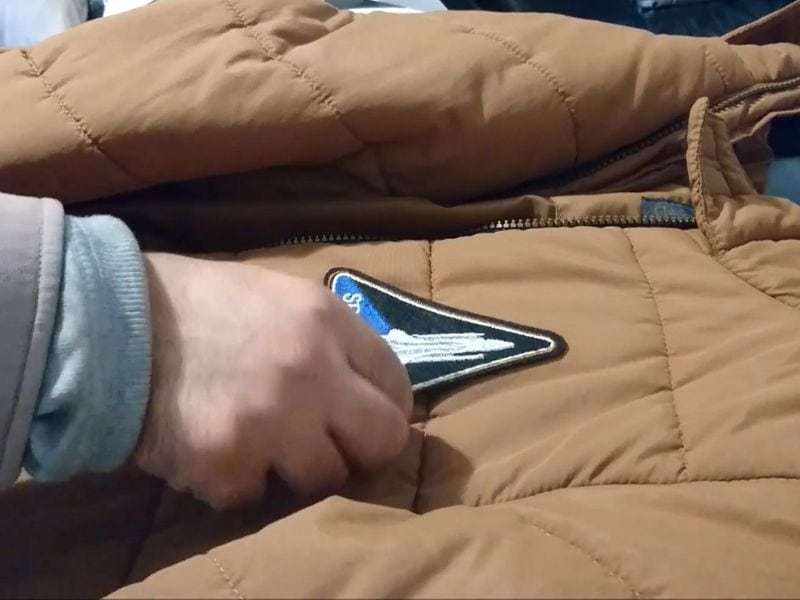
Materials Needed
Prepare the Nylon Fabric
Ensure the nylon fabric is clean and free from dirt, dust, or wrinkles. If needed, press at the lowest heat setting to remove wrinkles. Allow the fabric to cool completely before applying the patch. The surface must be completely flat and smooth.
Preheat the Iron
Set your iron to the lowest heat setting—usually labeled “synthetic” or “nylon”—which operates at approximately 130–150°C (270–300°F). This temperature range prevents damage while still activating the patch adhesive.
Position the Patch
Place the iron-on patch at the desired location on the nylon fabric. Center it precisely—repositioning after pressing is not possible. Check alignment from all angles before proceeding.
Protect with a Pressing Cloth
Lay a 100% cotton pressing cloth or Teflon sheet directly over the patch and surrounding fabric. This barrier protects nylon from direct heat exposure. Never use paper towels, synthetic cloths, or napkins—they can melt onto the fabric.
Iron the Patch
Press the iron onto the pressing cloth directly over the patch. Apply firm, steady pressure without sliding. Hold in place for 10–15 seconds, then lift and check edges. Repeat for corners and any areas that haven’t fully adhered.
Check Adherence
Carefully lift one corner of the pressing cloth and verify the patch edges are fully bonded. If any area lifts, replace the cloth and press for an additional 10–15 seconds. Nylon requires patience—the adhesive bond develops slowly at low temperatures.
Let It Cool
Allow the fabric to cool completely—minimum 5–10 minutes—before handling. The adhesive continues bonding as it cools. Moving the fabric too early causes the patch to shift or peel.
Test the Adhesion
Gently tug on one corner of the patch after full cooling. Secure attachment means no lifting. If the patch peels, apply fabric glue to the edges or consider switching to sewing for a permanent bond.
Advantages and Disadvantages of Ironing Patches on Nylon
Before committing to iron-on application, weigh these trade-offs specific to nylon fabric.
Advantages
- Speed: The entire process takes 15–20 minutes. Sewing requires 30–60 minutes minimum for comparable results.
- No Equipment Beyond an Iron: Sewing requires thread, needles, and either a machine or hand-sewing skill. Ironing requires only a pressing cloth.
- Clean Appearance: Properly applied iron-on patches produce a smooth, stitch-free surface. This matters for visible placements on jackets or bags.
- Cost-Effective: Iron-on patches typically cost $1–$5 each. Sewing supplies or professional services add significant expense.
- Beginner-Friendly: No prior sewing experience is required. The learning curve is minimal compared to hand or machine stitching.
Disadvantages
- Heat Damage Risk: Nylon begins to soften at 190°C (374°F). Exceeding this temperature—even briefly—causes permanent shine marks, warping, or melting.
- Limited Durability: The adhesive bond weakens with repeated washing. Studies show iron-on patches typically begin lifting after 10–15 machine wash cycles.
- Non-Reversible: Removing an iron-on patch leaves adhesive residue and may damage the nylon fibers. The patch cannot be cleanly removed without solvents.
- Fabric Compatibility: Stretchy nylon blends (spandex blends) do not hold iron-on patches well. The fabric stretches during wear, breaking the bond.
- Application Precision: Patches cannot be repositioned after pressing. Alignment must be exact on the first attempt.
Patch Attachment Methods Comparison
The table below compares iron-on patching with alternative methods to help you choose the right approach for your nylon item.
| Method | Durability | Ease | Wash Resistance | Best For |
|---|---|---|---|---|
| Iron-on patch | Low–Medium | Easy | 10–15 washes before lifting | Light-use items, beginners, temporary patches |
| Sewing (machine or hand) | High | Medium | 100+ washes | Frequent washing, permanent attachment, heavy-use items |
| Fabric glue (EVA-based) | Medium–High | Easy | 30–50 washes | Items that can’t be sewn, waterproof bonds |
| Fusible web sheets | Medium | Medium | 20–30 washes | More controlled application than pre-backed iron-on |
| Velcro (hook-and-loop) | Medium | Easy | Removable | Swappable patches, uniforms, rental items |
| Double-sided fabric tape | Low | Very Easy | 1–3 washes | Temporary hold, emergency repairs |
Alternative Methods for Applying Patches on Nylon
For items that will undergo frequent washing or heavy use, alternative attachment methods provide superior durability.
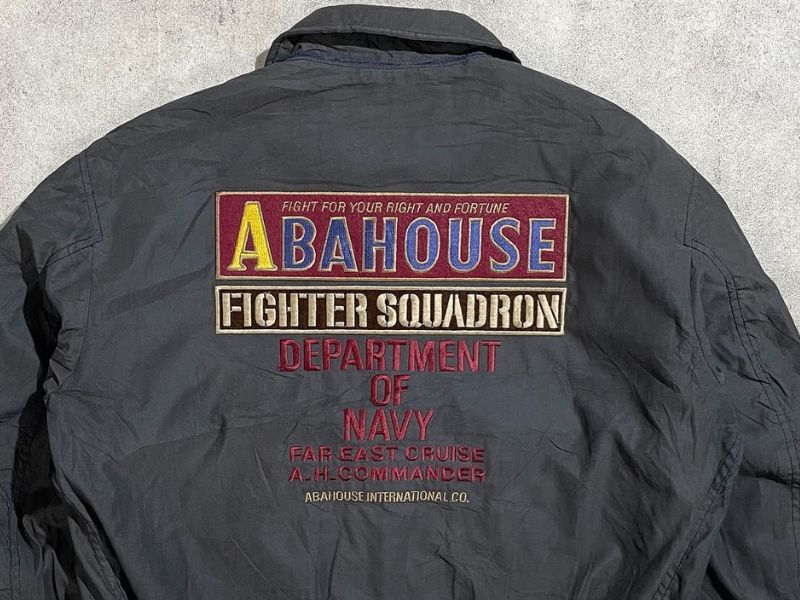
Sewing
Machine or hand sewing provides the most durable attachment. Use a polyester thread rated for synthetic fabrics and a ballpoint needle designed for knits. The stitch should penetrate both the patch and the fabric for a secure bond that withstands hundreds of wash cycles.
Fabric Glue
Permanent fabric adhesives formulated for synthetic fabrics—such as those containing ethylene-vinyl acetate (EVA)—create a flexible, waterproof bond. Apply a thin layer to the patch backing, press firmly, and allow 24 hours to cure before washing.
Heat-Activated Adhesive Sheets
Fusible web sheets offer more controlled application than pre-backed iron-on patches. Cut the fusible web to match the patch size, place it between the patch and fabric, and press at the recommended temperature—typically 150–170°C (300–340°F)—for 15–20 seconds.
Velcro or Hook-and-Loop Fasteners
Sewing one side of a Velcro pair to the patch and the other to the fabric creates a removable attachment. This suits items where patch swapping is desirable—team uniforms, rental gear, or costume pieces.
Embroidery
For a decorative finish, embroidery thread creates a textured, permanent attachment. Use a tight zigzag stitch around the patch perimeter for the most secure result on stretchy nylon.
Badge Holders with Clips
Plastic badge clips allow patch display without any permanent attachment. This approach suits temporary displays, rental uniforms, or situations where residue-free removal is required.
Double-Sided Fabric Tape
Peel-and-stick fabric tape provides a temporary hold lasting 1–3 wash cycles. This works for short-term needs but does not substitute for sewing or permanent adhesives on items requiring durability.
Using a Serger to Sew Patches on Nylon
A serger (overlock machine) handles nylon effectively when set correctly. Use a ballpoint needle sized for synthetics—typically size 75/11 for lightweight nylon—and set the differential feed to 1.0–1.5 to prevent puckering. A three-thread serger stitch provides sufficient strength for patch attachment without adding bulk.
Final Words
Ironing patches on nylon demands attention to temperature control and patience during cooling. The process succeeds when you keep the iron at 130–150°C (270–300°F), use a 100% cotton pressing cloth, and allow full cooling before handling.
Nylon’s low heat threshold means there is no recovery from overheating—the damage is immediate and permanent. When in doubt, test on scrap fabric first or choose sewing for items that will undergo frequent laundering.
References
- Wikipedia. (2026). Nylon. Wikimedia Foundation.
- ASTM International. (2023). Textile and Fabric Standards. ASTM International.
- University of Michigan, Department of Materials Science. (2022). Thermal Properties of Synthetic Polymers. Ann Arbor, MI.


