
What Do You Call A Male Seamstress: Gender Labels

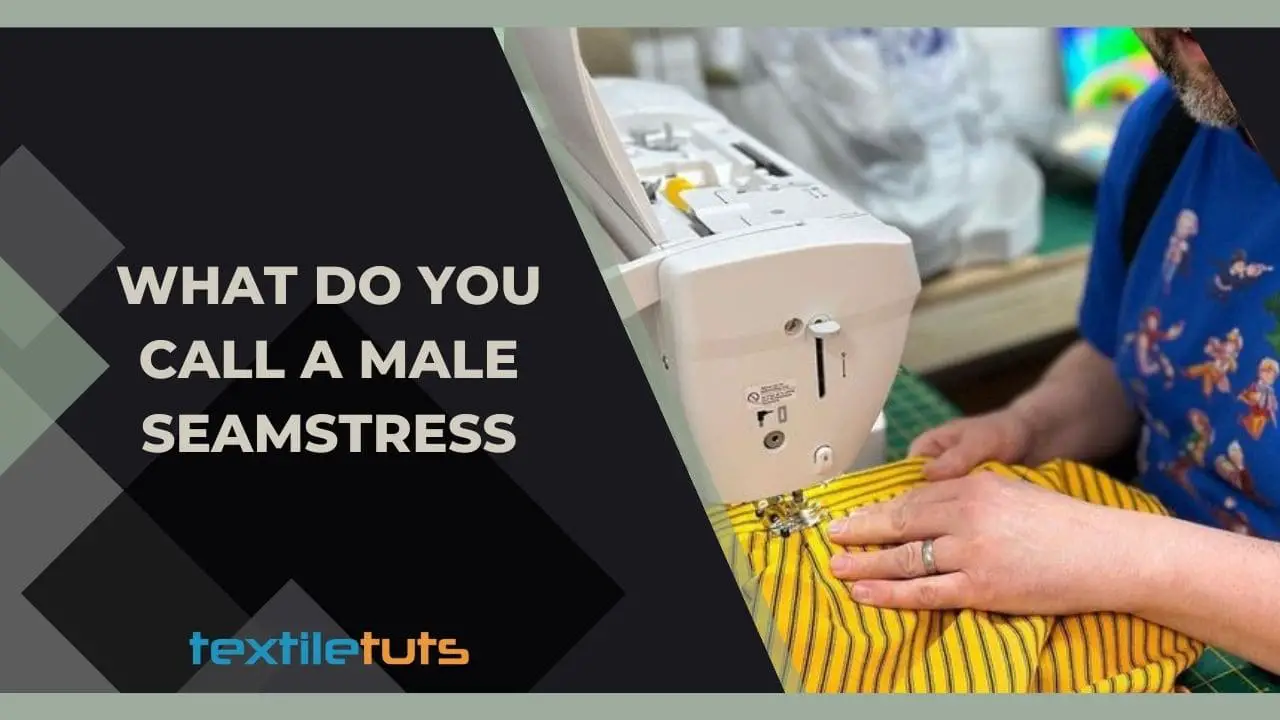
A male seamstress can be called a “seamster” — the traditional male counterpart to “seamstress.” In modern usage, these terms have become increasingly gender-neutral, and it is now common to refer to any person who sews—whether male or female—as a seamstress or, increasingly, as a “sewist.” The occupation of sewing dates back to the Paleolithic era, when early humans used bone needles to sew fur and leather garments.
As traditional gender roles evolve and the boundaries of professions blur, many in the textile industry now prefer gender-neutral terms such as “sewist” or “craftsperson” to refer to individuals of any gender who practice sewing as a profession or hobby. This linguistic evolution mirrors similar shifts in other professions that were once gender-specific.
The Male Term for Seamstress Does Exist — “Seamster” Is the Answer
Yes, the male term for seamstress does exist, and it is “Seamster.” Both “seamstress” and “seamster” refer to individuals who are skilled in sewing and work with fabrics to create or mend garments and other textile items. The term “seamster” is the less commonly used male counterpart, though it carries the same professional meaning.
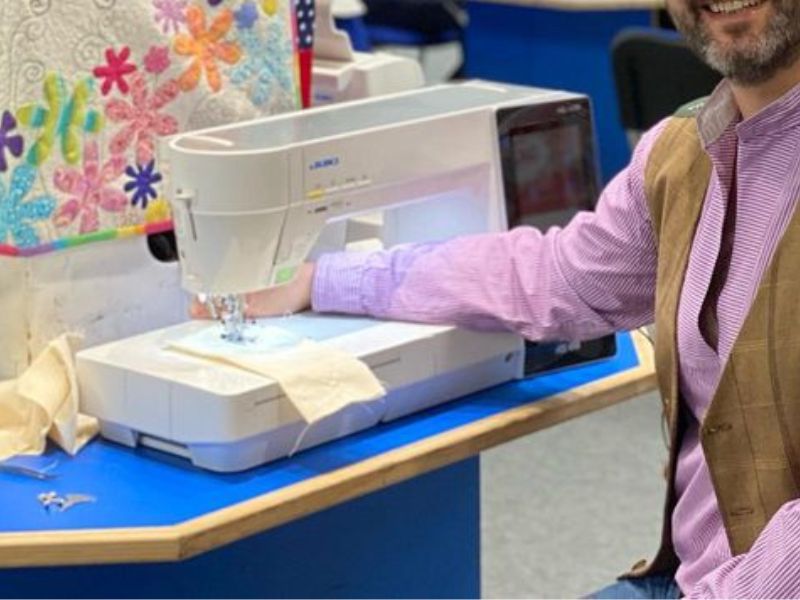
The word “seamstress” historically referred to a woman who sews, while “seamster” referred to a man with the same occupation. These terms derive from Old English roots, with “seam” referring to the stitching of fabric seams. The occupation dates back to the Paleolithic era, when early humans used bone needles to sew fur and leather garments.
In recent times, many people prefer gender-neutral terms such as “sewer” or “sewist” to refer to individuals of any gender who practice sewing as a profession or hobby. The focus has shifted toward inclusivity and breaking away from gender-specific job titles. This linguistic evolution mirrors similar shifts in other professions that were once gender-specific, such as why boyfriend jeans got their name—named for their loose, oversized fit that mimics borrowing jeans from a male partner.
How to Refer to a Male Seamstress — Gender-Neutral Terms Are Preferred Today
Using gender-neutral language is now the norm in professional contexts to avoid assumptions about someone’s gender based on occupation or interests. Here are the accepted terms for referring to a male professional in the sewing and tailoring industry:
Gender-Neutral Terms (Preferred in Modern Usage)
- Sewist — A portmanteau of “sew” and “artist,” widely adopted since the early 2000s
- Craftsperson — Emphasizes skilled craftsmanship regardless of gender
- Tailor — A specialist in creating, altering, and repairing garments
- Designer — Focuses on the creative and aesthetic aspects of garments
- Fabricator — A modern term for someone who constructs textile products
- Stitcher — A straightforward term for someone who stitches garments
- Sewer — Pronounced “so-er,” this term applies to anyone who sews
- Sewing Machine Operator — A technical term for industrial sewing work
Terms with Gender-Specific Connotations
- Seamster — The traditional male counterpart to seamstress
- Couturier — A male fashion designer who creates high-end garments
- Dressmaker — Historically more associated with women’s garments
- Tailor-Made Man — An older colloquial expression
Seamstress vs Fashion Designer vs Tailor — Key Differences at a Glance
A seamstress, a fashion designer, and a tailor all work in the clothing and fashion industry, but their roles and responsibilities differ significantly:
| Role | Primary Focus | Typical Setting | Key Skills |
|---|---|---|---|
| Seamstress/Seamster | Garment construction and alteration | Factories, tailoring shops, freelance | Hand sewing, machine operation, pattern reading |
| Fashion Designer | Original design and aesthetic vision | Design houses, apparel brands, independent labels | Sketching, trend forecasting, creative direction |
| Tailor | Custom fitting and alterations | Tailoring shops, bespoke ateliers | Measuring, fitting, precision stitching |
Seamstress or Seamster
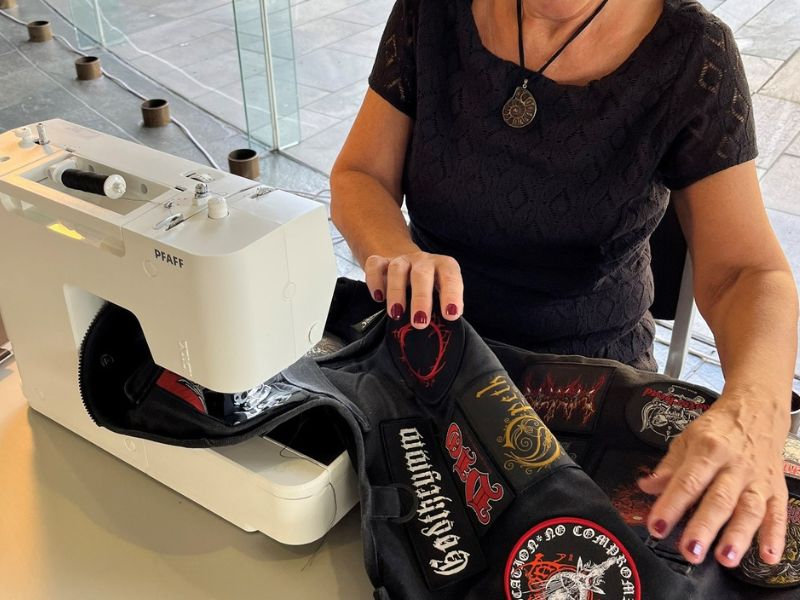
- A seamstress or seamster is a skilled individual who specializes in sewing and constructing garments and other textile items.
- Their primary role is to bring a fashion designer’s vision to life by transforming sketches or patterns into actual garments.
- Seamstresses work with fabrics, patterns, sewing machines, and other tools to cut, stitch, and assemble clothing items.
- They focus on the technical aspects of garment construction, ensuring that finished products are well-made and fit properly.
- Seamstresses work in garment factories, tailoring shops, or as independent contractors.
Fashion Designer
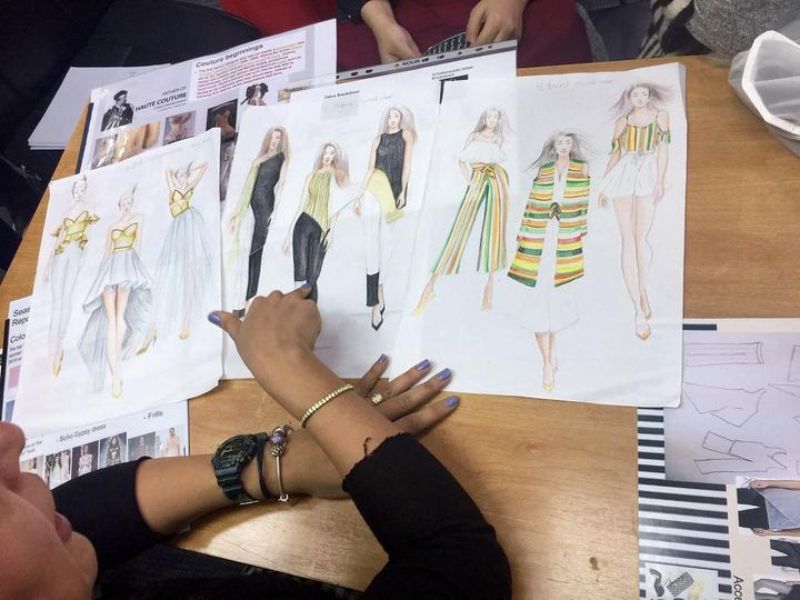
- A fashion designer conceives and creates original clothing designs, typically with a focus on style, aesthetics, and trends.
- Their role involves creating sketches, illustrations, or digital designs of clothing collections that showcase their artistic vision.
- Fashion designers work with fabrics, colors, textures, and various materials to develop unique and innovative designs.
- They are responsible for setting trends, forecasting fashion movements, and creating collections for specific seasons.
- Fashion designers work for fashion houses, apparel brands, or establish their own independent fashion labels.
A Male Seamster Can Alter Men’s Suits to Achieve a Better Fit
Yes, a male seamster can certainly alter men’s suits to make them less tight. There are multiple reasons for tight suits: weight changes, body shape differences, or purchasing the wrong size. A skilled seamster can make precise adjustments to ensure a comfortable and well-fitted suit.
Common alterations include letting out or taking in the sides, adjusting the shoulders, narrowing the sleeves, and altering the waist. Professional tailors and seamsters use specialized techniques to modify suits without compromising the garment’s structure or appearance. These adjustments require expertise in fabric handling and understanding of garment construction, as detailed in our guide to why men’s suits are often tight.
The Male Equivalent of a Seamstress Also Includes Adding Slits to Dresses
A male equivalent of a seamstress—such as a tailor or seamster—is fully skilled at altering and creating clothing, which includes adding slits to dresses. They can make adjustments to any garment to enhance fit and style based on client preferences.
Tailors regularly perform dress alterations including adding side slits for improved mobility, adjusting waistlines, and modifying necklines. This demonstrates the versatility of tailoring skills that apply across all garment types regardless of the original design. Customizing garments through professional alterations is a standard service offered by experienced seamsters, as explained in our article about how tailors add slits to dresses.
Quick Reference: Common Sewing Occupation Terms
Use this quick reference for the most common terms used in the sewing and textile industry today:
| Term | Usage | Gender Context |
|---|---|---|
| Seamster | Traditional male counterpart to seamstress | Historical/gender-specific |
| Sewist | Modern gender-neutral term (sew + ist) | Preferred in contemporary usage |
| Craftsperson | Emphasizes skilled craftsmanship | Gender-neutral |
| Tailor | Specialist in custom fitting and alterations | Gender-neutral |
| Stitcher | Straightforward term for someone who stitches | Gender-neutral |
| Sewer | Anyone who sews (pronounced “so-er”) | Gender-neutral |
Industry Statistics: Women in the Garment Workforce
The textile and garment industry has historically been characterized by gender-specific roles. Today, women comprise approximately 80% of the global garment workforce, according to industry data from multiple countries:
- In Bangladesh, women make up about 80% of Export Processing Zone (EPZ) garment workers
- In Cambodia, roughly 80% of garment workers are female migrants from rural areas
- In Nicaragua, Honduras, Philippines, and Sri Lanka, women account for 75–90% of EPZ garment workers
- In 19th-century England, female outworkers comprised nearly one-third of all workers in the clothing industry according to the 1901 Bristol census
Despite this female predominance in production roles, the industry has seen increasing efforts toward gender inclusivity, with more men entering sewing, tailoring, and design professions. The adoption of gender-neutral terminology like “sewist” and “craftsperson” reflects this shift toward a more inclusive textile industry.
Final Verdict — Embracing Inclusive Language in the Textile Industry
The debate over gender labels in professions like sewing and fashion design reflects our evolving society. While historically the term “seamstress” was gender-specific and referred exclusively to women, the industry now recognizes the need for inclusivity and equality in language.
Embracing gender-neutral terms like “sewist,” “craftsperson,” and “tailor” enables us to appreciate the talent and expertise of individuals in these fields without limiting their potential based on gender. These terms provide equal professional recognition regardless of gender identity.
Breaking traditional gender labels is not just about language—it is about fostering a more inclusive and open-minded society where everyone can thrive based on their passion, talent, and hard work, free from the unnecessary constraints of gender stereotypes. The textile industry, like many others, continues to evolve toward greater inclusivity and diversity in its workforce and terminology.
References
- Wikipedia. (2024). Seamstress. https://en.wikipedia.org/wiki/Seamstress
- Wikipedia. (2024). Tailor. https://en.wikipedia.org/wiki/Tailor
- Wikipedia. (2024). Sewing. https://en.wikipedia.org/wiki/Sewing
- Wikipedia. (2024). Garment industry. https://en.wikipedia.org/wiki/Garment_industry


