
Why Is a Peacoat Called a Peacoat?

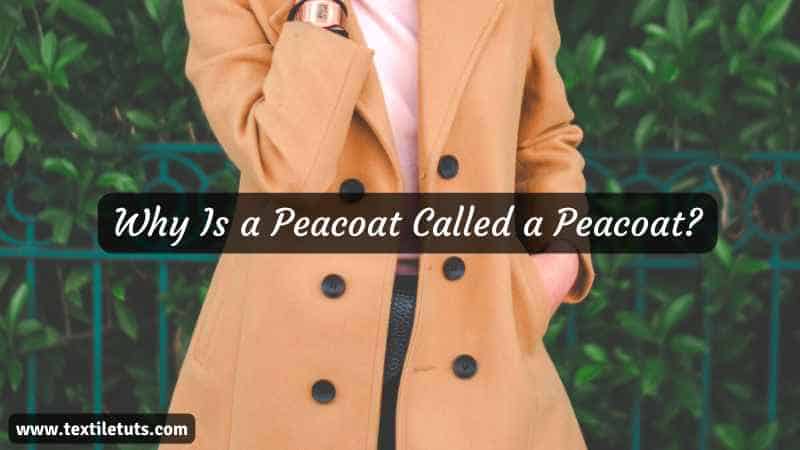
The peacoat is called a peacoat because the term originated from the Dutch word pijjekker (or pijjakker), meaning “coat of coarse cloth,” referring to the heavy wool fabric used in its original 17th-century construction. Dutch sailors first wore these coats, and British and American naval forces later adopted them throughout the 18th and 19th centuries before the garment transitioned to civilian fashion in the 20th century.
What Is a Peacoat?
The British Royal Navy formally adopted the peacoat in 1800, designing it to withstand harsh maritime weather conditions. The coat features a double-breasted front with broad lapels and typically 6–8 large buttons arranged in two rows. The original specification called for 100% Kersey wool, a dense, tightly woven fabric that naturally repelled water due to retained lanolin oils. The U.S. Navy issued peacoats made from 24 oz (680g) Melton wool containing 80% wool and 20% synthetic fibers after replacing Kersey in the 1970s.
The coat’s outer surface is often napped to enhance water resistance and wind protection. It includes two large front pockets positioned at hip level. Standard peacoat length extends to the hip, providing coverage without restricting movement. The garment suits both men and women and maintains a timeless aesthetic that pairs equally well with casual and formal attire.
Etymology and the Origin of the Name
Three theories explain how the peacoat received its name:
The most widely accepted etymology traces the term to the Dutch word pijjakker, combining pij (coarse twilled blue cloth) with jakker (jacket). This reflects the coat’s original coarse wool construction and Dutch maritime origins. The Dutch word for fisherman, pijker, may have also contributed, as fishermen commonly wore these heavy wool jackets. The combined term pijkerjas gradually evolved through linguistic compression into “peacoat.”
A second theory proposes that British naval terminology gave rise to the name. In the 18th century, the British Navy issued “pilot jackets” or “pilot cloth coats” made from thick wool to keep ship pilots and captains warm. The word “pilot” progressively shortened and transformed into “pea-” through repeated use.
A third explanation references an 1868 Tailor & Cutter magazine article that documents the term “pea-jacket” appearing in common usage by that decade.
The Origins of the Peacoat
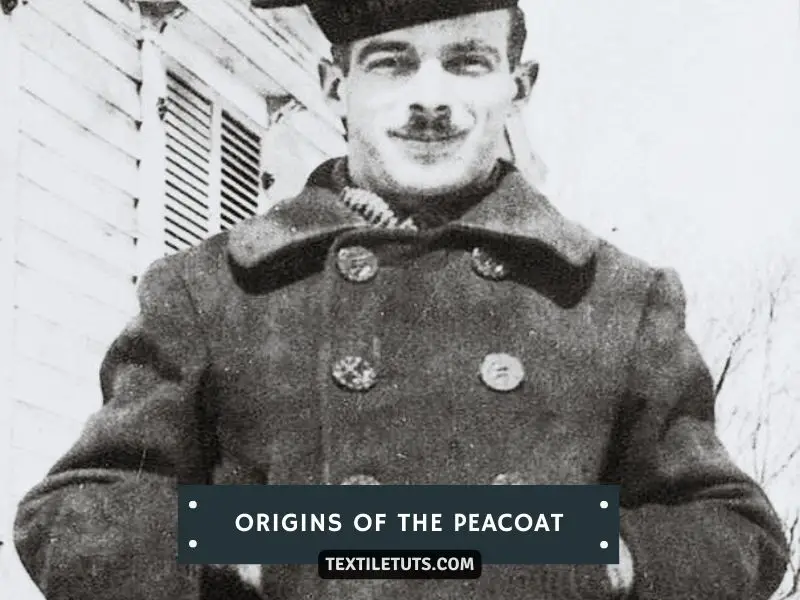
The first written specification for a peacoat appeared in 1720, when the British Admiralty issued requirements for a new coat design to be issued to naval sailors. The specification called for sturdy wool fabric that could withstand salt spray and constant exposure to maritime conditions. The original coats were double-breasted with large brass buttons featuring an anchor motif. Officers received brass buttons while enlisted personnel received black plastic buttons.
Sailors immediately adopted the coat for its warmth and practicality. The peacoat remained a standard component of naval uniforms through both World Wars. During World War II, production scaled significantly to meet the demand for warm, durable outerwear across all service branches. The U.S. Navy officially discontinued the peacoat in 2018, replacing it with a synthetic parka system, and stopped issuing them to personnel in May 2019.
The peacoat transitioned from military utility to civilian fashion by the mid-20th century. Its clean lines, structured silhouette, and functional design caught the attention of fashion designers and consumers alike.
The History of the Peacoat: From Sailors to Streetwear

While many people recognize the peacoat as a fashionable garment, fewer know its nearly 300-year history dating to the 18th century. British naval officers originally received these coats as part of their standard uniform. The heavy, coarse wool construction provided essential warmth during extended deployments in cold climates.
The design spread rapidly across global naval forces. British, American, Dutch, and other maritime nations adopted some variation of the peacoat for their fleets. By the 19th century, it had become a standard garment for British Army officers as well. Industrial workers in mining, fishing, and shipping industries adopted the coat for its durability and weather resistance. The garment’s hardwearing nature made it ideal for physically demanding work environments.
In the 20th century, Hollywood and fashion icons elevated the peacoat to civilian wardrobes. Audrey Hepburn, Jackie Kennedy, and other style influences commonly wore peacoats during the 1950s and 1960s, cementing its status as a versatile fashion piece rather than strictly utilitarian outerwear.
The peacoat continues to hold its position as a wardrobe staple in the 21st century. Fashion houses regularly include variations in their seasonal collections while traditional retailers maintain consistent sales of classic versions.
Also Learn: Why Is It Called A Trench Coat?
Peacoat Specifications and Construction

Authentic peacoat construction follows specific standards developed through centuries of naval use. Understanding these specifications helps identify quality garments.
Fabric Weight and Composition
Traditional peacoat wool weighs between 24–34 oz per square yard (750–1050g per square meter). The original British and American naval specifications called for 100% Kersey wool, a dense fabric woven with a slight nap. Modern peacoats typically use 24 oz (680g) Melton wool with an 80/20 wool-to-synthetic ratio. Quality 100% wool alternatives rarely exceed 24 oz. Blends containing nylon or polyester generally indicate lower quality and reduced durability.
Design Features
The standard peacoat design includes broad lapels that can be folded up for wind protection, a double-breasted closure with 6–8 buttons arranged in two parallel rows, and vertical or slash-style hand pockets. Historical versions featured brass anchor buttons for officers. The short hip-length silhouette provides freedom of movement while maintaining warmth.
Sizing Guidance
Peacoats are designed for layering. A wearer with a 44-inch chest typically chooses a size 42 to accommodate thick sweaters underneath. Those preferring a slimmer silhouette can size down 2 inches. WWII-era peacoats ran trimmer than modern versions, which generally offer a broader cut through the shoulders and chest.
Naval Peacoat Specifications by Nation
| Specification | British Royal Navy | U.S. Navy | Dutch Navy (Original) |
|---|---|---|---|
| Adoption Year | 1800 | 1800s | 1720s |
| Fabric Weight | 24–32 oz/sq yd | 24 oz (680g) | Coarse wool |
| Fabric Type | 100% Kersey wool | 80% wool, 20% synthetic (post-1970s) | Coarse blue twilled cloth |
| Button Count | 8–10 brass | 8 large buttons | 6–8 brass |
| Button Style | Brass anchor motif | Black plastic (enlisted), brass (officers) | Brass anchor motif |
| Length | Hip-length | Hip-length | Hip-length |
| Discontinuation | Still used (modernized) | 2018 | N/A |
Styling a Peacoat for Any Occasion

The peacoat’s versatility allows it to function across various dress codes. Several styling approaches maximize its potential.
Casual Ensembles
Pair a peacoat with dark denim and a plain crew-neck sweater for everyday activities. This combination works well for errands, casual social gatherings, and weekend outings. Chunky knit sweaters underneath add visual texture while providing additional warmth.
Smart Casual Options
Combine a peacoat with tailored corduroy trousers and a button-down shirt for a polished daytime look. This pairing elevates the overall appearance without appearing overly formal. Leather boots complete the ensemble appropriately.
Evening and Dress Occasions
Wear a peacoat over tailored trousers and a fine-gauge knit polo for date nights or dinner engagements. The structured silhouette maintains visual interest even in low-light settings. Avoid pairing with formal suits, as the peacoat’s military heritage creates stylistic tension with formal tailored clothing.
Maximum Warmth
For cold weather, layer a scarf and leather gloves over the peacoat. The broad lapels accommodate additional layers without bunching. Ensuring the coat buttons completely when outdoors maximizes heat retention.
Professional Settings
Combine a peacoat with dress slacks and a button-down shirt for office environments. The clean lines project competence while the classic styling suggests timeless taste. This approach works particularly well in business-casual workplaces.
Five Reasons to Add a Peacoat to Your Wardrobe
The peacoat remains relevant due to several objective advantages over other outerwear options.
Superior Warmth
Peacoats constructed from 24–34 oz wool provide exceptional insulation against cold and wind. The double-breasted design creates an additional barrier against cold air penetration. Heavy wool retains heat effectively even when damp, unlike synthetic alternatives.
Enduring Style
The peacoat’s design has remained essentially unchanged for nearly 300 years because the silhouette works. It flatters virtually every body type and complements both masculine and feminine aesthetics across age groups.
Practical Functionality
Deep pockets accommodate everyday carry items securely. The coat layers easily over blazers, sweaters, and casual wear without restricting movement. The hip-length hem protects the core while allowing full arm mobility.
Flattering Silhouette
The structured double-breasted design creates visual vertical lines that elongate the torso. The broad lapels frame the face and neckline. Waist-seaming details create definition without appearing bulky.
Versatile Wardrobe Integration
A quality peacoat pairs equally well with jeans and sneakers or tailored trousers and dress shoes. The neutral colorways (navy, black, charcoal) coordinate with virtually any color palette in an existing wardrobe.
Wool is inherently strong and resilient, allowing a properly maintained peacoat to provide decades of service. Occasional dry cleaning and proper storage between seasons preserves the garment’s appearance and structural integrity.
Conclusion
The peacoat derives its name from the Dutch word pijjekker, referring to the coarse wool cloth used in its original construction. The garment served European and American naval forces for nearly three centuries before transitioning to civilian fashion. Its enduring popularity stems from objective advantages: 24–34 oz wool construction provides superior insulation, the structured silhouette flatters diverse body types, and the timeless design coordinates with both casual and formal attire. A quality peacoat represents a long-term investment in both style and functionality.
References
- Wikipedia Contributors. (2024). Peacoat. Wikipedia.
- Editors of Gentlemen’s Gazette. (2024). The Complete Guide to the Peacoat: History, Styling, and Buying Tips. Gentleman’s Gazette.


