
Why Is Wool So Expensive?

Meta Title: Why Is Wool So Expensive? The Real Reasons Behind Wool Pricing
Meta Description: Discover why wool costs more than synthetic fabrics. Learn about wool production, fiber quality, Merino grades, and the 5 key factors that drive wool prices.
Wool is expensive because producing it is a labor-intensive process requiring specialized equipment, skilled expertise, and significant investment in sheep husbandry, harvesting, and processing. Limited global supply—only about 2 million tonnes per year, representing just 3% of the textile market—combined with specialized storage, shipping, and marketing costs, keeps wool prices consistently higher than synthetic alternatives.
Wool comes from sheep and cannot be manufactured synthetically like polyester or nylon. Global wool production totals approximately 2 million tonnes annually, with China producing 19%, Australia 16%, and New Zealand 8% of the world’s supply. This limited availability, combined with the intensive labor required across the entire production chain, sustains premium pricing.
5 Reasons Behind Expensive Wool Clothing
Wool clothing commands higher prices than synthetic alternatives due to five distinct factors spanning the entire production chain, from raw fiber to finished garment.
Cost of Raw Materials
Wool is a natural fiber sourced from sheep, and the supply is inherently limited. Global wool production reaches approximately 2 million tonnes annually, with China producing 19%, Australia 16%, and New Zealand 8% of the world total. The cost of raw wool has increased as demand for natural fibers grows, making wool clothing more expensive to produce.
Cost of Production
Wool clothing often requires handmade production processes, which raises labor costs significantly. Wool is a delicate fabric that demands specialized machinery and skilled workers for spinning, weaving, and finishing. The fine Merino wool fiber, which measures between 12 and 24 microns in diameter, requires gentler handling than coarser fibers, increasing production time and cost.
Shipping Cost
Wool is a dense natural fiber, which increases shipping weights compared to synthetic alternatives. Wool bales require climate-controlled transport to prevent moisture damage and fiber degradation during transit. Specialty wool shipping often uses sealed containers to protect the fiber from humidity, adding logistical costs that contribute to the final retail price.
The Cost of Storage
Wool requires moth-proof storage facilities with controlled temperature and humidity levels to prevent fiber damage. Raw wool must be stored in ventilated warehouses to avoid moisture buildup, which causes microbial growth and fiber deterioration. These specialized storage requirements add overhead costs that factor into the price of wool products.
Marketing Cost
Wool clothing, especially wool suits, is positioned as a luxury item in the market. Brands invest heavily in wool marketing campaigns that emphasize natural fiber benefits and heritage quality. This premium positioning allows retailers to command higher prices, with costs passed on to consumers.
Wool Fiber Prices at a Glance
Real wool costs more than synthetic alternatives, but it also offers superior durability and a longer lifespan. The following pricing table shows typical market rates for 100% wool fiber and yarn products to give you a realistic baseline for comparison.
100% Wool Fiber Prices
| Source | Wool Fiber | Price per 100g |
|---|---|---|
| The Woolery | Merino Wool Top | $3.95 |
| Jimmy Beans Wool | Merino Wool roving | $3.99 |
| LoveCrafts | Worsted Merino Wool | $4.99 |
| The Fibre Company | Kidsilk Haze | $14.95 |
| Etsy | Merino Wool Roving | $2.99 – $15.99 |
| Amazon | Merino Wool Top | $3.99 – $12.99 |
| Webs | Merino Wool Top | $3.95 |
| Knit Picks | Worsted Merino | $4.49 |
100% Wool Yarn Prices
| Source | Wool Yarn | Price per 100g |
|---|---|---|
| Knit Picks | Wool of the Andes Worsted | $3.49 |
| Cascade Yarns | 220 Superwash Merino | $3.75 |
| Malabrigo Yarn | Rios | $5.95 |
| The Woolery | Lambswool Worsted | $4.95 |
| Jimmy Beans Wool | Worsted Merino | $4.49 |
| LoveCrafts | Debbie Bliss Cashmerino Aran | $4.99 |
| Manos del Uruguay | Manos Merino | $9.95 |
| The Fibre Company | Kidsilk Haze | $14.95 |
Wool vs. Synthetics: Quick Comparison
| Property | Wool | Synthetic Fibers |
|---|---|---|
| Cost per kg (fiber) | $8 – $25 (varies by grade) | $2 – $8 |
| Durability | 5-10+ years with proper care | 2-4 years average |
| Biodegradable | Yes, fully renewable | No, petroleum-based |
| Moisture absorption | Up to 33% of weight | Minimal |
| Fire resistance | Self-extinguishing, higher ignition point | Melts, can drip |
| Odor resistance | Natural antimicrobial | Requires antimicrobial treatments |
| Environmental impact | Renewable, biodegradable | Non-renewable, microplastic pollution |
Australian Wool: Quality That Commands Premium Prices
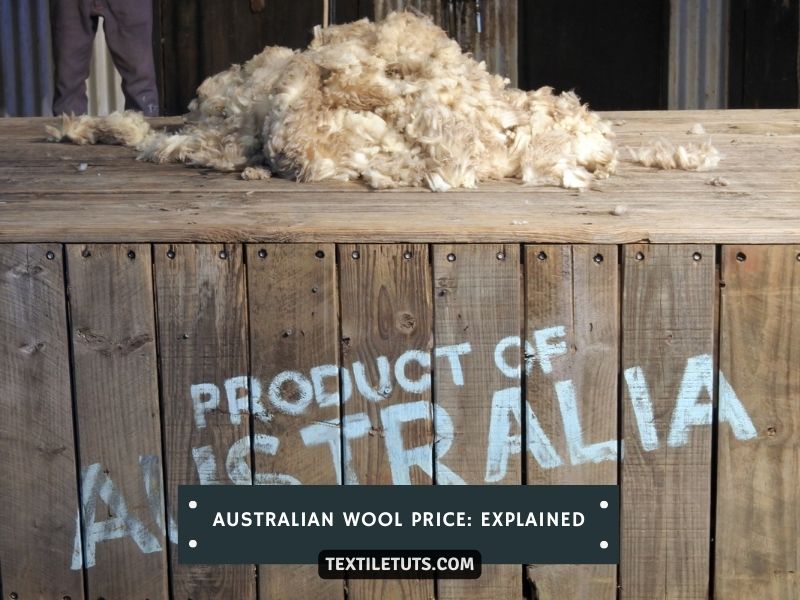
Australian wool ranks among the finest in the world, and it commands premium prices in global markets. Australia produces approximately 16% of the world’s wool supply, making it the second-largest producer after China. The country’s climate and breeding programs have produced Merino sheep that yield exceptionally fine fiber.
Wool is graded according to fiber diameter, staple length, and impurity content. Australian Merino wool typically falls into the ultrafine to medium categories, measuring between 11.5 and 23 microns. The country’s strict quality certification system, including the “1PP” benchmark for wool 16.9 microns and finer, ensures consistency and excellence.
The 2004 sale of an 11.8-micron Australian bale for AU$3,000 per kilogram illustrates the extraordinary value of ultra-fine Australian wool. This exceptional price reflects the extreme scarcity of fiber that fine combined with strong demand from luxury textile manufacturers.
For consumers seeking high-quality woolen garments, Australian Merino represents a sound investment. The fiber’s durability, softness, and structural integrity produce garments that outlast cheaper alternatives by years.
Merino Wool: The Premier Fiber for Premium Garments
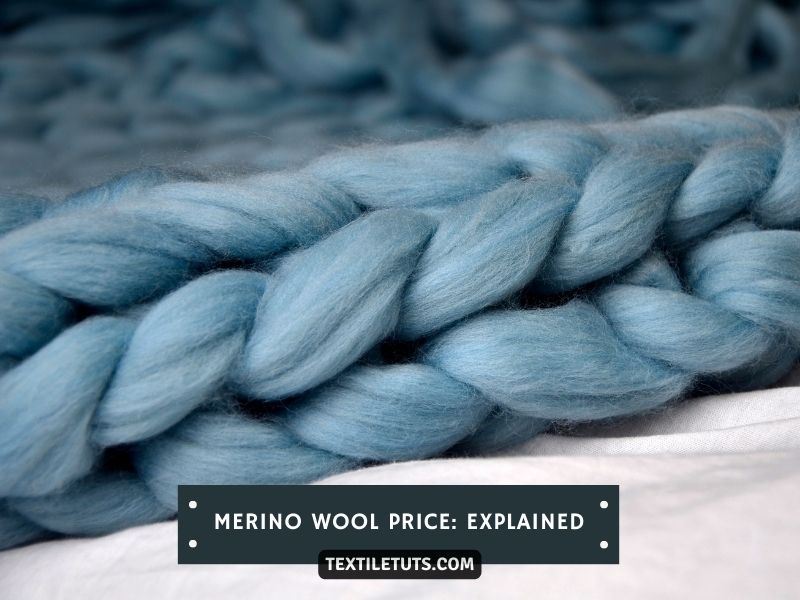
Merino wool comes from the Merino sheep breed and represents one of the finest natural fibers available. Merino sheep produce fleece with fiber diameters between 11.5 and 24 microns, with staple lengths typically ranging from 65 to 100 millimeters. This fine diameter creates the soft, comfortable feel that distinguishes Merino from coarser wools.
Merino wool commands prices up to AU$3,000 per kilogram for the finest grades at auction. The high cost reflects the limited supply: Saxon Merino sheep produce only 3 to 6 kilograms of greasy wool annually, while even the larger Peppin Merino rams yield a maximum of 18 kilograms per year.
What Makes Merino Wool Special
Merino wool offers several performance advantages over coarser fibers and synthetic alternatives. The fine fiber structure creates up to 40 crimps per centimeter, contributing to excellent elasticity and shape retention. Here are the key properties that define Merino wool quality:
- Softness: Fiber diameter between 11.5 and 24 microns produces a smooth, non-itchy feel against skin
- Moisture management: Wool absorbs up to 33% of its own weight in water while remaining dry to the touch
- Temperature regulation: The crimped fiber structure traps air for natural insulation in cold conditions
- Natural fire resistance: Wool ignites at a higher temperature than cotton or synthetics and forms self-extinguishing char
- Antimicrobial properties: Lanolin and the fiber’s moisture-wicking properties inhibit bacterial growth and odor
Natural Wool Versus Synthetic: Understanding the Price Difference
Natural wool costs more than synthetic fibers due to fundamental differences in production and material properties. Wool comes from sheep and requires months of growth before shearing, whereas synthetic fibers are manufactured from petroleum derivatives in continuous, scalable processes. This production asymmetry means synthetic fabrics can be produced at a fraction of wool’s cost.
Despite the higher price, wool outperforms synthetic fibers in longevity, comfort, and environmental impact. Wool garments maintain their structure and appearance for years longer than synthetic equivalents, reducing the cost-per-wear despite the higher initial investment. Wool is also a completely renewable and biodegradable resource at end of life, unlike petroleum-based synthetic fibers.
Silk Versus Wool: Comparing Natural Fiber Costs
Silk generally costs more than wool, though the price gap varies by specific fiber type and quality grade. Both are luxury natural fibers with distinct properties: silk excels in drape and luster, while wool provides superior warmth retention, moisture management, and fire resistance. The finest wool varieties, such as cashmere from goats, exceed even silk in price per kilogram.
Outdoor Wool Cushions: Value Assessment
Outdoor cushions command premium prices due to their ability to withstand environmental exposure and maintain structural integrity over years of use.
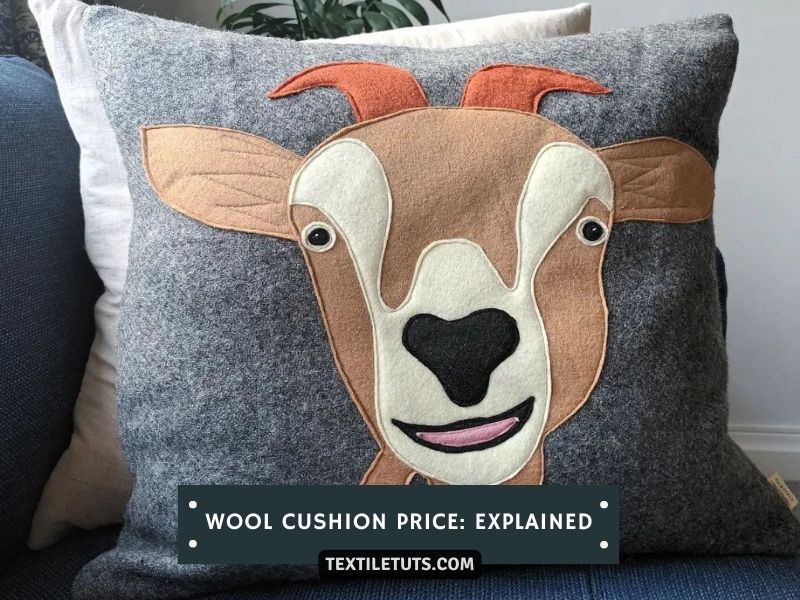
Wool cushions offer exceptional performance for outdoor applications. The fiber naturally resists moisture absorption through its hydrophobic outer layer while the inner cortex handles humidity management. Wool cushions withstand cold, damp conditions without the fiber degradation that affects synthetic alternatives.
Wool provides inherent fire resistance without chemical treatments. The fiber ignites at higher temperatures than cotton and many synthetics, produces a lower heat of combustion, and self-extinguishes when the flame source is removed. This makes wool cushions particularly valuable in outdoor entertainment areas where fire safety is a concern.
Wool cushions require minimal maintenance compared to synthetic outdoor cushions. The fiber’s natural antimicrobial properties resist odor-causing bacteria, reducing the need for deep cleaning. With proper care, quality wool cushions maintain their comfort and appearance for many years, making the higher initial cost a worthwhile long-term investment.
Summary: Why Wool Commands Premium Prices
Wool’s high price stems from limited global supply, intensive labor requirements, and the exceptional performance characteristics that natural fibers provide. The 2 million tonnes produced annually represents only 3% of the global textile market, ensuring consistent demand for a relatively scarce material.
While cheaper synthetic alternatives exist, they cannot replicate wool’s combination of moisture management, temperature regulation, fire resistance, and long-term durability. For consumers who prioritize quality and longevity, wool’s higher cost per garment delivers superior value over time.
References
- Wikipedia. (2024). Wool. Wikimedia Foundation.
- Wikipedia. (2024). Merino. Wikimedia Foundation.
- CottonWorks. (2024). Wool Properties and Specifications. Cotton Incorporated.
- Textile Exchange. (2024). Wool: Preferred Fiber Market Report. Textile Exchange.


