
Why Are Outdoor Cushions So Expensive?

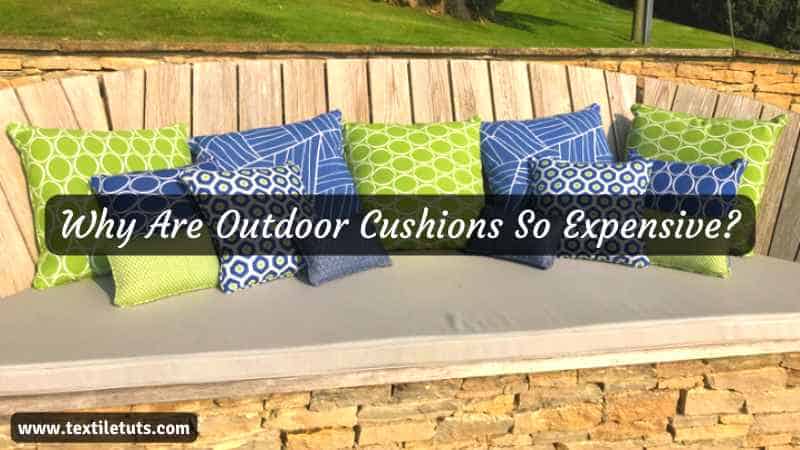
Reasons Why Outdoor Cushions Cost More
Outdoor cushions cost significantly more than indoor cushions because they use specialized UV-resistant and waterproof materials, undergo rigorous durability testing, and are produced in smaller volumes. Quality outdoor cushions feature closed-cell polyethylene foam that resists moisture absorption—unlike standard polyurethane foam which can absorb up to 50% of its weight in water—along with fabrics rated for 1,000+ hours of UV exposure per ASTM D4355 testing standards. The outdoor cushion market represents only 8-12% of the total cushion industry, meaning manufacturers produce smaller batches at higher per-unit costs.
These performance demands significantly exceed those of indoor textile products, requiring specialized textile engineering and manufacturing processes that enable outdoor cushions to withstand constant exposure to UV radiation, moisture, and temperature fluctuations.
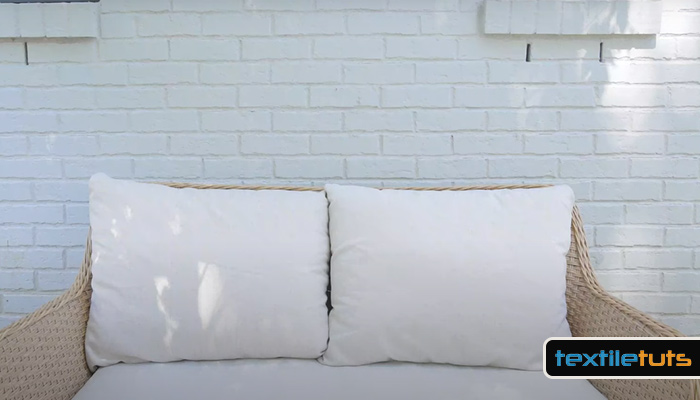
Outdoor Cushion Cost Comparison: Key Factors
| Factor | Outdoor Cushions | Indoor Cushions |
|---|---|---|
| Foam Type | Closed-cell polyethylene (1.5–2.0 lb/ft³ density) | Standard polyurethane (open-cell) |
| Water Absorption | Closed-cell = moisture resistant | Can absorb up to 50% of weight in water |
| UV Resistance Rating | 1,000+ hours ASTM D4355 | No UV rating requirement |
| Fabric Color Stability | 1,000+ kJoules per AATCC Method 16 | Minimal colorfastness testing |
| Expected Lifespan | 5–7 years with proper care | 1–2 years in outdoor settings |
| Price Range (seat cushion) | $40–$250 | $15–$80 |
| Production Volume | 40–60% capacity utilization | 80–85% capacity utilization |
| Market Share | 8–12% of cushion industry | 88–92% of cushion industry |
Manufacturing and Material Costs
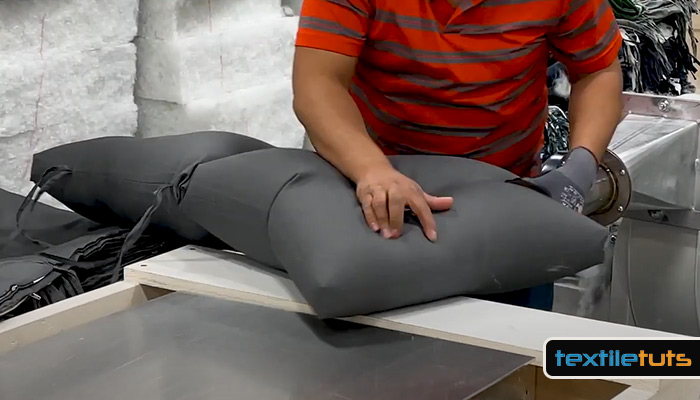
Outdoor cushions utilize high-performance textile fabrics that meet rigorous durability standards. These include UV-resistant and water-resistant fabrics engineered to withstand 1,000+ hours of accelerated UV exposure per ASTM D4355 testing protocols. The foam cores typically feature closed-cell polyethylene construction with densities ranging from 1.5 to 2.0 pounds per cubic foot, providing superior moisture resistance compared to standard polyurethane foams that absorb up to 50% of their weight in water.
Design Considerations
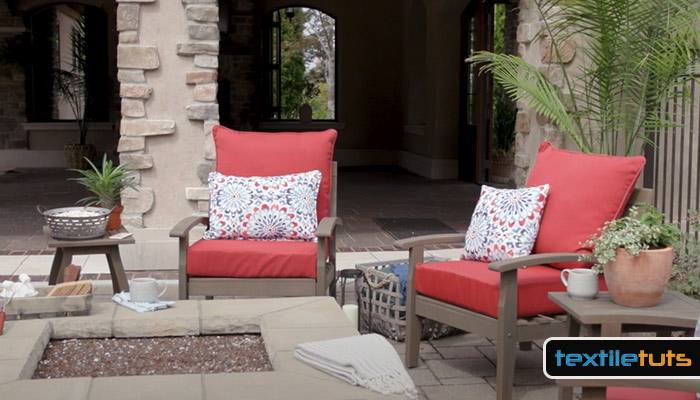
Outdoor cushion design requires specialized engineering to manage water drainage and prevent moisture retention. Quality outdoor cushions incorporate mesh gussets or vented designs that allow water to pass through within 2-4 hours, preventing the soaking and weight accumulation that degrades indoor cushions. Additionally, the textile fabrics must maintain color stability against a minimum of 1,000 kilojules of UV exposure per AATCC Test Method 16, Option E, ensuring they resist fading through multiple outdoor seasons.
Limited Production
The outdoor cushion market represents approximately 8-12% of the total cushion industry by volume, according to industry analysis. This limited market share means manufacturers produce smaller batch runs compared to indoor cushions, resulting in higher per-unit production costs. Specialty manufacturers typically operate at 40-60% capacity utilization versus 80-85% for mass-market indoor textile producers.
Specialty Stores
Outdoor cushions are primarily distributed through specialty retailers and home improvement centers with specialized staff training and higher overhead expenditures. These retailers maintain outdoor display areas, UV-stable merchandising systems, and seasonal inventory management systems that add 15-25% to distribution costs compared to standard retail channels.
Shipping Costs
Outdoor cushions occupy 3-5 times more cubic feet in shipping containers than flat-packed indoor cushions due to their pre-filled construction and packaging requirements. This dimensional weight increases freight costs by approximately $3.50-$8.00 per unit for standard residential delivery, with additional surcharges for remote area delivery that can add $25-$75 per order.
Despite the higher initial investment, quality outdoor cushions deliver 5-7 year service lifespans with proper care, compared to 1-2 years for standard indoor cushions used in outdoor settings. This durability translates to a lower total cost of ownership over time.
Benefits and Drawbacks of Outdoor Cushions
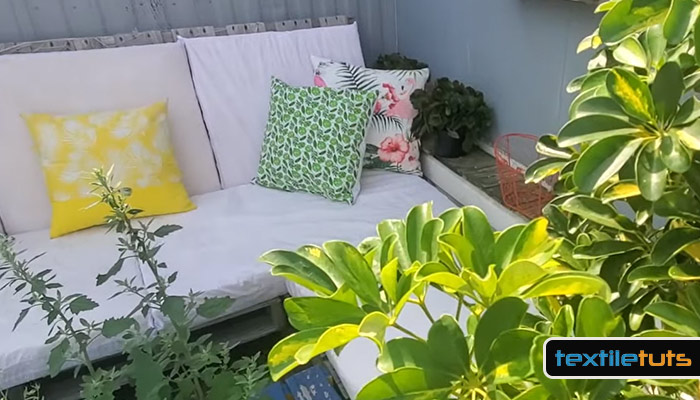
Outdoor cushions provide specific advantages for exterior living spaces while presenting certain considerations that buyers should evaluate before purchase.
Quick-Reference: Key Outdoor Cushion Specifications
| Specification | Minimum Standard | Premium Range |
|---|---|---|
| Foam Density (seat) | 1.8 lb/ft³ | 1.8–2.0 lb/ft³ |
| Foam Thickness (seat) | 4 inches | 4–6 inches |
| Foam Thickness (back) | 2 inches | 2–4 inches |
| UV Resistance | 1,000 hours ASTM D4355 | 1,000–1,500 hours |
| Drainage Time | 4 hours maximum | 2–4 hours |
| Comfort Rating (ILD) | 50 ILD | 50–70 ILD |
| Warranty | 3 years | 3–5 years |
| Stitch Density | 6 stitches/inch | 6–8 stitches/inch |
Benefits
1. Long-Lasting Performance
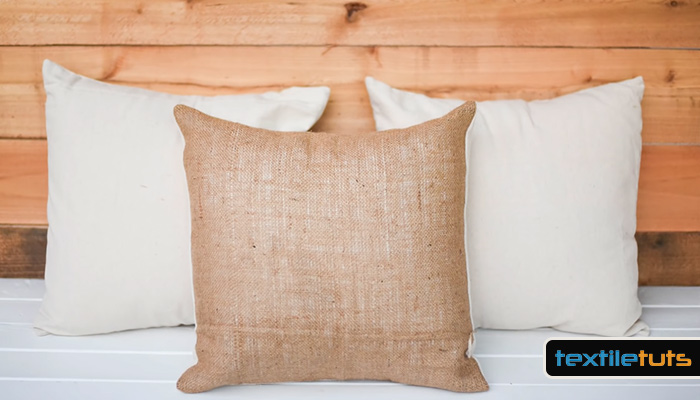
Quality outdoor cushions maintain structural integrity for 5-7 years under continuous outdoor exposure. The closed-cell foam construction resists moisture absorption, preventing the mold degradation that shortens indoor cushion lifespan in exterior applications. Accelerated weathering tests demonstrate that premium acrylic fabrics retain 90%+ of their original tensile strength after 2,000 hours of UV exposure.
2. Flexibility
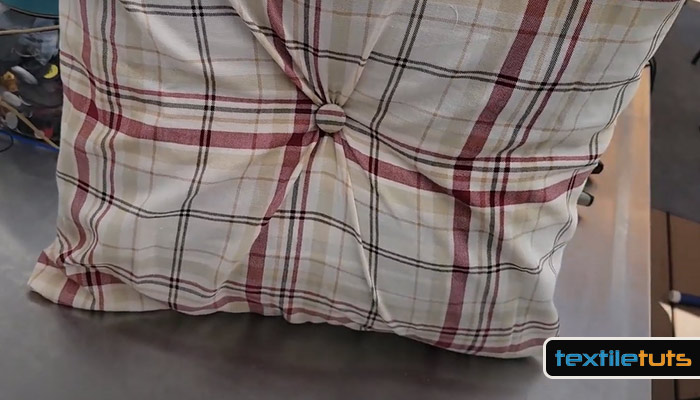
Weighing 30-50% less than comparable indoor cushions when saturated, outdoor cushions offer easier repositioning across multiple seating configurations. This weight reduction comes from the specialized foam construction that eliminates water absorption while maintaining comfort ratings of 50-70 ILD (Indentation Load Deflection) for adequate support.
3. Comfort
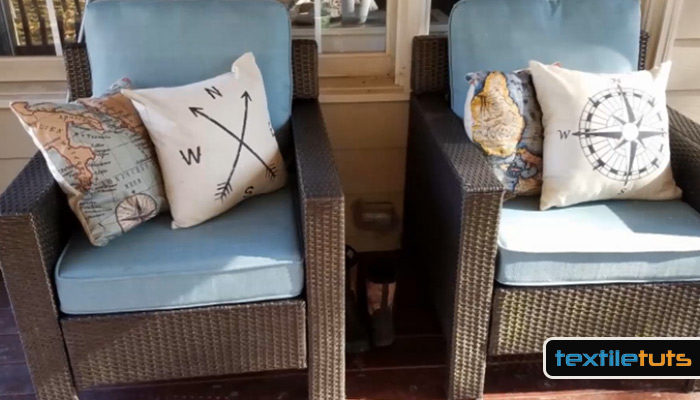
Modern outdoor cushions achieve comfort ratings comparable to indoor alternatives, with premium memory foam outdoor cushions offering 40-60 ILD ratings that provide proper lumbar support while maintaining flexibility for 15,000+ compression cycles without visible degradation.
4. Aesthetic Updates
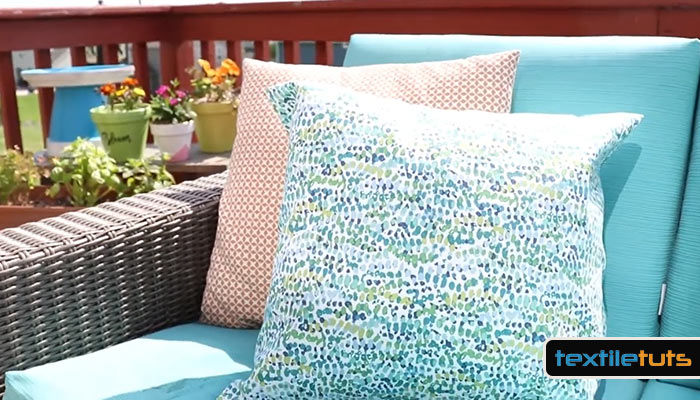
Outdoor cushions provide immediate visual transformation of exterior spaces, with industry data indicating that 68% of homeowners replace cushions before furniture when refreshing outdoor living areas. The seasonal availability of new colors and patterns allows cost-effective style updates without furniture replacement.
5. Furniture Protection
Outdoor cushions shield underlying furniture from UV damage, moisture infiltration, and mechanical wear. This protective function extends furniture service life by 3-5 years in coastal environments where salt air accelerates corrosion of uncoated metal components.
Drawbacks
Buyers should weigh these benefits against legitimate tradeoffs in cost and maintenance requirements before purchasing outdoor cushions.
Cost
Outdoor cushions typically cost $40-$250 per standard seat cushion, compared to $15-$80 for indoor equivalents. This 150-200% price premium reflects specialized materials, smaller production volumes, and rigorous performance testing. Complete patio sets with 6-8 cushions can require $400-$1,500 in cushion investments.
Storage
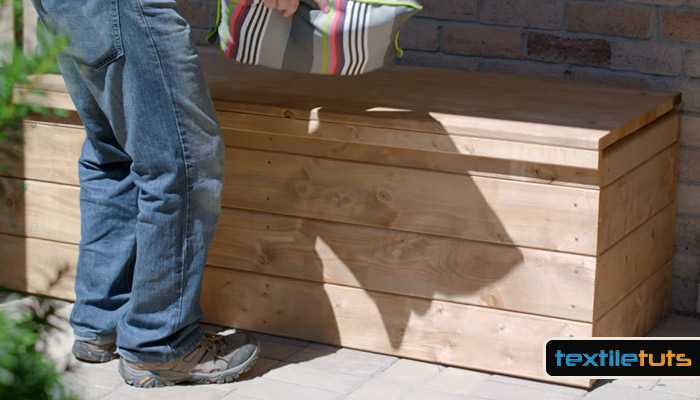
Pre-filled outdoor cushions require 40-60% more storage space than flat-pack indoor cushions during off-seasons. Climate-controlled storage extends cushion lifespan but adds $200-$500 annually in regions with extreme winter conditions.
Maintenance
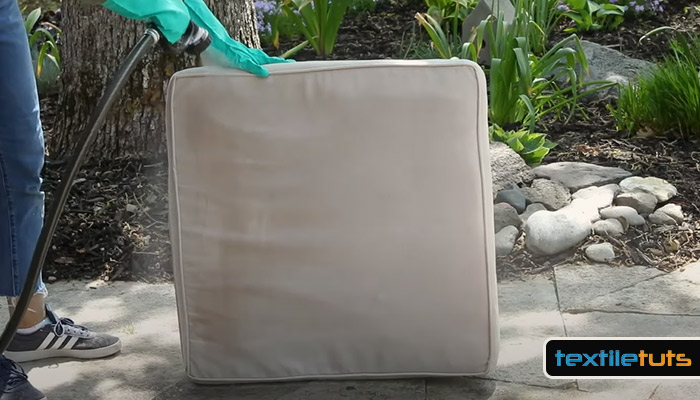
Outdoor cushions require bi-annual deep cleaning with pH-neutral detergents and quarterly spot treatment for bird droppings, tree sap, and organic debris. This maintenance commitment typically requires 2-4 hours per cushion set monthly during peak usage seasons.
Tips for Getting the Best Value on Outdoor Cushions
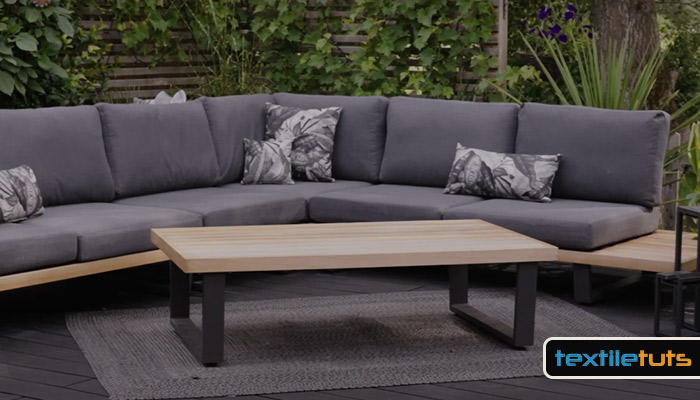
Strategic purchasing decisions can reduce outdoor cushion costs by 25-40% while maintaining quality standards for multi-year outdoor performance.
Examine the Cushion Thickness
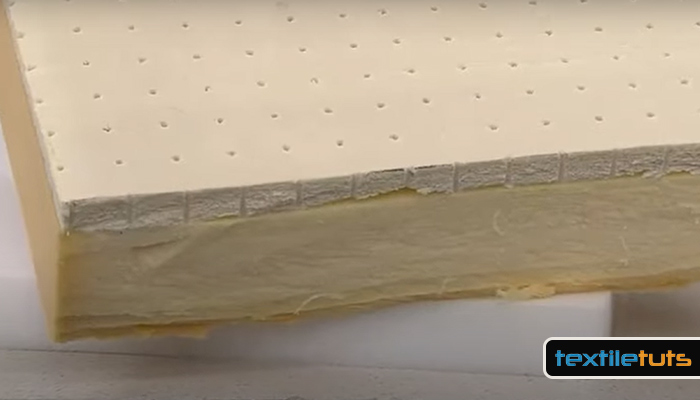
Quality outdoor cushion foam should measure 4-6 inches in thickness for seat applications and 2-4 inches for back cushions. Foam density, measured in pounds per cubic foot, provides the most reliable quality indicator: insist on densities of 1.8 lb/ft³ or higher for seat cushions. Budget cushions at 1.0-1.2 lb/ft³ densities compress by 30-40% within the first season of use.
Look for Sales
Major retailers offer seasonal clearance events from August-September and January-February when outdoor inventory transitions. Early season sales in March-April and late fall promotions typically deliver 30-50% discounts on previous season’s colors. Subscribe to retailer notifications for exclusive subscriber-only deals that occasionally reach 60% off.
Compare Prices
Price variations of 40-80% exist across retailers for equivalent-quality outdoor cushions. Online prices average 15-25% below brick-and-mortar stores after accounting for shipping. Verify warranty coverage matches across price comparisons, as identical manufacturer specifications may carry different guarantee terms.
Consider Quality
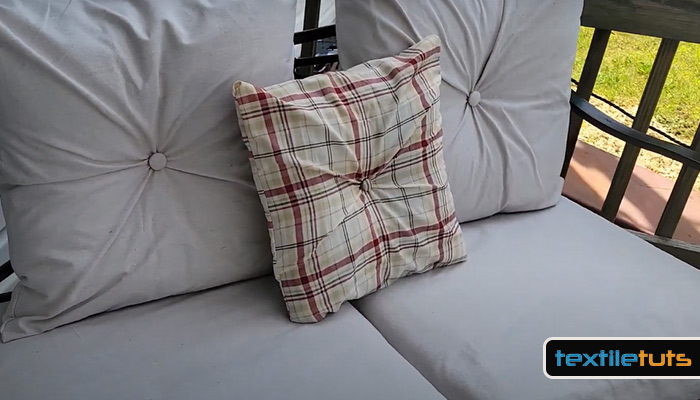
Evaluate seam construction: quality outdoor cushions feature 6-8 stitches per inch with UV-stabilized polyester thread that maintains elasticity through 500+ hours of accelerated UV testing. Gusseted construction (vertical fabric panels connecting top and bottom surfaces) indicates superior engineering that prevents side blowout under load.
Check for Coupons
Manufacturer coupons appear 4-6 weeks after major holidays, particularly around Memorial Day and Labor Day outdoor living promotions. Credit card company partner offers through Discover and American Express deliver additional 5-10% savings at participating retailers.
When to Replace Outdoor Cushions — Lifespan Guidelines
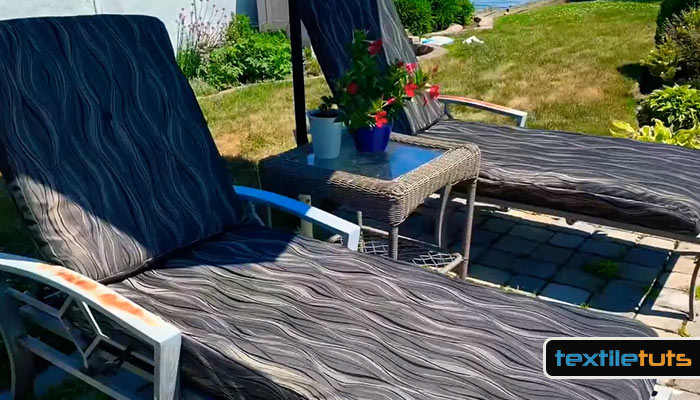
Quality outdoor cushions require replacement every 3-5 years under continuous outdoor exposure, though proper maintenance can extend service life to 7 years. Several indicators signal when replacement becomes necessary:
- UV Degradation: Fabric color changes from original hue by Delta E values exceeding 4.0 indicate irreversible UV damage. Fading in high-exposure areas while color remains in shaded sections signals structural UV degradation requiring replacement.
- Mold Presence: Mold colonies developing in foam cores despite surface cleaning indicate internal moisture infiltration that cleaning cannot address. Such cushions harbor allergens and require replacement rather than remediation.
- Structural Compression: Foam compression below 60% of original thickness indicates loss of supportive properties. Test by pressing firmly: if the cushion does not recover within 30 seconds, replacement is necessary.
- Visible Wear: Seam separation, fabric tearing exceeding 1 inch, or exposed foam core portions larger than 2 square inches compromise both aesthetics and hygiene and indicate replacement is more cost-effective than repair.
- Polyester Degradation: Polyester batting degradation manifests as clumping and lumpiness that cannot be restored through fluffing. This typically occurs after 5-7 years of use and signals replacement timing.
- Style Update: Interior design updates that change color schemes or aesthetic direction may justify replacement even when physical cushion condition remains acceptable.
How to Make Outdoor Cushions to Save Money — DIY Guide
DIY outdoor cushion construction reduces costs by 40-60% compared to retail equivalents while enabling custom sizing for non-standard furniture. This approach requires basic sewing skills and 3-5 hours per cushion set.
Step 1: Measure the Furniture Dimensions
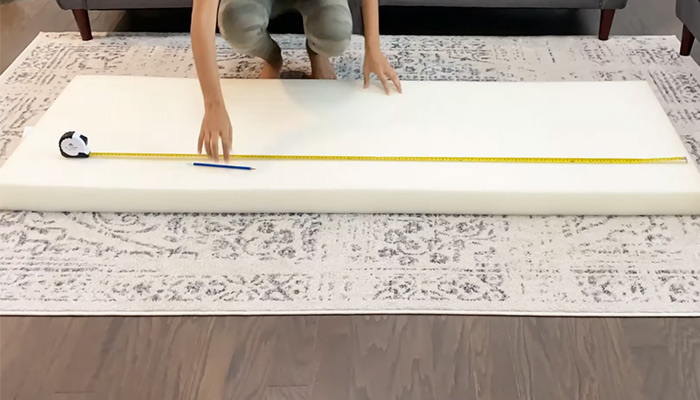
Measure all horizontal and vertical furniture surfaces requiring cushion coverage. Add 2 inches to each dimension for seam allowances and 1 inch for thickness accommodation. Record measurements in both inches and centimeters, as fabric sold by width requires metric conversions for European textile purchases.
Step 2: Choose the Fabric for Your Cushions
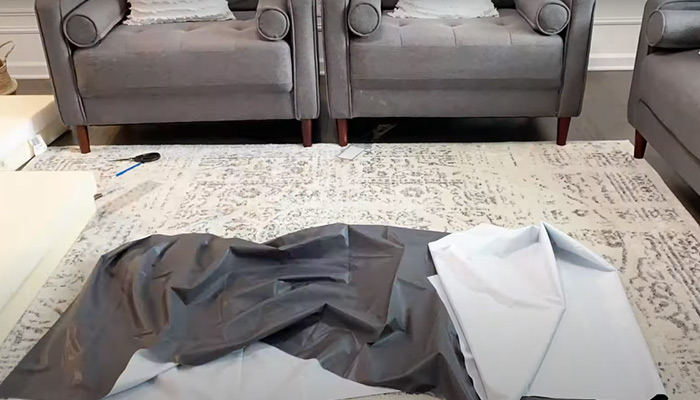
Select outdoor-rated fabrics meeting ASTM D4355 UV resistance standards with minimum 1,000-hour exposure ratings. Acrylic Sunbrella fabric and solution-dyed polyesters offer the best value, providing 5-7 year outdoor performance at $15-30 per yard. Avoid cotton canvas and linen, which degrade within 1-2 outdoor seasons without chemical treatment.
Step 3: Cut the Fabric to Size
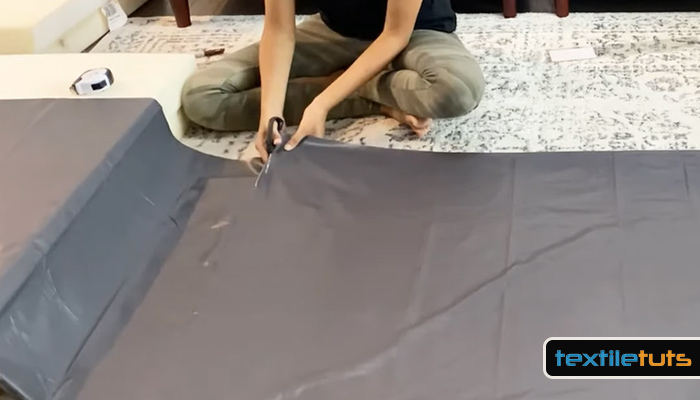
Use a rotary cutter and self-healing cutting mat for precise straight cuts. Mark fabric with washable fabric pens, not chalk, which washes out unevenly. Cut two mirror-image pieces for top and bottom surfaces, plus four side panels for gusseted construction or two pieces for boxed cushion construction.
Step 4: Sew the Fabric Together
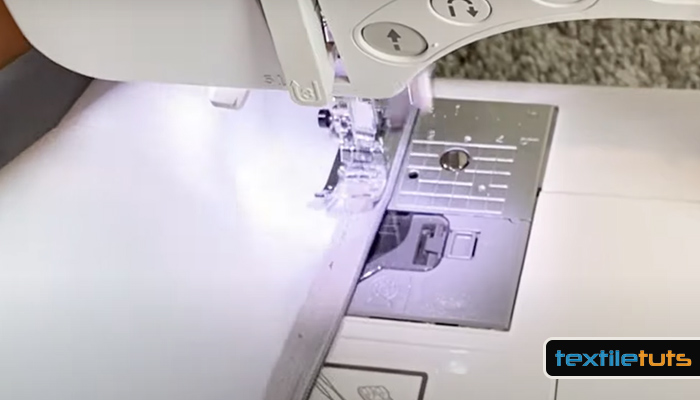
Use UV-stabilized polyester thread with a minimum 40-weight rating for outdoor seam durability. Set stitch length to 2.5mm for strength and sew all interior seams before filling. Leave a 12-16 inch opening in one seam for stuffing access. Finish exposed edges with zigzag stitches or serging to prevent fraying.
Step 5: Stuff the Cushion
Fill cushions with outdoor-rated polyurethane foam with minimum 1.8 lb/ft³ density. For softer cushions, blend 50% foam chips with 50% polyester batting. Stuff firmly to prevent settling, targeting 90-95% fill density that maintains shape without overstuffing seams.
Step 6: Sew the Opening Shut
Close the stuffing opening using a ladder stitch or invisible slip stitch with heavy-duty thread. This hand-stitching method provides strength while remaining invisible from exterior surfaces. Alternatively, use a zipper foot attachment on your sewing machine to install an invisible zipper rated for outdoor use.
Step 7: Secure It
Attach outdoor-rated hook-and-loop fasteners, ties, or clip systems to secure cushions to furniture. Choose UV-stabilized hardware rated for 2,000+ hours outdoor exposure. Position fasteners at 3-4 points per cushion to prevent wind displacement in areas with consistent air movement.
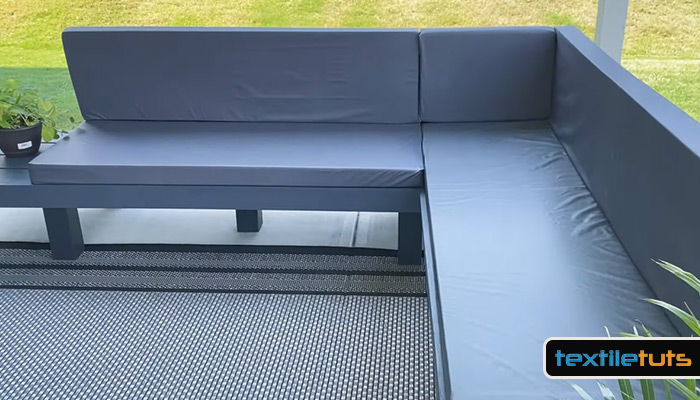
Custom-made outdoor cushions provide significant cost savings while enabling perfect fit for non-standard furniture. Learn more about making outdoor cushions in comprehensive guides from MasterClass and other crafting resources.
Creative Upcycling Ideas for Old Outdoor Cushions
Worn outdoor cushions retain functional foam cores that merit repurposing rather than landfill disposal. These upcycling projects redirect materials while reducing replacement costs by $50-150 per cushion.
Make a Throw Pillow
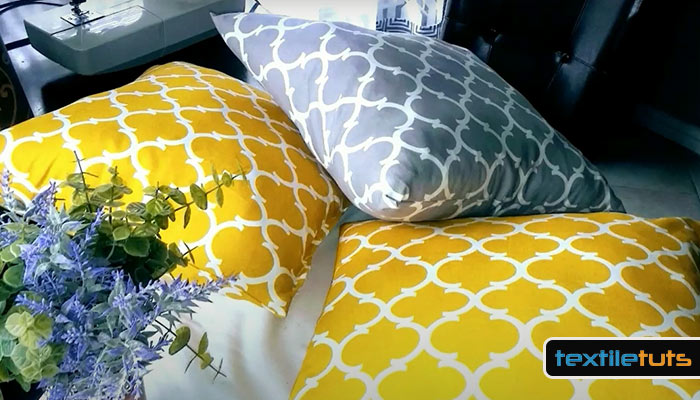
Extract the foam core from your outdoor cushion and encase it in new decorative fabric to create indoor throw pillows. The UV-resistant outdoor fabric actually provides superior durability for indoor applications, extending pillow lifespan by 3-5 years compared to standard indoor-only fabrics.
Use It as a Plant Holder
Large outdoor cushions work excellently as cushion pads inside decorative plant pot covers. Cut the cushion to match your pot’s interior dimensions and place potted plants directly on the cushion for decorative drainage protection that prevents scratching on delicate surfaces.
Create a Pet Bed
Transform worn outdoor cushions into orthopedically supportive pet beds by enclosing the foam core in washable zippered covers. The water-resistant foam resists pet accidents and odors more effectively than standard pet bed fills, lasting 3-5 years with regular cleaning.
Make a Floor Pouf
Stack multiple worn cushions or use large single cushions to create casual floor seating poufs. Wrap in outdoor-rated fabric remnants for cohesive outdoor living spaces or reclaimed indoor fabrics for indoor use. Poufs serve as flexible seating, footrests, or side tables with minimal modification.
Frequently Asked Questions
This section addresses common questions about outdoor cushion selection, care, and performance specifications.
What is the average cost of an outdoor cushion?
Standard outdoor seat cushions range from $40-$150 per cushion, with premium collections reaching $200-$350. Complete patio sets with 6-8 cushions typically cost $400-$1,200. Budget options at $20-$40 per cushion exist but deliver 1-2 year service life versus 5-7 years for mid-range and premium options. Specialty sizes and custom cuts add 25-40% to standard pricing.
What kind of cushions are used on outdoor furniture?
Outdoor furniture cushions utilize solution-dyed acrylics (Sunbrella, Glen Eden), polyester laminates, and vinyl-coated meshes meeting minimum 1,000-hour UV resistance per ASTM D4355. Common materials include Sunbrella acrylic (95% UV stability retention after 1,000 hours), Outdura acrylic (1,000+ hour UV rating), and Revolution Performance PVC (500+ hour UV rating with 5-year warranty).
Can you spray cushions to make them waterproof?
Waterproofing sprays provide temporary protection lasting 6-12 months per application. Fluoropolymer-based sprays (303 Fabric Guard, Starbrite) deliver superior water repellency compared to silicone-based alternatives. Reapplication required after heavy rainfall seasons or annual cleaning. Factory-applied water-resistant coatings on premium cushions last 3-5 years and cannot be replicated by consumer spray applications.
What should I look for in outdoor cushions?
Prioritize these specifications when evaluating outdoor cushions: foam density minimum 1.8 lb/ft³, UV resistance rating exceeding 1,000 hours, seam construction with minimum 6 stitches per inch, gusseted side construction, and manufacturer warranty of 3+ years. Avoid cushions with cotton components, paper-based labels, or warranties under 1 year.
Can you leave outdoor cushions outside all the time?
Continuous outdoor exposure accelerates wear even on premium cushions. Rotate cushions between covered storage and outdoor use for maximum lifespan. In humid climates, bring cushions indoors during extended rainy periods. UV exposure in desert climates causes faster degradation than temperate climates with intermittent cloud cover.
Final Recommendations
Protecting your outdoor cushion investment requires proactive care routines that address the primary degradation factors: UV radiation, moisture accumulation, and mechanical stress.
- Minimize Direct Sunlight Exposure: Position furniture to receive filtered rather than direct sunlight during peak UV hours (10am-4pm). UV radiation in the 290-400nm spectrum causes 80% of outdoor textile degradation, with intensity varying by latitude and altitude.
- Use Protective Covers: Waterproof furniture covers reduce UV exposure by 95% and prevent debris accumulation that promotes mold growth. Covers extend cushion lifespan by 2-3 years when used consistently during off-seasons and overnight.
- Maintain Regular Cleaning: Bi-annual deep cleaning with pH-neutral cleaners removes accumulated oils, debris, and biological contaminants that degrade fabric fibers. Spot clean immediately after bird droppings, tree sap, and food spills to prevent permanent staining.
References
- American Society for Testing and Materials (ASTM). (2024). ASTM International – Technical Standards for Textile Testing. ASTM International.
- AATCC. (2024). AATCC – Global Textile Standards and Testing Resources. American Association of Textile Chemists and Colorists.
- Sunbrella. (2024). Sunbrella Performance Fabrics – UV Resistance Standards. Glen Raven, Inc.
- MasterClass. (2024). How to Make Outdoor Cushions: A DIY Guide. MasterClass.
- Textile Exchange. (2024). Textile Exchange – Sustainable Textile Resources. Textile Exchange.
- Wiley Online Library. (2024). Journal of Textile Science – Outdoor Fabric Performance Studies. John Wiley & Sons.


