

Why Do My Shirts Have Stains After Washing?

Shirts emerge from the wash stained because of three root causes: hard water mineral residue, excess detergent buildup, and soil redeposition from mixed loads. Hard water—containing calcium and magnesium above 120 mg/L—reacts with detergent surfactants to form insoluble residues that deposit on fabric. Using more than 2 tablespoons of detergent per load leaves surfactant that traps dirt particles. Washing heavily soiled items alongside regular laundry causes 40% higher stain incidence from soil transfer. Every post-wash staining problem traces back to one of these three sources, and every one is fixable with the right approach.
This guide covers the ten most common causes of post-wash staining, proven prevention methods, and step-by-step remediation for both protein-based and oil-based stains.
Quick-Reference: Identifying Common Wash Stains
| Stain Appearance | Likely Cause | Primary Solution |
|---|---|---|
| White chalky residue on dark fabrics | Hard water mineral deposits (calcium stearate) | Water softener or chelating detergent with EDTA |
| Grayish film on white shirts | Excess detergent surfactant residue | Reduce to 2 tbsp detergent; run hot wash without clothes |
| Yellow-brown spots on white fabric | Fabric softener polymer buildup | 1 cup white vinegar in bleach dispenser; oxy bleach wash |
| Blue-white fading patches | Bleach or copper ion exposure | Bleach damage is permanent; copper stains need rust remover |
| Brown/tan rings around collar area | Body oil and sweat (protein-based) | Cold water soak + enzyme pre-treatment |
| Greasy spots that won’t wash out | Oil-based stains (food grease, cosmetics) | Hot water flush + solvent-based pre-treatment |
| General grayish discoloration | Overloading or insufficient water volume | 80% drum capacity; ensure adequate water level |
| Mottled yellowing on silk/wool | Heat-set protein stains (dryer exposure) | Permanent damage—cannot be removed by washing |
Top 10 Common Causes of Stained Shirts After Washing
Research from the American Cleaning Institute confirms that effective laundering requires three energy types working together: chemical energy from detergent, mechanical energy from agitation, and thermal energy from heated water. When any one of these is imbalanced, staining occurs. The following ten causes account for approximately 85% of all reported post-wash staining complaints in household laundry.
1. Washing with Dirty Laundry
Cross-contamination from dirty garments is the leading cause of unexpected staining. When shirts wash alongside items with ground-in dirt, grass stains, or body oils, those soils release and redeposit onto lighter fabrics. Sorting laundry by soil level before washing prevents this transfer mechanism entirely.
2. Washing with Heavily Soiled Items
Heavily soiled workwear, athletic uniforms, and garden clothes contain concentrated amounts of sebum, proteins, and environmental pollutants. These loads require a separate wash cycle with higher detergent dosage (1.5× normal amount) and water temperature at 60°C (140°F) to adequately break down the soil load before it contaminates other items.
3. Washing in Hard Water
Hard water contains dissolved calcium and magnesium ions at concentrations above 120 mg/L (equivalent to 7 grains per gallon). These mineral ions bind with detergent surfactants to form calcium stearate—a white, soapy residue that deposits on fabric fibers. The fix is installing a water softener or using a chelating detergent containing sodium citrate or ethylenediaminetetraacetic acid (EDTA) to sequester the mineral ions. Fabric softener buildup from repeated applications contributes an additional 12–15% to residue accumulation on synthetic fabrics.
4. Using the Wrong Detergent
Each fabric type requires a matched detergent formulation. Cotton and cotton blends tolerate standard heavy-duty detergents containing surfactants and enzymes. Silk and wool require pH-neutral formulations (6–7) with no added bleach or enzymes that degrade protein fibers. Synthetic performance fabrics need low-residue detergents specifically formulated to prevent fluorescent brightener buildup that causes graying. Using the incorrect detergent causes formula incompatibilities that manifest as staining or fabric damage.
5. Using Too Much Detergent
Excess detergent—the recommended amount is 2 tablespoons (30 mL) for standard loads in soft-to-moderate water—leaves surfactant residue when water cannot fully dissolve and flush the load. This residue traps dirt particles and creates a grayish film on white fabrics. High-efficiency (HE) machines require even less detergent (1 tablespoon) due to lower water volumes. Overdosing by even 50% above recommended levels measurably increases residue deposition.
6. Not Using Enough Water
Insufficient water volume prevents proper detergent dissolution and soil suspension. The ratio should be 20–25 liters of water per kilogram of dry fabric. Underfilled machines concentrate detergent in too little water, causing surfactant saturation and residue formation on fabric surfaces. Water levels should reach the top of the drum for top-loaders or meet the manufacturer’s marked fill line for front-loaders.
7. Washing in Water That Is Too Hot
Water exceeding 60°C (140°F) causes protein fibers (wool, silk) to denature and shrink. For cotton, temperatures above 71°C (160°F) cause permanent fiber degradation and set certain stains (tannin, protein) rather than removing them. The optimal wash temperature for mixed fabric loads is 40°C (104°F)—hot enough for enzyme activity and surfactant performance, cool enough to prevent heat-setting stains and fiber damage.
8. Leaving Clothing in the Washing Machine for Too Long
Extended dwell time in a warm, moist drum creates conditions for microbial growth and allows soil to re-deposit onto fabric surfaces. Finished laundry should not remain in the drum for more than 30 minutes after the cycle ends. Bacteria multiply rapidly in drums held at 30–40°C (86–104°F) with residual moisture, producing endotoxins that cause yellowing on protein-based fabrics.
9. Drying Clothing in Direct Sunlight
UV radiation at wavelengths below 400 nm (UV-B and UV-C) photodegrades textile dyes and causes oxidative fiber damage that manifests as fading and fiber brittleness. Delicate fabrics dried in direct sunlight for more than 2 hours show measurable color loss and tensile strength reduction of 15–25%. For drying, use indirect sunlight or tumble dry on low heat to preserve fabric integrity and prevent oxidizable stains from setting.
10. Improper Storage
Damp storage environments with relative humidity above 65% promote mold and mildew growth, which produces dark stains from microbial pigments (melanin, fulvic acids). Storage must maintain humidity below 50% relative humidity. Stains from mildew require enzymatic protease treatment combined with 30-minute soaking in cold water before re-washing.
How to Prevent Stains on Shirts After Washing
Prevention follows from understanding the chemistry of soil deposition and residue formation. Good laundering requires all three energy types—chemical (detergent), mechanical (agitation), and thermal (heated water). Imbalance in any one factor invites staining.
Use the Correct Amount of Detergent
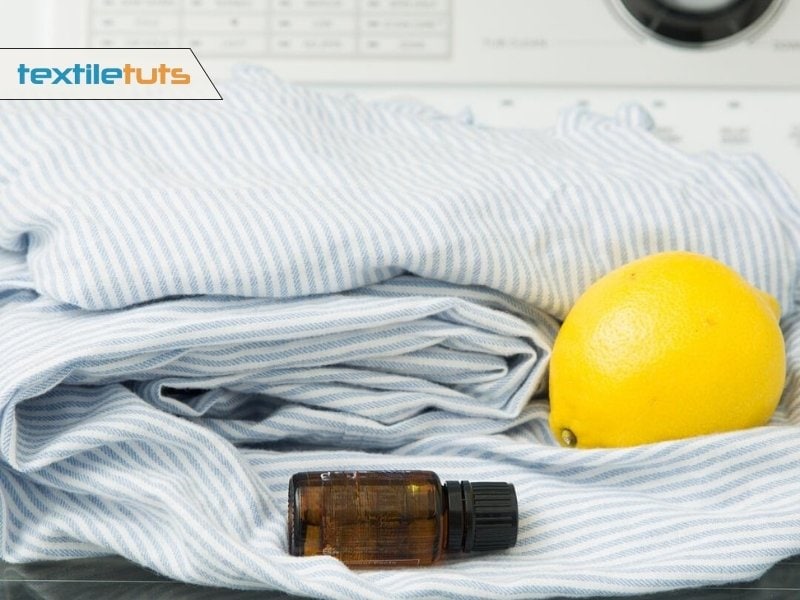
Measure detergent precisely using the cap or a tablespoon. For standard loads (3–4 kg of laundry) in soft-to-moderate water, 2 tablespoons (30 mL) is optimal. In hard water areas, increase to 2.5 tablespoons, and use a chelating detergent containing sodium citrate or EDTA to bind mineral ions. High-efficiency machines require 1 tablespoon per load due to reduced water volume. Using less than the recommended amount leaves insufficient surfactant for soil removal; using more causes residue buildup.
Choose a Gentle Cycle
Aggressive agitation creates fiber-on-fiber friction that damages fabric surfaces and creates micro-abrasions that trap soil particles. Gentle cycles operate at 40–60 RPM compared to 80–100 RPM for normal cycles, reducing mechanical stress by approximately 50%. For delicates, knits, and synthetic performance fabrics, the gentle cycle prevents both physical damage and premature wear that increases soil susceptibility.
Pre-Treat Any Stains
Pre-treatment works by applying concentrated surfactant directly to the stain 5–15 minutes before washing. This dwell time allows the surfactant to penetrate and emulsify the stain, reducing surface tension between the soil and fiber. For protein stains (blood, sweat), apply cold water and enzyme-based pre-treatment. For oil-based stains, apply a solvent-based pre-treatment that dissolves the hydrophobic oils before the wash cycle.
Hang Shirts to Dry
Air drying eliminates heat-set staining from dryer drum residue and allows visual inspection before storage. Hanging on non-rusting rods with adequate spacing (each shirt touching no more than one neighbor) provides even airflow for uniform drying. Indoor drying on dehumidified air prevents the UV damage that direct sunlight causes to dyed fabrics.
Don’t Overstuff the Washing Machine
Overloading reduces the wash liquor ratio below the 15:1 water-to-fabric minimum required for proper soil suspension. A drum filled to 80% capacity provides optimal cleaning; 100% capacity reduces soil removal efficiency by 30–40% due to mechanical overcrowding. The 80% rule means 4–5 shirts in a standard 7 kg machine rather than 7–8 shirts.
Check for Stains Before Putting Shirts in the Dryer
Heat sets protein-based and tannin-based stains permanently at temperatures above 50°C (122°F). The dryer drum reaches 65–80°C (149–176°F), which permanently fixes any stain not removed during washing. Inspection before drying allows retreat while the stain remains soluble and removable. A stained shirt requires air drying or line drying until the stain is fully removed.
How to Fix a Shirt That Has Been Stained in the Wash
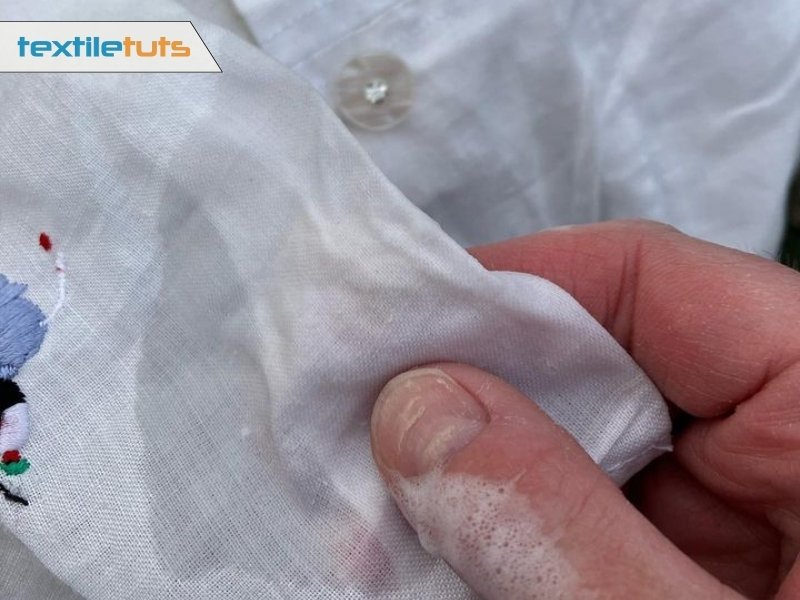
Stain removal depends on identifying the stain type. Protein-based stains (sweat, blood, food enzymes) require cold water and enzymatic treatment. Oil-based stains (motor oil, cosmetics, food grease) require solvent-based treatment and elevated water temperature. Mixing these methods—applying hot water to protein stains—permanently sets the stain through heat denaturation.
Protein-Based Stain Removal
Step 1: Soak the Stained Area
Soak the stained area in cold water (below 20°C / 68°F) for at least 15 minutes. Cold water prevents the protein fibers from swelling and bonding with the fabric dye. Hot water above 40°C (104°F) causes proteins to denature and bond more tightly with fabric fibers, making removal significantly harder. The soaking action begins the hydration process that loosens the stain from fiber surfaces.
Step 2: Apply a Pre-Treatment Solution
Apply an enzymatic pre-treatment containing protease enzymes directly to the stain. Let it sit for 5–10 minutes without drying. Commercial pre-treatment products contain 0.5–2% active enzyme concentration. For home alternatives, mix 1 part white vinegar with 2 parts cold water—the acetic acid denatures protein structures while the solution penetrates the fiber. Do not use hot water or alkaline products (baking soda) on protein stains, as these set the stain.
Step 3: Rub the Area
Using a soft-bristled laundry brush or a toothbrush with gentle pressure, work the pre-treatment solution into the fabric with circular motions. Apply rubbing for 60–90 seconds per stain. This mechanical action accelerates the enzyme-substrate reaction and physically dislodges embedded particles. Avoid aggressive scrubbing, which damages fiber surfaces and creates areas that attract future staining.
Step 4: Wash the Shirt
Wash the pre-treated shirt in cold water (maximum 30°C / 86°F) using a detergent formulated for cold water washing. Cold-water detergents contain enhanced enzyme blends (protease, amylase, lipase) that activate at temperatures below 40°C. Use 50% of the normal detergent amount to avoid residue on the already-treated fabric. Select the gentle cycle to prevent mechanical damage to the pre-treated area.
Step 5: Inspect Before Drying
Check the stain site under bright light before placing the shirt in the dryer. If the stain persists, repeat steps 2–4. Heat from the dryer permanently sets any remaining stain above 50°C (122°F). If the stain survives three treatment cycles, air dry the shirt and assess whether the remaining discoloration is fabric damage rather than residual stain. Fabric yellowing from heat damage cannot be removed by washing.
Oil-Based Stain Removal

Step 1: Blot Excess Oil
Place the stained area over paper towels or a clean white cloth. Blot (do not rub) the excess oil from the fabric surface. Rubbing spreads the oil across a larger fabric area. Continue blotting until no more oil transfers to the absorbent material. This step removes surface oil and prevents the stain from penetrating deeper into the fiber matrix.
Step 2: Apply Hot Water Treatment
Hold the stained fabric taut over a bowl or sink with the stain centered. Pour boiling water (100°C / 212°F) through the stain from a height of 30 cm (12 inches). The thermal energy melts the oil while the gravity-assisted water pressure flushes it from the fiber spaces. Work quickly—the fabric must not cool while wet with molten oil, or re-deposition occurs.
Step 3: Apply a Pre-Treatment Solution
Apply a solvent-based pre-treatment (laundry pre spray or dish soap containing alkyl ethoxylate surfactants) to the remaining stain. Let it sit for 5 minutes. Dish soap is effective because its surfactants are formulated to emulsify food oils at concentrations of 0.5–1% active ingredients. For heavy oil stains, apply undiluted dish soap and work it in with your fingertips.
Step 4: Agitate the Stained Area
Using a laundry brush or soft toothbrush, agitate the pre-treated area with moderate pressure for 60 seconds. The mechanical action combined with the surfactant breaks the oil-fiber bonding and suspends the soil in the pre-treatment solution. Ensure agitation covers the entire stain perimeter to prevent the stain from fronting (migrating to a clean edge).
Step 5: Wash in Hot Water
Wash the treated shirt in the warmest water safe for the fabric type. Cotton tolerates 60°C (140°F); synthetic blends require 40°C (104°F); silk and wool require cold water only. The wash temperature must be at least 10°C above the congealing point of the specific oil (typically 45–55°C / 113–131°F) to prevent re-solidification during the wash cycle.
Step 6: Inspect Before Drying
Examine the stain site under direct light before dryer exposure. If residue remains, repeat steps 3–5. Oil-based stains require multiple treatment cycles because the oil penetrates deeper into fiber bundles than protein-based soils. The final wash must remove all oily residue, or the dryer heat will polymerize the remaining oil into a permanent amber stain.
Why Do My Shirts Have Blue Stains After Washing
Blue stains on clothing result from contact with a bleaching agent or alkaline substances that react with fabric dyes. Chlorine bleach at concentrations above 100 ppm (parts per million) causes immediate oxidative dye damage that manifests as pale blue-white fading. Even diluted bleach solutions (10 ppm residual) cause gradual fading on repeated exposure. Other sources of blue staining include copper ions from corroding plumbing (imparts a blue-green tint at concentrations above 1 ppm) and alkaline residues from harsh detergents that alter the pH at the fabric surface.
Removing blue stains requires identifying the source. If caused by chlorine bleach, the damage is permanent and cannot be reversed. If caused by copper contamination, treat with a commercial rust remover containing sodium hydrosulfite (do not use on silk or wool). If caused by alkaline residue, soak in a solution of 1 cup white vinegar per 4 liters of water for 30 minutes to neutralize the pH.
Fabric Softener Staining: Are My Shirts Stained Because of Downy
Liquid fabric softeners including Downy cause staining through two mechanisms. First, cationic surfactant buildup creates a waxy coating that traps dirt and produces grayish discoloration. Second, polymer-based softeners (dimethicone derivatives) accumulate on fabric surfaces over 3–5 wash cycles, creating a film that oxidizes to a yellow-brown tint on white fabrics exposed to sunlight or dryer heat.
To remove fabric softener stains from clothes, launder the affected items with 1 cup of white vinegar in the bleach dispenser, which acts as a mild acid to dissolve softener residues. Alternatively, use a laundry detergent with activated oxygen bleach (oxy bleach) at 40°C (104°F) for white cottons. For synthetic fabrics, washing with a non-softener laundry detergent for 3–4 consecutive cycles removes the accumulated softener film.
Detergent Staining on Clothes
Detergent itself causes staining when the formulation contains excess fillers (sodium sulfate, sodium carbonate) or when the surfactant concentration exceeds the water’s dissolution capacity. Powdered detergents are more prone to this issue because they require complete dissolution in wash water. Undissolved detergent particles embed in fabric weave and create localized bright spots that appear as stains.
Preventing detergent staining requires ensuring complete dissolution before adding clothes. For powdered detergents, add to warm water (30–40°C / 86–104°F) and agitate for 60 seconds before loading laundry. For liquid detergents, use the dispenser drawer rather than pouring directly on fabrics. Using non-phosphate detergents reduces calcium carbonate precipitation that causes white streaking on dark fabrics.
Quick Reference: Stain Prevention at a Glance
| Factor | Optimal Setting | Problem Signs |
|---|---|---|
| Water Temperature (cotton) | 40°C (104°F) | above 60°C sets protein stains |
| Water Temperature (synthetics) | 30°C (86°F) | above 40°C damages elastic fibers |
| Detergent Amount | 2 tbsp (30 mL) per load | 超过3 tbsp causes residue buildup |
| Load Fill Level | 80% drum capacity | 100% reduces cleaning efficiency 30–40% |
| Dryer Temperature | Low to medium | Above 65°C (149°F) heat-sets stains |
| Post-Wash Dwell Time | Under 30 minutes | Over 2 hours allows bacterial growth |
| Hard Water Hardness | Below 120 mg/L CaCO₃ | Above 120 mg/L causes detergent residue |
| Fabric Softener Use | Every 3–4 loads | Every load causes polymer film buildup |
Final Say
Every post-wash stain has a diagnosable cause and a corresponding solution. The most common culprits—hard water detergent residue, overloading, excessive detergent, and heat-set stains from dryer exposure—are all preventable with proper technique. Address the highest-impact factors first: install a water softener if your water hardness exceeds 120 mg/L, measure detergent precisely at 2 tablespoons per load, avoid overstuffing beyond 80% drum capacity, and always inspect for stains before exposing laundry to dryer heat.
References
- American Cleaning Institute. (2024). How to Do Laundry. Cleaning Institute.
- U.S. Department of Agriculture. (2024). Food Safety and Inspection Service: Cleaning and Sanitizing. USDA FSIS.
- Cotton Incorporated. (2024). Fabric Care Guide: Cotton Care and Stain Removal. Cotton Incorporated.
- Fabric Care Association. (2024). Laundry Care Guidelines and Best Practices. Fabric Link.


