
Why Is My Blanket Pilling?

Blanket pilling is caused by surface fibers rubbing against another material, which loosens individual fibers from the yarn structure and makes them tangle into visible balls. This abrasion damage is the primary mechanism behind all pill formation on blankets.
Friction from rough clothing, static electricity buildup, or contact with furniture can accelerate fiber breakage. Understanding these factors helps you take targeted steps to prevent pilling from developing on your blankets.
This guide covers the primary causes of blanket pilling, a step-by-step removal process, and preventive measures to keep your blankets looking new.
Key Blanket Care Parameters
| Parameter | Recommended Value | Avoid |
|---|---|---|
| Washing frequency | Every 10-14 days | Washing after each use |
| Water temperature | 30-40°C (86-104°F) | Hot water above 40°C |
| Dryer heat setting | Low heat (below 50°C / 122°F) | High heat or 60°C+ |
| Storage humidity | Below 50% relative humidity | Humidity above 70% |
| Fabric softener | Skip entirely | Residue buildup accelerates pilling |
All Reasons Why Blankets Develop Pilling

Pilling affects all fabric types regardless of material or quality. The formation occurs when surface fibers break, migrate, and entangle together. Multiple factors contribute to this process.
Washing Blankets Too Frequently
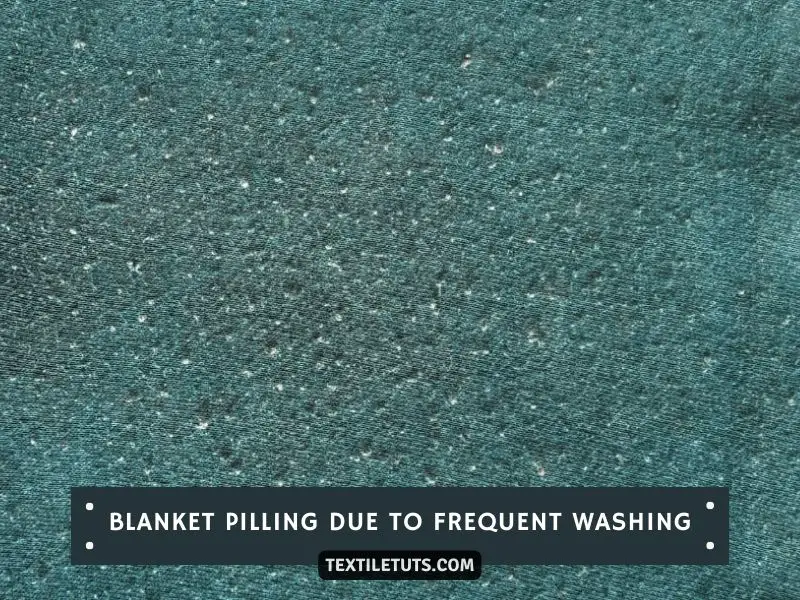
Frequent washing accelerates fabric degradation. Each wash cycle subjects fibers to mechanical agitation, detergent chemistry, and temperature stress. Limit washing to every 10-14 days for blankets in regular use.
Synthetic blankets (polyester, acrylic) and natural fiber blends are particularly susceptible to pilling from overwashing. These materials have shorter fiber staples that break more easily under repeated mechanical action.
Using Harsh Detergents
High-pH detergents and bleach-based cleaners strip fiberprotective coatings and weaken yarn integrity. Standard laundry detergents contain enzymes and surfactants that can degrade delicate textile fibers over time.
Switch to mild, pH-neutral detergents specifically formulated for delicate fabrics. These cleaners maintain fiber strength without the aggressive chemical action that accelerates wear.
Drying Blankets on High Heat
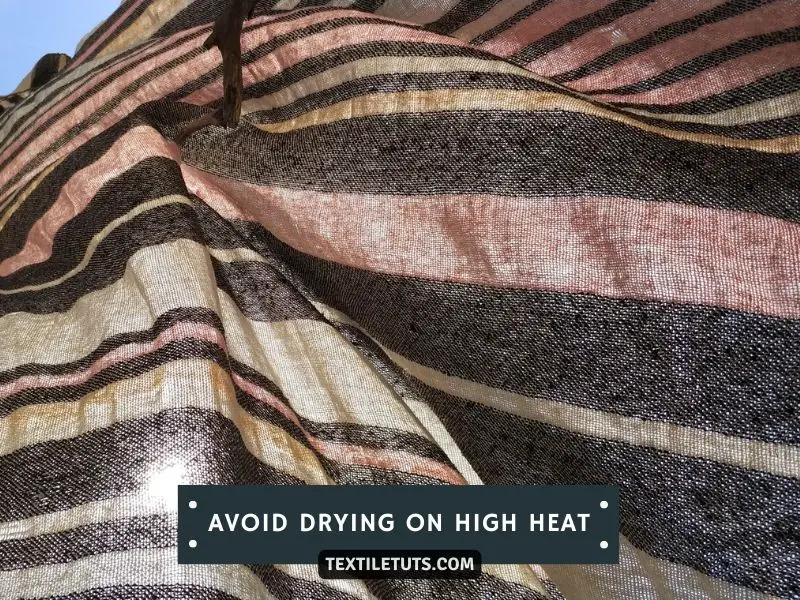
High heat drying causes thermal damage to fibers and creates static electricity buildup. Temperatures above 60°C (140°F) can cause synthetic fibers to soften and pill more easily.
Tumble dry on low heat (below 50°C / 122°F) or air dry flat to preserve fiber integrity. Remove blankets promptly when the cycle completes to prevent over-drying.
Storing Blankets in Humid Environments
Moisture exposure promotes fiber swelling and microbial growth that weakens yarn structure. Relative humidity above 70% creates conditions for mold and mildew that degrade textile fibers.
Store blankets in ventilated spaces with humidity levels below 50%. Use breathable cotton storage bags instead of plastic containers to prevent moisture accumulation.
Using Low-Quality Fabric
Blankets made from short-staple fibers or low-twist yarns pill more readily. Higher thread counts (200+ threads per square inch) and longer staple fibers (like Egyptian cotton with 35mm+ staple length) resist pilling better.
When purchasing blankets, check fiber content labels. Acrylic and polyester blends are more prone to pilling than 100% natural fibers or high-quality synthetic alternatives designed for durability.
Fabric Rubbing and Friction
Direct friction against rough surfaces causes mechanical fiber abrasion. Sleeping with rough-textured clothing, using rough throw pillows, or placing blankets on abrasive furniture accelerates surface wear.
Reduce friction contact points by wearing smooth sleepwear and avoiding placement on rough-textured furniture. This is especially important for blankets used in high-movement environments.
How to Remove Pilling from Blankets: Step-by-Step Process
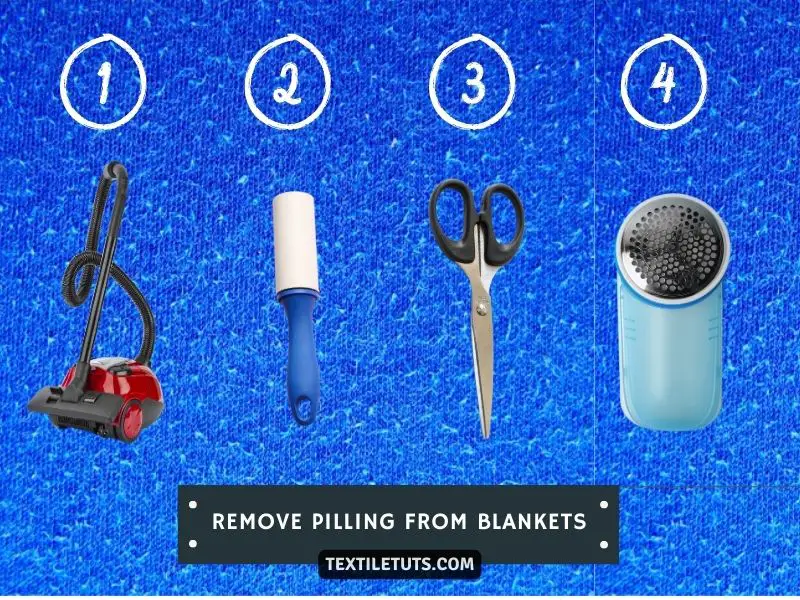
Pilling creates an aged appearance but doesn’t damage the underlying fabric structure. With the right tools and technique, you can restore a smooth surface.
The following process requires approximately 20-30 minutes depending on blanket size and pilling severity.
Materials Needed
- Lint roller or adhesive tape
- Sharp scissors
- Vacuum cleaner with upholstery attachment
- Electric fabric shaver (battery or plug-in)
Step 1: Vacuum the Blanket
Vacuum the entire blanket surface using the upholstery attachment. Work in overlapping strokes across all sides of the blanket. This removes loose debris and preps the surface for pill removal.
Step 2: Apply Lint Roller
Roll the lint roller firmly across the surface in long, even strokes. Apply moderate pressure and change roller sheets frequently. This picks up loose fiber balls before you begin cutting.
Step 3: Trim Protruding Pills
Use sharp scissors to carefully snip any remaining large pills that didn’t release with the lint roller. Hold the fabric taut and cut just above the pill ball to avoid cutting into the base fabric.
Step 4: Shave the Surface
Use a fabric shaver on the lowest speed setting. Hold the device flat against the fabric and move in slow, circular motions. The rotating blade cuts raised pills level with the surface.
For best results, stretch the fabric taut across a flat surface while shaving. Empty the collection chamber after completing each section.
Step 5: Final Vacuum Pass
Vacuum again to collect loose fibers released during shaving. This final pass creates a smooth, even surface and removes any remaining loose material.
Removing Blanket Pilling with Vinegar
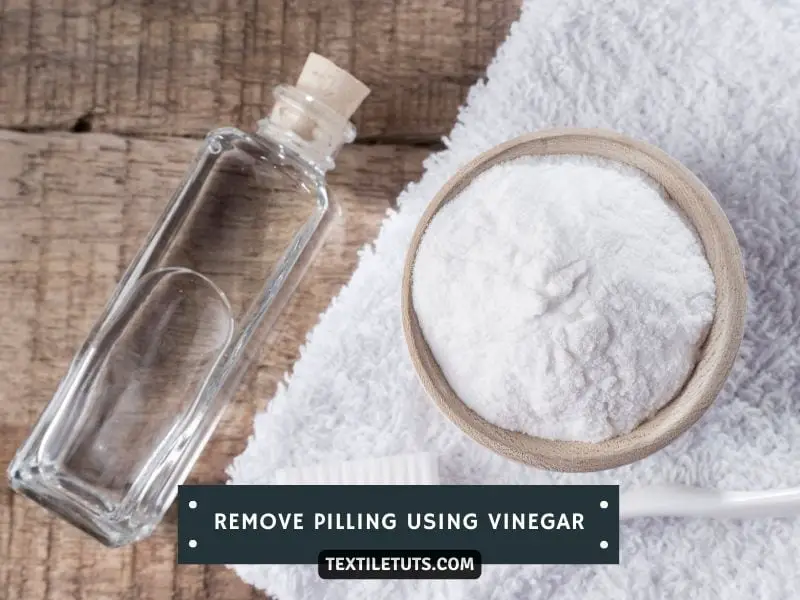
White vinegar softens fibers and helps release pills without harsh chemicals. The acetic acid (typically 5-8% concentration in standard household vinegar) breaks down fiber tangles.
Materials Required
- White distilled vinegar (5% acidity)
- Clean damp cloth
- Absorbent towel
- Lint roller (optional)
Step 1: Apply Vinegar Solution
Dampen the cloth with undiluted white vinegar. Gently rub the blanket surface in circular motions, concentrating on heavily pilled areas. The acid loosens fiber bonds without damaging the fabric.
Step 2: Allow Penetration Time
Let the vinegar sit for 3-5 minutes. This dwell time allows the acetic acid to penetrate fiber tangles and weaken the pills’ grip on the fabric surface.
Step 3: Agitate with Towel
Using the towel, rub the treated areas in circular motions. The mechanical action combined with the vinegar creates a lifting effect that separates pills from the fiber matrix.
Step 4: Final Lint Removal
Use a lint roller to pick up any remaining loosened pills. Roll the adhesive sheet across the entire surface until no more fibers release.
Vinegar treatment followed by regular fabric shaving maintains blanket appearance and extends usable lifespan significantly.
Preventing Future Blanket Pilling
Preventive care reduces pilling frequency and maintains blanket quality over time. Implement these practices for long-term fabric preservation.
Washing Guidelines
- Wash blankets separately from rough items like jeans and towels
- Use mild, delicate-formula detergent at 30-40°C (86-104°F)
- Skip fabric softener entirely (residue accelerates pilling)
- Select gentle or hand-wash cycle with minimal agitation
Drying Guidelines
- Tumble dry on low heat (below 50°C / 122°F)
- Add 2-3 clean tennis balls to the dryer to fluff fibers
- Air dry flat on a clean surface when possible
- Remove promptly when cycle completes
Storage Guidelines
- Store in breathable cotton bags, not plastic containers
- Keep in cool, dry locations below 50% relative humidity
- Avoid direct sunlight exposure during storage
- Refresh stored blankets by shaking and air venting quarterly
Following these care practices extends blanket lifespan to 10-15 years for quality blankets, compared to 3-5 years with standard use.
Pilling Resistance by Material
| Material | Pilling Resistance | Care Difficulty |
|---|---|---|
| Merino Wool | High | Moderate |
| Egyptian Cotton | High | Easy |
| Standard Cotton | Moderate | Easy |
| Polyester Blend | Low to Moderate | Easy |
| Acrylic | Low | Easy |
| Cashmere | Low | Moderate |
Frequently Asked Questions
Will Pilling Damage My Blanket?
Pilling does not damage blanket fabric integrity. The underlying fibers remain intact; only surface fibers ball up. Pilling affects appearance only, not durability or warmth retention.
Is Pilling a Fabric Defect?
Pilling is a natural consequence of fabric use, not a manufacturing defect. All textile fibers pill to some degree. Higher quality fabrics with longer staples pill less severely and shed fewer fibers.
Is Static Electricity in Blankets Dangerous?
Static electricity in blankets poses no health risk. On electric blankets specifically, follow manufacturer guidelines and inspect regularly for cord damage. Standard blankets generate harmless static charges during dry conditions.
Can the Causes of Blue Sheets Also Cause Blanket Pilling?
Yes. The factors that cause blue discoloration in sheets—chemical reactions from sweat, detergent residue, and fabric degradation—also contribute to blanket pilling. Friction damage, improper detergent use, and fiber breakdown from perspiration accelerate surface wear on both sheets and blankets.
Addressing these underlying causes through proper laundry care and storage practices prevents both discoloration and pilling simultaneously.
References
- ASTM International. (2022). ASTM D3511: Standard Test Method for Pilling Resistance and Other Related Surface Changes of Textile Fabrics. ASTM International.
- International Organization for Standardization. (2021). ISO 12945-2: Textile Determination of Fabric Propensity to Surface Fuzzing and to Pilling. ISO.
- U.S. Department of Agriculture. (2023). Home Textile Care Guidelines. Cotton Incorporated.
- AATCC. (2022). AATCC Test Method 124: Appearance of Fabrics after Repeated Home Laundering. American Association of Textile Chemists and Colorists.


