
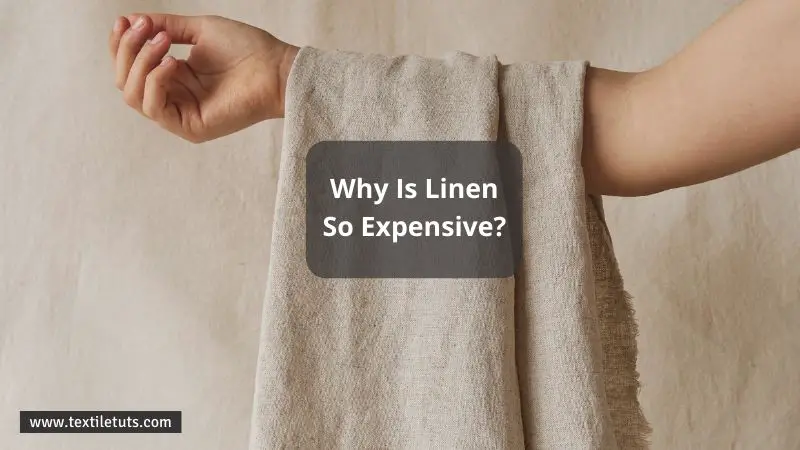
Why Is Linen So Expensive?

Linen costs more than other fabrics primarily because producing it requires significantly more labor and raw material. It takes four times as much flax fiber to produce one pound of linen as it does to produce one pound of cotton — approximately 40,000 flax fibers per pound versus 10,000 cotton fibers. The flax plant also requires about 100 days to mature, must be harvested by hand to preserve fiber length, and the fibers must be extracted through a laborious retting and scutching process. These factors combine to make linen a costly fabric to produce, justifying its premium price tag.
In this article, we explore the specific factors that drive linen costs higher than cotton, silk, and synthetic alternatives — and whether linen’s price is justified by its quality.
Linen Fabric Pricing Reality
Here are current market prices for linen products per 100g:
| Source | Form | Price per 100g |
|---|---|---|
| The Woolery | Linen Top | $3.50 |
| Jimmy Beans Wool | Linen Roving | $3.99 |
| LoveCrafts | Linen Yarn | $4.99 |
| Etsy | Linen Top | $2.99 – $15.99 |
| Amazon | Linen Roving | $3.99 – $12.99 |
| Webs | Linen Top | $3.95 |
| Knit Picks | Linen Yarn | $4.49 |
The Key Factors Driving Linen Costs
Linen is made from the flax plant’s fibers. Collecting these fibers requires significant manual labor, which raises production costs substantially. Beyond this, several other factors contribute to linen’s premium price.
Handmade Cultivation of Flax Plant
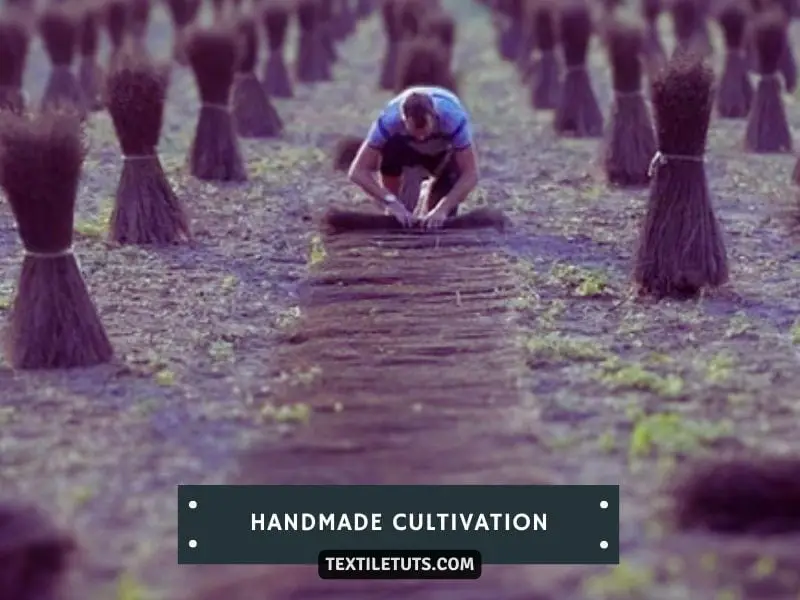
Flax plants are grown in fields using methods similar to other crops, but harvesting flax fibers is far more labor-intensive than harvesting cotton or wool.
The flax plant is an annual herb that reaches maturity in approximately 100 days, growing to about 1.2 m (4 ft) tall with blue flowers measuring 15–25 mm in diameter. Once mature, farmers pull the entire plant from the ground by its roots — mechanical harvesting cuts the stalks 20–25 cm above ground level, leaving shorter fibers.
After harvest, flax plants are left to dry in the sun for ten days to two weeks. This step loosens the fibers from the woody stem through a process called retting. Water retting at 27°C (80°F) takes 4–5 days; field retting extends to approximately one month.
Once dried, workers beat the stalks to separate the fibers — a highly labor-intensive step requiring significant time and skill.
Limited Supply of Flax Fibers
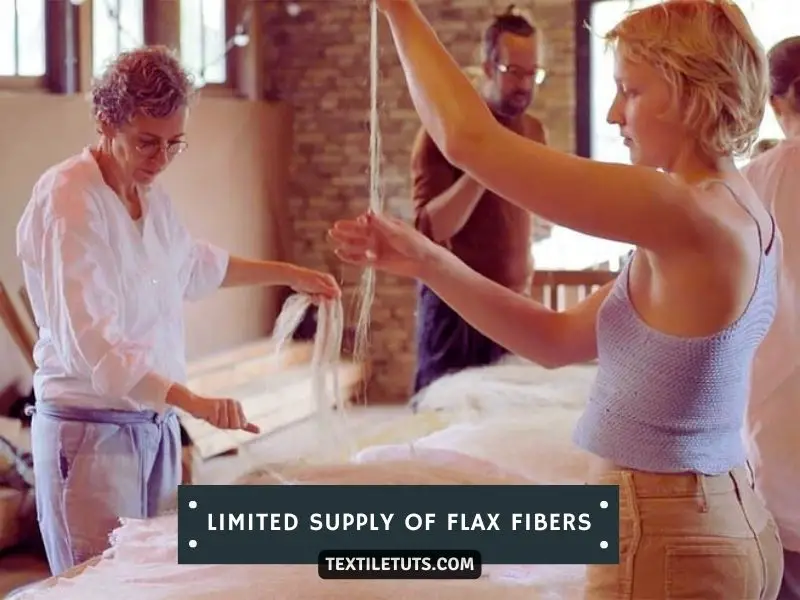
Global flax fiber production in 2022 totaled 875,995 tonnes. France dominates output with 652,680 tonnes (approximately 75%), followed by Belgium (77,910 tonnes), Belarus (47,626 tonnes), China (29,035 tonnes), and Russia (24,103 tonnes). Normandy alone produces nearly one-third of world output. The restricted geographic range of cultivation limits global supply.
High Global Demand for Linen Fabric
Linen fabric enjoys strong demand worldwide, particularly for summer clothing, bed sheets, tablecloths, and towels. This sustained demand creates competition among buyers, which drives prices upward.
Long Growing Period of Flax
Flax plants require approximately 100 days to reach maturity — significantly longer than most commercial crops. Farmers harvest flax only once per year, limiting annual fiber yield and increasing per-unit production costs.
High Fiber Volume Required for Fabric
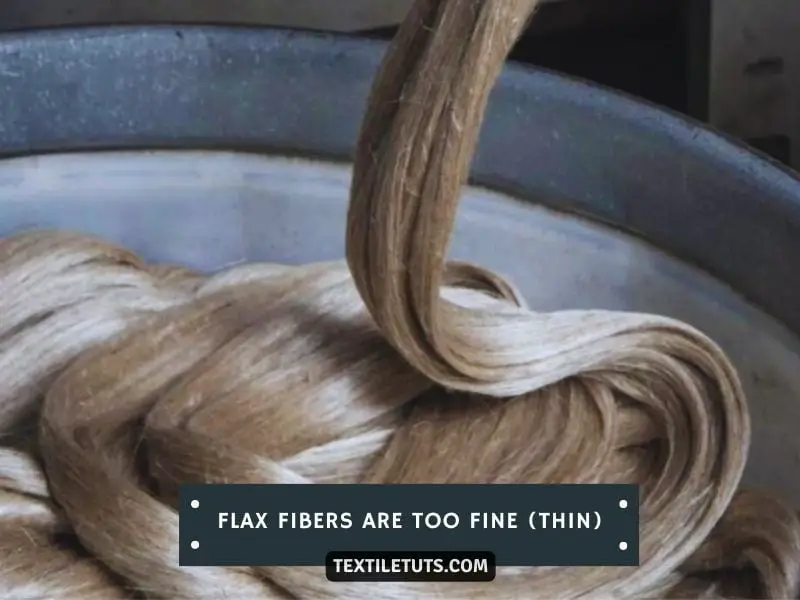
Linen fibers are fine and thin, which means it takes many more of them to produce fabric. Approximately 40,000 flax fibers are needed to produce one pound of linen fabric. By comparison, only about 10,000 cotton fibers are required for one pound of cotton fabric. This 4:1 fiber ratio directly translates to linen costing approximately four times more than cotton of equivalent weight.
Complex Manufacturing Process
Producing linen fabric involves multiple complex, time-consuming steps. Workers must beat fibers out of the flax stalks by hand before spinning them into yarn, which is then woven into fabric. This process demands considerable skill and experience to achieve high-quality results.
Superior Moisture Absorption
Linen can absorb up to 20% of its weight in moisture while still feeling dry to the touch. This exceptional absorbency, combined with linen’s rapid drying property, makes it ideal for summer clothing, bed sheets, and towels. However, the specialized manufacturing required to preserve these natural properties increases production costs.
Natural and Eco-Friendly Properties
Linen is a fully biodegradable natural fabric that requires no synthetic chemicals or pesticides during cultivation. This eco-friendly production method appeals to consumers seeking sustainable fashion, but it commands a premium price compared to synthetic alternatives.
Luxurious Aesthetic and Tactile Quality

Linen possesses a distinctive texture and drape that convey luxury, making it a preferred choice for premium clothing and home décor. This perception of quality allows producers to command higher prices than comparable fabrics.
Is Linen Worth the Price? Pros and Cons
Here’s a quick breakdown to help you decide if linen is worth the investment for your needs:
| Pros of Linen | Cons of Linen |
|---|---|
| 2–3× stronger than cotton, lasts for decades | Costs approximately 4× more than cotton |
| Absorbs up to 20% moisture, stays dry | Wrinkles easily and requires care when ironing |
| Eco-friendly: biodegradable, no pesticides needed | Prone to shrinkage if washed improperly |
| Hypoallergenic, ideal for sensitive skin | Limited color variety compared to synthetics |
| Becomes softer and more comfortable with age | Requires specific care (cool water, low heat drying) |
| Ideal for hot climates and summer wear | Lower thread counts available, fewer fabric weights |
A Brief History of Linen
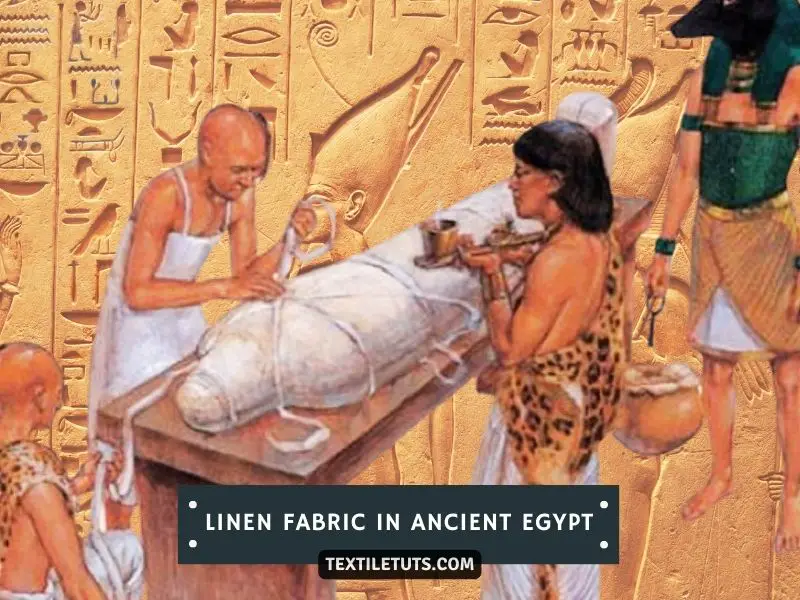
Linen has been used for millennia. It was first employed in ancient Egypt, where it served for clothing, shrouds, and burial garments. The fabric was also popular in ancient Greece and Rome, particularly for togas and other garments worn by wealthy citizens.
During the Middle Ages, linen was used for tablecloths, towels, and clothing for both men and women, as well as tapestries and decorative fabrics.
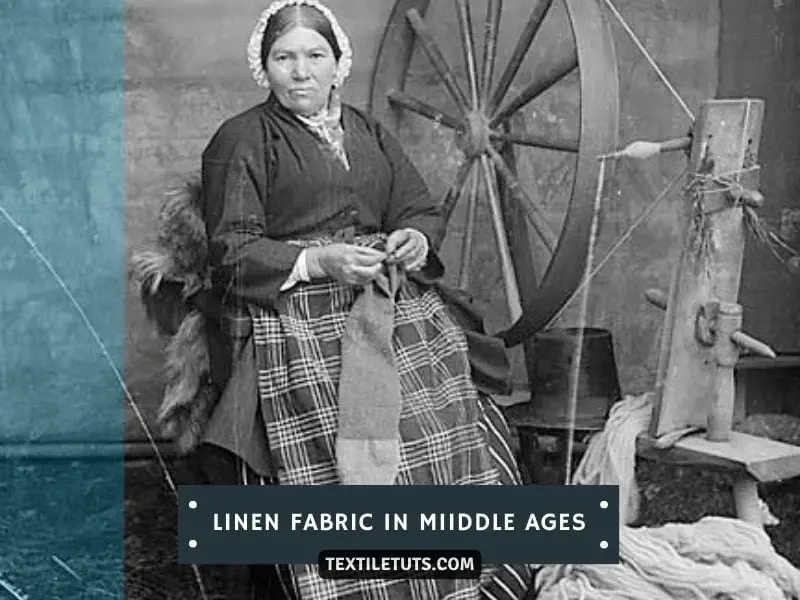
Linen use expanded during the Renaissance for shirts, chemises, curtains, and household linens. During the Industrial Revolution, production scaled dramatically and linen became widely available for clothing, sheets, towels, and other household items. It remains one of the most popular fabrics today.
Key Benefits of Linen Fabric

Linen is a natural fiber made from the flax plant. It is strong, durable, soft, and comfortable. Linen excels in warm weather due to its breathability and cooling properties. It absorbs moisture effectively and dries quickly. Here are the main advantages of linen:
- Linen is hypoallergenic and ideal for people with sensitive skin.
- It is environmentally friendly — a natural fiber that requires no chemicals or pesticides to grow.
- Linen is biodegradable and will eventually break down into compost.
- Linen clothing is fashionable and develops a desirable patina with age.
- These fabrics can be dyed in any color using conventional textile dyes.
- It is easy to care for and can be machine washed, and does not require ironing.
- The fabric is durable and outlasts most other fabrics with proper care.
- Linen is ideal for summer because it is cool and comfortable against the skin.
- Linen is made from sustainable material that improves with age.
- The pricing is higher than cotton but remains affordable compared to other luxury fabrics.
Linen Care and Washing Frequency
Washing frequency depends on how often the linen is used, the type of use, the fabric blend, and the local climate. General guidance recommends washing linen items once every two weeks. In hot climates or with frequent use, more regular washing may be necessary. In cooler climates or for occasional use, washing can be less frequent.
The Linen Production Process
Linen is a textile made from the fibers of the flax plant. The plant is cultivated specifically for its long, strong bast fibers, which undergo several processing stages to become linen fabric. The key steps are:
- Harvesting: Flax plants are pulled from the ground by roots when mature (approx. 100 days after sowing).
- Retting: Plants are soaked in water (27°C / 80°F for 4–5 days) or left in the field for ~1 month to decompose the woody tissue, releasing the bast fibers.
- Scutching: Beaten with sticks or crushed mechanically to separate fibers from the woody stem.
- Spinning: Fibers are combed and spun into yarn.
- Weaving: Yarn is woven into linen fabric on looms.
Linen fabric is known for its exceptional tensile strength — flax fiber is 2–3 times stronger than cotton fibers — and its high moisture absorbency (up to 20% of its weight). These properties make it ideal for towels, bedding, and warm-weather clothing.
Why Linen Remains Popular
Linen’s popularity stems from multiple factors. It is exceptionally strong and durable. It absorbs moisture effectively, making it ideal for summer wear. It is a natural, eco-friendly material made from flax plants. Its distinctive texture and drape give it a luxurious feel that many consumers find attractive.
Linen Care Instructions
Linen requires some specific care to maintain its quality. It wrinkles easily and can shrink if washed improperly. Follow these guidelines:
- Wash linen clothing in cool water; either hang to dry or tumble dry on low heat.
- If ironing is necessary, iron on the reverse side using a press cloth to protect the fabric.
- To remove wrinkles, spritz linen with water and hang in a steamy bathroom for a few minutes, or roll the garment up in a towel and gently press.
- For winter storage, fold linen rather than hanging to prevent permanent creases. Store away from direct sunlight, which causes yellowing over time.
Choosing the Right Linen for Your Needs
Several factors determine which linen is right for you:
Climate
Light, airy linen suits warm climates. Heavier linen fabrics provide better insulation in cooler weather.
Intended Activities
For physically active use, choose breathable linen that wicks moisture effectively. For sedentary or formal occasions, soft and comfortable linen is preferable.
Care Requirements
Linen is a natural fiber subject to shrinkage if washed improperly. Always review care instructions before purchasing to ensure the maintenance requirements fit your lifestyle.
Budget
Linen prices range from affordable to premium, depending on fiber quality, weave density, and brand. Establish a budget before shopping to narrow your options.
Personal Style
Linen is available in a wide variety of colors, patterns, and weaves. Select pieces that align with your aesthetic preferences.
Linen as a Luxury Fabric
Linen is made from the fibers of the flax plant. It is a natural fiber prized for its exceptional strength and absorbency, making it ideal for summer clothing and premium home textiles. Its durability, combined with its premium feel, positions linen firmly in the luxury fabric category.
Linen vs. Silk Cost Comparison
Linen is generally less expensive than silk, though specific prices vary based on linen type and quality, silk grade, fabric dimensions, and construction details. High-quality linen rarely exceeds silk pricing, and silk’s production complexity (requiring silkworm cultivation) typically makes it the more expensive option.
Why Linen Excels in Summer
Linen is a natural fabric made from flax plant fibers. It is lightweight and breathable, which makes it highly effective for hot weather. Linen absorbs moisture (up to 20% of its dry weight) and dries rapidly, making it suitable for beachwear and active use in warm conditions. It is also durable and becomes softer with each wash.
Linen vs. Cotton Comparison
Linen and cotton each offer distinct advantages suited to different applications.
| Property | Linen | Cotton |
|---|---|---|
| Tensile Strength | 2–3× stronger than cotton | Lower tensile strength |
| Moisture Absorption | Up to 20% of body weight | Up to 8.5% of body weight |
| Fibers per lb of fabric | ~40,000 flax fibers | ~10,000 cotton fibers |
| Growing Period | ~100 days | ~60–90 days |
| Price Relative | 4× cotton | Baseline |
| Shrink Resistance | Prone to shrinkage if washed improperly | Prone to shrinkage if washed improperly |
Why Linen Sheets May Feel Sticky
Bed sheets feel sticky primarily due to sweat and body oils absorbed by the fabric. Regular washing with proper detergent and following manufacturer care guidelines will keep linen sheets fresh and comfortable.
Linen as Quilt Backing
Linen ranks among the best fabric choices for quilt backing. While the initial cost exceeds some alternatives, linen’s durability and breathability justify the investment. The natural fibers provide a luxurious look and feel that improves with age.
Final Thoughts
Linen is a luxurious fabric with a history spanning thousands of years. It is made from flax plant fibers, and producing high-quality linen requires significant time and skilled labor. Linen is also environmentally friendly, biodegradable, and exceptionally durable. These factors collectively explain its premium price.
However, linen remains more affordable than other luxury fabrics such as silk. Linen clothing is fashionable and sustainable. If you want an eco-friendly, stylish, and comfortable fabric, linen is an excellent choice. Do you have any thoughts about linen clothing? Share them in the comments below!
References
- Wikipedia. (2025). Flax. https://en.wikipedia.org/wiki/Flax


