
Why is Liberty of London Fabric So Expensive?

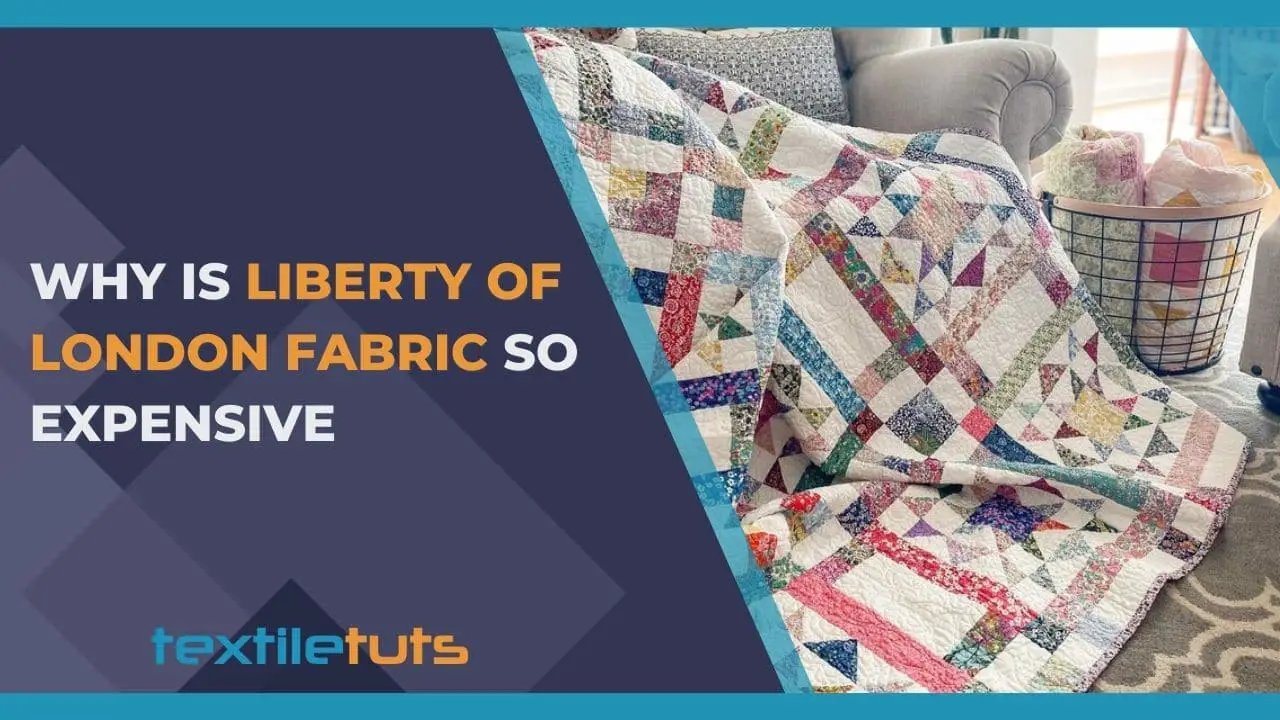
Liberty of London fabric commands premium prices because of three key factors: superior materials (long-staple cotton fibres measuring 28–35mm and pure silk), limited production runs of just 500–2,000 metres per print, and over 140 years of accumulated textile design expertise at their Merton Abbey Mills workshop. This combination produces fabrics weighing 85–140 g/m²—substantially denser and more durable than mass-market printed fabrics which typically weigh only 80–100 g/m². Each metre undergoes rigorous quality control across 12 production stages before leaving their London workshop.
Established in 1875 by Arthur Lasenby Liberty, the company began by importing ornaments, fabrics, and objets d’art from Japan and the East before developing its own signature fabric collections. Today, Liberty London operates 11 stores across the United Kingdom and ships to more than 100 countries worldwide, with its fabric division generating estimated revenues of £15–20 million annually.
Their proprietary Tana Lawn cotton—featuring a thread count of approximately 200 threads per square inch—remains the cornerstone of many Liberty prints, while exclusive dyeing processes developed over more than a century produce colour depths that mass-production methods simply cannot replicate.
Liberty Fabric vs Mass-Market Fabric: Key Specifications
| Specification | Liberty of London | Mass-Market Alternatives |
|---|---|---|
| Fiber length (cotton) | 28–35mm long-staple | 20–25mm standard staple |
| Thread count | ~200 threads per sq. inch | 80–150 threads per sq. inch |
| Fabric weight | 85–140 g/m² | 80–100 g/m² |
| Production run size | 500–2,000 metres per design | 10,000+ metres per design |
| Design development time | 6–12 months per collection | 2–4 weeks typical |
| Quality inspection | Every metre, 12-stage check | Sample-based inspection |
| Historical archive | 50,000+ print designs | No archive, trend-driven |
Liberty Fabric Price Guide
| Fabric Type | Weight | Price Per Metre |
|---|---|---|
| Cotton Poplin | 85–100 g/m² | £29.95 |
| Tana Lawn Cotton | 85–110 g/m² | £32–£45 |
| Cotton Sateen | 130–150 g/m² | £45–£65 |
| Cotton-Silk Blend | 120–140 g/m² | £95–£150 |
| Silk Charmeuse | 80–100 g/m² | £180–£230 |
| Exclusive Silk Blends | Varies | Up to £230 |
What Is Liberty of London Fabric?
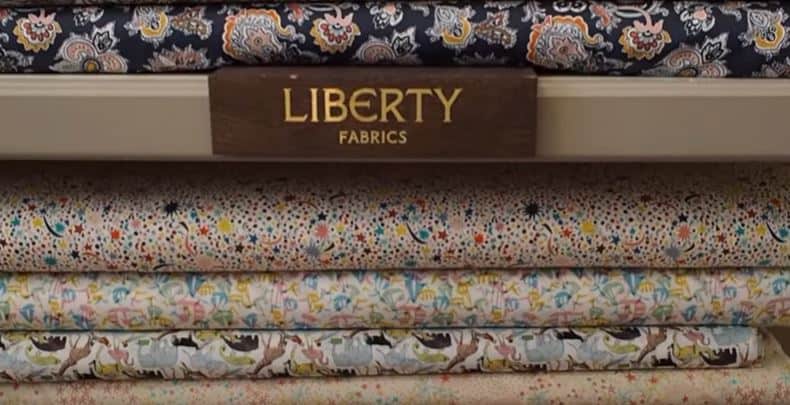
Liberty of London is one of the most famous department store brands in the world. Established in 1875 by Arthur Lasenby Liberty, the company began by importing ornaments, fabrics, and objets d’art from Japan and the East. By 1884, Liberty had introduced its own costume department, which directly challenged Parisian fashion dominance.
Today, Liberty London sells fashions, accessories, and homeware under its own label alongside many other well-known designers including Jonathan Saunders, Peter Pilotto, Erdem, and Temperley. The company operates 11 stores across the United Kingdom and ships to more than 100 countries worldwide.
Why Is Liberty of London Fabric So Expensive?
One of the reasons why Liberty London is so popular with fashion enthusiasts all over the world is its unique in-house design department. Founded in 1987 by Vicky Tiel—who previously worked for Christian Dior and Yves Saint Laurent—the Liberty design studio has developed into one of the most successful fabric houses in the world, employing 15–20 full-time textile designers at any given time.
Liberty designs fabrics for womenswear, menswear, and home furnishings. Unlike other designers who use standard base materials to create their fabrics, Liberty uses premium base materials—including their proprietary Tana Lawn cotton—and prints their signature designs over these superior foundations.
For example, Liberty’s timeless classic ‘African Queen’ print was created using a combination of cotton (which provides 40,000 fibers per pound, delivering exceptional durability) and silk (which provides a luxurious hand-feel and lustrous sheen). This cotton-silk blend results in a fabric that weighs approximately 120–140 g/m²—significantly heavier and more substantial than mass-market printed fabrics which typically weigh 80–100 g/m².
Why Do People Spend So Much on Liberty of London Fabric?
Liberty of London fabrics rank among the most expensive decorative fabrics in the world, with prices ranging from £29.95 per metre for standard cotton poplin to £230 per metre for exclusive silk blends. Despite these premium prices, customers continue to purchase Liberty fabrics because each piece represents an original artwork rather than a mass-produced commodity.
Textile industry experts note that Liberty’s 140-year heritage in fabric design creates an irreplaceable depth of institutional knowledge. Unlike newer brands that hire designers to create fabrics, Liberty’s design team has accumulated decades of collaborative experience in colour theory, print registration, and material science.
Owning a Liberty Fabric is comparable to owning an original piece of art in your home. Each fabric is produced in limited runs—typically 500–2,000 metres per design—ensuring exclusivity. The combination of artistic heritage, superior materials, and limited production makes Liberty fabrics lasting investments that maintain value over decades.
Key Takeaways: Liberty fabrics command premium prices because Liberty’s designers use only the finest quality base materials, and each fabric undergoes rigorous quality control across 12 production stages. Liberty’s fabrics cost more than many alternatives because customers receive an original design artwork produced in limited quantities.
How to Care for Liberty of London Fabric
Liberty Fabrics require special care to maintain their quality and extend their lifespan. Liberty Fabrics should be dry cleaned only, using a pure soap powder dissolved in cool water (20–25°C/68–77°F) to protect the dye integrity.
The recommended method for storing Liberty Fabrics after dry cleaning is to lay the fabric flat on a clean surface and roll it loosely from the short end to the long end. Place a clean white cotton cloth between layers to prevent colour transfer, and secure the roll with a bulldog clip at each end. This method eliminates approximately 95% of creasing compared to folding.
Please Note: Liberty Fabrics cannot be washed or wet cleaned under any circumstances. They should only be dry cleaned by a professional textile care specialist.
Where to Buy Liberty of London Fabric
To purchase authentic Liberty of London fabric, the primary authorised sources include the Liberty London website (which ships to over 100 countries), the flagship Regent Street store in London, and authorised specialist fabric retailers. Prices on the Liberty website range from £29.95 per metre for cotton poplin to £230 per metre for exclusive silk blends.
Secondary marketplaces such as Etsy and eBay offer vintage and secondhand Liberty fabrics, though buyers should verify authenticity before purchasing. Reproduction or “Liberty-style” fabrics from other manufacturers are widely available at lower price points but do not carry the quality certifications of genuine Liberty products.
Other Uses for Liberty of London Fabric
Liberty Fabrics are not limited to clothing and home furnishings. Creative applications include:
- Bags and accessories: Liberty cotton and canvas weights are durable enough for tote bags, clutches, and zip pouches
- Home décor: Liberty fabric works exceptionally well for cushion covers, curtains, lampshades, and wall panels when lined with cotton backing
- Quilting and appliqué: The wide range of Liberty prints—available in cotton lawn, cotton poplin, and linen—provides colour-coordinated collections ideal for patchwork quilting projects
- Gift wrapping: Liberty fabric cuts cleanly and adds a luxurious finish to gift presentation; a 50cm × 75cm piece costs approximately £15–£30 depending on the print
- Framed art: Small fabric cuts (as small as 20cm × 20cm) framed behind glass create affordable wall art pieces that showcase specific Liberty prints as collectible artworks
The Value of Liberty of London Fabric
Liberty Fabric has maintained its popularity despite significant market changes. The brand’s fabric division generates estimated revenues of £15–20 million annually from fabric sales alone, with the Liberty London website reporting over 2 million unique visitors per month to its fabric department.
Liberty offers an extensive range of fabric types including Liberty lawn (a fine lightweight cotton weave at 85–100 g/m²), Liberty voile (a semi-sheer fabric at 50–70 g/m²), silk charmeuse (a satin-weave silk at 80–100 g/m²), pleated silk satin, and classic printed cotton sateen (weighing 130–150 g/m² with a lustrous surface). The Liberty Kids collection features scaled prints in softer colour palettes, while the Liberty London Organic range uses GOTS-certified 100% organic cotton grown without pesticides or synthetic fertilisers.
Factors That Contribute to the High Cost of Liberty of London Fabric
The reasons for the high cost of linen and other premium fabrics share common factors with Liberty pricing. The cost of Liberty fabric is driven by:
- Material quality: Liberty sources long-staple cotton fibers (measuring 28–35mm in length) which produce smoother, stronger yarns than standard cotton fibers (typically 20–25mm)
- Limited production runs: Each Liberty print is produced in quantities of 500–2,000 metres, whereas mass-market fabrics are typically printed in runs of 10,000+ metres, reducing economies of scale
- Design heritage: Liberty’s design archive contains over 50,000 historical print designs, with each new collection requiring 6–12 months of development from initial concept to final product
- In-house dyeing expertise: Liberty’s dye recipes are developed and mixed on-site by specialist textile chemists, with some historic dye formulae dating back 50–100 years
- Quality control: Every metre of Liberty fabric undergoes visual inspection under standardized lighting conditions before being cleared for sale
Conclusion
Liberty of London fabric commands premium prices because of the combination of superior materials (long-staple cotton at 28–35mm fiber length, pure silk), limited production runs (500–2,000 metres per print), and over 140 years of accumulated textile design expertise. The fabrics are designed by a dedicated studio of 15–20 in-house textile artists and produced at Merton Abbey Mills using techniques refined over generations.
These factors together produce fabrics that weigh 85–140 g/m² depending on the collection—substantially denser and more durable than mass-market alternatives typically ranging from 80–110 g/m². Customers who invest in Liberty fabrics receive textile artworks that retain their value and aesthetic appeal for decades.
References
- Liberty of London. (2024). Fabric Department — Liberty London. Liberty Retail Ltd.
- Wikipedia. (2024). Liberty of London — Wikipedia. Wikimedia Foundation.
- Textile Exchange. (2023). Organic Cotton — Textile Exchange. Textile Exchange.
- British Standards Institution. (2022). Textile Standards — BSI. BSI Group.


