
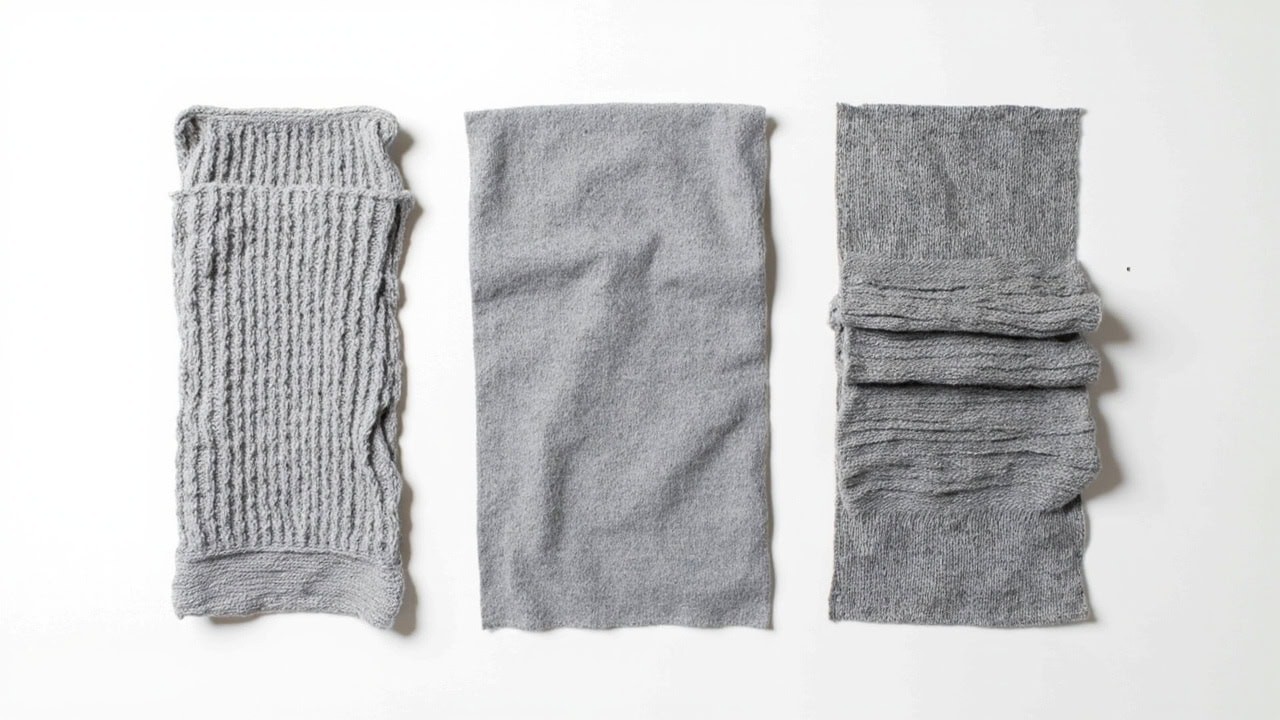
Rib Knit and Interlock: How They Differ from Standard Jersey

What Distinguishes Rib Knit, Interlock, and Standard Jersey
Rib knit, interlock, and standard jersey are all weft-knitted fabrics but differ fundamentally in structure. Rib knit alternates knit and purl stitches creating vertical ribs with 2-way stretch and high elasticity. Interlock is a double-knit construction with two rows of interlocking stitches producing a smoother, thicker fabric with 4-way stretch and 85–95% stretch recovery. Standard single jersey uses all knit stitches on one side and all purl on the other, giving it 1-way stretch with only 60–75% recovery after stretching.
Understanding these structural differences directly impacts your garment quality and longevity. The weft-knit construction means all loops are formed horizontally by a single yarn, creating fabric that stretches more readily than warp-knitted textiles. Each variation offers distinct performance characteristics that make it suitable for different applications.
Rib Knit Structure and Properties
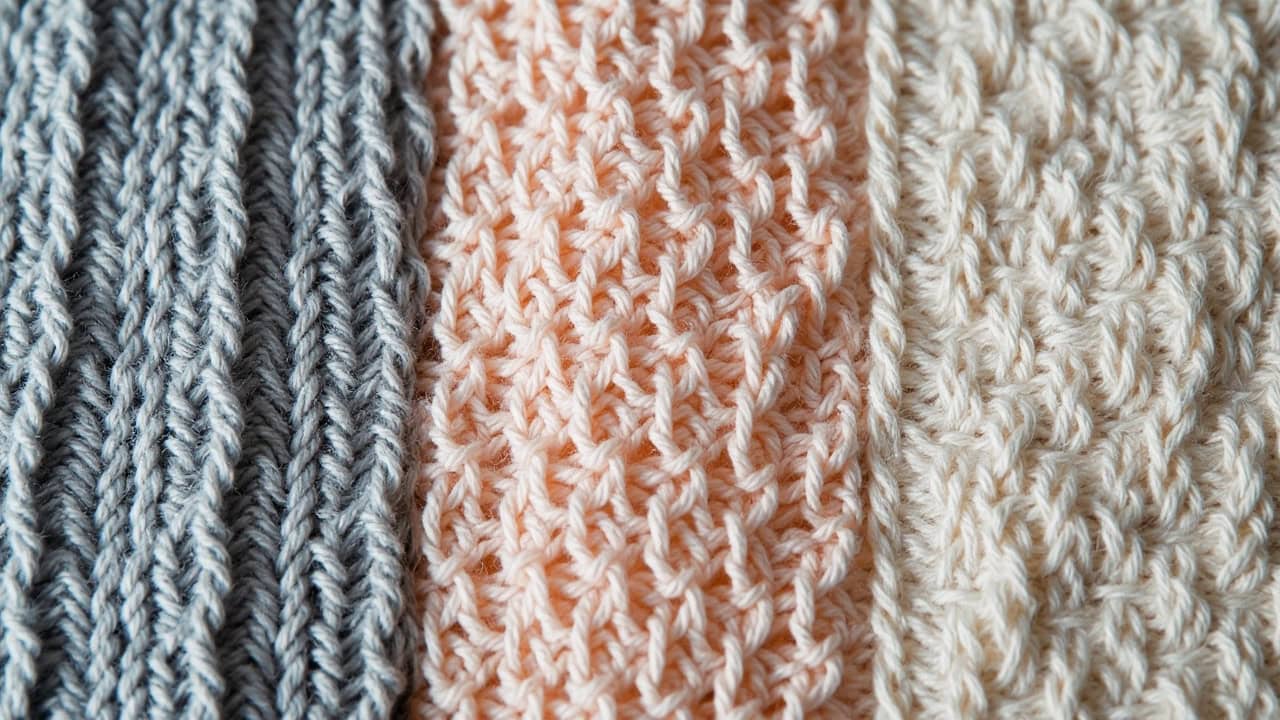
Rib knit fabric alternates knit and purl columns to create distinctive vertical ridges. This alternating stitch pattern produces a fabric with remarkable dimensional stability—the edges lie flat without curling, making it ideal for necklines, cuffs, and hemlines. The vertical ribs provide elasticity specifically in the horizontal direction, allowing the fabric to stretch while maintaining its original shape through excellent stretch recovery.
The combination of knit and purl stitches creates a fabric that looks the same on both sides, giving rib knit a substantial, professional appearance. Rib knits typically weigh between 180–280 GSM (grams per square meter), placing them in the medium-weight category compared to other knit fabrics. Common fiber content includes cotton, cotton-spandex blends, and synthetic fibers.
Interlock Construction and Characteristics
Interlock knit fabric builds on the rib knit structure by using two rows of interlocking loops, effectively doubling the fabric’s thickness and stability. This double-faced construction means both sides of the fabric have a smooth, identical appearance—unlike jersey, which shows knit stitches on one side and purl stitches on the back. The interlocking mechanism produces fabric with significantly reduced edge curling and superior dimensional stability.
The weight range for interlock fabrics spans 220–350 GSM, making it the heaviest of the three knit types discussed here. Despite the added weight, interlock remains breathable and comfortable for everyday wear. This fabric type excels in garments requiring a balance of structure and softness, such as t-shirts, dresses, and loungewear.
Standard Jersey Properties
Jersey knit is the simplest of the three constructions, formed entirely from knit stitches on the face and purl stitches on the back. This single-sided construction creates the characteristic lightweight drape that makes jersey popular for casual wear. However, jersey edges curl noticeably toward the back face when cut, which complicates sewing and finishing.
Jersey typically ranges from 120–200 GSM, offering the lightest option among these knit types. The fabric provides very high breathability due to its open stitch structure, making it the preferred choice for summer garments and layering pieces. Standard jersey stretches primarily in one direction (horizontal) with 1-way stretch, though the addition of spandex can create 4-way stretch variations.
Side-by-Side Comparison Table
| Property | Rib Knit | Interlock | Standard Jersey |
|---|---|---|---|
| Stretch direction | 2-way (horizontal) | 4-way | 1-way (horizontal) |
| Stretch recovery | 75–85% | 85–95% | 60–75% |
| Weight (GSM) | 180–280 | 220–350 | 120–200 |
| Thickness | Medium | Thick | Thin |
| Edge curl | None (stable) | None | Moderate |
| Breathability | High | Medium | Very high |
| Durability | High | Very high | Medium |
| Common uses | Cuffs, collars, neckbands | T-shirts, dresses, loungewear | T-shirts, lingerie, activewear |
The data reveals clear performance hierarchies. Interlock leads in stretch recovery (85–95%) and durability, making it the premium choice for garments subjected to repeated wear and washing. Jersey excels in breathability and lightness, perfect for climate-conscious consumers. Rib knit occupies the middle ground while offering unmatched edge stability for fitted components.
When to Choose Rib Knit
Rib knit excels in applications demanding shape retention through repeated stretching cycles. The fabric’s inherent elasticity allows it to return to original dimensions after being stretched—achieving 75–85% stretch recovery compared to jersey’s 60–75%. This makes rib knit the definitive choice for garment components that must maintain fit over time.
- Necklines and collar bands that need to hold their shape without stretching out — rib knit resists the gradual elongation that plagues standard jersey neckbands after multiple wears
- Cuffs and sleeve hems where recovery after stretching is critical — the elastic nature of rib knit accommodates wrist dressing while bouncing back to original dimensions
- Fitted garments where you want structure with flexibility — rib knit ribs follow body contours while providing support without binding
- Baby and children’s clothing where durability and stretch are both essential — the fabric accommodates growth spurts while withstanding frequent washing
For optimal performance in rib knit components, consider selecting fabric with 5–10% spandex content. This addition significantly improves long-term dimensional stability, ensuring neckbands and cuffs maintain their original shape through dozens of wear-wash cycles. Pure cotton rib knit, while breathable, lacks this recovery enhancement and may stretch over time.
Note: Rib knit is not recommended for drape-heavy design concepts. Its structured nature resists the fluid movement that characterizes flowing garments. If your design emphasizes soft drape and movement, choose standard jersey or another lightweight knit instead.
When to Choose Interlock
Interlock’s double-knit construction delivers the most stable and substantial knit fabric available in the weft-knitted family. With 85–95% stretch recovery and zero edge curl, interlock solves many problems that plague lighter knit fabrics. The fabric’s weight (220–350 GSM) provides substance without sacrificing comfort, making it the versatile choice for numerous garment categories.
- T-shirts and everyday tops where you want a smoother, more substantial feel than jersey — interlock drapes nicely while maintaining garment structure throughout the day
- Dresses and skirts requiring good drape with some structure — the fabric flows elegantly while resisting the clinging that can occur with lighter knits
- Loungewear and sleepwear where comfort and durability matter — interlock withstands repeated home washing better than single-knit alternatives
- Garments needing a fabric that doesn’t curl at edges during sewing — interlock’s dimensional stability makes it forgiving for home sewers and faster to finish in production
The 4-way stretch capability of interlock (stretching in both horizontal and vertical directions) provides superior comfort compared to 2-way stretch fabrics. This multi-directional flexibility accommodates body movement more naturally, reducing restriction in everyday wear. The fabric’s resilience means garments maintain their appearance after extended wear, with fewer signs of fabric fatigue at stress points like elbows and knees.
Interlock construction costs 15–30% more than standard jersey due to the additional yarn and manufacturing time required for the interlocking loop structure. However, the investment pays dividends in garment longevity and perceived quality. For proper care, wash interlock garments in cold water at temperatures up to 40°C to preserve fiber integrity and color vibrancy.
When to Choose Standard Jersey
Standard jersey remains the workhorse fabric of the fashion industry for good reason. Its lightweight construction (120–200 GSM) and very high breathability make it the go-to choice for warm-weather garments and next-to-skin applications. The fabric’s fluid drape creates relaxed silhouettes that prioritize comfort over structure.
- Lightweight summer tops and t-shirts where breathability is the priority — jersey’s open stitch structure allows maximum air circulation
- Draped designs where you want fluid movement and soft fall — jersey’s lightness creates graceful movement with minimal fabric weight
- Laser-cut or bonded edge designs where minimal curl is an advantage — though jersey does curl, its lighter weight makes it suitable for modern construction techniques
- Budget projects where fabric cost matters more than recovery performance — jersey is the most affordable of the three knit types
The 60–75% stretch recovery of jersey means these garments will gradually lose their original shape with repeated wear. This characteristic makes jersey ideal for relaxed-fit designs where slight dimensional changes enhance rather than detract from the garment’s appearance. Jersey t-shirts intentionally designed for a casual, lived-in look benefit from this gradual relaxation.
Jersey’s lower durability compared to interlock and rib knit means garments experience fabric thinning at high-stress areas more quickly. However, this also means jersey garments reach their optimal comfort level faster—breaking in to a softened state that many consumers prefer. For garments requiring longer life, consider cotton-spandex blends which improve durability while maintaining jersey’s desirable drape.
Price and Availability Comparison
Standard jersey is the most widely available and affordable knit fabric—found in every fabric store and online retailer in countless fiber combinations. Its universal popularity ensures competitive pricing and abundant supply in seasonal rotations. Cotton jersey, polyester jersey, and blends dominate the market, with prices varying primarily by fiber content rather than construction.
Interlock costs 15–30% more than comparable jersey due to its double-knit construction requiring approximately twice the yarn and processing time. However, this premium reflects genuine performance benefits—interlock garments typically outlast jersey equivalents, providing better value over the garment’s useful life. The price differential narrows when considering cost-per-wear calculations.
Rib knit pricing varies substantially based on fiber content. Pure cotton rib knit falls near standard jersey pricing, while cotton-spandex rib commands a 20–40% premium depending on spandex content (higher spandex percentages cost more). The spandex fiber itself is more expensive than cotton or polyester, driving prices upward. Specialized rib knits with mercerized cotton or other premium treatments command additional premiums.
All three fabric types are commonly available in cotton, cotton-polyester blends, modal, and viscose/rayon variants. For performance applications requiring moisture-wicking or quick-dry properties, synthetic fiber versions predominate. Natural fiber enthusiasts will find the widest selection in cotton and cotton-blend constructions across all three knit types.
Care Comparison
All three knit fabrics share similar basic care requirements, though specific considerations differ. Understanding these nuances prevents unnecessary damage and extends garment life significantly. Proper care begins with reading and following the garment’s sewn-in label instructions, which take precedence over general guidelines.
| Care Aspect | Rib Knit | Interlock | Standard Jersey |
|---|---|---|---|
| Washing temperature | Cold to 40°C | Cold to 40°C | Cold to 40°C |
| Drying method | Tumble dry low or line dry | Tumble dry low or line dry | Tumble dry low |
| Ironing temperature | Low heat if needed | Low heat if needed | Low heat |
| Special considerations | Avoid high heat (damages elastic fibers) | Pre-wash to prevent shrinkage | Handle gently to avoid stretching |
For rib knit garments containing spandex or other elastic fibers, high heat is the primary enemy. Exposing elastic fibers to temperatures above 40°C accelerates degradation, causing permanent loss of stretch recovery. Always check the spandex content before subjecting rib knit garments to any heat treatment, including ironing and steam.
Interlock’s pre-wash shrinkage deserves attention, particularly for 100% cotton versions. The double-knit construction can retain residual stress from manufacturing, and first-wash shrinkage of 3–5% is possible in untreated cotton interlock. Pre-washing before sewing allows you to account for this shrinkage in your garment dimensions. Synthetic blends and pre-shrunk treatments reduce but don’t eliminate this concern.
Jersey’s handling requirements focus on preventing distortion during laundering. The fabric’s single-knit construction is more susceptible to pilling and snagging than the more tightly constructed interlock. Turning garments inside out before washing, using mild detergent, and avoiding abrasive cycle settings all contribute to maintaining jersey’s appearance through repeated washings.
For comprehensive guidance on maintaining knit fabrics, consult our fabric care hub which covers washing, drying, storage, and stain removal specific to knit textiles. Understanding the principles behind care recommendations helps you adapt practices to individual garment needs.
Frequently Asked Questions
Q: Is interlock knit the same as jersey?
A: No — interlock is a double-knit construction with loops interlocking on both sides, making it thicker and more stable than single jersey. Jersey is lighter, more breathable, but prone to curling and with lower stretch recovery.
Q: What is rib knit best used for?
A: Rib knit is best for fitted components that need to stretch and recover: neckbands, collar cuffs, sleeve hems, and waistbands. Its vertical ribs provide elasticity in the horizontal direction while the purl stitches between ribs add stability.
Q: Does rib knit stretch out when worn?
A: Rib knit can stretch with repeated wear, but its recovery is better than standard jersey (75–85% vs 60–75%). For components like neckbands, choosing a rib knit with 5–10% spandex content significantly improves long-term dimensional stability.
Q: How can you tell the difference between interlock and jersey?
A: Look at the edges: interlock lies flat and doesn’t curl; jersey edges curl toward the back. Interlock is also heavier and thicker when you hold it. Holding up to light: interlock shows consistent density; jersey shows more open, visible stitch structure.
References
- American Society for Testing and Materials. (2024). ASTM D4964-16 Standard Test Method for Elastic Property of Textile Materials. ASTM International.
- International Organization for Standardization. (2023). ISO 20921:2023 Textiles — Determination of stretch and recovery properties of fabrics. ISO.
- Cotton Incorporated. (2024). Knit Fabric Properties and Performance Guidelines. Cotton Incorporated.
- Textile Exchange. (2024). Preferred Fiber & Materials Report: Knit Fabric Standards. Textile Exchange.


