
How to Wash Velvet Clothes Without Crushing the Pile

Velvet’s luxurious texture depends on an upright pile of cut fibers — this pile is permanently crushed by heat, pressure, and incorrect washing. Whether a velvet garment withstands home washing depends entirely on fiber content: polyester velvet withstands careful hand washing; silk velvet requires dry cleaning; cotton velvet is borderline and usually best left to professionals. The critical rule for any velvet washing is: pile must never be pressed flat against another surface while wet.
Understanding Velvet Construction: Why the Pile Matters
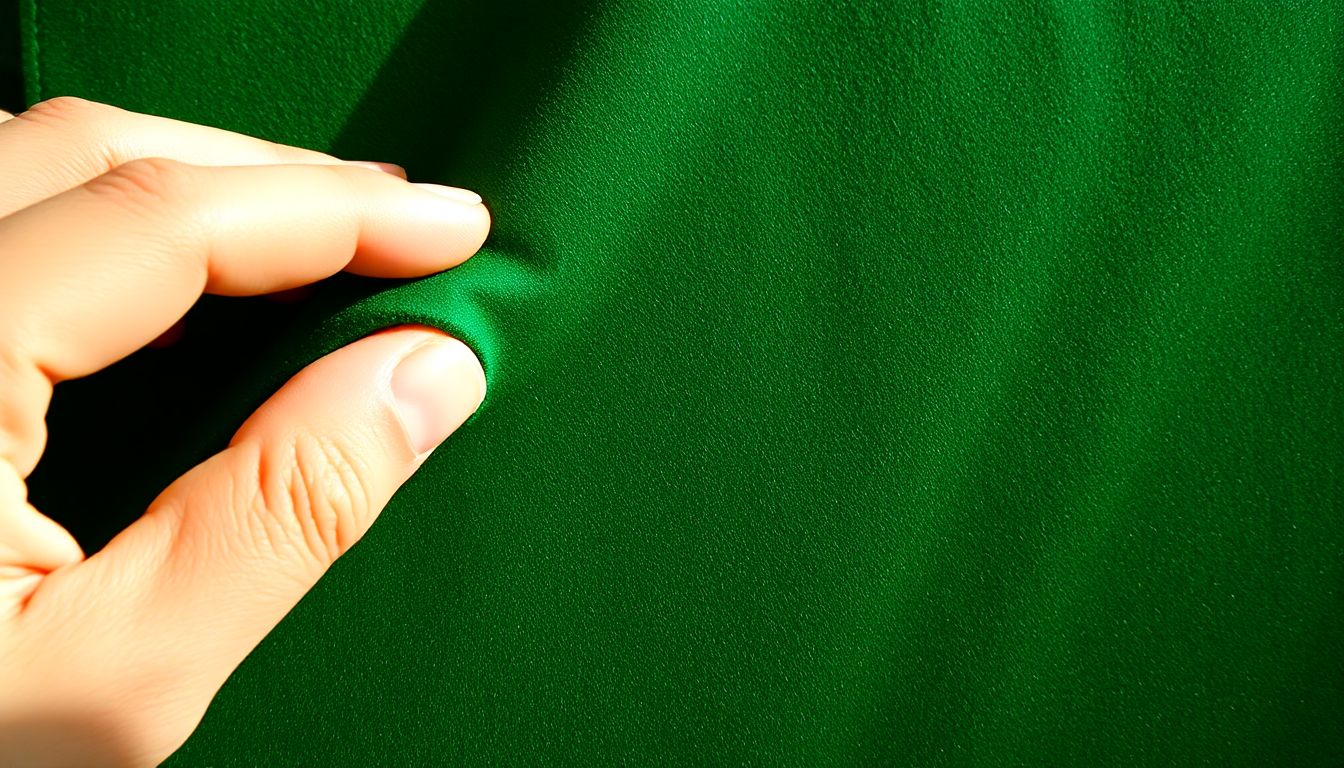
Velvet is a cut-pile fabric — loops of yarn are woven into a base fabric on a special double-width loom, and a knife cuts through the connecting yarns during weaving to create two separate layers of upright fiber tufts. The pile is created in the warp direction, with a high density of pile yarns per square inch (typically 200–400 per square inch in quality velvet) that create the fabric’s characteristic dense, soft texture and light-reflecting sheen (Cotton Incorporated). The pile tuft is woven through the base fabric and locked in place during weaving — this pile-to-base-fabric bond holds each fiber upright but remains vulnerable to weakening under prolonged moisture exposure.
The pile — these upright fiber tufts — is the structural feature that makes velvet distinctive. When pile fibers are pressed flat against another surface, particularly while wet, they compress permanently and create dull, flattened patches called “crushing.” Unlike fabric wrinkles, which can be steamed out, pile crushing is a physical deformation of the fiber structure that cannot be fully reversed.
Heat accelerates pile crushing because it softens the fiber’s molecular structure, allowing fibers to collapse more easily against the base weave. Steam or hot water causes pile fibers to lose their stiffness and collapse. This is why standard washing and drying practices that work for flat-woven fabrics are destructive to velvet. Recovery from crushing varies by fiber type: polyester velvet responds well to steam restoration because polyester’s thermoplastic properties allow fibers to be re-set; silk velvet rarely recovers fully because the protein fibers are permanently deformed by moisture and pressure; cotton velvet is difficult to restore because cellulose fibers bond when wet and compressed.
Velvet Fiber Type: The Critical Factor
Not all velvet is the same — fiber content determines whether a velvet garment can be washed at home and what methods are safe. The same care rules do not apply across all velvet types. Always check the fiber content and care label before deciding on a cleaning method.
| Velvet Type | Wash at Home? | Recommended Method |
|---|---|---|
| Polyester velvet | Yes, with care | Cold hand wash or delicate machine cycle (below 30°C / 86°F) |
| Velvet blend (polyester/viscose) | Usually yes | Cold hand wash; low tumble dry or air dry |
| Cotton velvet | Borderline | Dry clean recommended; cold hand wash possible but risky |
| Silk velvet | No | Dry clean only — always |
| Crushed velvet | Yes | More forgiving; cold hand wash or gentle machine cycle |
| Velvet with embroidery or beading | No | Dry clean only — embellishments can be damaged or bleed |
How to Check Your Velvet Label
The care label is your first decision point. A label reading “dry clean only” is a hard boundary for silk velvet and structured velvet garments — there are no exceptions. Attempting home washing on silk velvet causes permanent shrinkage, color bleeding, and pile distortion that cannot be reversed.
If the label says “machine wash gentle/delicate,” the garment is almost certainly made from polyester velvet or a polyester blend. In this case, follow the hand washing instructions below with particular attention to temperature and agitation limits. No care label at all means treat the garment as dry clean only — this is the safest default when fiber content is unknown.
Garment construction details matter as much as the care label. Velvet blazers, tailored jackets, lined garments, and any structured velvet piece require dry cleaning regardless of fiber content. The interlining and canvas structure used in tailoring distort during home washing even when the velvet fiber itself would tolerate water — the shape of the garment is as important as the fabric.
How to Hand Wash Polyester Velvet: Step-by-Step
Hand washing is the safest home method for washable velvet because it gives you complete control over agitation, temperature, and pile handling. Follow each step precisely — deviations from these steps are what cause pile crushing during home washing.
- Fill a basin with cold water below 30°C (86°F) — add a teaspoon of mild delicate detergent and agitate briefly to disperse. Never use hot water on velvet. Hot water softens the pile fibers excessively and accelerates crushing.
- Submerge the garment pile-side up — do not fold the garment or allow it to bunch at the bottom of the basin. The pile face should face upward, fully exposed to water but not pressed against the basin sides.
- Gently squeeze water through the base fabric — press the flat reverse side of the velvet against the water, squeezing gently to push soapy water through. Do not touch, rub, or scrub the pile surface directly. This is the most critical rule: pile must never be handled while wet.
- Soak for no more than 10 minutes — extended soaking weakens the bond between pile and base fabric. A 10-minute soak is sufficient for light surface soil on polyester velvet; set stains require pre-treatment before washing.
- Drain and rinse thoroughly — empty the basin and refill with cold clean water. Move the garment gently through the water to rinse, or hold it under a slow-running cold tap. Do not wring. Repeat until no detergent residue remains.
- Remove from water by lifting flat from below — never wring, twist, or bunch the garment. Support the full weight of the wet fabric evenly and lift it out in its flat shape.
- Lay pile-side up on a dry towel — this is the second most critical rule. The pile must dry facing up, completely free from contact with any surface except the air. Do not press the pile into the towel.
- Allow to air dry fully in position — do not hang velvet to dry, as gravity will stretch the garment and distort the pile direction. Do not use heat of any kind. Place in a well-ventilated room away from direct sunlight and allow 4–8 hours for drying depending on humidity.
How to Dry Velvet Without Crushing the Pile
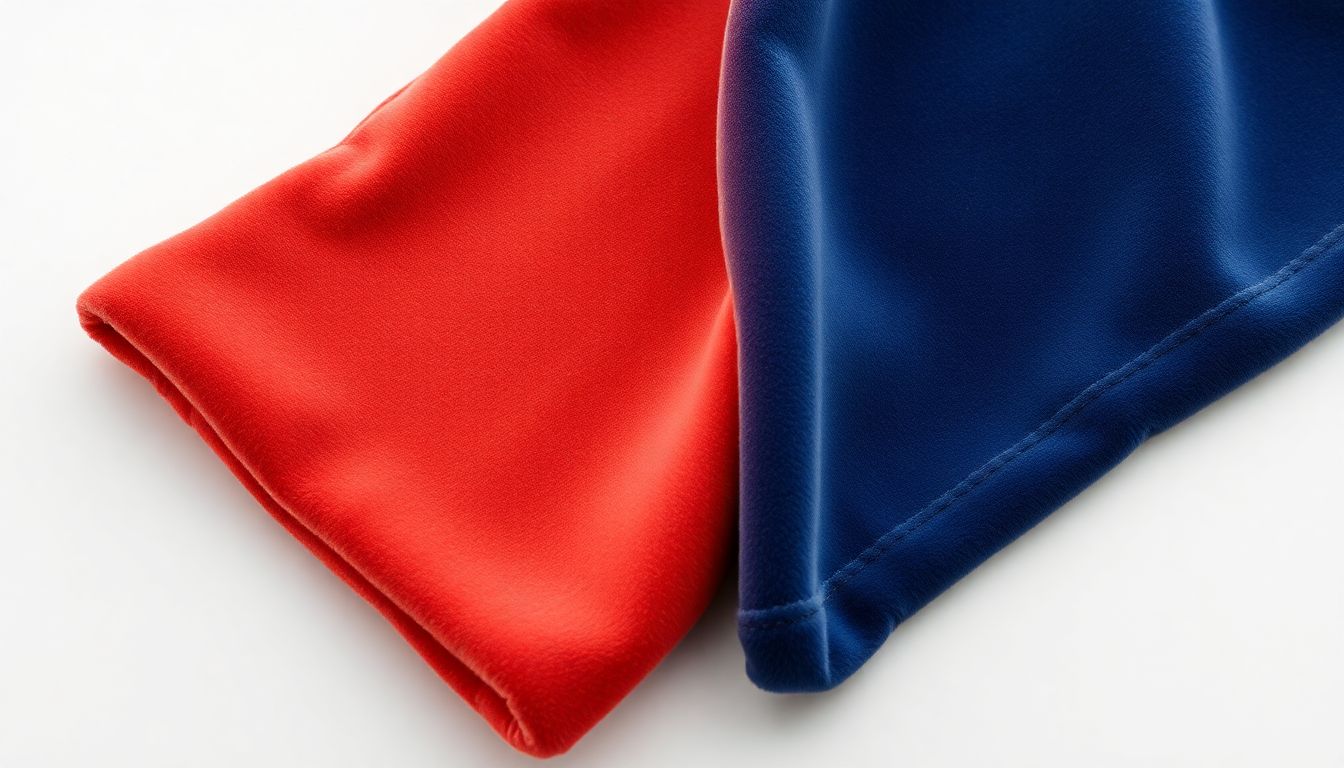
Drying is where most velvet home cleaning fails. Even a perfectly washed velvet garment develops crushed pile if dried incorrectly. The fundamental principle: the pile must never contact another surface while wet, and no heat may be applied.
Never tumble dry velvet. The drum action of a tumble dryer presses the pile flat against the drum wall during every rotation — even a single tumble dry cycle causes permanent crushing on most velvet types. The heat also sets any remaining moisture into the pile fibers, making crushing irreversible.
Never press velvet with an iron directly on the pile. Even the non-velvet side of a velvet garment (the base fabric backing) should not be ironed without a pressing cloth. Direct iron contact on any part of a velvet garment can transfer heat and pressure to the pile inadvertently. If pressing is necessary on the base fabric, use a pressing cloth and the lowest iron temperature.
Do not lay pile-face-down on any surface while wet. This is the single most common mistake in velvet drying. Gravity and moisture combine to press the upright pile flat against whatever surface the garment contacts. The fibers bond in this flattened position as they dry, creating permanent crushed patches.
The correct drying method: hang the garment on a padded wide-shoulder hanger — wire hangers crush velvet shoulder structure permanently — and allow the entire garment to hang with the pile facing outward, free from contact with walls, other garments, or hangers at the shoulder points. Alternatively, lay the garment pile-face-up on a mesh drying rack, ensuring no part of the pile is compressed by the rack surface. Cool air drying is slower than heat-assisted methods but essential for pile preservation.
Do not use fan heaters, radiators, or any direct heat source to speed drying. Heat softens pile fibers and accelerates permanent crushing even if the garment is positioned correctly. Room-temperature air drying is the only safe method.
How to Restore Crushed Velvet Pile
If pile crushing has already occurred, there are two primary restoration methods — neither guarantees perfect results, but both can significantly improve the appearance of crushed velvet. Polyester velvet responds best to restoration because its thermoplastic properties allow fibers to be re-set.
Steam Method (Best for Polyester Velvet)
- Hang the garment in a steamy bathroom or use a clothes steamer held 2–3 cm (approximately 1 inch) from the pile surface — never touch the steamer nozzle directly to the pile.
- Steam the pile in short bursts while the garment hangs freely — do not saturate the fabric, only lightly dampen the pile surface with steam.
- While the fibers are still damp from steam, use a velvet pile brush to lift the pile in the correct direction — always brush with the grain, never against it. The direction of the pile grain is the natural fall of the fibers and must be respected.
- Allow the garment to cool and dry fully in the hanging position before moving or touching the pile. Moving the garment while the pile is damp will re-crush the fibers.
Towel Steam Method
- Boil water and hold the crushed area of the velvet pile-face-down over the steam for 10-second intervals — the steam rises through the pile from below, gently relaxing the fibers.
- Immediately after steaming, brush the pile in the correct direction using a velvet brush while the fibers are still warm and pliable from the steam.
- Repeat as necessary, but do not over-steam, as excessive moisture weakens the pile-to-base-fabric bond over time.
Do not iron velvet directly on the pile under any circumstances. Even ironing the reverse (base fabric) side without a pressing cloth risks crushing the pile through the fabric. The combination of heat and pressure from an iron — even on the base fabric — can cause the pile fibers to compress and fuse permanently.
Special Care: Velvet Blazers and Structured Garments
Structured velvet garments — blazers, tailored jackets, coats, and any garment with interfacing or canvas construction — require professional dry cleaning regardless of fiber type. The tailoring structure within these garments distorts during home washing even when the velvet fiber itself would technically tolerate water immersion.
The interlining used in jacket fronts, collar structures, and shoulder pads is typically made from different materials (often wool canvas or synthetic fusibles) that respond differently to water and agitation than the velvet face. Differential shrinkage between the interlining and the velvet outer causes bubbling, rippling, and permanent distortion that cannot be repaired.
For surface refreshing between dry cleans, use a clothes steamer held at least 5 cm (2 inches) from the pile surface. Steam in the direction of the pile grain, lifting the fibers slightly as you work. Alternatively, lay the garment on a flat surface and gently blot dust from the pile using a clean white cloth barely dampened with cold water — press gently in the pile direction only, never scrub or rub.
Storage of structured velvet garments requires wide padded shoulder hangers that support the full shoulder width. Wire hangers create pointed pressure at the shoulder seam that permanently crushes the velvet pile in those specific locations. The crushed shoulder velvet cannot be restored to its original appearance. Cover velvet garments with a breathable cotton garment bag — not plastic — to protect from dust while allowing air circulation.
Frequently Asked Questions
Can you wash velvet in the washing machine?
Polyester velvet with a “machine washable” care label withstands machine washing on the delicate cycle using cold water (below 30°C/86°F), low or no spin speed, and a mesh laundry bag. Silk velvet and cotton velvet always require dry cleaning — attempting machine washing on these fiber types causes irreversible shrinkage, color bleeding, and pile damage.
How do you get velvet soft again after washing?
Hang the damp garment and steam it with a clothes steamer while the pile hangs freely in open air. Use a velvet brush to lift the pile in the correct direction (with the grain) while the fibers are still slightly damp from steam. The steam softens the polyester fibers slightly, allowing the brush to re-set them to an upright position. Allow the garment to air dry fully in the hanging position before moving or wearing.
How do you remove lint or dust from velvet without crushing it?
Use a velvet lint brush (a brush with short, soft bristles designed specifically for velvet pile) applied in a single direction following the pile grain — never against it. A sticky lint roller can also be used, rolled in the pile direction only. For light dust, a clean, barely damp white cloth pressed very gently along the pile grain removes dust without crushing. Always work with the pile, never against it.
References
- Cotton Incorporated. (n.d.). Warp Pile Fabric — Velvet Definition. Retrieved from Cotton Incorporated Fiber Encyclopedia
- Encyclopædia Britannica. (n.d.). Velvet — textile. Retrieved from Britannica
- International Woolmark Company. (n.d.). Fabric Care — Wool and Garment Care Guidelines. Retrieved from Woolmark


