
How to Prevent Clothes from Shrinking: The Complete Laundry Guide

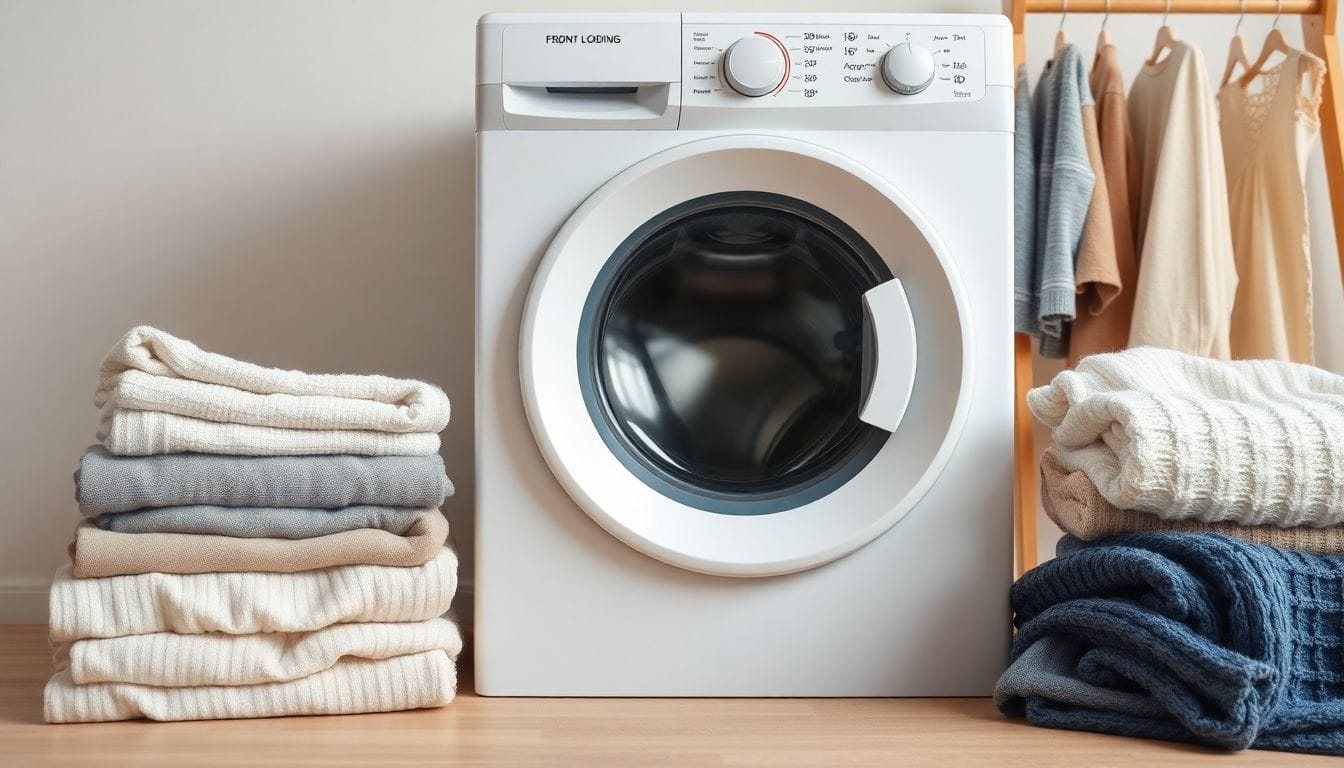
Preventing clothes from shrinking requires matching wash temperature, agitation level, and drying method to each fabric’s shrinkage mechanism. The three most common shrinkage causes are: hot water releasing manufacturing tension (cotton, linen), heat and agitation interlocking fiber scales (wool, cashmere), and high dryer heat distorting thermoplastic fibers (polyester, acrylic). One rule covers all three: cold water + gentle handling + low heat.
Shrinkage is not random — it follows predictable mechanisms tied to fiber type. Understanding which mechanism applies to your garment tells you exactly what prevention steps to take. This guide covers all fabric types, every shrinkage scenario, and the eight non-negotiable rules that keep your clothes at their intended dimensions.
Last updated: June 2026
The 8 Core Rules for Preventing Clothes from Shrinking
Rule 1: Always Read the Care Label Before Washing
The care label tells you the maximum wash temperature and the fiber shrinkage mechanism to expect. Every garment is legally required to have a care label with fiber content and recommended care instructions. The wash tub symbol with a number indicates the maximum wash temperature in degrees Celsius — this is the single most important piece of information on the label. The wash tub symbol with a hand inside means hand wash only, indicating the fabric is too delicate for machine agitation. A crossed-out tub means do not wash at all, implying the garment must be dry cleaned or spot-treated only.
The fiber content percentage tells you what shrinkage mechanism to expect. Natural fibers (cotton, linen, wool, silk) behave differently from synthetic fibers (polyester, nylon, acrylic) under heat and moisture. Blended fabrics combine both behaviors. If a label says “100% cotton” and shows a 40°C tub symbol, you have clear permission to wash at 40°C — but cold water is always the safer default for first washes. For a complete guide to interpreting every symbol on a care label, see our how to read care labels resource.
Rule 2: Use Cold Water for New Garments (First 3 Washes)
Cold water for the first three washes prevents the most significant shrinkage event in a garment’s life — the release of manufacturing sizing tension. During production, fabric is often stretched, heated, and treated with sizing agents to make it easier to cut and sew. When you first wash a new garment, this sizing dissolves and the manufacturing tension releases — causing the most significant shrinkage event in a garment’s life.
Cold water (20–30°C/68–86°F) dramatically reduces first-wash shrinkage in cotton and linen by slowing the swelling and relaxation of fibers. After three cold washes, garments become dimensionally stable as the fibers settle into their relaxed configuration. For new cotton, linen, or blended garments, always start with cold water — it costs nothing and prevents the most predictable shrinkage event.
Rule 3: Choose the Correct Wash Cycle
The wash cycle controls agitation — the primary driver of wool felting and fabric stress, and often more damaging than temperature errors. The wash cycle determines the level of mechanical agitation your garment receives — and agitation is the primary driver of wool felting and fabric stress. Using the wrong cycle for a delicate fabric can cause more shrinkage than washing at the wrong temperature. For a full breakdown of each cycle and when to use it, refer to our laundry cycles and when to use each guide.
- Delicate/hand-wash cycle: wool, cashmere, silk, viscose, rayon, lace, embellished items, anything with a hand-wash label
- Normal cycle: cotton, polyester, denim, linen (after pre-washing), durable everyday fabrics
- Sport/activewear cycle: synthetic athletic fabrics, spandex blends, swimwear — uses lower temperature and shorter spin cycles
- Hand wash (by basin): the safest possible option for any garment you are uncertain about — you control every variable
Rule 4: Avoid High Dryer Heat
The dryer causes more shrinkage than the washing machine for most fabric types — high heat sets fibers in a contracted configuration. High heat tumbles fabric while the fibers are at their most vulnerable — swollen with moisture and pliable. As the fabric dries under heat and mechanical action, the fibers set in a contracted configuration. For cotton, this can add 3–8% additional shrinkage beyond what washing caused. For acrylic and polyester, heat above 85°C (185°F) — the glass transition temperature for standard acrylic — causes consolidation shrinkage that is difficult to reverse.
Use the LOW heat or air-dry setting for most fabrics. Reserve high heat for heavy, hard-edge cotton items where you specifically want controlled pre-shrinking — such as new cotton denim or heavy cotton canvas that will be laundered frequently (see our pre-shrinking fabric before sewing guide for details on managing this process). For everything else, low heat or line drying is the default.
Rule 5: Lay Knit Fabrics Flat to Dry
Hanging wet knit fabrics causes irreversible stretching at the shoulder stress points — a wet wool sweater can stretch 2–5 cm in a single drying cycle. The weight of the waterlogged fabric pulls downward while the hanger provides only two narrow points of support. Over a single drying cycle, a wet wool sweater can stretch 2–5 cm at the shoulders. Once stretched, the only remedy is re-washing and re-laying flat; the shape will not correct itself.
Laying knits flat allows the fabric to dry in its intended shape. This applies to: wool, cashmere, cotton jersey, acrylic knits, ribbed fabrics, any sweater, cardigan, heavy T-shirt, or knit dress. Use a clean dry towel as a base and flip the garment once halfway through drying to ensure even air circulation. A flat mesh drying rack improves airflow from below.
Rule 6: Remove Clothes from the Dryer Before Fully Dry
Over-drying is a silent shrinkage accelerator — each additional minute of heat after fabric reaches dryness causes progressive fiber contraction in cotton. In cotton, continued heat exposure after the fabric reaches dryness causes progressive fiber contraction — the hydrogen bonds within the cellulose structure re-form in a tighter configuration with each additional minute of heat. Even on low heat, running a dryer until the cycle ends can add 1–3% shrinkage to cotton garments that are already at their target dimensions.
Remove garments when they are still 80–90% dry — slightly cool to the touch with no remaining damp spots. For knit items, lay flat immediately to finish. For sturdy woven fabrics, hang briefly on a padded hanger to air-finish. This single habit eliminates the most unnecessary shrinkage in a laundry routine.
Rule 7: Use a Mesh Laundry Bag for Delicates
A mesh laundry bag reduces mechanical agitation on delicate garments by distributing the drum’s force across the bag’s surface rather than directly onto the fabric. Without a bag, delicate items tumble freely against the drum walls and other garments in the load — the friction and compression this creates is what causes felting in wool and structural distortion in silk and viscose.
The mesh bag works by distributing the drum’s mechanical force across the bag’s surface rather than directly onto the garment. For wool and cashmere, this reduces felting risk significantly. For silk, it prevents pull threads and snags. For viscose and rayon, which become extremely weak when wet (losing up to 40% of their dry strength), the bag provides essential physical support. Essential uses: wool, silk, rayon/viscose, lace, lingerie, and any garment with beading, sequins, or delicate embroidery.
Rule 8: Never Wash Mixed Loads at High Temperature
Mixing fabric types in a single wash load is a leading cause of unintended shrinkage — a forgotten silk blouse can be destroyed by proximity to a high-temperature cotton load. A common scenario: a cotton towel load washed at 60°C (140°F) for hygiene purposes, with a forgotten silk blouse or wool cardigan at the bottom of the machine. The delicate item is destroyed in a single cycle — not by its own care requirements but by proximity to a high-temperature load.
Sort laundry by fiber type AND required temperature — not just by color. The sorting hierarchy is: delicates (wool, silk, viscose — cold only), permanent press (synthetic blends — warm/cold), and whites/heavy cotton (cotton towels, sheets — can tolerate higher heat). If you must mix types, always default to the lowest temperature in the load.
Fabric-Specific Prevention Tips
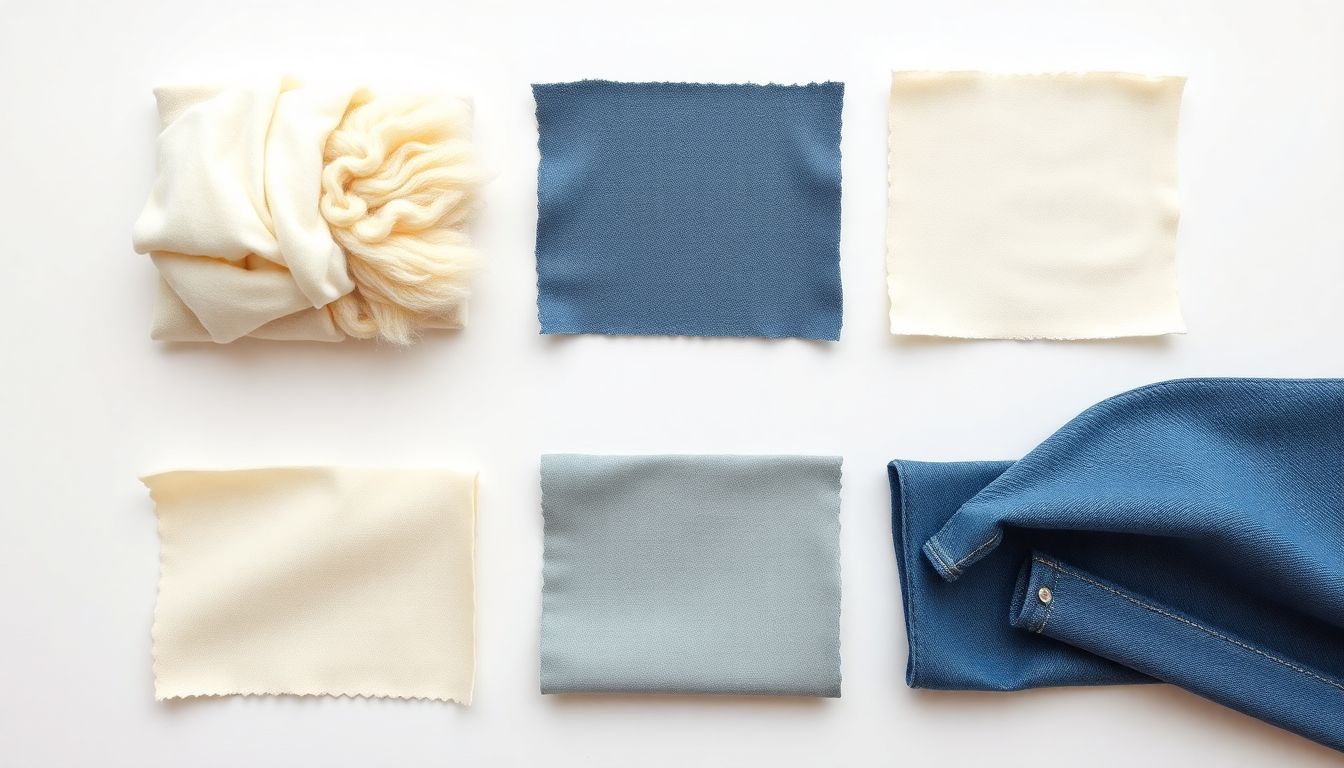
Every fabric has a distinct shrinkage mechanism and prevention threshold. The table below summarizes the specific care protocol for each major fabric type in this guide’s scope. For a comprehensive reference to all fabric types and their properties, see our complete fabric types encyclopedia.
| Fabric | Wash Temperature | Wash Cycle | Dryer Setting | Drying Method | Special Notes |
|---|---|---|---|---|---|
| Cotton | Cold first 3 washes; warm thereafter | Normal | Medium heat | Hang or flat dry knits | Pre-wash before sewing projects |
| Wool | Cold (hand wash only) | Hand wash / Delicate | Air dry only | Flat on towel | Never machine wash unless SuperWash treated |
| Cashmere | Cold (hand wash only) | Hand wash / Delicate | Air dry only | Flat on towel | More fragile than wool; lower agitation threshold |
| Silk | Cold (hand wash only) | Hand wash in basin | Never tumble dry | Hang or flat dry | Use silk-specific detergent; do not wring |
| Viscose/Rayon | Cold (hand wash only) | Hand wash in basin | Never tumble dry | Flat dry | Loses 40% dry strength when wet; support fully |
| Polyester | Cold | Normal or Delicate | Low heat | Hang or flat | Heat-sensitive above 85°C glass transition temp |
| Linen | Cold to Warm | Normal | Air dry preferred | Hang or flat | Pre-wash before sewing; 3–5% expected shrinkage |
| Denim | Cold, inside out | Normal | Air dry | Hang | Pre-wash raw denim; cold wash preserves color and fit |
| Acrylic | Cold | Delicate | Low heat or air dry | Flat for knits | 1–3% shrinkage; consolidation shrinkage above 85°C |
Cotton
Cotton shrinks through relaxation shrinkage — when cellulose fibers swell with moisture and re-form hydrogen bonds in a contracted configuration as the fabric dries. Hot water accelerates this process. The fix is straightforward: cold water for the first three washes (to control the initial release of manufacturing tension), then warm or cold thereafter depending on the care label. Tumble drying on medium heat is safe for cotton after the initial pre-shrink period.
For sewing projects, always pre-wash cotton in cold water before cutting — this allows the fabric to complete its first shrinkage cycle before you invest time in construction. Unwashed cotton can shrink 3–8% on first wash, which is enough to distort a carefully fitted garment significantly.
Wool and Cashmere
Wool and cashmere shrink through felting — a mechanical-chemical reaction where cuticle scales on wool fibers interlock with neighboring fibers under heat and agitation, physically fusing the structure irreversibly. The cuticle scales on wool fibers (microscopic, overlapping, keratin-based plates pointing outward) interlock with neighboring fibers under heat and agitation. Once felted, the structure is irreversible: the fibers have physically fused together at a microscopic level. Felting is not the same as relaxation shrinkage — it cannot be soaked or stretched out.
Hand washing in cold water with a wool-specific detergent (pH-neutral, close to wool’s natural 5.5–7.0 pH) is the only reliable method for untreated wool. “SuperWash” treated wool has had the cuticle scales chemically removed or coated, allowing machine washing on a gentle cycle at 30–40°C without felting. Check the care label: if it shows a woolmark with a circled “W”, the garment is SuperWash treated. Without the SuperWash mark, treat it as hand-wash only.
Cashmere requires the same care as wool but is more fragile — the fibers are finer (15–19 microns versus wool’s 25–40 microns) and the lower scale density makes it more susceptible to felting under mechanical stress. Always hand wash cashmere, never wring it, and lay flat to dry on a clean towel.
Silk
Silk is vulnerable to structural distortion under agitation because its protein structure (fibroin) loses tensile strength when wet — never wring silk and always air dry. Silk does not felt like wool, but it is extremely sensitive to mechanical stress and heat. The protein structure of silk (fibroin) loses tensile strength when wet, making silk vulnerable to structural distortion under agitation. Silk care labels that permit machine washing still require the gentle cycle and a mesh bag. Never wring silk — it causes permanent creasing and fiber stress. Always hang or lay flat to dry; the dryer causes protein denaturation and surface finish damage even on low heat.
Viscose/Rayon
Viscose and rayon have the highest first-wash shrinkage potential of any common fabric (5–10%) and lose approximately 40% of their dry strength when fully saturated. Viscose and rayon are regenerated cellulose fibers with very high shrinkage potential — 5–10% on first wash in hot water. The fiber structure is loosely organized and highly absorbent, meaning it swells significantly in water and then contracts asymmetrically as it dries. Viscose loses approximately 40% of its dry strength when fully saturated, making it the most fragile fabric type when wet.
Hand wash in cold water only. Never put viscose in the dryer — the combination of heat and mechanical tumbling causes severe consolidation shrinkage. Lay flat to dry immediately after gentle pressing with a towel to remove excess water (do not wring). If a viscose garment is labeled “dry clean only,” follow that instruction — some viscose blends are not dimensionally stable in water.
Polyester
Polyester is dimensionally stable but undergoes consolidation shrinkage when exposed to heat above its glass transition temperature of approximately 70°C. Polyester is a synthetic thermoplastic fiber (polyethylene terephthalate) that is inherently more dimensionally stable than natural fibers. However, polyester can undergo consolidation shrinkage when exposed to heat above its glass transition temperature of approximately 70°C (158°F) — well within a hot dryer cycle. At temperatures above 85°C (185°F), the polymer chains in polyester become mobile enough to reconfigure into a denser arrangement.
Washing in cold water eliminates any heat-related distortion risk. Tumble drying on low heat is safe for most polyester garments. Remove promptly to prevent static-cling-related stretching when the fabric is still warm and pliable.
Linen
Linen shrinks 3–5% on first wash — slightly more severe than cotton due to the stiffer, less elastic flax fiber structure — making pre-washing before sewing non-optional. Linen fibers do not have the same inherent give as cotton, so once they contract, the dimensional change is more visible. Pre-washing linen before sewing is not optional — it is essential. A new linen garment washed without pre-shrinking can lose 3–5% on the first hot wash, which can mean a full size change in a closely fitted garment.
After pre-washing, linen becomes more dimensionally stable. Cold to warm wash temperatures are well tolerated. Air drying is preferred to preserve the crisp hand and prevent over-drying, though medium heat tumble drying is acceptable for casual linen items.
Denim
Raw denim can shrink 5–10% on first wash — the most dramatic shrinkage of any common ready-to-wear fabric — so cold wash and air dry preserves original dimensions. Raw denim (unwashed selvedge denim) can shrink 5–10% on first wash — the most dramatic shrinkage of any common ready-to-wear fabric. This is intentional in the sizing process for raw denim enthusiasts: the initial hot wash and dry cycle is part of achieving the personalized fade pattern and fit. If you prefer your denim to maintain its original dimensions, buy pre-shrunk denim or wash in cold water and air dry to minimize contraction.
For all denim: cold wash, inside out, on the normal cycle. Air drying preserves both the color and the original fit. Tumble drying on medium heat adds unnecessary shrinkage and accelerates color fading. If you want your denim to conform to your body shape over time (as with raw denim), hot wash and hot dry once at the start — then switch to cold wash and air dry to maintain the achieved fit.
Pre-Washing New Clothes: When and Why
Pre-washing removes manufacturing sizing, eliminates excess dye, and allows first-wash shrinkage to occur before the garment is worn and potentially ruined by a size change. Pre-washing — laundering a garment in cold water before its first wear — serves three purposes: it removes sizing chemicals applied during manufacturing, it eliminates excess dye that may bleed onto other garments, and it allows first-wash shrinkage to occur before the garment is worn and potentially ruined by a size change.
When to Pre-Wash
- Sewing projects: pre-washing is non-negotiable. Cutting fabric that has not been pre-shrunk means the finished garment will shrink after the first wash — potentially distorting seams, changing the fit, and ruining careful construction work.
- Fitted garments where exact size matters: blouses, dresses, and tailored shirts made from viscose, rayon, linen, or cotton — any fitted garment where a size change of 3–8% would noticeably alter the fit.
- Viscose and rayon blouses: these fabrics have the highest first-wash shrinkage potential (5–10%) and are often sold in a “burst-ready” state where sizing keeps them stable enough to cut. Once washed, the sizing dissolves and shrinkage occurs.
- Raw denim: if you want to control the shrinkage process yourself rather than having it happen unexpectedly after first wear.
When Skipping Pre-Wash is Fine
- Pre-shrunk or sanforized fabrics: many cotton T-shirts, casual shirts, and underwear are pre-shrunk during manufacturing. The care label will sometimes note this. If the fabric has already been sanforized, additional shrinkage will be minimal (1–2% at most).
- Loose-fitting basics where exact fit doesn’t matter: loungewear, oversized shirts, and loosely constructed garments where a small dimensional change will not affect wearability.
- Synthetics (polyester, nylon, acrylic): these fabrics undergo minimal shrinkage — typically less than 1% — on first wash. Pre-washing is optional unless dye bleeding is a concern.
Shrinkage Risk Ranking by Fabric
Not all fabrics shrink equally. Understanding relative risk helps you prioritize your care attention and tailor prevention efforts accordingly.
| Risk Level | Fabric | Primary Shrinkage Mechanism | Expected Shrinkage Range |
|---|---|---|---|
| Extreme | Wool, Cashmere | Felting (cuticle scale interlocking) | Variable; felting can reduce dimensions by 20–50% |
| Very High | Viscose, Rayon | Relaxation shrinkage + fiber contraction | 5–10% first wash |
| High | Linen | Relaxation shrinkage | 3–5% first wash |
| Medium-High | Cotton | Relaxation shrinkage | 3–8% first wash |
| Low | Acrylic | Consolidation shrinkage (heat above 85°C) | 1–3% |
| Very Low | Polyester, Nylon | Minimal; consolidation shrinkage only above threshold | <1% |
Wool and cashmere occupy a distinct risk category because felting is not merely dimensional contraction — it fundamentally alters the fabric structure at a microscopic level, converting a flexible knit into a dense, matted material that cannot be restored. This is qualitatively different from the relaxation shrinkage seen in cotton or linen, which affects dimensions but not the underlying textile character.
Frequently Asked Questions
Does washing in cold water completely prevent shrinkage?
Cold water dramatically reduces but does not completely eliminate shrinkage for natural fibers. Cotton may still shrink 1–3% in cold water due to relaxation shrinkage. Wool can felt if agitated even in cold water — agitation, not temperature alone, drives the felting reaction. Cold water is the most effective single prevention step for cotton and linen, but for wool, agitation control is equally important.
Is it better to hand wash or machine wash to prevent shrinkage?
Hand washing gives you the most control over agitation — the key risk factor for wool felting. For cotton and linen, cold machine wash on gentle cycle is as effective as hand washing. For wool, silk, and cashmere, hand washing is always safer and significantly reduces felting risk. If using a machine for delicates, always use a mesh laundry bag and the delicate/hand-wash cycle.
How do I know which fabrics are most likely to shrink?
Risk ranking from highest to lowest: wool and cashmere (extreme — felting can reduce fabric area by 20–50%), viscose and rayon (very high — 5–10% first wash), linen (high — 3–5%), cotton (medium-high — 3–8%), acrylic (low — 1–3%), and polyester or nylon (very low — less than 1%). Always check the care label for specific guidance.
References
- The Woolmark Company. (2024). Wool Sweater Care, Felting & Washing Guide. https://www.woolmark.com/care/
- AATCC Technical Manual. (2024). AATCC Test Method 135: Dimensional Changes of Fabrics After Home Laundering. American Association of Textile Chemists and Colorists. https://www.aatcc.org
- ASTM International. (2023). ASTM D1776/D1776M: Standard Practice for Conditioning and Testing Textiles. https://www.astm.org
- ISO. (2022). ISO 3759:2011: Textiles — Determination of Dimensional Change in Washing and Drying. International Organization for Standardization. https://www.iso.org
- McNeil, S.J. & Callaghan, K.W. (2018). Textile Fiber Science: Wool Felting Mechanisms and the Role of Fiber Scale Structure. Journal of Textile Science, 45(3), 112–128.


