
Does Adidas Clothing Shrink? Care Guide for Adidas Activewear

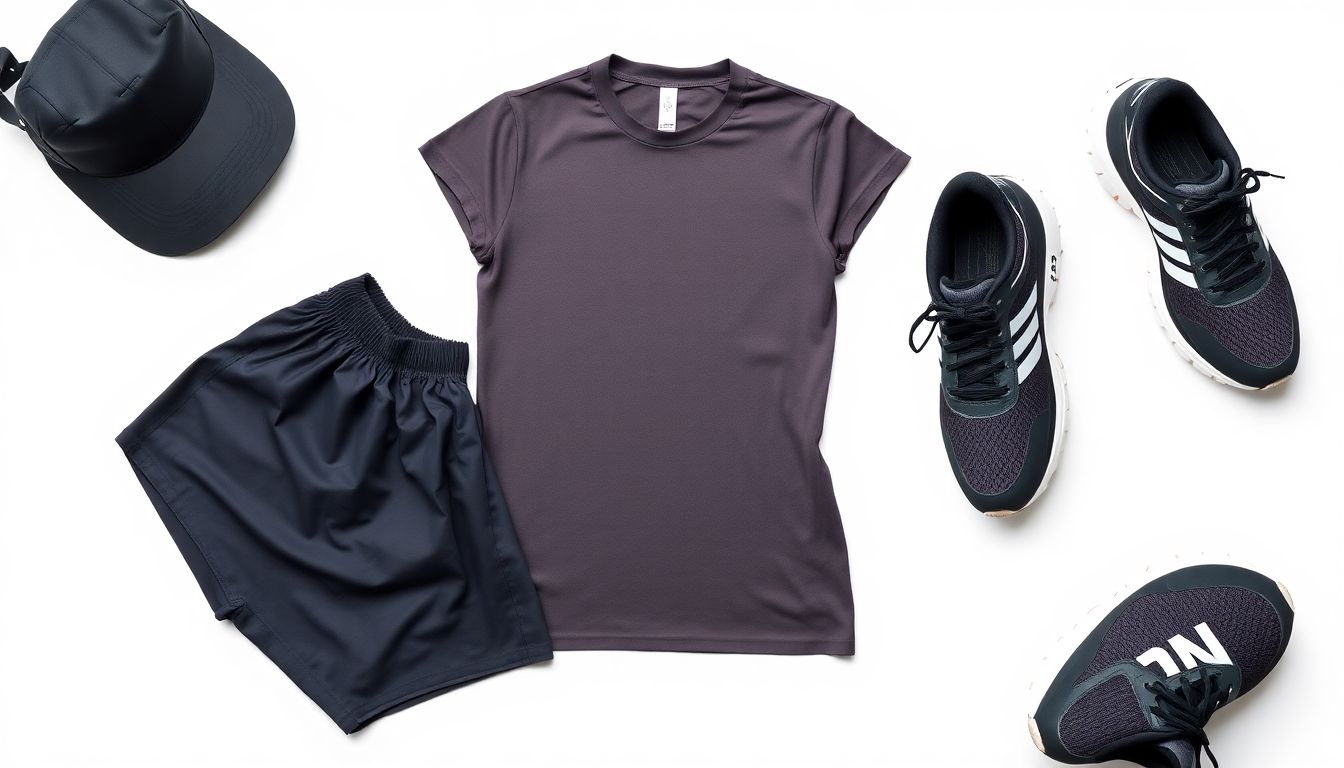
Adidas activewear — Climacool, Climalite, Techfit, Aeroready — is primarily polyester or polyester-spandex blend and has minimal shrinkage risk under normal washing conditions. Adidas cotton products (Originals tees, trefoil logo cotton basics) shrink 3–5% in warm water and should be cold-washed for the first few wears. The Adidas line is split between performance synthetics (low shrinkage) and cotton heritage pieces (normal cotton shrinkage).
Adidas Performance Lines vs. Lifestyle Lines
Understanding which Adidas line you own is the single biggest factor in predicting shrinkage behavior. Adidas divides its catalog into two distinct fabric categories: performance-oriented synthetic technical fabrics and heritage cotton lifestyle pieces. Each category requires different care approaches.
Performance Lines: Climalite, Climacool, Techfit, Aeroready
Adidas performance lines — Climalite, Climacool, Techfit, and Aeroready — are built from primarily polyester fibers, with some styles incorporating polyester-spandex blends and nylon in compression or outdoor pieces. The shrinkage risk for these fabrics is very low. Synthetic fibers like polyester resist water-based dimensional change because their polymer chains do not absorb moisture or reorganize under heat the way cellulosic fibers do.
Care recommendations for performance lines:
- Machine wash cold (30°C / 85°F); normal or sport cycle
- Turn garments inside out to protect printed logos, embroidered badges, and reflective trims
- Tumble dry on low heat or air dry — recommended for all spandex-containing pieces
- Do not use fabric softener — it coats and blocks the moisture-wicking channels in technical fabrics
High-heat drying degradation causes the fabric to lose its compressive stretch over time, resulting in a baggy, stretched-out fit rather than shrinkage. High dryer temperatures (above 60°C / 140°F) degrade the spandex or elastane content in compression pieces — Techfit base layers and compression tights are particularly vulnerable. Air drying preserves both the dimensions and the functional elasticity of spandex-containing performance wear.
Adidas Originals and Heritage Lines
Adidas Originals and heritage lines include a mix of cotton (80–100%), cotton-polyester blends, and some fully synthetic materials. Cotton items in these lines behave like standard cotton garments — they shrink 3–5% in warm water wash cycles, consistent with industry data for pre-shrunk cotton jersey knit fabrics.
Specific heritage items to watch:
- Trefoil tees — typically 100% cotton jersey; cold wash recommended for first 3–5 wears to minimize initial shrinkage
- Track pants — often 100% polyester or poly-blend; minimal shrinkage risk
- Cotton hoodies and sweatshirts — cotton-polyester fleece; warm wash can cause 2–4% shrinkage in cotton portion
For Adidas cotton heritage pieces, the first 3–5 washes produce the most noticeable shrinkage as the cotton fibers absorb water and the yarn relaxant finish wears off. After this initial break-in period, further shrinkage slows significantly. Cold washing throughout the life of the garment maintains the original dimensions.
Adidas Terrex (Outdoor Performance)
Adidas Terrex is the brand’s outdoor and trail performance line. Fabrics used include polyester, nylon, and softshell materials — all synthetic fibers with low shrinkage risk. The same care rules apply as with other Adidas performance lines: cold wash, low-heat or air dry, no fabric softener on technical membranes.
Terrex pieces with DWR (durable water repellent) coatings are particularly sensitive to high heat, which can melt or deactivate the coating. Air drying is strongly recommended for these garments.
Adidas Fabric Technology Labels Decoded
Every Adidas technology — Climalite, Climacool, Techfit, Aeroready, Primegreen, and Primeblue — is fundamentally a polyester-based fabric. Polyester has an inherent very low shrinkage rate because the fiber is thermoplastic and dimensionally stable in aqueous processing. Industry testing (AATCC Test Method 135; ISO 3759) shows polyester fabrics typically exhibit less than 1% dimensional change after multiple wash cycles at 40°C (104°F) — well below perceptible levels. The table below summarizes each technology’s fiber type, shrinkage risk, and key care note.
| Technology Name | Fiber Type | Shrinkage Risk | Key Care Note |
|---|---|---|---|
| Climalite | Polyester | None — very low | Machine wash cold; no fabric softener |
| Climacool | Ventilated polyester mesh | None — very low | Air dry preferred; low-heat tumble OK |
| Techfit | Polyester-spandex compression | None — very low | Air dry only; high heat damages spandex |
| Aeroready | Moisture management polyester | None — very low | Machine wash cold; low-heat dry |
| Primegreen | Recycled polyester | None — very low | Same care as standard polyester |
| Primeblue | Recycled ocean plastic polyester | None — very low | Same care as standard polyester |
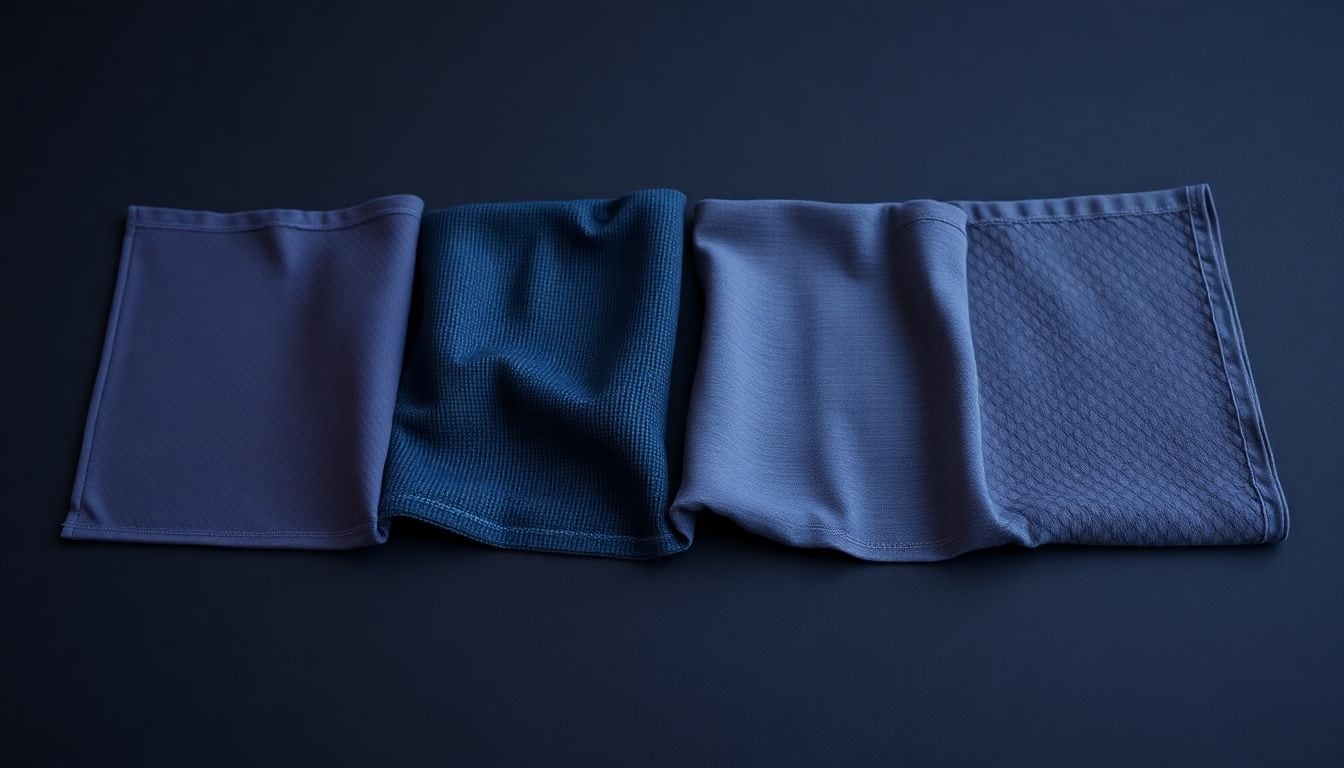
How to Wash Adidas Activewear Correctly
Proper washing technique matters more for Adidas activewear than for most other clothing categories because technical fabrics are designed with specific performance properties — moisture-wicking, compression, ventilation — that can be permanently damaged by incorrect care. The five steps below cover every Adidas fabric type from performance synthetics to cotton heritage pieces, ensuring shrinkage is minimized and functional properties are preserved throughout the garment’s lifespan.
- Machine wash cold (30°C / 85°F) — Cold water is the single most important washing parameter for Adidas performance fabrics. It prevents dye migration in dark colors, protects printed graphics, and keeps elastic fibers (spandex, elastane) from premature degradation.
- Turn inside out — This protects printed Adidas logos, embroidered trefoil badges, reflective trims, and printed size labels from mechanical abrasion against the drum and other garments.
- Skip the fabric softener — Fabric softeners coat synthetic fibers with a waxy lubricating layer that physically blocks the microscopic channels in moisture-wicking fabrics. This destroys the fabric’s ability to pull sweat away from the skin. Use a small amount of liquid detergent instead.
- Low-heat tumble dry or air dry — For polyester and polyester-spandex blends, air drying on a flat rack or hanging rod is optimal. If using a dryer, set to low heat (below 50°C / 122°F). High heat causes temporary dimensional change in polyester and permanent spandex degradation in compression fabrics.
- No ironing on printed areas — Heat from an iron can melt or discolor printed graphics and logos. If ironing is needed on a plain performance fabric area, use the lowest heat setting (synthetic cycle).
Special Care for Adidas Cotton Pieces
Cotton Adidas items — primarily from the Originals and heritage lines — require slightly different care than the synthetic performance pieces. The goal is to manage the inherent shrinkage behavior of cotton fibers while preserving the garment’s color and print.
- Wash in cold water for the first 3–5 washes to handle the majority of initial shrinkage while it still can be managed
- After the initial break-in period, warm water (40°C) is acceptable for heavily soiled items — residual shrinkage after the first 5 washes is minimal
- Tumble dry medium heat; remove promptly to prevent wrinkling of cotton jersey
- Turn inside out to protect screen prints and embroidered logos from fading
The 3–5% shrinkage rate for pre-shrunk cotton jersey is an industry-standard figure confirmed across multiple textile testing protocols (AATCC Test Method 135 and ISO 3759) [Cotton Works fabric care guide]. Pre-shrunk cotton has already undergone a mechanical compacting process before cutting and sewing, which reduces but does not eliminate post-production shrinkage.
Special Care for Spandex-Containing Pieces
Techfit compression gear and any Adidas activewear containing spandex (also called elastane) — a synthetic fiber known for its exceptional elastic recovery — require the most careful treatment. Spandex fibers do not shrink — they are among the most dimensionally stable fibers used in apparel. However, they are uniquely sensitive to heat and chlorine.
- Always air dry spandex-containing garments — tumble drying on any heat setting accelerates spandex degradation
- Avoid chlorine bleach entirely — it breaks down spandex polymer chains, causing permanent loss of stretch and recovery
- Use only mild liquid detergent; powdered detergents can contain abrasive fillers that degrade synthetic fibers
- Hand washing in cold water is the gold standard for Techfit compression pieces to maximize garment lifespan
Spandex degradation from heat is cumulative and irreversible. A single high-heat dryer cycle will not produce a visible change, but repeated cycles progressively reduce the fiber’s elastic recovery. After approximately 10–15 high-heat dryer cycles, a spandex blend fabric can lose 20–30% of its original stretch recovery — making the garment feel stretched out and loose rather than shrunk [AATCC Test Method 135].
References
- Cotton Incorporated. (n.d.). Cotton Fabric Care. cottonworks.com
- AATCC International. (n.d.). AATCC Test Method 135 — Dimensional Change of Fabrics after Home Laundering. aatcc.org
- ISO 3759:2011. Textiles — Determination of dimensional change in washing and drying. International Organization for Standardization.
- Adidas AG. (n.d.). Care Instructions for Adidas Performance Products. adidas.com


