

Can You Wash Light Gray With White?

Yes, you can launder light gray items with white ones without significant color transfer in most cases. However, to maintain the whiteness of white garments over time, it is better to wash them separately. Repeated washing of white items with colors causes white fabrics to become dull or grayish within 5–10 wash cycles. Always test a new gray item for colorfastness before washing it with whites.
Here, you will learn about washing light grey clothes with white ones. This guide explores the optimal washing method, the appropriate detergent type, the risks associated with mixing colors, and specific tips to prevent discoloration and damage to your garments.
Quick-Reference: Key Washing Settings for Light Gray and White
| Setting | Recommended Value | Why It Matters |
|---|---|---|
| Water Temperature | Below 30°C (86°F) | Minimizes color bleeding by up to 80% compared to warm water |
| Wash Cycle | Delicate / Gentle | Reduces agitation by ~50%, lowering friction and color transfer risk |
| Drum Capacity | 75% or less | Prevents excess friction between garments |
| Detergent | Mild, color-safe formula | Preserves both light gray and white hues without harsh chemicals |
| New Garments | Wash separately for 3–5 cycles | Excess dye release is highest in first 3–5 washes |
Wash Fastness Ratings: What the Numbers Mean
| Rating | Description | Risk of Color Bleeding |
|---|---|---|
| 5 | Excellent resistance to color transfer | Minimal — safe to wash with whites in most cases |
| 4 | Good resistance | Low risk — generally safe with precautions |
| 3 | Moderate resistance | Moderate risk — use cold water and color catcher |
| 1–2 | Poor resistance | High risk — may bleed for up to 8 washes; wash separately |
Wash Together or Separately? Pros and Cons
| Wash Together | Wash Separately | |
|---|---|---|
| Convenience | Saves time and water — one load instead of two | Requires more time and energy for multiple loads |
| Color Risk | Some risk of dulling white fabrics over 5–10 wash cycles | No risk of color transfer to white garments |
| Best For | Established, colorfast light gray items washed many times | New gray garments, items rated 1–2, high-value whites |
| White garment impact | May gradually become grayish with repeated combined washing | Whites stay bright and crisp indefinitely |
Washing Light Gray Items With White Ones: Best Practices
Washing light gray clothing with white clothing can be done successfully when you follow specific guidelines. There are several factors to consider to prevent color transfer or damage to the garments.
Similar Shades
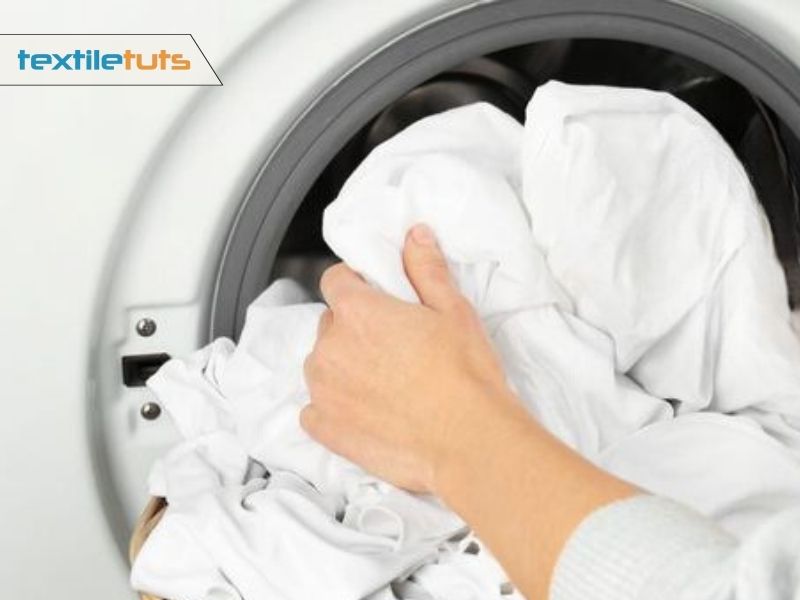
Light gray and white are both light colors, so they have a better chance of being washed together without causing significant color bleeding. However, it is essential to check the care labels on both garments for specific washing instructions. Standard wash fastness ratings range from 1 to 5, with 5 indicating excellent resistance to color transfer.
Separate Similar Colors
Separating your laundry into similar color groups reduces the risk of color transfer. When washing light gray and white clothing, group them with other light colors like pastels and pale shades. Cold water at temperatures below 30°C (86°F) significantly reduces the likelihood of dye bleeding compared to warm water at 40°C (104°F) or higher.
New Clothing
New light gray clothing releases excess dye during its first 3-5 washes. This dye bleeding follows the wash fastness rating of the fabric—items rated 1-2 may bleed for up to 8 washes. Wash new gray items separately until the dye bleeding decreases to prevent color transfer to white garments.
Cold Water and Mild Detergent
When washing light gray and white clothing together, always use cold water below 30°C (86°F). Cold water minimizes color bleeding by up to 80% compared to warm water. Use a gentle, color-safe detergent formulated for colored fabrics to preserve both light gray and white hues.
Delicate Cycle
Use the delicate or gentle cycle on your washing machine when laundering lighter items. This setting reduces agitation by approximately 50%, which minimizes friction between garments and lowers the risk of color transfer and fabric wear.
Colorfastness Test
Perform a colorfastness test before washing gray items with whites. Dampen a small, inconspicuous area of the gray garment and press it against a white cloth for 30 seconds. If color transfers to the white cloth, wash the gray item separately.
Avoid Overloading
Do not overload the washing machine. When the drum is filled beyond 75% capacity, friction between garments increases significantly, potentially causing color transfer and fabric damage. Leave adequate space for water and detergent to circulate freely.
Use a Color Catcher
Color catcher sheets absorb excess dyes released during washing, preventing color bleeding. Place one color catcher sheet in the washing machine drum when laundering light gray and white items together. These sheets are particularly effective during the first 3-5 washes of new garments.
When You Must Wash Light Gray and White Separately
While it is possible to wash light gray items with white ones in many cases, certain situations require washing them separately to prevent potential damage. The following scenarios demand separation.
New, Unwashed Gray Items
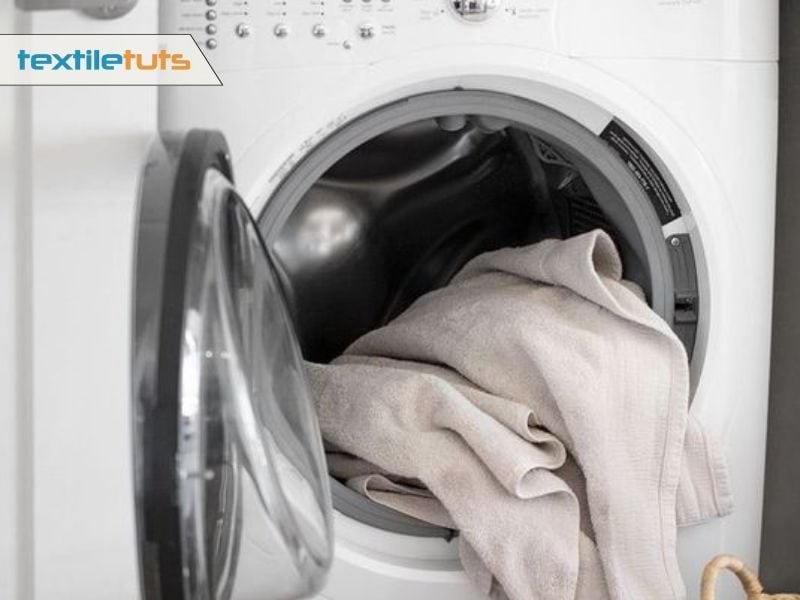
New light gray items that have not been washed before release excess dye during their first 3-5 wash cycles. This dye can transfer to white items and cause permanent discoloration. Wash new light gray items separately or with similar colors until the dye bleeding decreases significantly.
Differing Fabric Types
When light gray and white items are made from different fabric types with varying care requirements, washing them separately is essential. Cotton, polyester, and blended fabrics react differently to water temperature, detergents, and washing cycles. These differences can lead to damage or uneven color retention.
Heavily Soiled Items
Washing heavily soiled light gray items with white clothing causes the white clothes to pick up dirt and stains. Soil contains particles that can embed in fabric fibers and cause graying over time. Wash heavily soiled items separately to protect white garments.
Vivid or Dark-Toned Gray Items
Color bleeding is more likely to occur when light grey goods contain deeper or more vibrant undertones. Items with a wash fastness rating below 3 pose a higher risk of dye transfer. In these cases, washing them separately from white garments is the safest approach.
Mismatched Care Instructions
Always check the care labels on both light gray and white items. If the care instructions differ significantly, such as one requiring cold water and another requiring warm water, wash them separately to ensure each item receives proper care without damage.
High-Value or Delicate Items
Wash expensive, fragile, or color-absorbent white items separately from any potential color bleeders. The cost of restoring a damaged white garment far exceeds the time saved by combined washing. This applies especially to silk, wool, and specialized technical fabrics.
Prior Color Bleeding Issues
If you have experienced color bleeding problems with light grey goods in the past, wash them separately from white items to avoid repeating the same mistake. Reactive dyes with strong covalent bonds (wash fastness 4-5) are less prone to bleeding than direct dyes using Van der Waals forces (wash fastness 1-2).
Optimal Method for Washing Gray and White Clothing Together
You can effectively clean gray and white clothing together without color bleeding or damage by following these specific techniques. This step-by-step guide ensures the best results.
Step 1: Sort Clothes by Color
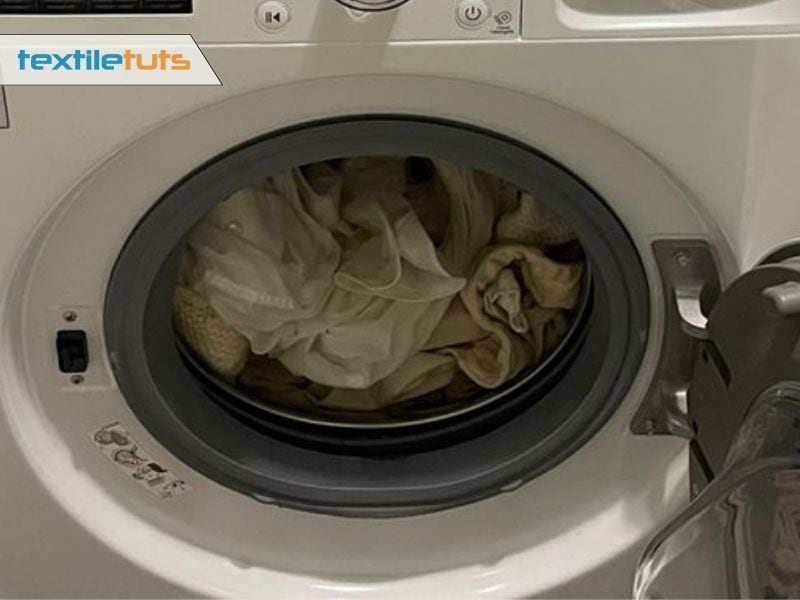
The first step is to meticulously sort your laundry by color. Keep light grey and white items together in one batch, but exclude darker shades that might transfer color. This preliminary sorting minimizes the risk of color bleeding and ensures that white garments stay pristine.
Step 2: Select the Right Detergent
Select a mild, color-safe detergent that preserves both light grey and white colors. Avoid harsh chemicals or bleach, which can alter shades and compromise fabric integrity. Use 2 tablespoons of detergent for a standard load and avoid overusing detergent, as residue can cause fabrics to appear dull.
Step 3: Pre-Treat Stains
Treat stains promptly before washing. Apply a small amount of color-safe stain remover directly to the affected area and allow it to work for 5-10 minutes. Pre-treating increases the chances of effective stain removal during the wash cycle.
Step 4: Set the Correct Water Temperature
Set your washing machine to cold water below 30°C (86°F). Cold water minimizes color bleeding and helps maintain garment colors. The European standard for color care recommends washing colored synthetics at 30°C and colored cotton at 40°C to balance cleaning effectiveness with color preservation.
Step 5: Use a Gentle Cycle
Select the delicate or gentle cycle, which operates at approximately 30-40 RPM compared to a normal cycle at 60-100 RPM. This reduced agitation extends garment lifespan and minimizes color transfer risk by decreasing friction between fabrics.
Step 6: Air Dry Clothing
Air drying is the preferred method for maintaining colors and fabric quality. Hang light grey and white garments in a well-ventilated area or lay them flat to dry. Air drying at room temperature (20-25°C) prevents heat damage and color fading that occurs in machine drying at temperatures above 60°C (140°F).
How to Sort Clothes for Optimal Laundry Results
Sorting clothes before laundering is a crucial step that significantly impacts wash effectiveness and preserves garment quality. Follow these specific guidelines for optimal results.
Separate by Color
- Group dark colors together: Black, navy, dark gray, deep red, and similar shades.
- Group light colors together: Pastels, light gray, white, pale yellow, and cream.
- Wash white clothing separately or with other whites to prevent color transfer.
Sort by Fabric Type
- Group similar fabrics together: Cotton, synthetics, delicates (silk, lace), and denim.
- Washing different fabrics together leads to uneven wear and potential damage.
Consider Soil Level
- Separate heavily soiled items from lightly soiled ones.
- Washing heavily soiled items separately prevents dirt from transferring to other clothes.
Check Care Labels
- Read the care labels on each garment for specific washing instructions.
- Follow temperature, cycle, and drying recommendations to prevent damage.
Sort by Water Temperature
- Separate items requiring cold water wash from those needing warm or hot water.
- This ensures each garment receives the appropriate water temperature for effective cleaning.
Delicate vs. Sturdy Items
- Separate delicate items (lingerie, silk, lace) from sturdier ones (jeans, towels).
- Delicate items require gentler treatment to avoid damage and maintain their shape.
Turn Garments Inside Out
- Turn garments with zippers, hooks, or metal hardware inside out to prevent snagging.
Consider Size
- Washing similarly sized items together ensures an even wash without overloading specific areas.
Sort Gym Clothes and Towels
Group gym clothes and towels together, as they may contain sweat or strong odors that should not transfer to other clothing. Wash these items at 60°C (140°F) to kill bacteria and remove odors effectively.
Hand Wash Delicates Separately
Items labeled for hand washing should be treated gently in a basin with cold water and a small amount of mild detergent. Gently agitate the water by hand for 2-3 minutes, then rinse thoroughly without wringing.
Using Fabric Repair Tape to Join Light Gray and White Fabrics
Fabric repair tape for upholstery seamlessly mends tears and rips in fabric. This specialized tape bonds different fabrics together in a discreet and durable manner, making it an ideal solution for joining light gray and white fabrics when repairs are needed. The tape adheres effectively at room temperature and creates a flexible, wash-resistant bond.
Final Words
Washing white fabric with light gray presents challenges, but it is feasible with the appropriate method. Before washing, always separate your clothes by color and check each item’s care label to ensure the correct washing procedure.
Use a color-safe bleach or a laundry detergent specifically formulated for whites to help prevent color transfer. Cold water below 30°C (86°F) reduces color bleeding risk by up to 80% compared to warm water. Adding a color catcher sheet provides additional protection during the first several wash cycles of new garments.
With careful attention and proper washing techniques, you can successfully launder your light grey and white clothing together without any issues.
References
- Wikipedia. (2024). Laundry. Wikimedia Foundation.
- Wikipedia. (2024). Colorfastness. Wikimedia Foundation.
- AATCC. (2024). American Association of Textile Chemists and Colorists. Technical Standards for Textile Testing.
- ISO. (2024). International Organization for Standardization. Textile Industry Standards.


