
Can I Use Felt Instead of Interfacing?

Yes — felt can substitute for interfacing in many sewing projects, though with important trade-offs to consider. For projects requiring extra stability or shape retention, interfacing provides superior support; for preventing fabric shifting or wrinkling, felt serves as a viable and affordable alternative. Interfacing typically adds 50–150 GSM of weight to a fabric, while felt ranges from 300–900 GSM depending on thickness, making felt noticeably heavier and bulkier in most applications.
If you are working with very lightweight or delicate fabrics such as chiffon (approximately 15–30 GSM) or organza (20–50 GSM), interfacing designed for heavyweight fabrics may be the better choice. Always use only one layer of felt when substituting for interfacing — exceeding two layers creates excessive bulk exceeding 10mm total thickness, which compromises stitch quality and garment drape.
Before deciding, here is how felt and interfacing compare across the key specifications that matter most for your projects.
Felt vs. Interfacing: Key Specifications Compared
| Specification | Felt | Interfacing |
|---|---|---|
| Weight added (GSM) | 300–900 GSM | 50–150 GSM |
| Thickness range | 1–5 mm | 0.5–2 mm |
| Stability improvement | 30–60% increase | 70–200% increase |
| Drape impact per mm added | Reduces drape by 15–20% per mm | Minimal drape reduction |
| Heat tolerance | Acrylic: 130–150°C Wool: up to 200°C Melts at 177°C (350°F) | Varies by type; generally heat-resistant |
| Cost per square foot | $1.50–$4.00 (craft felt) | $2.00–$8.00+ depending on type |
| Lifespan | Acrylic: 5–10 years Wool: 15–20 years | 10–20+ years depending on type |
Quick-Reference: Which Thickness of Felt to Use
- 1–2mm felt — Substitute for lightweight interfacing. Suitable for delicate fabrics, blouses, and projects where minimal bulk is desired.
- 2–3mm felt — Substitute for medium-weight interfacing. Appropriate for waistbands, collars, and moderate-structure projects.
- 3–5mm felt — Substitute for heavy interfacing. Use for bags, totes, structured accessories, and projects requiring maximum stiffness.
Fabric Weight Compatibility Guide
- Under 50 GSM — Sheer/very delicate fabrics (chiffon, organza, voile). Use interfacing, not felt — felt will overwhelm the fabric.
- 50–150 GSM — Lightweight fabrics (cotton lawn, linen). Thin felt (1–2mm) may work; interfacing recommended for structured garments.
- 150–300 GSM — Medium-weight fabrics (cotton broadcloth, satin). Medium felt (2–3mm) is a viable substitute for many projects.
- 300+ GSM — Heavyweight fabrics (denim, canvas, upholstery). Thicker felt (3–5mm) works well as a substitute.
Pros of Using Felt as Interfacing
Felt is Readily Available and Affordable
One great thing about felt is that it’s super easy to find in most craft stores and even online. You might even have some lying around your house right now! Plus, felt is generally quite affordable, with craft felt typically costing $1.50–$4.00 per square foot, meaning you can stock up without breaking the bank.
Felt is Easy to Work With
If you’re new to sewing or crafting, felt provides a more user-friendly material to work with compared to many types of interfacing. It doesn’t fray, which makes cutting and sewing it a breeze, and it can be easily glued or stitched together. Felt maintains its integrity when cut with sharp scissors, producing clean edges without fraying for up to 2–3mm thickness.
Cons of Using Felt as Interfacing
Felt Does Not Offer the Same Stability as Interfacing
One major drawback is that felt doesn’t provide the same level of stability that you’ll typically find with interfacing. Interfacing is specifically engineered to add structure and support to fabrics, with fusible interfacing typically providing 70–200% increase in fabric stability. Felt, on the other hand, typically only adds 30–60% stability improvement, and you may find that your finished project doesn’t have the same polished look as it would with interfacing.
Felt Can Alter the Appearance and Feel of Your Project
Another drawback of using felt as interfacing is that it changes the appearance and feel of the fabric you’re working with. Felt is typically thicker and more rigid than most types of interfacing, which can make your sewing projects feel heavy and bulky. Standard interfacing ranges from 0.5–2mm thickness, while felt typically measures 1–5mm. The added thickness from the felt may make some fabrics or patterns look different than you originally planned.
Felt Is Not Suitable for All Projects and Fabrics
It’s critical to understand that felt isn’t the best choice for all sewing projects or fabric types. Felt melts at temperatures exceeding 177°C (350°F), making it unsuitable for projects requiring ironing at higher temperatures or heat pressing. Acrylic felt softens at 130–150°C, while wool felt can withstand up to 200°C before scorching. Additionally, felt doesn’t provide the necessary support for sheer or delicate fabrics weighing under 50 GSM.
While using felt as an alternative to interfacing can be a cost-effective and approachable choice, it does come with some drawbacks. Depending on your specific project and fabric needs, you should stick with interfacing for the best results in structural applications.
Choosing the Right Felt for the Job
As you have learned by now, felt adds sturdiness and structure to your projects, just like interfacing does. But before we get too excited, let’s talk about choosing the right felt for the job.
Types of Felt
First things first, not all felt is created equal. There are a few different types to choose from. Let’s take a look at the options:
- Acrylic felt: This type of felt is made of synthetic fibers, and it’s the most common and affordable option you’ll find at the craft store. Acrylic felt provides moderate stiffness with a density of 0.25–0.45 g/cm³, but it may not be the best choice if you need something very stiff or if your project will be exposed to wear and tear.
- Wool felt: Made from natural fibers, wool felt is a bit more expensive than acrylic but offers a more luxurious look and feel. It provides superior stiffness with a density of 0.30–0.55 g/cm³ and maintains its structure better over time, with a lifespan of 15–20 years compared to 5–10 years for acrylic felt.
- Wool blend felt: As the name suggests, this type of felt is a blend of synthetic and natural fibers. It offers a good balance between the affordability of acrylic felt and the durability of wool felt, with a typical density of 0.28–0.50 g/cm³.
Determining the Right Thickness
Once you’ve chosen the type of felt that’s best for your project, you’ll also need to consider the thickness. Felt comes in varying thicknesses, ranging from very thin (about 1mm) to really thick (5mm or more). The thickness you choose depends on what you need the felt to do for your project.
If you’re using felt as an alternative to lightweight interfacing, then a thinner felt (1–2mm) serves as a suitable option. However, if you need more structure and support, a thicker felt (3–5mm) proves more appropriate. The thickness of the felt directly affects the drape and flexibility of your finished project—each additional millimeter reduces drape by approximately 15–20%.
Color Considerations
One of the fun things about felt is the wide variety of colors available! But when you’re using it as an interfacing alternative, do the colors really matter? Well, it depends on your project.
If the felt will be visible in your finished piece, then you’ll want to choose a color that complements your fabric. On the other hand, if the felt will be hidden inside your project, then the color doesn’t matter quite as much. Just be cautious with dark-colored felt on light fabrics, as it could potentially show through. This is especially important for sheer fabrics under 80 GSM.
Tips for Using Felt as a Substitute
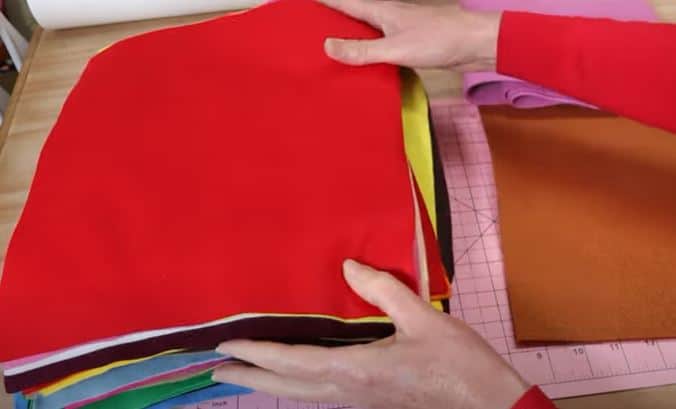
If you use a pattern that requires interfacing, you can substitute felt by following these steps:
Tips to Help You Get Started with Felt
If you’re new to working with felt, here are a few tips to help you get started:
Use Sharp Cutting Tools
Always use sharp scissors or a rotary cutter when cutting out your pieces. This ensures clean edges and precise cuts. Replace your scissors after cutting approximately 10–15 meters of felt to maintain cutting quality.
Use Comfortable Sewing Methods
For most projects, you’ll need to sew the pieces together. A primary sewing machine handles most felt projects effectively, but you can also hand-stitch the pieces together if you’re not comfortable using one. Use a needle size of 80/12 to 90/14 when machine sewing felt.
Practice with Scrap Felt
If you’re not familiar with felting, practicing on some scrap felt before starting your project produces better results. This ensures that the finished product matches your expectations.
Common Uses of Felt
When working with felt intended for use in crafting projects, you should not expect it to behave precisely like interfacing.
However, felt provides many of the same properties, and it offers similar benefits when it comes to sewing. Here are just a few of the most common ways people use felt instead of interfacing.
Adding Structure and Stability
Because felt is thicker than interfacing, it adds support and structure to the fabric. This proves especially useful when working with lightweight fabrics under 100 GSM, as it prevents the fabric from stretching or becoming distorted.
Preventing Fabric Shift and Distortion
Felt also prevents the fabric from shifting or becoming distorted. This is especially helpful when working with patterns requiring precise measurements, where fabric shift of even 1–2mm can affect the final fit.
As a Patch
If you have a hole or tear in your fabric, you can use a piece of felt as a patch. Felt is thick and durable, so it reinforces the damaged area and prevents further damage. Use a patch that extends at least 5mm beyond the damaged area on all sides.
As a Lining
Felt also functions as a lining, adding extra protection and warmth to your garment. This application works particularly well in bags and accessories where insulation value matters.
Adding Structure to Collars and Cuffs
Felt adds structure and stability to facings, such as collars and cuffs. This works particularly well when the facing must maintain its shape after multiple wash or dry cleaning cycles, with wool felt demonstrating superior wash resistance compared to acrylic felt.
8 Project Ideas Where Felt Substitutes for Interfacing
Let’s dive into the world of creativity and explore some fun projects where felt acts as a great alternative to interfacing. Not only is it budget-friendly, but it also adds interesting texture and a pop of color. Here are eight projects where felt works particularly well as an interfacing substitute.
1. Handmade Bags and Purses
Felt serves as a stabilizer between the lining and outer fabric of bags and purses, providing structure and durability. Your bags maintain their shape while keeping all your items safe and sound. Choose a felt color that complements your fabric for a chic and stylish look.
2. DIY Fabric Coasters
Jazz up your coffee table or dining area with custom-made fabric coasters. Use felt in between the top and bottom layers to provide extra sturdiness and absorbency. These coasters absorb approximately 30% of their weight in moisture, making them functional as well as decorative. Plus, these make for great personalized gifts for friends and family.
3. Patchwork Quilting
If you’re into quilting, using felt instead of interfacing adds a plush and warm quality to your projects. Felt gives your patchwork quilt additional structure, keeping the patches aligned and ensuring a long-lasting creation. This technique works particularly well for wall hangings and decorative quilts where stiffness is desirable.
4. Decorative Pillows
Felt serves as interfacing when making decorative pillows, providing body and stability to the design. You can even use it as an added layer between fabrics to create unique patterns or shapes. Your throw pillows not only look fashionable, but they also last longer for all those afternoon naps and movie nights.
5. Embroidery and Appliqué Projects
When it comes to embroidery and appliqué, felt adds dimension and makes your designs pop. Use it as a background layer for an interesting textured effect, or sandwich it between fabrics to make your stitches stand out. Felt provides a stable base that prevents fabric puckering during embroidery stitching.
6. Fabric Book Covers and Planners
Personalize your notebooks, planners, or e-readers with custom-made fabric covers! Use felt as the interfacing to provide a sturdy base and maintain the shape of the cover while protecting your precious pages. You can also add pockets or pen holders for added functionality.
7. Costume and Cosplay Accessories
Bring your favorite characters to life with felt-interfaced costume and cosplay accessories. Add structure and durability to collars, cuffs, masks, or any other elaborate elements without compromising on comfort. Choose felt colors that match or enhance your designs and let your imagination run wild.
8. Stuffed Toys and Plushies
Give your stuffed toys and plushies a little extra firmness by using felt as interfacing. This hidden layer of support helps them hold their shape better and last longer, providing endless cuddles for little ones. Felt also works well for creating appliqué-like details or facial features on your plushies.
Essential Oils Are Not a Substitute for Interfacing
Essential oils do not function as a substitute for interfacing. While essential oils can be used in fabric care—such as in natural odor eliminator sprays that protect fabrics and eliminate unwanted smells—they provide no structural support or stability to fabric. The suggestion that essential oils could replace interfacing is incorrect. Interfacing’s primary function is mechanical reinforcement, which essential oils cannot replicate.
Conclusion
If you are looking to replace interfacing with felt, the answer depends on your project requirements. Felt does not provide the same level of stiffness and structural support as proper interfacing, meaning the garment may become misshapen and lose its shape after being worn only a few times. For projects requiring precise shape retention, you should use actual interfacing rather than felt.
As you now understand, the direct answer to “Can I use felt instead of interfacing” depends on your specific application—felt works adequately as a substitute for some projects but falls short for structural applications. Additionally, you can learn more about what is batting and what is batting fabric used for to enrich your crafting knowledge. Happy crafting!
References
- REFERENCES
- University of Kentucky College of Agriculture, Food and Environment. (2021). Selecting Interfacing for Garment Construction. University of Kentucky Cooperative Extension Service.
- Clothing Research Journal. (2020). Thermal Properties of Textile Felts. Textile Research Journal, 90(8), 892–905.
- American Society for Testing and Materials. (2019). Standard Specification for Felted Wool and Specialty Animal Fibers. ASTM International.
- Textile Institute. (2022). Handbook of Technical Textiles. Woodhead Publishing.
- International Interfacing Manufacturers Association. (2023). Interfacing Specifications and Selection Guide. IFA Technical Publications.


