
Types of Collars: A Comprehensive Guide

What Is a Collar?
A collar is the structural fabric component that surrounds the neckline of a shirt or blouse. It serves both functional and aesthetic purposes: framing the face, supporting neckwear such as ties, and defining the overall style character of a garment.
The term traces to approximately 1300 CE, originally referring to neck-protecting armor before evolving into the garment component known today. Modern shirt collars descend from rectangular linen bands worn in the 16th century, which were the precursor to detachable collars that emerged around 1840.
Anatomy of Collar
A textile collar comprises several distinct structural components, each serving a specific function in the overall garment construction. Understanding these parts is essential for proper fit, comfort, and style coordination.
Collar Points
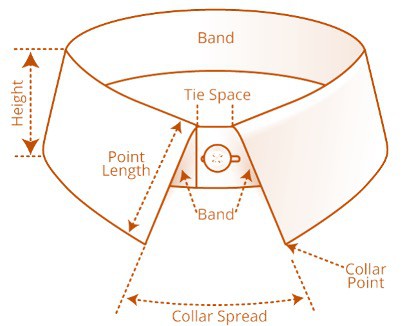
The two triangular extensions that project outward from the neckline on either side of the collar. Standard dress shirt collar points measure between 2.5 and 3.25 inches in length, with the gap between them typically ranging from 2 to 4 inches depending on the collar style.
Collar Band
The vertical fabric strip that encircles the neck, sitting directly against the skin. The collar band is the portion that fastens with buttons and determines how closely the collar sits to the neck. Standard collar band height measures approximately 1 to 1.5 inches.
Collar Point Length
The linear measurement from the center of the collar stand where the point originates, extending outward to the tip of the point. Industry standard collar point length for dress shirts ranges from 2.75 to 3.5 inches, with longer points typically found in more formal spread collar styles.
Collar Height
The overall vertical dimension of the collar when standing upright, measured from the base of the neck to the top edge of the collar. Standard collar heights range from 1.25 inches for slim profiles to 1.75 inches for relaxed or oversized styles.
Tie Space
The open area between the two collar points where a necktie is visible. The width of this space determines how much of the tie knot and upper chest is exposed. A wider tie space creates a more formal appearance, while a narrow tie space offers a more polished, traditional look.
Spread
The horizontal distance between the outer edges of the two collar points, measured at the base of the neck. Spread directly influences how much of the shirt’s chest area is visible and determines which tie knots are most appropriate. Point collars have a spread of approximately 2 inches, while spread collars typically measure 3 to 5 inches.
How a Collar Is Made — Construction and Assembly
A cloth collar is manufactured from woven cotton or linen fabric, selected for its breathability and ability to hold shape through starching or interfacing. The construction process involves cutting the collar pieces on a bias grain to allow the fabric to curve naturally around the neck, then folding and stitching the layers together with precision. Interfacing—either fusible or sew-in—is applied between the outer fabric and inner lining to provide stiffness and shape retention. The edges receive bias binding or satin tape finishing to prevent fraying and ensure long-term durability. Collar stiffeners, historically made from baleen but now typically plastic or metal, may be inserted into special channels to maintain collar point shape.
Men’s Collar Types
Men’s shirt collars vary significantly in spread, point length, and stiffness. The choice of collar type affects formality, face shape proportion, and compatibility with different neckwear and suit styles.
Collar Selection by Face Shape — Quick Reference
Different collar types create distinct visual effects on face proportions. Use this guide to select a collar that flatters your face shape.
| Face Shape | Recommended Collar Types | Avoid |
|---|---|---|
| Round | Spread collar, Cutaway collar, V-shaped point collar | Club collar, rounded point collars |
| Square | Point collar, Button-down collar, Club collar | Wide spread collars that exaggerate angles |
| Oblong | Spread collar, Club collar (rounded points add width) | Tall mandarin collar (elongates further) |
| Oval | All collar types suit this versatile shape | None — most styles work well |
| Diamond | Point collar, Button-down collar (narrow points balance width) | Extremely wide spread collars |
| Heart | Spread collar, Club collar (balance narrower chin) | Very narrow point collars |
The Point Collar
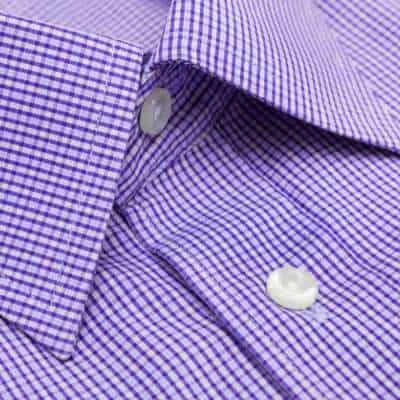
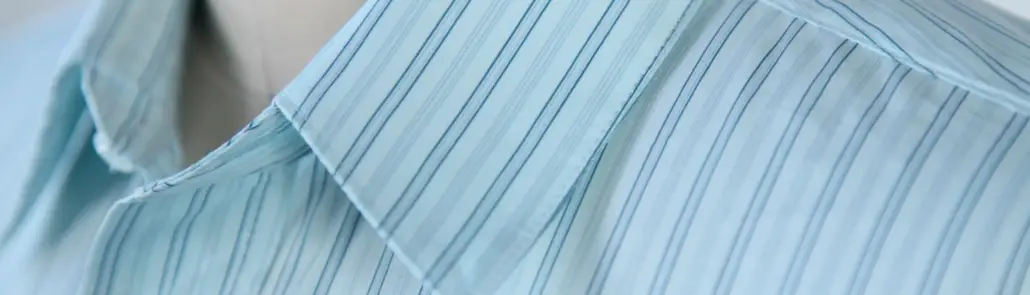
The point collar is the most common men’s dress shirt collar style. The two points sit close to the neck with a spread of approximately 2 inches, creating a narrow V-shaped opening. This style flatters most face shapes and pairs well with all tie knots, making it the standard choice for business dress codes.
The Button-Down Collar
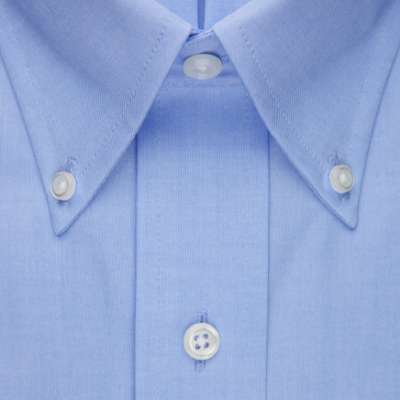
The button-down collar features small buttons that fasten each collar point to the shirt placket, preventing the points from lifting or spreading outward. Originally developed for polo players in 19th-century England to keep collar points flat during sport, this style is now widely accepted in business casual environments and pairs best with smaller tie knots.
The Spread Collar
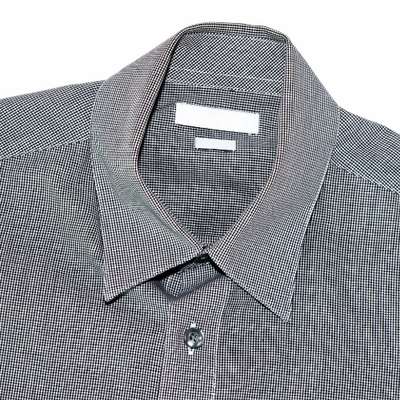
The spread collar has points that angle outward, creating a spread of approximately 3 inches or more between the outer edges. This style accommodates larger tie knots such as the Windsor and creates a broad, open neckline that flatters longer face shapes. It is the preferred choice for formal business attire and evening wear.
The Club Collar
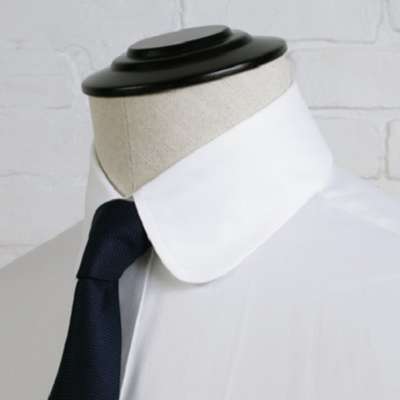
The club collar is characterized by points that curve or round at the tips rather than forming sharp triangles, combined with a moderate spread. This distinctive style originated in late 19th-century England and saw widespread popularity in 1980s American preparatory school uniforms. It pairs well with block stripe ties and creates a refined, traditional aesthetic.
The Cutaway Collar
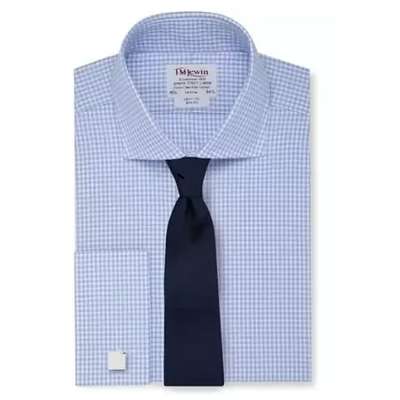
The cutaway collar is the most formal and dramatic of men’s collar styles, with points that cut away at an extreme angle, creating a spread of 5 inches or more. The straight edges slope downward around the neck in a triangular formation. This collar is designed exclusively for wear with a tie and suits round or square face shapes by creating an elongating visual effect.
The Tab Collar
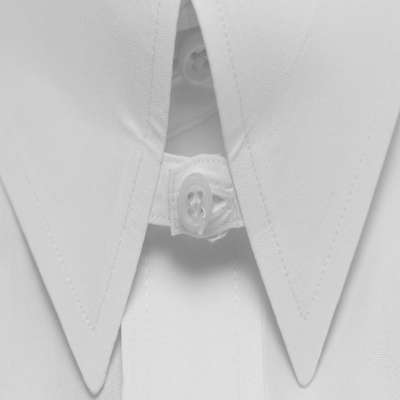
The tab collar features two small fabric loops or tabs that connect the underside of the collar points above the tie knot, elevating and compressing the knot for a pronounced, architectural look. This style was particularly popular in 1990s menswear and remains a signature choice for formal occasions when a refined, structured collar presentation is desired.
The Mandarin Collar
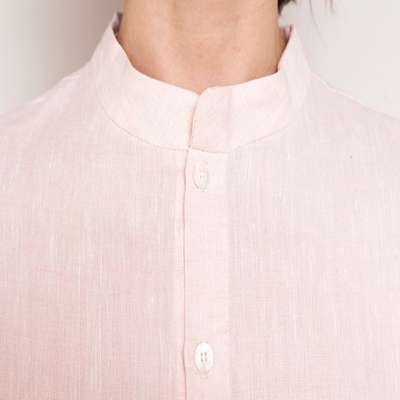
The mandarin collar is a short, standing band collar approximately 1 to 1.5 inches in height that encircles the neck without any folding or overlapping points. Originating from traditional Chinese garments such as the changshan and Tang dynasty robes, this collar style has been adopted into modern Western menswear for its clean, minimalist silhouette. It is unsuitable for neckwear and is commonly found on resort shirts, modern formalwear, and Asian-influenced fashion.
The Nehru Collar
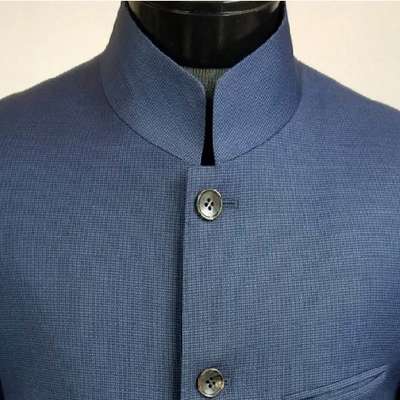
The Nehru collar is a high-standing collar with wide points that spread outward from the neck, named after Jawaharlal Nehru, the first Prime Minister of India, who popularized the style in the mid-20th century. It is a distinguishing feature of the Nehru jacket and achkan garments, typically standing 1.5 to 2.5 inches high. This collar style creates a strong, angular jawline and is considered highly formal, commonly worn for diplomatic events, weddings, and cultural ceremonies.
The Band Collar
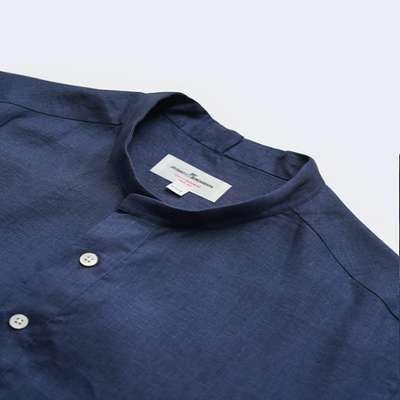
The band collar consists of a single circular strip of fabric that wraps directly around the neckline without any points, stands, or folds. This minimalist style is common on casual shirts, polos, and T-shirts, where it provides a clean neckline without bulk. Band collars are never worn with neckties and are particularly suited to summer garments made from lightweight cotton or linen.
The Shawl Collar
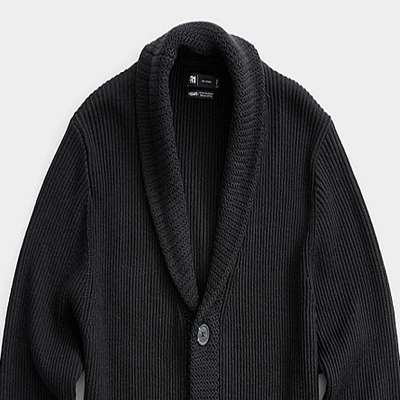
The shawl collar is a continuous rounded collar that extends from the neck opening and drapes over the shoulders, commonly found on sweaters, cardigans, smoking jackets, and dinner jackets. Unlike other collar types that use a separate collar piece, the shawl collar is formed directly from the garment’s body fabric, creating a unified, elegant line. It is exclusively a cold-weather and formalwear element.
The Turtleneck
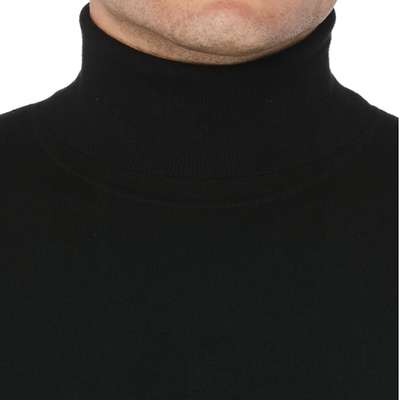
The turtleneck is a high, close-fitting collar constructed from ribbed knit fabric that extends upward to cover the entire neck, typically reaching 3 to 6 inches in height. Originally worn by medieval European monks and later sailors, the turtleneck became a fashion staple in the early 20th century. It provides superior warmth retention by trapping air between the skin and fabric, making it ideal for cold-weather layering. Standard turtleneck heights range from 3 inches for a pop-over style to 6 inches for a full-coverage design.
Women’s Collar Types
Women’s collar and neckline styles encompass a broader range of design expressions, from functional high-neck closures to decorative neckline formations that emphasize the upper body and face.
| Collar Type | Coverage | Neckline Shape | Formality | Best For |
|---|---|---|---|---|
| High-Necked Collar | Full neck coverage | Enclosed circle | Casual–Smart | Cold weather, layered looks |
| Boat Neck | Shoulders + collarbone | Wide horizontal | Casual–Elegant | Day-to-evening wear |
| Peter Pan | Neck + upper chest | Rounded points meet at center | Casual–Dressy | Youthful, romantic styles |
| Sweetheart | Bust + neckline | Curved heart shape | Formal | Evening wear, bridal |
| Jewel | Neck + collarbone | Simple circular | Versatile | Daily wear, displaying jewelry |
| Cowl Neck | Variable draped | Soft folds, gathered | Casual–Dressy | Fluid, movement-focused designs |
| Polo Collar | Neck + upper chest | Short standing + V | Casual–Smart | Summer, sporty elegance |
| Winged Collar | Neck | Horizontal wings | Black/White Tie | Formal evening, galas |
The High-Necked Collar
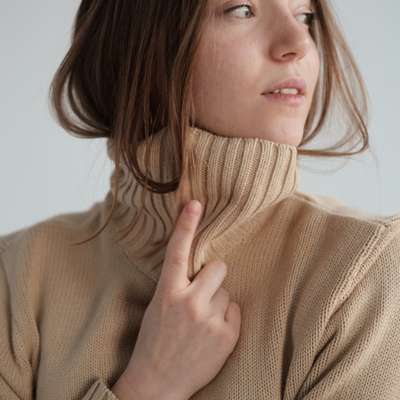
The high-necked collar, also known as a turtleneck or mock-neck, features a standing band approximately 3 to 6 inches in height that encircles the neck without exposing any skin. This style provides maximum warmth coverage and is commonly constructed from jersey, ribbed knit, or fleece fabrics. It pairs well with layered necklaces and scarves and is a dominant cold-weather neckline in both casual and refined dress.
The Boat Neck or Bateau Collar
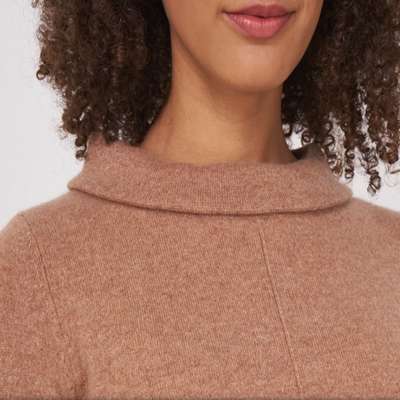
The boat neck—also called the Bateau collar—is a wide, horizontal neckline that extends from one shoulder to the other across the collarbone, exposing the neck while covering the shoulders. Italian designer Elsa Schiaparelli introduced this distinctive silhouette in 1955 as part of her influential couture collection, and it has remained a enduring fashion element for over seven decades. The boat neckline flatters most body types and is particularly elegant when paired with statement earrings or updos that expose the neck.
The Peter Pan Collar
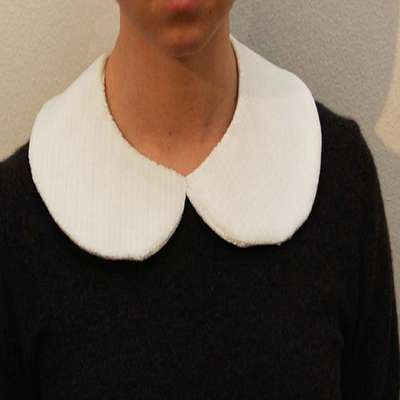
The Peter Pan collar is characterized by small, rounded points that meet or overlap just below the chin, creating a soft, youthful silhouette. Named for the collar style featured in J.M. Barrie’s 1904 play Peter Pan; or, The Boy Who Wouldn’t Grow Up, this collar type was a dominant feature of 1950s and 1960s children’s clothing and women’s blouses. Its gentle curves soften the face and add a touch of nostalgic charm to dresses, blouses, and sweaters.
The Sweetheart Neckline
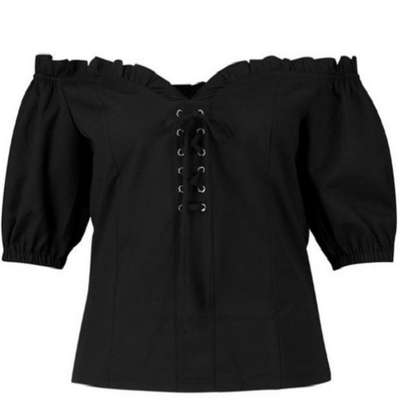
The sweetheart neckline curves inward toward the bust in a shape that mimics the upper curves of a heart, creating a romantic, feminine silhouette. This neckline is a staple of formal evening wear, bridal gowns, and vintage-inspired dresses, where it enhances the bust while elongating the neck. It pairs well with strapless, sweetheart-sleeve, or off-shoulder configurations and complements delicate fabrics such as silk, chiffon, and lace.
The Jewel Neckline
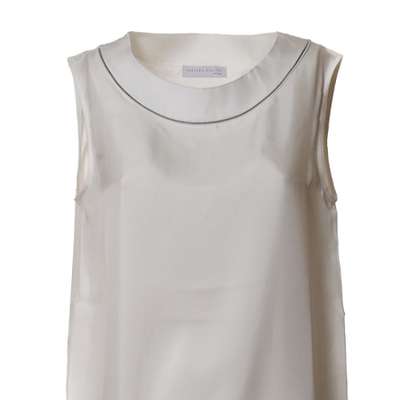
The jewel neckline is a classic, circular neckline that sits approximately 1 inch above the bust line, resting just below the collarbone. This understated neckline frames the neck and collarbone without excessive exposure and serves as an ideal foundation for displaying necklaces, pendants, and scarves. It is a versatile choice suitable for both casual daywear and formal evening attire, and its balanced proportions complement most face shapes and neck lengths.
The Cowl Neck
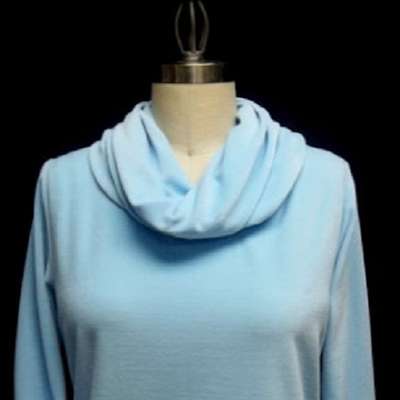
The cowl neck features draped, gathered fabric that hangs loosely at the chest and shoulders, creating soft folds and ripples rather than a structured edge. This versatile neckline can be worn at various heights and configurations, from a close-fitting roll at the neck to an open, dramatic drape that extends to the waist. The cowl neck adds fluid movement and visual interest to otherwise simple garments, making it a popular choice for dresses, blouses, and knitwear.
The Shawl Collar
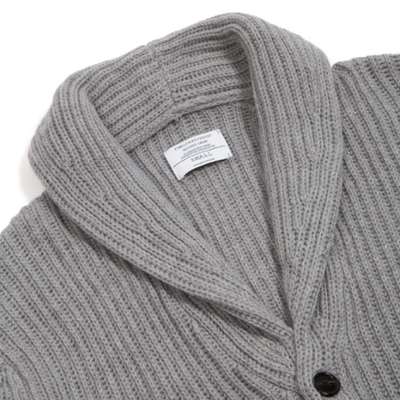
In women’s garments, the shawl collar takes the form of a draped fabric fold that extends from the neck opening across the shoulders and down the front of the garment, creating a continuous, wrapping silhouette. This collar type is predominantly found on cardigans, sweaters, coats, and evening wraps. The draped construction allows body heat to escape through the open sides while maintaining coverage across the chest and back, making it both functional for thermal regulation and aesthetically elegant.
The Stand Collar
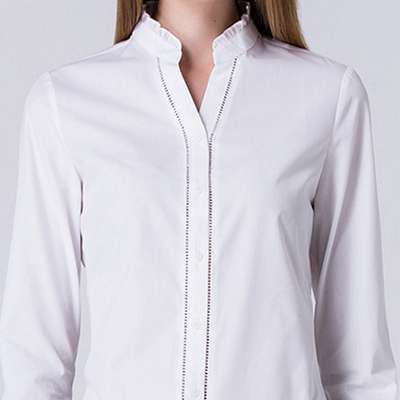
The stand collar is a round, flat collar that sits close to the neck without any points on the front panel, similar in appearance to the mandarin collar but typically featuring a slightly lower profile. This collar style is not commonly found in Western women’s fashion but is a defining element of traditional Asian garments such as the Chinese changshan and the Japanese haori. Its clean, unadorned silhouette conveys understated elegance and is often associated with martial arts uniforms and formal Eastern ceremonial dress.
The Polo Collar
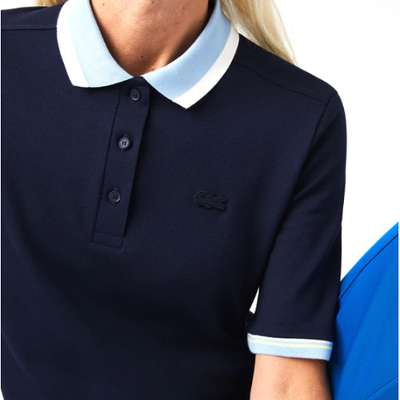
The polo collar is a short, turned-over standing collar approximately 1 inch in height, combined with a short placket that Fastens with 2 to 3 buttons at the neck. Originally developed for tennis players in the early 20th century and popularized by the Polo Ralph Lauren brand in the 1970s, this collar style bridges the gap between formal and casual dress. The polo collar pairs well with casual trousers, chinos, and summer dresses, and its breathable construction makes it ideal for warm-weather wardrobes.
The Banded Collar / Military Collar
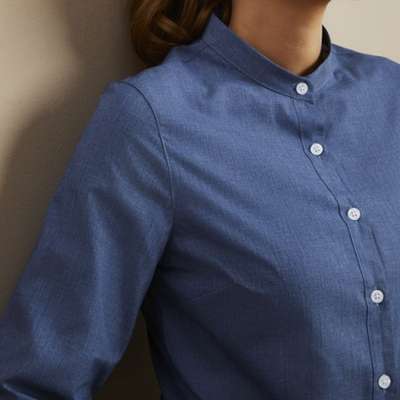
The banded collar, also called the military collar, features a stiff, upright band of reinforced fabric at the neckline that may include ornamental points, braiding, or rank insignia at the front. Originally adopted from military uniforms in the 18th and 19th centuries, this collar style conveys authority, structure, and formality. It remains a distinguishing feature of military dress uniforms, epaulette shirts, and structured blouses designed to project confidence and discipline.
The Spread or Cutaway Collar
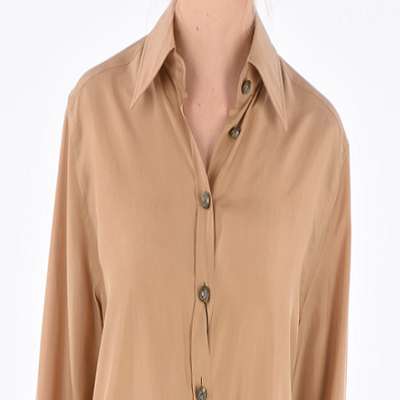
In women’s tailored shirts and blouses, the spread or cutaway collar features two parallel wings that extend downward to create pronounced bust lapels. These wings may be straight or curved and are frequently found on formalwear, suits, and professional blouses. When combined with a pin or brooch at the collar junction, this style creates a sophisticated focal point that draws attention to the face and neckline.
The Batwing Collar
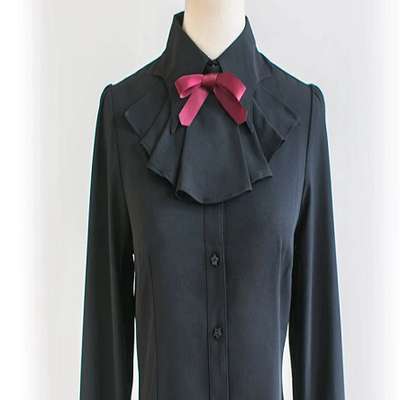
The batwing collar is a more casual collar style characterized by wide, stand-up points that extend outward in an angular, wing-like formation from the neck. This distinctive silhouette adds architectural interest to otherwise simple garments and is particularly effective on loose-fitting blouses and summer tops where the collar serves as a primary design element. The batwing shape frames the face while allowing freedom of movement across the shoulders.
The Winged Collar
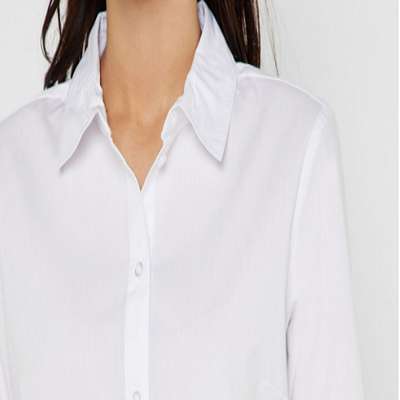
The winged collar is the most formal women’s collar type, featuring narrow points that extend horizontally outward from the neck in a shape resembling bird wings. This distinctive style originated in 19th-century European formal dress and is the standard collar for white-tie and black-tie attire, where it is worn exclusively with evening gowns and formal suits. The winged collar creates an elongated, aristocratic neckline and is typically worn with a high hairstyle such as an updo to fully display the collar’s elegant silhouette.
Collar Types at a Glance
The following comparison table summarizes the key characteristics of major collar types to aid in selection for different occasions and garment types.
| Collar Type | Point Length | Spread | Tie Required | Formality | Best For |
|---|---|---|---|---|---|
| Point Collar | 2.75–3.5 in | ~2 in | Yes | Business | Daily office wear |
| Button-Down Collar | 2.5–3.25 in | 2–3 in | Optional | Business Casual | Relaxed offices, weekends |
| Spread Collar | 3–3.5 in | 3–5 in | Yes | Formal Business | Client meetings, events |
| Club Collar | 2.75–3.25 in | 2.5–3.5 in | Yes | Traditional | Vintage style, formal |
| Cutaway Collar | 3.5–4 in | 5+ in | Yes | Black Tie | Evening wear, galas |
| Mandarin Collar | N/A (band) | N/A | No | Casual–Formal | Asian-inspired, resort wear |
| Band Collar | N/A (band) | N/A | No | Casual | T-shirts, polos, summer |
| Turtleneck | 3–6 in (height) | N/A | No | Casual–Smart | Cold weather layering |
| Winged Collar | 1.5–2 in | 4–6 in | Yes ( studs) | White/Black Tie | Galas, formal dinners |
| Boat Neck | N/A (neckline) | Shoulder width | No | Casual–Elegant | Day-to-evening wear |
Final Words
A well-chosen collar does more than frame the face—it establishes the formal register of an outfit, influences perceived body proportions, and signals attention to sartorial detail. The point collar remains the most versatile choice for men’s business dress, accommodating all tie knots and suit styles, while the turtleneck and mandarin collar offer dignified alternatives for neckwear-free settings. For women’s wardrobes, the jewel neckline provides timeless versatility, and the winged collar delivers unmatched formal elegance. Selecting the appropriate collar type for each occasion requires considering the garment’s overall formality, the neckwear strategy, and the desired proportion between face, neck, and shoulder.
This guide covers 12 men’s collar types and 14 women’s neckline styles, providing the specifications and historical context needed to distinguish between them and select the correct collar for any formal or casual occasion.
References
- Wikipedia. (2025). Collar (clothing). Wikimedia Foundation.
- Encyclopaedia Britannica. (2025). Elsa Schiaparelli — fashion designer. Encyclopaedia Britannica.
- CottonWorks. (2025). Cotton Shirt Construction Guide. Cotton Incorporated.
- Stanford, M. (1996). The Fashion Design Manual. Macmillan Education.
- American Association of Textile Chemists and Colorists (AATCC). (2025). Textile Testing Standards and Resources. AATCC.
- International Organization for Standardization (ISO). (2025). ISO Textile and Garment Standards. ISO.


