

Are Cotton Suits Good

Cotton suits deliver breathability, comfort, and affordability—qualities that make this material a practical choice for buyers seeking an alternative to traditional suiting fabrics. While wool and synthetic options dominate the suiting market, cotton suits offer distinct advantages that make them well-suited to warm-weather occasions, budget-conscious buyers, and anyone who prioritizes all-day comfort over formality.
This article examines why you should consider a cotton suit, covers essential care and styling tips, and provides guidance for wearing them across different settings.
Benefits of Wearing a Cotton Suit
Cotton suits serve equally well at the office and at social events. They weigh significantly less than wool or polyester suits, with typical spring loom cotton averaging 150–200 g/m², which makes them notably more comfortable in warm conditions. Cotton’s history spans over 6,000 years of textile use, proving its durability as a fabric choice. The benefits of wearing a cotton suit are examined in detail below.
Breathability and Comfort
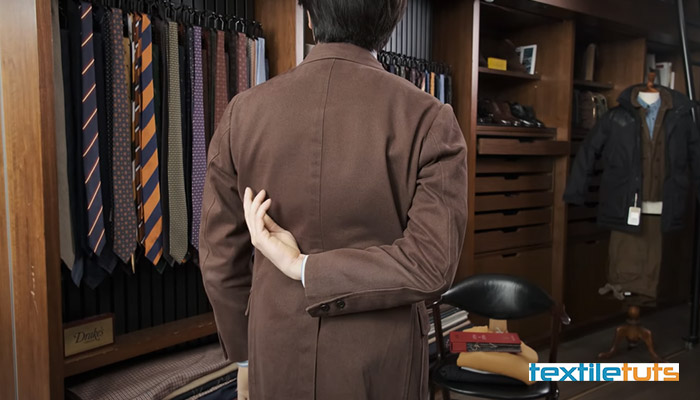
Cotton is a highly breathable material—a property that proves especially important during summer months when temperatures regularly exceed 27°C (80°F). Cotton suits typically weigh 150–200 g/m², making them significantly lighter than their wool (250–350 g/m²) or polyester counterparts. This lower weight translates directly to improved comfort in warm climates.
Cotton absorbs up to 2,700% of its weight in water, wicking moisture away from the skin effectively. This moisture-management property keeps the wearer cool and dry throughout long meetings or events. However, cotton’s flammability rating requires caution—cotton ignites at approximately 410°C (770°F), so wearers should avoid exposure to open flames or high-heat sources.
Style Versatility
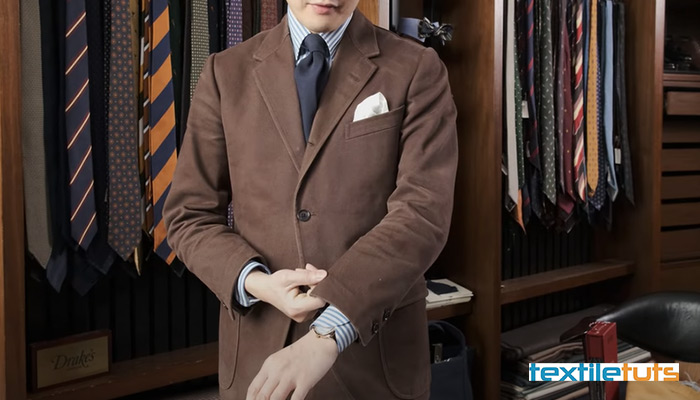
Cotton suits provide an elegant style without appearing too formal or stuffy. They suit weddings, business meetings, and other social gatherings where dress codes allow flexibility.
These suits come in numerous cuts, allowing buyers to select a style that flatters their body shape. The fabric also permits mixing and matching individual pieces—such as blazers, trousers, or waistcoats—to create fresh looks for different occasions.
Durability
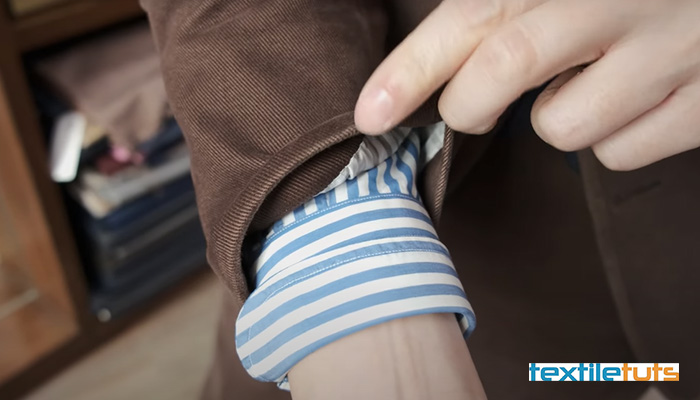
Humans have worn cotton garments for over 6,000 years—a testament to the fiber’s exceptional durability. Cotton fibers exhibit a tensile strength of 3–5 g/denier, and they retain their structure better than most synthetic materials without fading over time.
Cotton’s natural resistance to wrinkles, combined with proper maintenance through regular washing and steaming, extends suit lifespan to several years of regular use.
Cost-Effectiveness
Cotton suits cost significantly less than those made from man-made fabrics like polyester or nylon. This lower price stems from cotton’s natural abundance—global production reached approximately 118 million bales in 2023—and the fabric’s longevity when treated with proper care.
This combination of affordability and durability delivers excellent value without sacrificing quality or style.
Overall Comfort
One of the defining advantages of wearing a cotton suit is the comfort it provides throughout an entire day or evening event. The lightweight construction (150–200 g/m²), breathable nature, and durable fibers work together to create a comfortable wearing experience while maintaining a sophisticated appearance.
Quick-Reference: Cotton Suit Specifications
| Specification | Value | Notes |
|---|---|---|
| Fabric Weight | 150–200 g/m² | Lighter than wool (250–350 g/m²) |
| Optimal Temperature Range | Above 27°C (80°F) | Breathability peaks in warm conditions |
| Moisture Absorption | Up to 27% by weight | vs. wool’s 14–16% |
| Shrinkage Risk | 3–8% | Avoid water above 40°C (104°F) |
| Ignition Point | 410°C (770°F) | Keep away from open flames |
| Typical Price Range | $150–$400 | Lower than wool ($300–$1,500+) |
| Tensile Strength | 3–5 g/denier | Retains structure better than most synthetics |
Cotton Suit Best Uses
The benefits outlined above directly translate into specific use cases where cotton suits excel. The following settings prove particularly well-suited to cotton suiting.
Business Meetings

For important business meetings or corporate events, cotton suits deliver a professional yet comfortable look. The fabric’s light weight and breathability ensure comfort across a full workday, regardless of conference room temperature.
The neutral color palette available in cotton suits—navy, charcoal, and tan among them—conveys respectability in formal settings without appearing flashy. A classic navy suit paired with a crisp white dress shirt remains a reliable choice for business meetings.
Black Tie Events
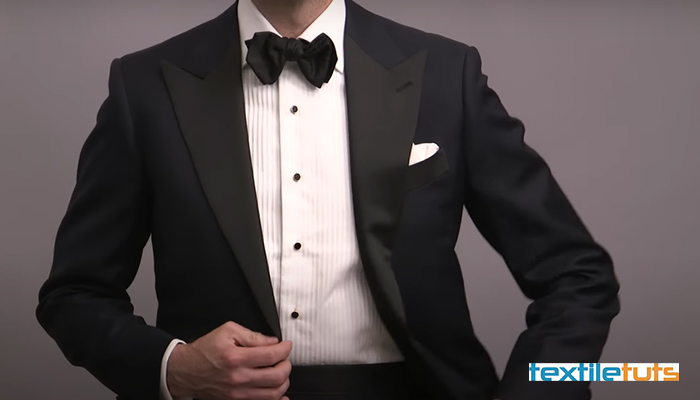
For special occasions requiring more than casual attire, cotton suits prove their versatility. The lightweight fabric performs exceptionally well at warm-weather evening events while maintaining an air of sophistication.
A tailored cotton suit—whether styled as a traditional black tuxedo or a refined gray pinstripe—exudes elegance throughout a long evening event.
Weddings
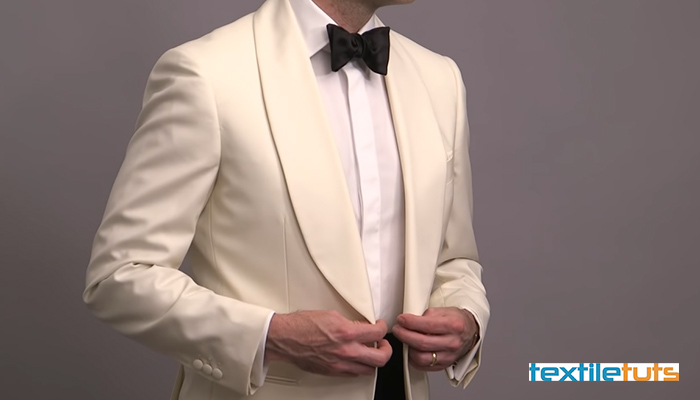
For members of the groom’s party or guests seeking a standout outfit, cotton suits offer an ideal solution. The range of available colors—from subtle pastels to bold shades like yellow or orange—ensures a suitable option for virtually any wedding palette.
The breathable construction means the suit maintains its appearance even during outdoor ceremonies in temperatures exceeding 26°C (79°F), looking as sharp at the end of the event as it did at the start.
Casual Outings
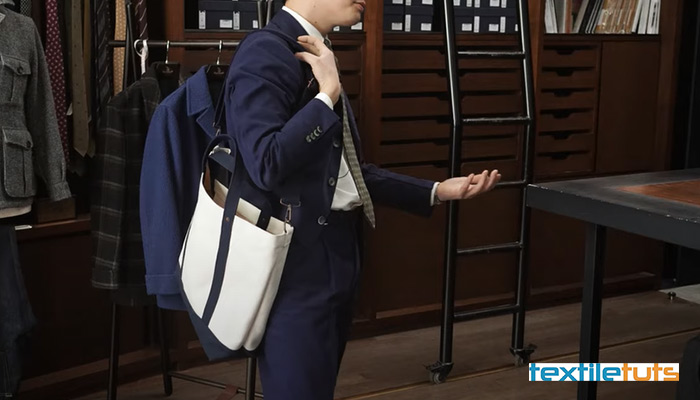
Cotton suits extend beyond formal occasions. For weekend outings or relaxed dinners, these lightweight garments provide appropriate smart-casual styling.
Instead of jeans or shorts—which may appear too casual in certain restaurants or venues—100% cotton chino-style trousers with a matching blazer deliver a polished look while keeping the wearer comfortable.
Cotton Suits vs Wool Suits: A Direct Comparison
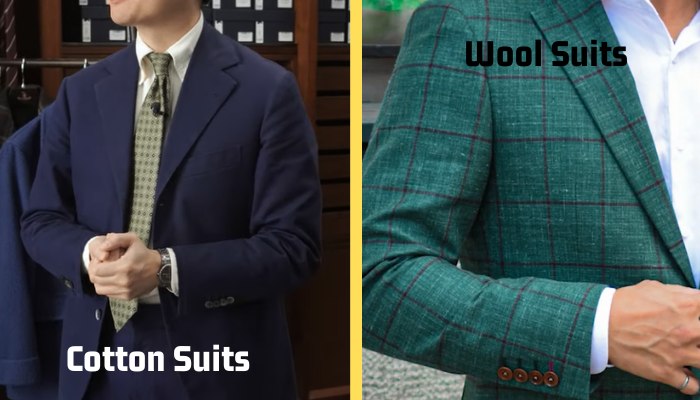
Understanding the differences between cotton and wool suits helps buyers make informed decisions. The following comparison outlines general characteristics—specific performance varies based on weave, finish, and construction quality.
| Feature | Cotton Suit | Wool Suit |
|---|---|---|
| Softness | Moderate (improves with wear) | Soft |
| Durability | Moderate–High | High |
| Wrinkle/Crease resistance | Low | High |
| Shape retention | Moderate | High |
| Breathability | High | Moderate |
| Weight | Light (150–200 g/m²) | Medium (250–350 g/m²) |
| Cost | Lower ($150–$400 typical range) | Higher ($300–$1,500+ typical range) |
| Moisture absorption | High (up to 27% by weight) | Moderate (14–16% by weight) |
Wool outperforms cotton in durability, wrinkle resistance, and shape retention. However, cotton’s superior breathability and significantly lower cost position it as the preferred choice for warm-weather suiting and budget-conscious buyers.
Cotton’s moisture absorption of up to 27% by weight (versus wool’s 14–16%) makes it exceptionally effective at managing perspiration in hot conditions. This absorbency also contributes to cotton’s superior comfort against the skin during extended wear.
Should You Choose a Cotton Suit? Pros and Cons
| Pros | Cons |
|---|---|
| Highly breathable — ideal for warm weather above 27°C (80°F) | Low wrinkle resistance — creases easily throughout the day |
| Lightweight (150–200 g/m²) — comfortable for all-day wear | Moderate durability — shorter lifespan than wool with regular use |
| Affordable ($150–$400) — accessible entry point for wardrobe building | Shrinkage risk (3–8%) — requires cold-water washing and air-drying |
| Excellent moisture absorption (up to 27%) — keeps wearer cool and dry | Limited insulation — not suitable for temperatures below 10°C (50°F) without layers |
| Versatile styling — works for business, weddings, and smart-casual occasions | Flammability — ignites at approximately 410°C (770°F), requires caution near heat sources |
| 6,000-year track record — proven durability and reliability | Moderate shape retention — requires more maintenance to keep form |
Cotton Suit Styles Available
The cotton suit remains a timeless classic and one of the most versatile garments a person can own. Understanding the available styles helps buyers select the best option for their needs and body type.
Single Breasted Suits
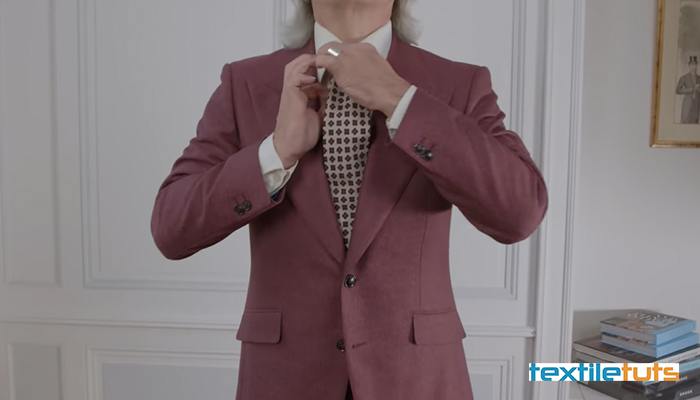
Single breasted suits represent the most common cotton suit style. These feature a single row of buttons at the front—typically two or three—with lapels that overlap on either side. This construction makes single breasted suits suitable for professional settings, including job interviews and business meetings.
Double Breasted Suits
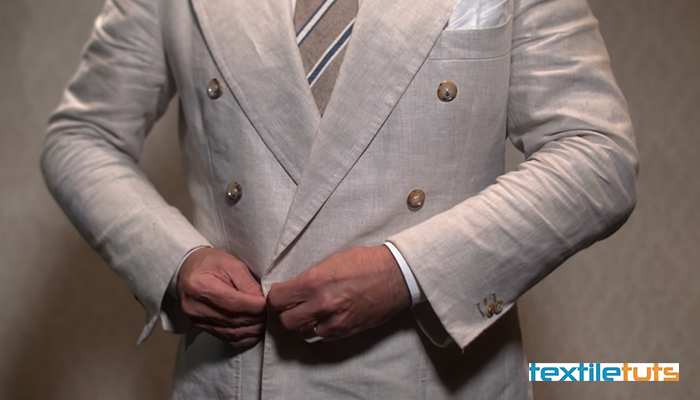
Double breasted suits feature two rows of overlapping buttons at the front—typically four to six buttons per row, with some styles extending to eight. Rather than having lapels that overlap, both sides meet in the middle, creating a neater silhouette than single breasted models.
Three Piece Suits

A three piece suit includes a waistcoat (vest) worn over the shirt and jacket. This style gained popularity during Prince Edward’s reign but dates back to the 1800s. The waistcoat adds an extra layer of sophistication, making three piece suits particularly appropriate for formal occasions such as weddings and ceremonies.
Blazers and Sports Coats

Blazers and sports coats offer a more relaxed alternative to full suits. These garments resemble regular jackets but do not include matching trousers, making them suited for smart-casual events where full suiting appears overdressed.
Both solid colors and patterned designs are available, providing flexibility for different personal styles and occasions.
Cotton Suit Care Guide
Proper care extends the life of cotton suits significantly. The following guidelines help maintain the appearance and structural integrity of these garments.
Avoid Hot Water and Machine Drying
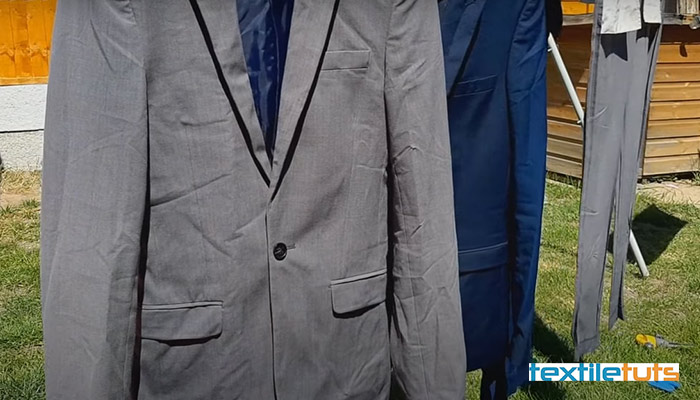
Never wash a cotton suit in hot water or tumble dry it. Temperatures above 40°C (104°F) damage cotton fibers, causing discoloration, shrinkage of 3–8%, and permanent creasing. Use cold water (below 30°C/86°F) and air-dry away from direct sunlight to preserve the suit’s appearance and fit.
Use Gentle Soap
When washing cotton suits, use a mild detergent formulated for delicate fabrics. Harsh detergents and bleach degrade cotton fibers over time, leading to premature wear and roughness.
Apply only the amount of detergent specified on the product label—excess detergent accumulates in fabric fibers and accelerates deterioration.
Minimize Water Exposure
Avoid soaking cotton suits in water for extended periods. Prolonged moisture exposure weakens fibers and can cause irreversible shrinkage of 3–8%, even with subsequent air-drying. When cleaning is necessary, use just enough water to lightly dampen the material.
Spot-Treat Stains Gently
For localized stains, dab the affected area with a damp cloth and mild soap using gentle circular motions. Never rub the fabric—back-and-forth friction damages delicate cotton fibers and can distort the garment’s shape.
Remove Excess Moisture with a Dry Cloth
After spot-treating, press a dry cloth against the damp area until moisture absorption stops. Never wring out cotton suits—twisting motion causes permanent fiber damage and stretching.
Dry Flat on a Surface
After cleaning, lay the suit flat on a clean, dry surface away from direct sunlight. UV radiation breaks down cotton fibers over time, causing fading and degradation. Use clothespins or weights along pant legs and sleeves to keep the garment flat during drying and prevent bunching that leads to wrinkling.
Roll Suits for Storage
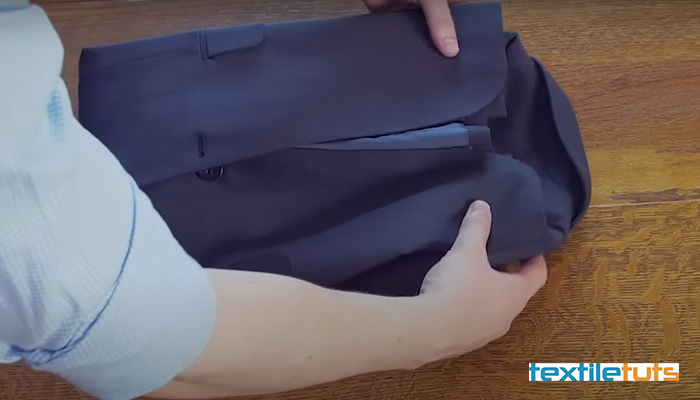
Before storing, roll each suit component individually—starting from one end and rolling toward the other—like a burrito. This method minimizes wrinkle formation during storage. Place cedar blocks or sachets of lavender near stored suits to repel moths without leaving residue on the fabric.
Remove Residual Fragrance
After rolling the suit, press a fresh paper towel against the fabric to absorb any residual fragrance oils from manufacturing or dry cleaning chemicals. These particles can cause skin irritation and attract fabric pests.
Store in Well-Ventilated Areas
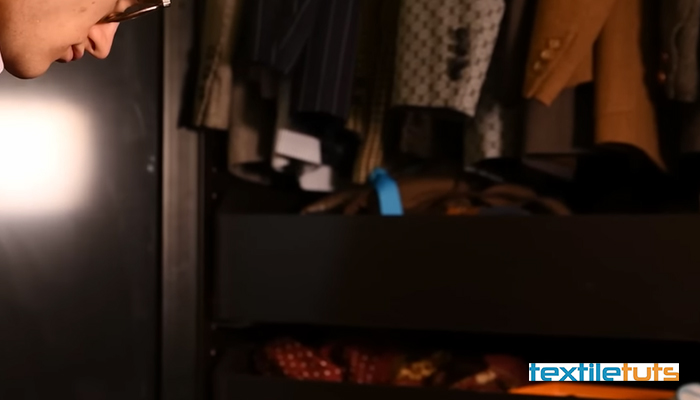
Store cotton suits in areas with low humidity and minimal temperature fluctuation—closets, shelves, or wardrobes work well. Wrap suits in breathable cotton garment bags before placing in storage to prevent dust accumulation while allowing air circulation. Avoid plastic bags, which trap moisture and promote mold growth.
Wearing Cotton Suits in Summer
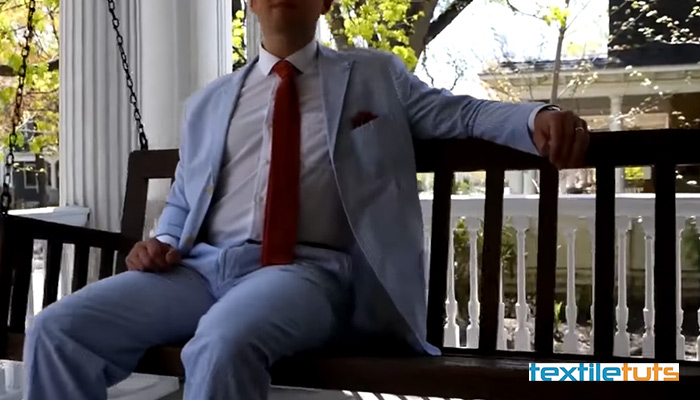
Summer heat demands smart styling choices. Cotton suits provide an effective solution for maintaining a polished appearance without sacrificing comfort when temperatures rise.
Prepare Ahead of Time
Before purchasing a summer cotton suit, verify the garment is made from 100% cotton with appropriate finishes. Specialty treatments such as Teflon or Nano Tex repellents enhance water and sweat resistance. Pre-shrunk cotton ensures the suit retains its dimensions after washing—a garment that has not been pre-shrunk may shrink 3–8% on first wash.
Select Light Colors

Light colors reflect sunlight and heat more effectively than dark shades, keeping the wearer cooler. Neutral tones—light gray, tan, and cream—provide an elegant appearance while maximizing thermal comfort. For patterned options, linen-cotton blends offer enhanced breathability while retaining a refined look.
Choose Appropriate Accessories

Select lightweight accessories that complement the cotton suit without adding bulk. Linen pocket squares and ties maintain the breathable aesthetic while completing the ensemble. A wide-brimmed straw hat provides shade from direct sunlight and adds a stylish touch suitable for outdoor events.
Style Strategically
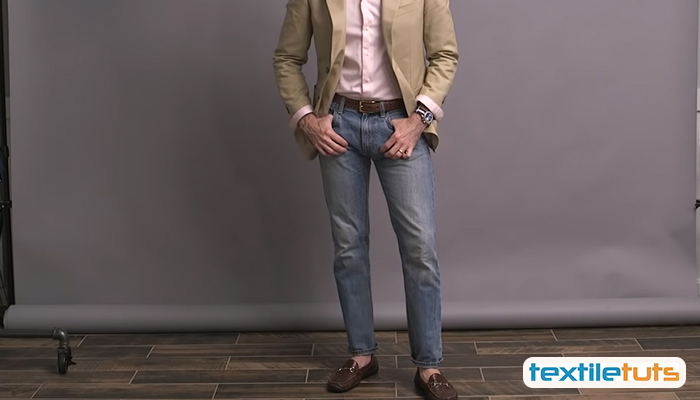
Resist over-accessorizing in hot weather—minimal layering keeps body temperature lower. Avoid overly bright colors or tight-fitting silhouettes, which increase heat retention. Opt for looser fits that allow air circulation between the skin and fabric.
Substitute heavy leather shoes with canvas trainers or boat shoes to improve breathability without sacrificing style. This adjustment proves particularly effective when attending outdoor events or in climates where temperatures regularly exceed 27°C (80°F).
Cotton Jackets in Cooler Weather
Cotton jackets perform well during mild winter days with temperatures between 10–18°C (50–64°F). In conditions below freezing, however, cotton’s limited insulation becomes a disadvantage.
For temperatures consistently below 0°C (32°F), synthetic insulated layers or wool coats provide superior thermal protection. These materials resist wind penetration and retain heat more effectively than unlined cotton jackets.
Conclusion
Cotton suits offer versatility, affordability, and comfort that appeals to a wide range of wearers. The fabric’s breathability (with moisture absorption up to 27% by weight) and lightweight construction (150–200 g/m²) make it particularly suitable for warm-weather occasions.
With proper care—including cold-water washing, air-drying, and flat storage—a quality cotton suit delivers years of reliable wear. The lower cost relative to wool or synthetic alternatives makes cotton suits an accessible entry point for building a versatile wardrobe.
From lightweight summer suits to more substantial constructions for transitional seasons, a well-selected cotton suit serves as a practical and stylish wardrobe foundation.
References
- Cotton Incorporated. (2024). Cotton Works — Technical Resources for Cotton Industry Professionals. Cotton Incorporated.
- Food and Agriculture Organization of the United Nations. (2023). FAOSTAT — Cotton lint production statistics. FAO.
- U.S. Department of Agriculture. (2024). National Agricultural Statistics Service — Cotton Reports. USDA.
- ASTM International. (2023). Textile Fiber Standards and Technical Guidelines. ASTM International.


