
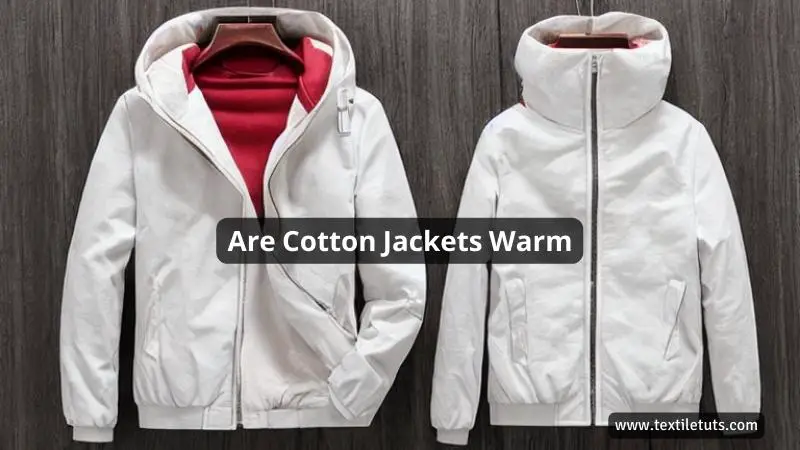
Are Cotton Jackets Warm

Yes — cotton jackets are warm enough for cold weather. They provide effective thermal insulation in regular cold conditions down to approximately 10°C (50°F) in dry weather. Weighing roughly 1.4 kg (3.2 lbs), they offer lightweight warmth that performs well across a wide temperature range.
However, cotton jackets are not suitable for extreme cold. In temperatures below 4°C (40°F) — especially in wet or windy conditions — cotton’s insulating properties collapse because the fabric absorbs up to 27% of its weight in water, dramatically reducing thermal resistance and increasing heat loss.
For cold, wet conditions, a synthetic or wool jacket with water-resistant outer fabric is the better choice.
Cotton Thermal Conductivity: How Good of a Heat Insulator Is Cotton?
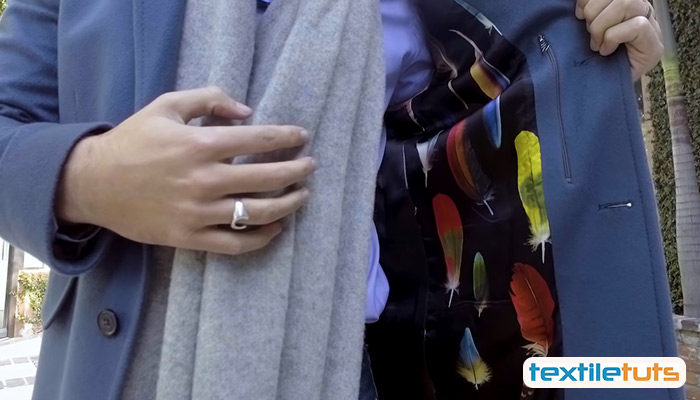
Cotton is a good thermal insulator when dry. Its effectiveness stems from the structure of cotton fibers, which trap air and create a buffer between the skin and colder outside air. The trapped air reduces heat transfer through conduction, keeping the body warm.
| Fiber | Thermal Conductivity (W/mK) |
|---|---|
| Cotton | 0.038 |
| Wool | 0.042 |
| Silk | 0.040 |
| Nylon | 0.250 |
| Polyester | 0.250 |
| Jute | 0.310 |
The lower the thermal conductivity, the better the material is at preventing heat loss. Cotton at 0.038 W/mK outperforms wool (0.042 W/mK) and silk (0.040 W/mK) on this metric, making it a competitive natural insulator.
Since cotton fibers are poor conductors of heat, they do not allow heat to pass through easily. Dry cotton fabric keeps the body warm by trapping heat close to the skin.
However, when cotton becomes wet, its insulating properties collapse. Water has a thermal conductivity of approximately 0.60 W/mK — roughly 16 times higher than dry cotton. Wet cotton allows heat to pass through rapidly, dramatically increasing the risk of hypothermia in cold conditions.
Cotton also dries slowly. It absorbs 24–27% of its weight in water and stores it within the fiber structure, meaning it can take 2–4 hours to air-dry under moderate conditions, compared to synthetic fabrics that typically dry in 30–60 minutes.
In short, cotton is a useful fabric for insulating against mild cold, but it must stay dry to maintain its thermal performance.
For cold or wet conditions, wear a waterproof outer shell over cotton to protect it from moisture. This approach combines cotton’s comfort with synthetic outer-layer protection.
Cotton Jacket Temperature Guide
Use this quick-reference guide to determine if a cotton jacket is appropriate for your conditions:
| Temperature Range | Conditions | Cotton Jacket Suitable? |
|---|---|---|
| 18–25°C (64–77°F) | Cool to mild, dry | ✅ Yes — ideal conditions |
| 10–18°C (50–64°F) | Cool, dry | ✅ Yes — comfortable warmth |
| 4–10°C (40–50°F) | Cold, dry | ⚠️ Marginal — acceptable for short periods |
| Below 4°C (40°F) | Cold to freezing, any moisture | ❌ No — wear wool or synthetic |
| Any temperature | Wet, rainy, snowy | ❌ No — cotton loses all insulation when wet |
Signs It’s Too Cold for a Cotton Jacket
Watch for these indicators that conditions have exceeded what a cotton jacket can handle:
Wind chill drops the effective temperature below 4°C (40°F)
Any precipitation — rain, snow, sleet, or heavy mist
You’ll be outdoors for more than 30–45 minutes in temperatures below 10°C (50°F)
Physical activity will cause significant sweating (moisture compromises cotton’s insulation)
You feel cold even with the jacket fully zipped and collar raised
Hands or ears start to feel numb within 10–15 minutes of exposure
Benefits of Wearing a Cotton Jacket
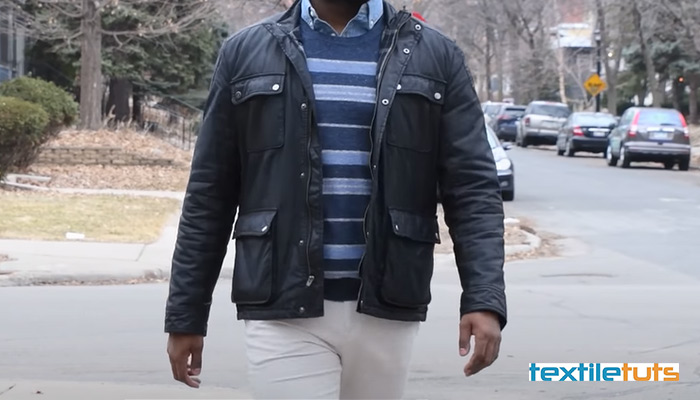
Cotton jackets offer several distinct advantages. They are soft and comfortable against the skin, with a natural drape that conforms to body movement without stiffness.
They are breathable, allowing air to circulate freely. This ventilation prevents heat and moisture buildup, making them comfortable across a wider temperature range than fully synthetic alternatives.
Cotton is also eco-friendly and sustainable, sourced from a renewable natural resource. Unlike petroleum-based synthetic fibers, cotton biodegrades at the end of its lifecycle.
How to Care for a Cotton Jacket
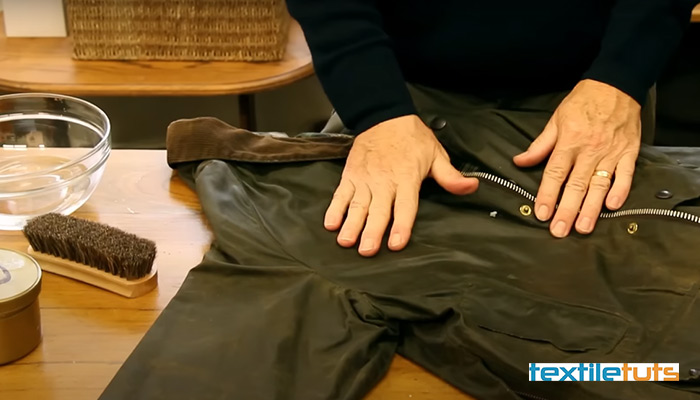
Cotton jackets — including chore jackets, denim jackets, and Carhartt-style work coats — are generally easy to care for. Most can be machine washed in cold water (30°C / 86°F) without damage.
Machine drying carries a shrinkage risk of 3–5% per cycle, particularly in heat above 60°C (140°F). Air drying or tumble drying on low heat is recommended to preserve fit and fabric integrity.
Jackets with embroidery, decorative stitching, or appliqué should be hand-washed to prevent fabric pilling, fraying, or damage to embellishments.
Lined jackets require special care. The lining should be spot-cleaned or hand-washed separately — machine washing can damage the lining structure or cause the outer and inner layers to separate.
Types of Cotton Jackets
There are two main categories: casual cotton jackets and sport cotton jackets.
Casual cotton jackets — commonly called denim jackets — use a heavier, woven denim fabric with a more rugged, traditional design. They often feature asymmetrical hems, multiple snap-button pockets, and sometimes an attached hood. These jackets are appropriate for casual wear, light outdoor activity, and transitional seasons.

Sport cotton jackets are made from lighter-weight fabrics such as cotton twill or brushed cotton. They offer greater breathability and a wider range of motion, making them suitable for active pursuits and transitional weather. These jackets typically have a symmetrical cut with fewer pockets and dry faster than their casual counterparts.
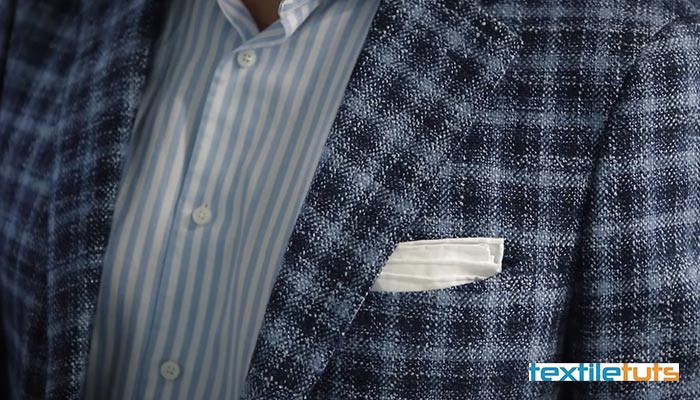
Pros of Wearing a Cotton Jacket
Provides Lightweight Warmth

Cotton is lightweight. A standard cotton jacket weighs approximately 1.4 kg (3.2 lbs), making it easy to carry and layer. It provides reliable warmth in temperatures of 10–20°C (50–68°F) under dry conditions.
Breathable
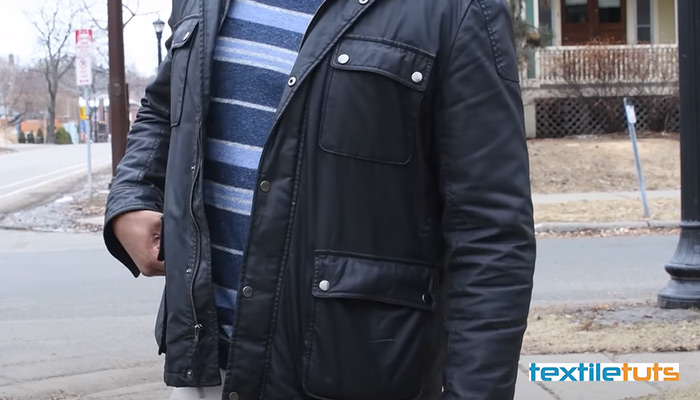
Cotton’s natural fiber structure allows moisture vapor to pass through, enabling evaporative cooling in warm conditions. This breathability prevents sweat buildup and reduces odor compared to non-breathable synthetic alternatives.
Durable
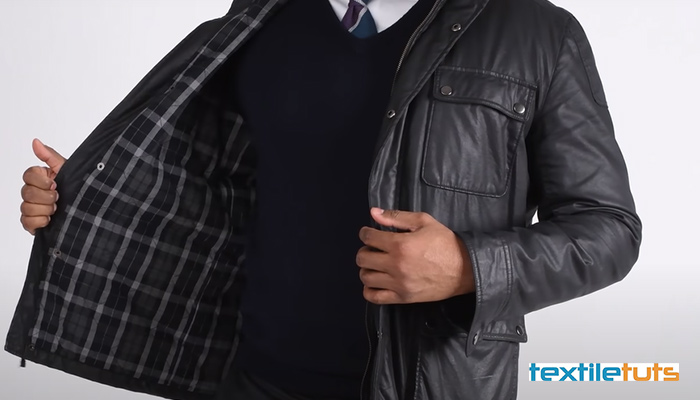
A high-quality cotton jacket lasts 5–10 years with proper care. Cotton fibers gain tensile strength when wet and withstand repeated laundering better than many synthetic blends.
Easy to Care For
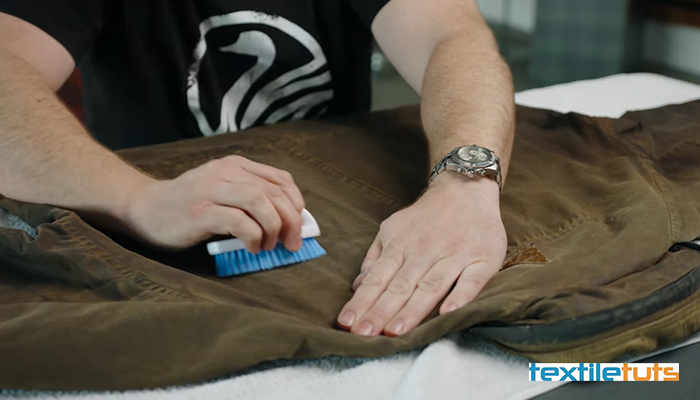
Cotton requires no special laundering handling. Machine washing at 30°C (86°F) with a mild detergent, no bleach, and air drying maintains fabric quality across years of use.
Affordable
Cotton jackets are among the most affordable outerwear options. Entry-level models start at approximately $30, with mid-range options priced at $60–$120.
Cons of Wearing a Cotton Jacket
Absorbs Sweat and Odor
Cotton absorbs moisture readily — up to 27% of its weight — which creates an environment where odor-causing bacteria can thrive. Frequent washing is necessary to prevent persistent smell buildup.
Dries Slowly
Once wet, cotton takes 2–4 hours to air-dry under typical indoor conditions (20°C, 60% RH). In high humidity, drying time extends to 6+ hours, which means the jacket stays damp and uncomfortable after heavy sweating or light rain.
Prone to Wrinkling
Cotton creases easily. The fabric does not spring back into shape after compression, leading to a wrinkled appearance that is difficult to remove with standard ironing on lower heat settings.
Can Become Itchy
Cotton fibers stiffen when exposed to dried sweat and body oils, developing a rough texture against the skin. This is particularly noticeable in the collar and cuff areas after extended wear between washes.
Susceptible to Water Damage
As cotton absorbs water, the fabric becomes heavy (up to 27% heavier when saturated), stiff, and prone to shrinkage of 3–5% per washing cycle if dried at high heat. The structural integrity of the jacket degrades over repeated wet-dry cycles.
Common Features of a Cotton Jacket
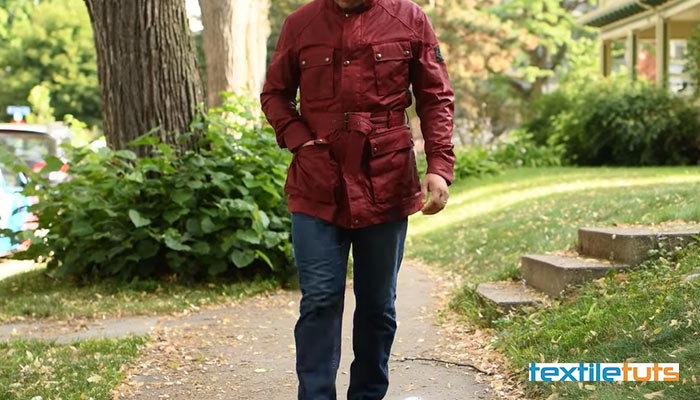
Cotton jackets typically feature a soft, comfortable fabric suited to mild temperatures. They have a mid-weight drape that resists transparency while allowing airflow.
Most designs use raglan sleeves — where the sleeve extends in one piece to the collar — allowing a greater range of arm motion than set-in sleeve constructions.
Pockets generally include two front flap pockets and one or two inner pockets. The torso area often has a partial lining for added coverage and comfort against the skin.
How to Determine the Right Size for a Cotton Jacket
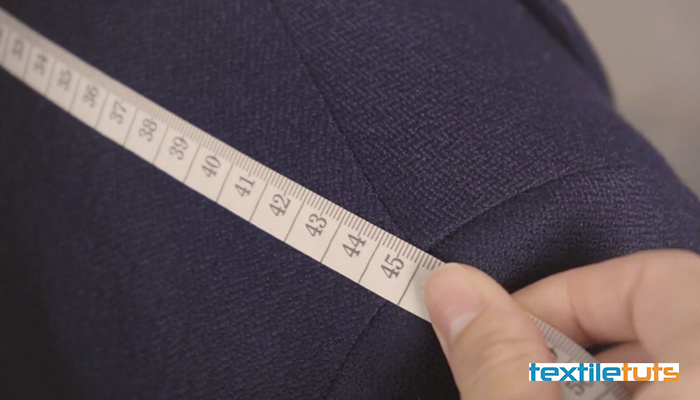
A properly sized cotton jacket allows comfortable movement with enough room to layer a sweater or light fleece underneath without binding.
Sleeve length should allow the cuff to sit at the wrist bone without riding up during arm movement. If between sizes, size up to ensure adequate layering capacity.
Cotton jackets fit more loosely than tailored wool blazers or leather jackets. They are designed for a casual, relaxed silhouette rather than a structured, form-fitting look.
Note that cotton fabric is thinner than equivalent-weight wool or leather. A cotton jacket of the same dimensions as a leather jacket will provide less wind resistance and less warmth per layer.
Cotton Suits in Winter: How They Perform
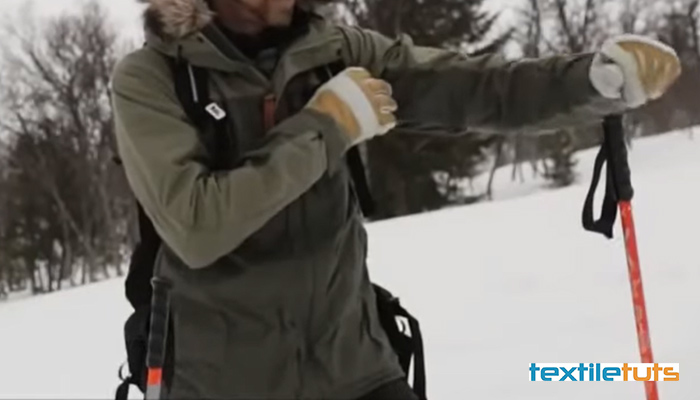
Cotton suits perform well in mild winter conditions — temperatures of approximately 10–15°C (50–59°F) — due to their breathability, comfort, and ease of layering. They are significantly more affordable than wool suits and machine-washable in most cases.
A cotton suit worn under a wool overcoat creates an effective layered system for temperatures as low as 2–5°C (36–41°F). The cotton base provides comfort against the skin while the outer wool layer handles primary insulation.
However, cotton suits lack the natural water resistance of wool and are not suited to wet winter conditions. They absorb sweat and rain readily, leading to prolonged drying times and potential shrinkage if improperly laundered.
Cotton Jackets vs. Acrylic Sweaters: Warmth Comparison
Cotton jackets provide comparable warmth to acrylic sweaters in dry conditions at moderate temperatures (10–18°C / 50–64°F). Acrylic provides better moisture resistance and retains loft insulation when damp, while cotton excels in breathability and comfort against the skin. For wet or cold conditions below 4°C (40°F), acrylic is the stronger choice.
Conclusion
Cotton jackets are versatile and comfortable, making them suitable for year-round use in the right conditions. They provide effective warmth in dry weather down to approximately 10°C (50°F), with breathability that performs across a wide temperature range.
For cold, wet, or extreme winter conditions, a synthetic or wool jacket with water-resistant outer fabric is the better choice. For mild weather, transitional seasons, and casual wear, a cotton jacket delivers an unbeatable combination of comfort, affordability, and sustainability.
References
- Cotton thermal conductivity data and fabric property research:
HTTPSpace. (2024). List of Thermal Conductivities. Wikipedia.
Cotton Incorporated. (2024). CottonWorks™ — Cotton Industry Resource. Cotton Incorporated.
TextileTuts. (2023). Properties of Cotton Fiber. TextileTuts.com.
Smartly.io. (2024). Fabric Guide: Cotton. Smartly.io.
US Forest Service. USDA Forest Service — Thermal Properties of Materials. US Forest Service.


