
Burning Truth Behind Cotton Balls: Are They Flammable?

Cotton balls are highly flammable. They consist of 100% cotton fiber—nearly pure cellulose—and ignite at approximately 400°C (752°F). A raw cotton ball sustains a flame for 30–60 seconds before self-extinguishing, and it burns faster than thick wood due to its loose fiber structure and high surface-area-to-mass ratio. Understanding this flammability is essential for both fire safety in the home and practical use as emergency fire-starting tools.
Cotton balls are produced from cottonseed oil contaminated with cotton lint—the short fiber fuzz visible on the surface. They serve multiple purposes: applying nail polish, dispensing skincare products, removing eye makeup, and in craft and survival applications.
Key Flammability Facts at a Glance
- Ignition temperature: ~400°C (752°F)
- Limiting oxygen index: 17–18% (cotton ignites in normal air at 21% O₂)
- Raw cotton ball burn time: 30–60 seconds
- Vaseline-coated burn time: 3–5 minutes per ball
- Flash point of Vaseline: ~204°C (400°F)
What Is a Cotton Ball Made of
A cotton ball is a loosely formed sphere of cotton fiber, typically 2–3 cm in diameter, designed to absorb and apply liquids. Cotton balls are produced from cottonseed oil contaminated with cotton lint—the short fiber fuzz visible on the surface.
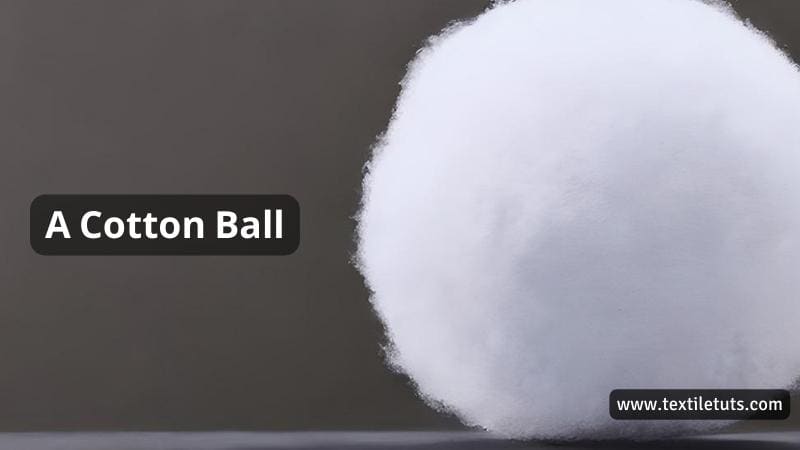
Pure cotton balls contain 100% cotton fiber. Synthetic alternatives blend cotton with rayon, polyester, or recycled post-consumer fibers to reduce cost. A cotton-polyester blend increases durability but reduces softness and moisture absorbency. The choice depends on the intended application: pure cotton excels at personal care, while blends suit heavy-duty cleaning tasks.
Your cotton ball consists of these compounds:
| Constituent | Percentage | Role in Flammability |
|---|---|---|
| Cellulose (Highly Flammable) | 94% | Ignites at ~400°C (752°F); sustains combustion |
| Ash | 1.2% | Inert residue after combustion |
| Pectin | 1.2% | Hydrophobic coating; repels water |
| Natural Wax | 0.6% | Reduces liquid absorbency initially |
| Sugar | 0.3% | Burns during combustion |
| Pigment | Trace | Negligible effect |
| Others | Trace | Negligible effect |
What Makes Cotton Balls Flammable
Cotton balls—though made from vegetable fiber—are flammable.
Cotton balls are manufactured from cottonseed oil mixed with cotton lint. This lint consists of short cellulose fibers that protrude from the cotton surface, dramatically increasing the exposed surface area. Cotton cellulose has a limiting oxygen index (LOI) of 17–18%, meaning it ignites when the oxygen concentration in the surrounding air reaches this threshold—well below the ambient 21% oxygen level.
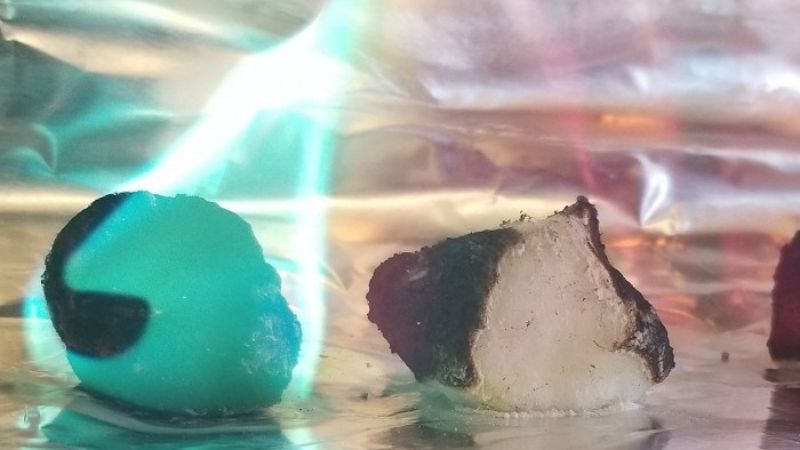
Toxicologist Dr. Chris Proctor states: “Lint is highly flammable and burns easily, which can create a fire hazard when used to absorb liquids.” The high surface-area-to-volume ratio of loose cotton lint enables rapid heat transfer and flame spread. Unless treated with flame-retardant chemicals, cotton balls will ignite on contact with an open flame.
Flame-retardant treated cotton balls are available for applications where fire resistance is required. Always check the product label before purchasing if fire resistance is needed.
Emergency Fire Starting With Cotton Balls and Vaseline
Vaseline-coated cotton balls serve as a reliable emergency fire-starting method. The petroleum jelly has a flash point of approximately 204°C (400°F) and acts as a secondary fuel source, extending the burn time of the cotton.
Step 1: Gather Necessary Supplies
- Obtain a bag of extra-large 100% cotton balls (not synthetic blend) and a small container of Vaseline or equivalent petroleum jelly. Polyester-based balls will not ignite reliably.
- Prepare a pill bottle or waterproof container for storage. Add newspaper or a protective layer if carrying loose items.
Step 2: Prepare Cotton Balls
- Tear each cotton ball open before coating. This exposes maximum surface area and ensures even fuel saturation. Work over a clean surface to keep fibers contained.
Step 3: Coat Cotton Balls with Vaseline
- Apply a generous layer of petroleum jelly to each cotton ball. Work the jelly thoroughly into all exposed fibers. The coating should be visible but not dripping.
- Strike a balance: insufficient coating produces a flame lasting under 60 seconds. Excessive coating makes ignition difficult and produces excessive smoke.
Step 4: Store and Transport
- Seal coated cotton balls in an airtight pill bottle or zip-lock bag. Store in a dry location away from heat sources. A single batch remains viable for 6–12 months when stored properly.
- Keep the storage container accessible for emergencies. In survival situations, carry the container on your person rather than in a pack.
Step 5: Start the Fire
- Use matches or a lighter to ignite the coated cotton ball at one corner. Hold the flame contact for 3–5 seconds before gently blowing. Once sustained burning begins, transfer to your kindling pile.
- Alternatively, add the coated cotton ball directly to an existing ember or spark to rapidly intensify the flame.
Vaseline-coated cotton balls provide a burn time of 3–5 minutes per ball, sufficient to ignite dry kindling in most conditions.
How Long Do Cotton Balls Burn
A raw cotton ball burns for 30–60 seconds before self-extinguishing. The flame is small, produces minimal heat, and extinguishes quickly due to the rapid consumption of available fiber.
A Vaseline-coated cotton ball sustains a flame for 3–5 minutes under normal conditions. Higher altitudes and wind will reduce burn time. Excessively thick coating of petroleum jelly extends burn time to 8–10 minutes but increases ignition difficulty.
Cotton Balls vs Wool: Flammability Comparison
Wool and cotton exhibit fundamentally different combustion behaviors. Wool has a limiting oxygen index (LOI) of approximately 25%, compared to cotton’s 17–18%. This means wool requires significantly more oxygen to ignite.
| Property | Cotton | Wool |
|---|---|---|
| LOI (Limiting Oxygen Index) | 17–18% | ~25% |
| Ignition Temperature | ~400°C (752°F) | ~570°C (1058°F) |
| Flame Spread Rate | Rapid | Self-extinguishing |
| Odor When Burned | Burning paper | Burning hair |
| Residue After Flame | Grey ash | Dark, brittle ash |
Wool fibers contain cystine disulfide bonds that decompose endothermically during heating, releasing water vapor and inert gases that suppress combustion. Cotton lacks these protective mechanisms and burns continuously once ignited.
Why Cotton Bale Fires Are Difficult to Extinguish
Raw cotton bales present a severe fire suppression challenge. The outer fibers are coated with pectin (1.2%) and natural wax (0.6%), both hydrophobic materials that repel water penetration.
When a cotton bale ignites, water applied to the surface slides off without reaching the interior. The compacted fiber structure creates a chimney effect, drawing oxygen inward and accelerating combustion. Cotton bale fires can smolder for days or weeks, re-igniting even after apparent suppression.
Commercial cotton processing removes these hydrophobic coatings through a scouring process before dyeing and weaving. The cotton used in textiles and consumer products is significantly more hydrophilic than raw cotton seed fiber.
Clothing Fire Deaths Involving Cotton
Textile fires remain a significant public health concern. According to the World Health Organization, approximately 180,000 deaths occur annually from burns worldwide, with 80–90% occurring in home environments.
The following data was compiled by Mark Hobbs, a fire investigation officer at East Sussex Fire and Rescue Service:
| Country | Deaths | Age Group | Period |
|---|---|---|---|
| Australia | 12 | Over 65 years | 2000–2006 |
| USA | 120 | 65 years or older | 1999–2004 |
| United Kingdom | 80 | All ages | Annual average |
In the USA, emergency departments treat approximately 4,321 clothing-related burn injuries annually. Older adults face disproportionate risk due to slower reaction times and thinner skin.
Safe Handling Practices for Cotton Balls
Use a Tongue Depressor
A tongue depressor—a flat plastic instrument with a rounded end—provides a non-flammable applicator for cosmetics. Wipe the cotton ball across the depressor surface to control liquid saturation and prevent drips.
Use a Soft Toothbrush
For cleaning tasks, a soft-bristled toothbrush prevents fiber tangling and reduces the force needed to dislodge debris. Dip in water or cleaning solution and scrub gently.
Use an Oral Irrigator
An oral irrigator produces a targeted water jet for rinsing. Set to low pressure to avoid tissue injury. Direct the stream away from the face to prevent splatter.
Rinse With Water
Rinsing with plain water between uses removes residue and prevents bacterial buildup. A water bath with 2–3 drops of peppermint oil freshens breath effectively.
Maintain a Daily Routine
Consistent hygiene practices reduce bacterial colonization on cotton balls and applicators. Replace cotton balls after each use to prevent contamination.
Benefits of Using Cotton Balls
Cotton balls offer several advantages over alternative applicators. Their loose fiber structure holds liquid by capillary action without absorbing as much product as flat pads, reducing waste.
Using cotton balls for skincare application prevents direct hand contact with products, reducing bacterial contamination. The small size fits into crevices around the nose, eyes, and cuticles where larger pads cannot reach.
Cotton balls are biodegradable and compostable when made from 100% natural fiber, making them an environmentally preferable alternative to synthetic disposable pads.
Common Uses for Cotton Balls
Cotton balls serve both personal care and household applications. Common uses include applying nail polish remover, removing makeup, cleaning small wounds, and applying antiseptic solutions.
In craft applications, cotton balls work as填充材料 for doll making, soundproofing small cavities, and creating textured effects in painting. Their fire-starting utility makes them a staple in emergency preparedness kits.
In first aid, sterile cotton balls clean around wounds without leaving fibers behind. They apply gentler pressure than gauze pads for delicate tissue areas.
Proper Storage of Cotton Balls
Store cotton balls in an airtight container to prevent moisture absorption and bacterial growth. A sealed plastic container extends shelf life to 2–3 years under normal conditions.
Without airtight storage, cotton balls absorb atmospheric moisture, promoting mold growth. Polyester-blend cotton balls are more resistant to moisture absorption than 100% cotton versions.
Discard any cotton ball showing visible mold, discoloration, or musty odor. Wet cotton balls harbor bacteria and should be disposed of immediately rather than dried for reuse.
Conclusion
Cotton balls are highly useful household items with legitimate applications in personal care, first aid, crafts, and emergency fire starting. Their 94% cellulose composition makes them flammable, but this property is exploitable for survival applications.
Handle cotton balls with standard fire precautions. Keep them away from open flames, heating elements, and ignition sources. Store in sealed containers in dry locations.
References
- World Health Organization. (2023). Burns. WHO.
- Wikipedia. (2024). Cotton. Wikimedia Foundation.
- Wikipedia. (2024). Limiting Oxygen Index. Wikimedia Foundation.


