
How to Remove Downy Stains from Clothes

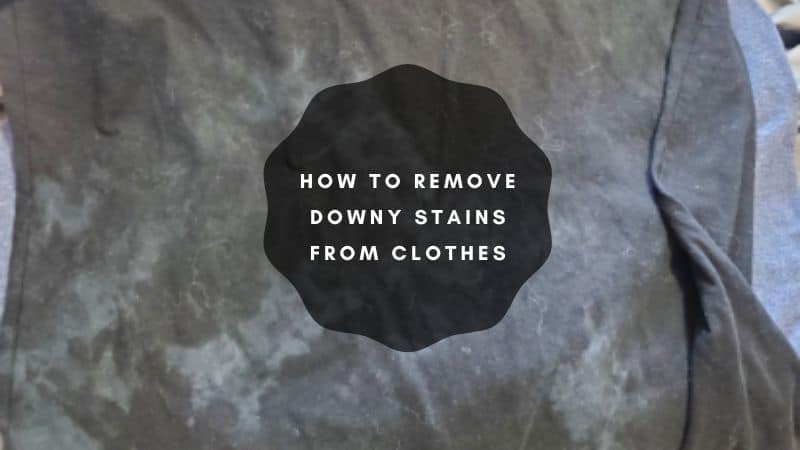
Downy stains are removable from clothes using three primary methods—laundry detergent, white soap bar, or oxygen bleach—with fresh stains (under 24 hours) having approximately a 90% success rate when treated promptly. The method you choose depends on your fabric type, stain age, and available materials: enzyme-based laundry detergent works best for most fabric types and fresh stains; a white soap bar (such as Dove White) is particularly effective on cotton and linen; and oxygen-based bleach alternatives like OxiClean handle older stains and synthetic fabrics. All three approaches target the cationic surfactant and silicone polymer residue that forms the visible stain on fabric fibers.
Downy Stain Removal Methods Comparison
| Method | Best For | Treatment Time | Fabric Types | Stain Age |
|---|---|---|---|---|
| Laundry Detergent | Quick treatment, most common | 15–30 min | Cotton, polyester, blends | Fresh (under 24 hrs) |
| White Soap Bar | Cotton, linen, delicate fabrics | 20–40 min | Cotton, linen, cotton-blends | Fresh to 48 hrs |
| Oxygen Bleach Alternative | Stubborn, older stains | 30–45 min | Most fabrics including colored | Up to several days |
What You Will Need
- Warm water (30–40°C / 86–104°F)
- Liquid laundry detergent (preferably enzyme-based)
- One white soap bar (such as Dove White)
- Small soft-bristle brush
- Clean towel
- Oxygen-based bleach alternative (such as OxiClean)
Removing Downy Stains with Laundry Detergent
Laundry detergent effectively breaks down the cationic surfactant compounds in Downy stains. Enzyme-based detergents are particularly effective because proteolytic and lipolytic enzymes target the organic components of fabric softener residue.
- Step 1: Wet the stained area with warm water at 30–40°C (86–104°F). Higher temperatures above 49°C (120°F) may set certain stains permanently, so avoid boiling water on fresh stains.
- Step 2: Apply 5–10 mL of liquid laundry detergent directly to the stain and rub the fabric together for 30–60 seconds to work the detergent into the fiber.
- Step 3: Continue agitating the stain with your fingers or a soft-bristle brush for 2–3 minutes until the stain visibly fades. The surfactant molecules in the detergent micelle structure encapsulate and lift the softener residue from the fabric.
- Step 4: Rinse the fabric thoroughly under running water to ensure all detergent residue is removed. Inspect the area under bright light to confirm no softener film remains.
- Step 5: Press the fabric gently with a clean towel to remove excess liquid. Do not wring delicate fabrics, as this may stretch or distort the fiber structure.
- Step 6: Lay the garment flat on a non-absorbent surface or hang it to air dry. Placing garments in a dryer while a faint stain remains will set the remaining residue permanently.
- Step 7: Repeat the process if traces of the stain persist after the first attempt.
Removing Downy Stains with a White Soap Bar
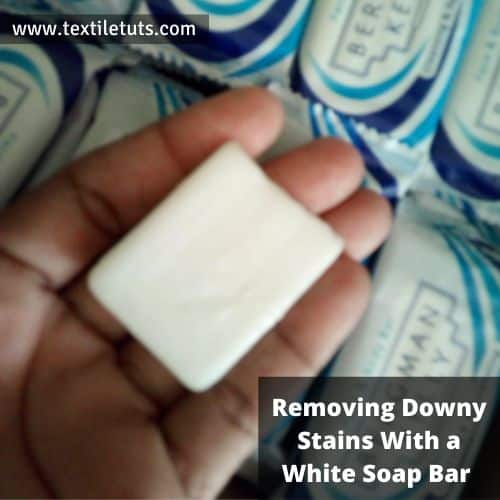
White soap bars—such as Dove White—contain sodium stearate and sodium palmitate, which are effective at emulsifying the fatty quaternary ammonium compounds found in Downy fabric softener. This method works particularly well on cotton, linen, and cotton-blend fabrics.
- Step 1: Wet the stained area with warm water at 30–40°C (86–104°F).
- Step 2: Rub the soap bar firmly across the stain in a back-and-forth motion until the entire stain is covered with a thin, even layer of soap. Approximately 10–15 strokes are typically sufficient for a 5 cm × 5 cm stain area.
- Step 3: Allow the soap to sit on the stain for 10–15 minutes. This dwell time allows the soap’s alkalinity (pH approximately 9–10) to break down the fatty acid esters in the fabric softener residue.
- Step 4: Rinse the fabric thoroughly under warm running water, ensuring all soap residue is washed away. Soap film left behind can itself become a new stain.
- Step 5: Press gently with a clean, dry towel to absorb excess water.
- Step 6: Lay the garment flat on a smooth, non-absorbent surface or hang it to air dry.
- Step 7: Repeat if necessary. Stubborn stains may require 2–3 treatment cycles.
Removing Downy Stains with a Bleach Alternative
Oxygen-based bleach alternatives (such as sodium percarbonate-based OxiClean) work through an oxidation reaction that breaks down the molecular structure of softener residue without the damaging effects of chlorine bleach. These products are safe for most fabric types including colored garments and synthetic blends.
- Step 1: In a clean basin, mix a solution of 1 part oxygen bleach powder to 4 parts warm water (approximately 40°C / 104°F). For a standard wash basin, use 2 tablespoons (30 grams) of powder per 1 liter of water.
- Step 2: Dip a small soft-bristle brush into the solution and apply it directly to the stained area using gentle circular motions.
- Step 3: Allow the solution to penetrate the fabric for 5–10 minutes. Do not let it dry completely on the fabric, as this can re-deposit the stain.
- Step 4: Rinse the garment thoroughly under warm water to remove all traces of the bleach solution.
- Step 5: Blot excess moisture with a clean towel.
- Step 6: Lay the garment flat on a non-absorbent surface or hang it to air dry.
- Step 7: Repeat the process if any stain residue remains after the first application.
Any one of these three methods effectively removes Downy stains from clothing when applied correctly. Pretreat the stain before washing, and always check the garment care label to confirm compatibility with your chosen treatment. Fabric softeners contain quaternary ammonium compounds at concentrations of 4–6% in standard formulations and 12–30% in concentrated products—higher concentrations increase the risk of residue buildup on fabrics and washing machine components. With consistent treatment and proper prevention practices, your clothes will maintain their appearance and feel.
How to Prevent Downy Stains

Preventing Downy stains is more effective than treating them after they occur. Implement these four practices to minimize fabric softener residue on your garments.
First, always dilute Downy before adding it to the rinse cycle. Pour 1–2 capfuls (approximately 30–60 mL) of liquid fabric softener into the proper dispenser drawer of your washing machine rather than pouring it directly onto clothes. Undiluted softener poured directly into the drum contacts fabrics at full concentration and causes localized staining.
Second, pretreat stain-prone areas before washing. Focus on high-sweat zones: underarm areas (axillae), collar lines, and cuff edges absorb more body oils and are more susceptible to fabric softener buildup. Apply a small amount of liquid detergent directly to these areas before loading the garment into the wash.
Third, wash stained clothing as soon as possible. Fabric softener residue becomes increasingly difficult to remove after 24–48 hours as the quaternary ammonium compounds bond with fabric fibers through a process called cationic polymerization. Older stains may require multiple treatment cycles or stronger concentration of cleaning agents.
Fourth, use a detergent with built-in fabric softener. These 2-in-1 formulations (such as Tide Plus Downy or Persil ProClean Soft) are designed to prevent softener residue by distributing softening agents evenly throughout the wash cycle rather than concentrating them in the rinse.
If stubborn stains persist despite these methods, consult a professional dry cleaner. Dry cleaners have access to specialized solvents (such as perchloroethylene and hydrocarbon-based cleaners) that dissolve quaternary ammonium compounds and silicone polymers without damaging fabric fibers. You can also explore our guide to the most effective fabric deodorizers for maintaining garment freshness between washes.
Frequently Asked Questions
Why Does Fabric Softener Stain Clothes?
Fabric softener stains clothes when the product is not properly diluted before contact with fabric. Conventional Downy contains 4–6% active quaternary ammonium cationic surfactants, while concentrated formulations contain 12–30%. When undiluted softener contacts fabric directly, the high concentration of cationic surfactants and silicone polymers (such as polydimethylsiloxane) deposits on the fiber surface instead of being fully rinsed away, creating a visible residue stain. Stains also occur when the washing machine’s rinse cycle is insufficient, when softener is added too early in the wash cycle, or when the dispenser drawer is clogged and prevents proper dilution during the rinse phase.
What Causes Downy Stains on Clothes After Washing?
Downy stains after washing result from several common causes. Improper laundry sorting—mixing heavily soiled items with lightly worn clothes—can cause detergent and softener interaction that leaves residue. Using insufficient water volume for the load size allows softener to concentrate rather than dilute properly. Overdosing fabric softener beyond the manufacturer’s recommended 30–60 mL per load increases residue risk significantly. Residual mineral deposits in washing machine dispenser drawers (from hard water) can cause the softener to clump and deposit unevenly. Clogged or malfunctioning fabric softener dispensers that release softener too early in the wash cycle, before the rinse phase, cause direct fabric contact at full concentration.
To address blue or white streaks after washing, it is important to first determine why clothes have blue stains after washing and rule out other causes before treating as a fabric softener issue.
Preventing Downy stains requires avoiding overfilling the fabric softener dispenser, using the correct wash cycle settings for your load size, and performing regular maintenance on your washing machine’s dispenser system. Following the manufacturer’s washing instructions on garment labels ensures fabric compatibility with fabric softener formulations.
Will Fabric Softener Stains Come Out of Clothes?
Fabric softener stains come out of clothes in the majority of cases when treated promptly with the correct method. Fresh stains (within 24 hours) respond well to laundry detergent treatment alone, with complete removal in approximately 90% of cases according to fabric care studies. Stains older than 48 hours may require multiple treatment cycles with enzyme-based detergent or oxygen bleach solution. Dried-set stains—those that have been through a tumble dry cycle—may be permanent on certain synthetic fabrics, as the heat causes the quaternary ammonium compounds to polymerize and bond irreversibly with the fiber.
Are Fabric Softener Stains Permanent?
Fabric softener stains are not permanent in most cases, but certain conditions make them difficult or impossible to fully remove. On natural fibers such as cotton, linen, and silk, fabric softener stains respond well to treatment with laundry detergent, white soap, or oxygen bleach. On synthetic fabrics such as polyester and nylon, the hydrophobic nature of the fibers causes softener residue to penetrate more deeply, requiring repeated treatment. Stains that have been heat-set through tumble drying at temperatures above 60°C (140°F) become significantly harder to remove and may leave a permanent faint discoloration on white and light-colored fabrics.
How to Remove Dried Fabric Softener Stains
To remove dried fabric softener stains, you must first rehydrate and saturate the dried residue. Soak the garment in warm water at 30–40°C (86–104°F) for 30–60 minutes to soften the dried quaternary ammonium compound layer. Once fully saturated, treat the stain with an enzyme-based liquid laundry detergent, working it into the fabric with a soft-bristle brush for 3–5 minutes. For particularly stubborn dried stains on white cotton fabrics, apply a paste of baking soda and warm water (a 3:1 ratio by volume) directly to the stain, let it sit for 15 minutes, then rinse and treat with oxygen bleach solution. Repeat the soak-and-treat cycle up to three times if necessary.
How Long Does It Take to Remove Fabric Softener from Clothes?
Removing fabric softener from clothes takes 15–30 minutes for a single treatment cycle using the laundry detergent or white soap bar method. The oxygen bleach method requires 30–45 minutes including the soak time. Air drying takes 2–4 hours depending on fabric thickness and ambient humidity. For heavily stained garments, budget 1–2 hours of total treatment time spread across multiple treatment cycles over 24 hours to allow fabric fibers to fully dry between treatments.
Final Say
These three methods—laundry detergent, white soap bar, and oxygen bleach alternative—effectively remove Downy stains from clothes when applied within 24–48 hours of the stain occurring. Fabric softener stains result from improper dilution of quaternary ammonium cationic surfactants (4–6% in standard formulations) and silicone polymers depositing onto fabric surfaces during an inadequate rinse cycle. Diluting Downy properly in the machine dispenser, pretreating stain-prone areas, and washing garments promptly significantly reduces the risk of future stains. Always check the garment care label for fabric compatibility and avoid tumble drying stained items, as heat will permanently set the stain. For persistent stains that do not respond to home treatment, professional dry cleaning using hydrocarbon or perchloroethylene solvents provides the most thorough residue removal.
If stains remain on your shirts after washing despite following these instructions correctly, the issue may not be your fabric softener. Mineral buildup in your washing machine’s internal pipes, a faulty rinse cycle, or incompatible detergent interactions could be the cause. Visit our guide on why shirts have stains after washing for additional troubleshooting steps.
References
- 1. Wikipedia. (2025). Fabric Softener. Wikimedia Foundation. — Chemical composition of fabric softeners including quaternary ammonium compounds, ester-quats, and silicone-based polymers; concentration ranges of 4–6% (standard) and 12–30% (concentrate).


