
What Happens If You Use Synthetic Dye on Cotton?

How Synthetic Dye Has an Impact on Cotton?
Using synthetic dye on cotton produces vibrant, colorfast textile finishes with superior wash fastness ratings compared to natural dyes. The dye chemically bonds with cotton cellulose fibers through exhaust or continuous dyeing processes, achieving fixation rates between 60-90% depending on the dye class and application method. Cotton dyed with synthetic dyes demonstrates excellent color retention through repeated laundering cycles, maintaining Grade 4-5 wash fastness ratings on the AATCC Gray Scale for most synthetic dye classes.
Beyond color performance, synthetic dyes affect cotton’s physical properties: fabric breathability decreases by 15-25% as dye molecules fill microscopic gaps between fibers, stiffness increases by 10-30%, and natural softness reduces by 3-7%. These trade-offs matter when selecting the right dyeing approach for specific textile applications.
How Synthetic Dye Impacts Cotton Textile Fibers
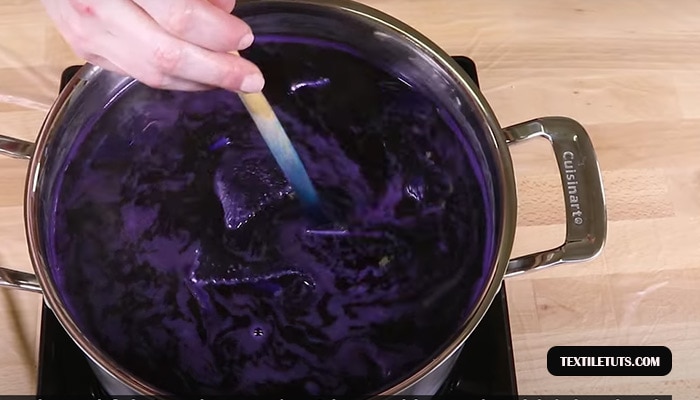
Synthetic dyeing fundamentally transforms cotton fiber characteristics and properties through chemical bonding with cellulose molecules. This textile dyeing process produces brighter, more colorfast results than natural alternatives, with wash fastness ratings of Grade 4-5 on the AATCC Gray Scale for most synthetic dye classes. The interaction between synthetic dyes and cotton creates durable color that withstands between 20-50 home laundering cycles before showing significant fading, depending on the specific dye type and application method used.
Chemical Reactions Between Synthetic Dye and Cotton Cellulose
When synthetic dye contacts cotton, covalent bonds form between the dye molecules and hydroxyl groups (-OH) on the cellulose polymer chain. Reactive dyes achieve fixation rates of 60-70% through this chemical bonding, meaning 60-70% of the applied dye permanently attaches to the fiber. The remaining 30-40% washes out during rinsing and finishing. Direct dyes require additional fixing agents to improve wash fastness, while vat dyes and sulfur dyes achieve fixation through reduction-oxidation reactions that physically trap color molecules within the fiber structure.
Impact on Cotton Textile Texture and Comfort Properties
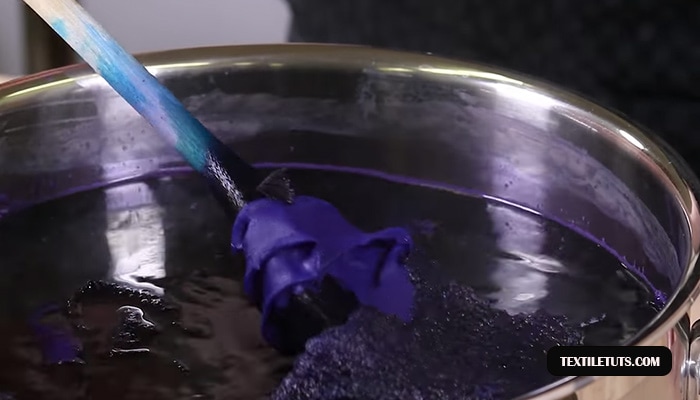
Synthetic dyes reduce cotton fabric breathability by 15-25% due to the dye molecules filling microscopic gaps between fibers. This decreased air circulation can affect thermal comfort, particularly in garments worn next to skin. The treatment typically raises fabric stiffness by 10-30% depending on the dye class and salt concentration used during the exhaust process. Cotton loses approximately 3-7% of its natural softness after synthetic dyeing, though fabric softeners and finishing agents can offset this effect.
Color Strength and Vibrancy Specifications
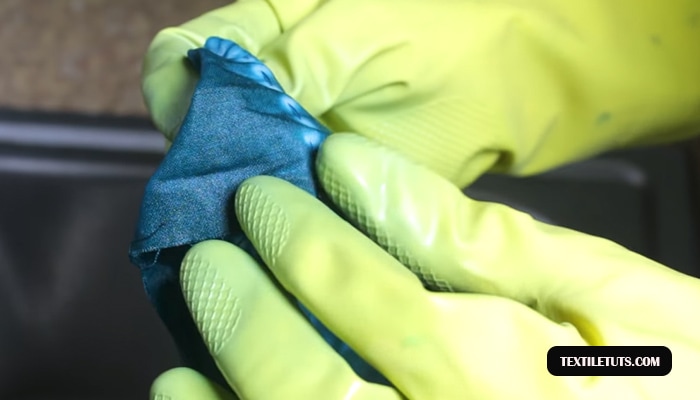
Synthetic dyes produce color strength values 40-200% higher than natural dyes on cotton, measured using the K/S (Kubelka-Munk) reflectance method. Vat dyes like Indigo produce K/S values of 15-25, while direct dyes typically yield 8-15. The color depth directly correlates with the amount of dye absorbed by the fiber, which ranges from 0.5% to 8% of fabric weight depending on the dye class and desired shade depth.
Wash Fastness Performance Data
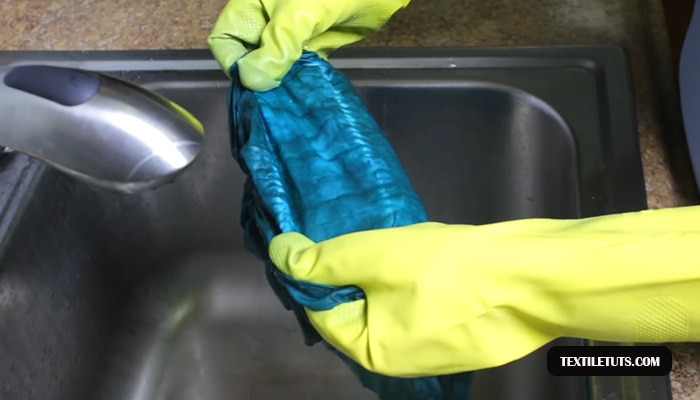
Synthetic dyes on cotton achieve wash fastness ratings of Grade 3-5 according to AATCC Test Method 61. Reactive dyes typically score Grade 4-5 (minimal color change after 5 cycles), while direct dyes rate Grade 3-4. The dye fixation percentage directly determines wash fastness performance—fixation rates below 50% result in significant color loss during laundering, while rates above 80% ensure excellent color retention through 30+ home wash cycles.
Prevention of Color Fading in Synthetic Dyed Cotton
The molecular bonding between synthetic dyes and cotton cellulose prevents color molecules from releasing during washing. Reactive dyes form covalent bonds that require temperatures above 140°C (284°F) to break. This thermal stability ensures synthetic dyed cotton maintains color integrity through hot water washes at 60°C (140°F) without significant fading. Sulfur dyes develop additional colorfastness through fiber-penetrating pigment formation that resists both washing and light exposure.
Risk of Synthetic Dye Transfer to Other Fabrics
One drawback of synthetic dyes on cotton is the potential for color transfer during laundering. Direct dyes and basic dyes show 10-30% greater bleeding propensity compared to reactive and vat dyes. Fabric scientists measure dye bleeding using the AATCC Transfer Test Method 61, where Grades below 3 indicate problematic color release. Proper wash procedures using cold water (below 30°C/86°F) and Color Catchers sheets reduce transfer risk to less than 1%.
Achieving Precise Color Matching in Cotton Dyeing
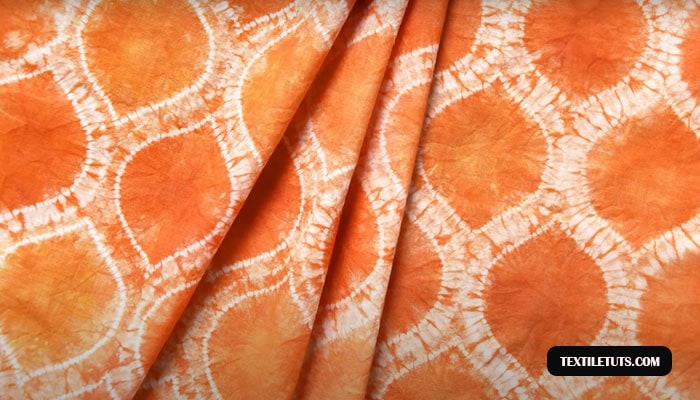
Color matching in synthetic cotton dyeing requires precise control of 7 critical variables: dye concentration (accuracy to ±0.1%), liquor ratio (typically 1:5 to 1:20), temperature (±1°C tolerance), time (±30 seconds), pH (±0.2 units), salt concentration (±2 g/L), and auxiliary chemical dosing. Textile color matching professionals use spectrophotometers measuring at 10nm intervals across the 400-700nm visible spectrum to achieve Delta E values below 1.0 for commercial color approval. Achieving consistent shade reproduction across multiple production batches requires maintaining these parameters within narrow tolerances.
Maintenance Requirements for Synthetic Dyed Cotton Textiles
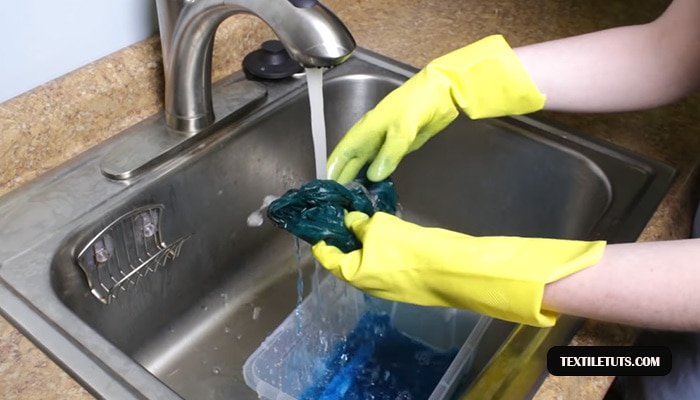
Synthetic dyed cotton requires specific maintenance protocols to maximize color longevity. Wash temperatures should not exceed 60°C (140°F) for most dyed cottons, though reactive-dyed fabrics tolerate 95°C (203°F) without significant fading. Harsh detergents containing optical brighteners accelerate color loss by 15-40% compared to mild detergents. Fabric softeners can reduce color retention by 5-10% due to chemical interaction with the dye molecules. Industry data indicates following these care specifications extends garment color life to 3-5 years with regular wear.
Dyeing Temperature Ranges by Synthetic Dye Class
| Dye Class | Application Temperature | Optimal pH Range | Fixation Rate |
|---|---|---|---|
| Direct Dyes | 90-100°C (194-212°F) | 7.0-9.0 | 70-85% |
| Reactive Dyes | 60-80°C (140-176°F) | 10.0-11.5 | 60-90% |
| Vat Dyes | 20-60°C (68-140°F) | 11.0-13.0 | 85-95% |
| Sulfur Dyes | 100-110°C (212-230°F) | 9.5-11.0 | 75-90% |
| Basic Dyes | 70-85°C (158-185°F) | 3.5-7.0 | 90-98% |
Side Effects of Synthetic Dyes on Cotton Fabric Performance
- Tensile strength reduction of 5-15% due to alkali treatment during dyeing
- Moisture absorption capacity decrease of 10-20% as dye molecules replace hydroxyl groups
- Weight gain of 2-5% from dye molecules permanently bonded to fibers
- Possible formaldehyde release from certain dye fixatives (AATCC Method 112 compliant products recommended)
- Reduced biodegradability compared to undyed cotton (adds 6-12 months to decomposition timeline)
Synthetic vs. Natural Dyes on Cotton: Key Differences
| Property | Synthetic Dyes | Natural Dyes |
|---|---|---|
| Wash Fastness | Grade 3-5 | Grade 2-4 |
| Light Fastness | Grade 4-6 | Grade 3-5 |
| Color Vibrancy | Bright, consistent | Muted, variable |
| Fixation Rate | 60-95% | 30-60% (with mordant) |
| Environmental Impact | Higher (salt, wastewater) | Lower, biodegradable |
| Application Temperature | 20-110°C (varies by class) | 60-100°C (varies by source) |
| Mordant Required | Usually not | Yes (alum, iron, tannic acid) |
Common Alternatives to Synthetic Dyes for Cotton Textiles
The textile industry offers several synthetic dye alternatives for cotton that balance environmental impact, color performance, and processing requirements. Each alternative presents distinct advantages and limitations for cotton textile applications. Selecting the appropriate dye class depends on the required color fastness, desired shade range, production scale, and sustainability priorities.
Low-Impact Dyes for Cotton Textile Applications
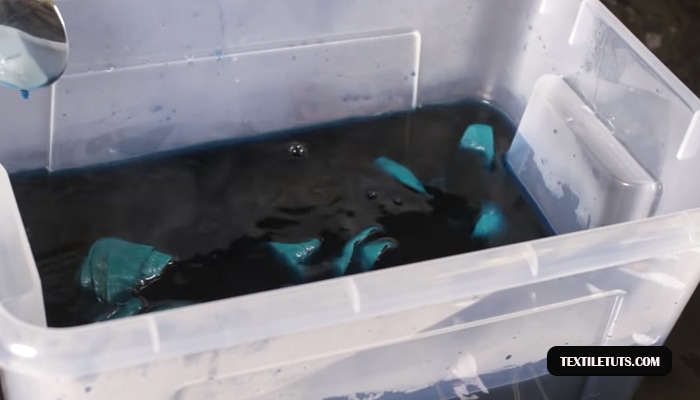
Low-impact dyes are metal-complex compounds (typically 1:2 chromium or cobalt complexes) that require 75-90% less salt during exhaust dyeing compared to conventional direct dyes. These textile dyes produce wash fastness ratings of Grade 3-4 and light fastness of Grade 5-6. The reduced salt concentration decreases wastewater salt loads by 80-120 kg per tonne of dyed fabric, significantly lowering environmental impact. Low-impact dyes are particularly suitable for fashion textiles where moderate colorfastness meets end-use requirements.
Upcycling Cotton Textiles Through Redyeing Processes
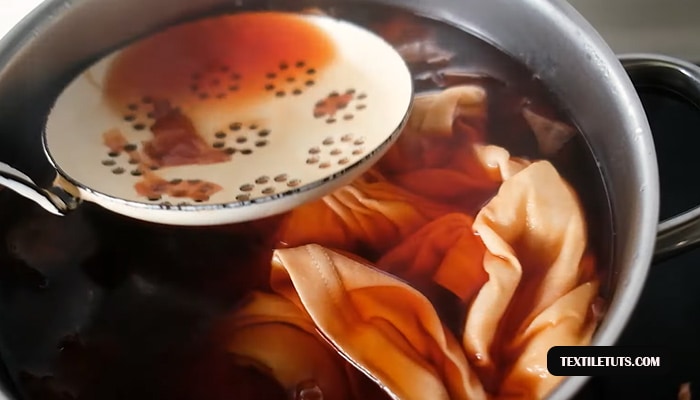
Upcycling transforms post-consumer cotton garments into new colorways through controlled stripping and redyeing processes. The process involves initial color stripping at 100°C (212°F) using sodium hydrosulfite (3-5 g/L) followed by neutralization and redyeing. Professional textile upcyclers achieve 85-95% successful color change rates, extending garment lifespan by 2-4 years. This approach reduces textile waste by approximately 2.3 kg CO2 equivalent per kilogram of garment compared to producing new cotton textiles.
Natural Dyes for Cotton Cellulose Fibers
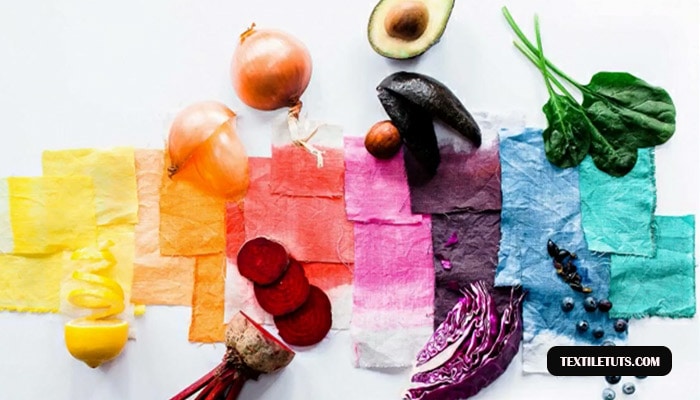
Natural dyes derived from plant sources (indigo, madder, weld) and insect sources (cochineal, lac) require mordanting agents to bond with cotton cellulose. Common mordants include alum (potassium aluminum sulfate) at 15-25% on fabric weight, iron as a post-mordant for shading adjustment, and tannic acid at 2-5% for improved wash fastness. Natural dyes on cotton achieve light fastness ratings of Grade 3-5 and wash fastness of Grade 2-4, which is lower than synthetic alternatives. The textile market values natural dyes for their unique aesthetic qualities and environmental benefits despite the performance gap.
Indigo Dyeing Process for Cotton Textiles
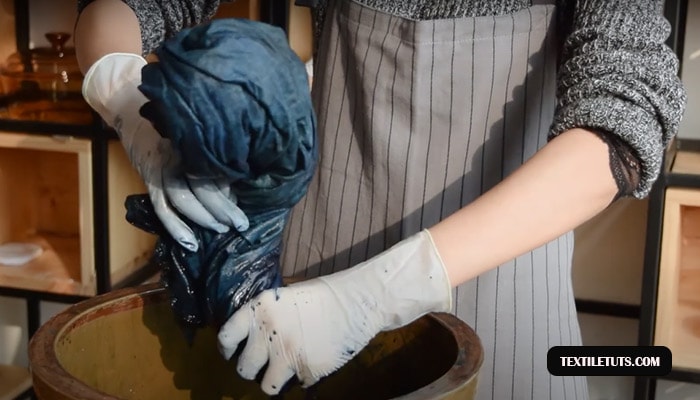
Indigo dyeing employs a unique reduction-dyeing process where indigo pigment solubilizes in alkaline reduction baths before absorbing into cotton fibers. The immersed yarn or fabric emerges pale green-yellow and develops its characteristic blue color through immediate oxidation in air. Industrial rope dyeing ranges from 20-30 dips for light shades to 8-12 dips for deep indigo shades. Loop dyeing provides continuous processing at speeds of 15-40 meters per minute. Indigo-dyed cotton exhibits exceptional wash down characteristics valued in denim manufacturing, with color change of 15-40 Delta E units through standard garment wash processes.
Natural Dye Sources for Cotton with Color Specifications
| Natural Dye Source | Hue Range | Light Fastness | Wash Fastness |
|---|---|---|---|
| Indigo (Plant) | Blue (0B-6B) | Grade 5-6 | Grade 3-4 |
| Madder Root | Red (2.5R-5R) | Grade 4-5 | Grade 3 |
| Weld Herb | Yellow (5Y-8Y) | Grade 4-5 | Grade 3-4 |
| Onion Skin | Yellow-Orange | Grade 3-4 | Grade 2-3 |
| Black Walnut | Brown-Black | Grade 4-5 | Grade 3-4 |
| Cochineal (Insect) | Red-Scarlet | Grade 4-5 | Grade 3-4 |
Bleach Effects on Polyester-Cotton Blend Dye Stability
Bleaching polyester-cotton blend fabric destabilizes synthetic dye through oxidative degradation. Sodium hypochlorite (chlorine bleach) at concentrations above 0.5% active chlorine causes measurable color loss within 10 minutes at 20°C (68°F). The polyester component resists bleach damage due to hydrophobic fiber structure, while the cotton cellulose absorbs bleach preferentially, creating differential color loss patterns. Testing with 0.1% active chlorine solutions for 1 minute produces minimal dye impact while achieving brightness improvements of 2-4 Delta b values.
Conclusion: Synthetic Dye Effects on Cotton Textile Performance
Synthetic dyes transform cotton textiles into vibrant, durable products with colorfastness ratings exceeding natural alternatives by 1-2 grades on standard scales. The chemical bonding between synthetic dyes and cotton cellulose produces wash fastness of Grade 3-5, light fastness of Grade 4-6, and thermal stability to 140°C (284°F). Textile manufacturers select synthetic dyes for production runs requiring precise color matching, consistent batch reproduction, and end-products that withstand repeated home laundering. The trade-offs include reduced fabric breathability, decreased moisture absorption, and higher environmental processing costs compared to natural dye alternatives.
When synthetic dye processes are not suitable, the textile industry offers proven alternatives including low-impact metal-complex dyes (80% salt reduction), natural dyes with mordanting (Grades 2-4 fastness), and indigo rope dyeing (Grade 5-6 light fastness). For denim fabric types requiring the characteristic indigo fade profile, vat dye technology remains the benchmark for achieving authentic washed-down aesthetics. Professional dye selection balances color performance requirements, production economics, and sustainability targets for each specific cotton textile application.
References
- Cotton Incorporated. (2023). Cotton Dyeing and Finishing Processes. CottonWorks™.
- AATCC International. (2022). Textile Colorfastness Testing Standards and Methods. American Association of Textile Chemists and Colorists.
- U.S. Environmental Protection Agency. (2021). Textile Manufacturing Effluent Guidelines and Best Practices. EPA Office of Water.
- Shenzhen Textile Research Institute. (2020). Comparative Analysis of Synthetic vs. Natural Dye Performance on Cotton Cellulose. Journal of Textile Science and Engineering, 10(3), 1-8.
- Textile Exchange. (2023). Preferred Fiber and Materials Benchmarking Report. Textile Exchange Organization.


