
What Color Can You Dye Yellow Fabric?

Green, orange, purple, red, blue, black, brown, and pink are the colors you can dye yellow fabric. Each produces a distinct result because the existing yellow pigment interacts with the new dye, shifting the final hue. Green and orange yield the most predictable results as adjacent colors on the wheel, while black produces the most dramatic shift toward dark olive or gray-green tones.
Yellow fabric takes dye differently than white fabric due to this base pigment interaction. The final color outcome depends on the dye type matched to your fabric’s fiber composition, the dyeing method used, and precise time-temperature control throughout the process. This guide covers each viable dye color, what to expect when applying it to yellow fabric, and the key factors that determine your result.
Quick-Reference: Expected Color Results on Yellow Fabric
| Dye Color | Result on Yellow Fabric | Best For | Dye Concentration (owf) |
|---|---|---|---|
| Green | Olive, forest green, earthy green | Cotton, linen | 2–5% |
| Orange | Tangerine, peach, pumpkin | All natural fibers | 1–6% (varies by shade) |
| Purple | Lavender, plum, deep violet | Silk, wool | 2–5% |
| Red | Peach, coral, deep burgundy | Cotton, linen | 3–6% |
| Blue | Turquoise, greenish-blue, navy | Nylon, silk | 2–5% |
| Black | Dark olive, gray-green, charcoal | Cotton, wool | 5–10% |
| Brown | Beige, cinnamon, chocolate | Wool, cotton | 3–7% |
| Pink | Coral, rose, soft pastel pink | Cotton, silk | 0.5–6% (varies by depth) |
Colors You Can Consider Using to Dye Yellow Fabric
Yellow fabric requires careful color selection because the base yellow shifts the hue of any new dye applied. The color outcome depends on whether the dye is complementary (red), adjacent (green, orange), or darkening (black, brown) relative to yellow.
Green
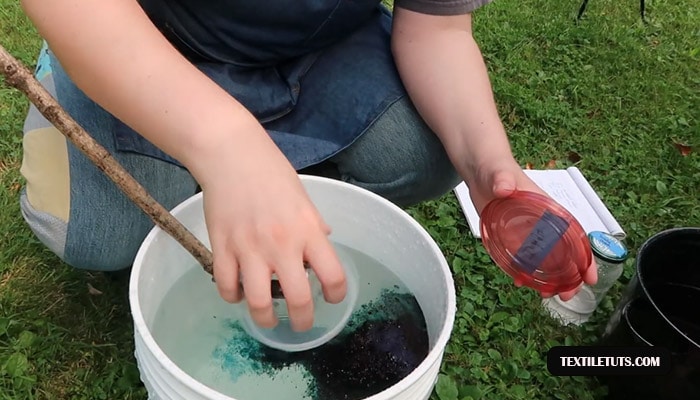
Green produces a natural, earthy tone when applied to yellow fabric. Olive and woodland green dyes yield the most consistent results on yellow textiles. These shades work particularly well on cotton and linen fabrics.
Industry practice specifies a warm water dyebath at 40–60°C (104–140°F) for green dyeing on yellow fabric. This temperature range ensures even dye absorption and consistent color development. Cold water dyeing with green on yellow fabric produces uneven, patchy results.
Purple
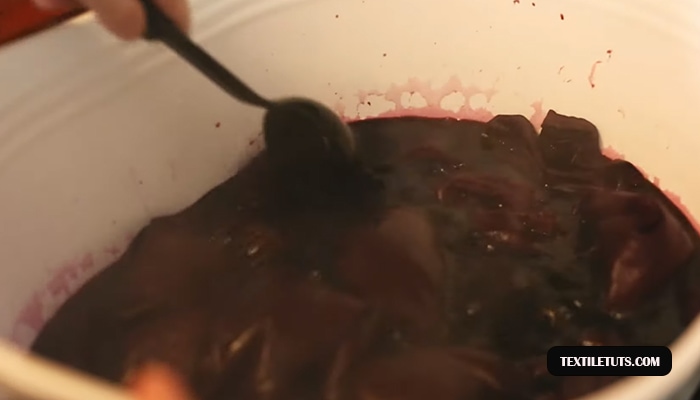
Purple dye on yellow fabric produces results ranging from light lavender to deep plum, depending on the original dye concentration and fabric preparation. Eggplant and violet dyes deliver the most predictable purple tones on yellow textiles.
The AATCC (American Association of Textile Chemists and Colorists) recommends a 45-minute fixation time at 50–65°C (122–149°F) for acid dyes on protein fibers like silk and wool. The color intensity varies with dye bath pH — acidic conditions (pH 4–6) produce deeper purple tones.
Red
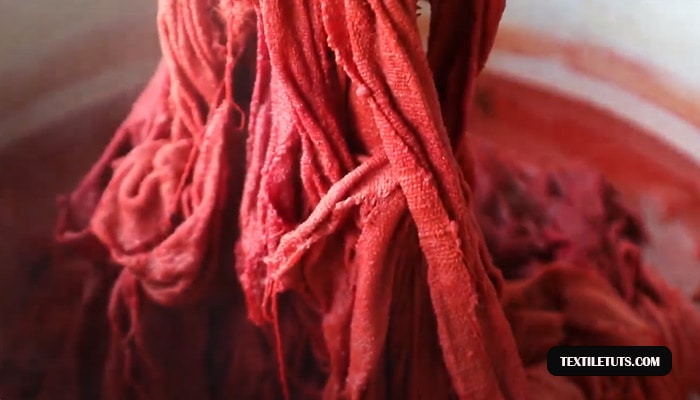
Red is the complementary color of green, not yellow. However, when red dye is applied to yellow fabric, the resulting color combinations include peach, coral, and deep red tones. Cherry and burgundy dyes produce the most vibrant red-shifted results on yellow textiles.
For fiber-reactive dyes on cotton, the standard fixation process requires 30–60 minutes at 60°C (140°F) with soda ash as the alkali agent. This process yields 60–80% dye fixation efficiency on cellulosic fibers.
Blue
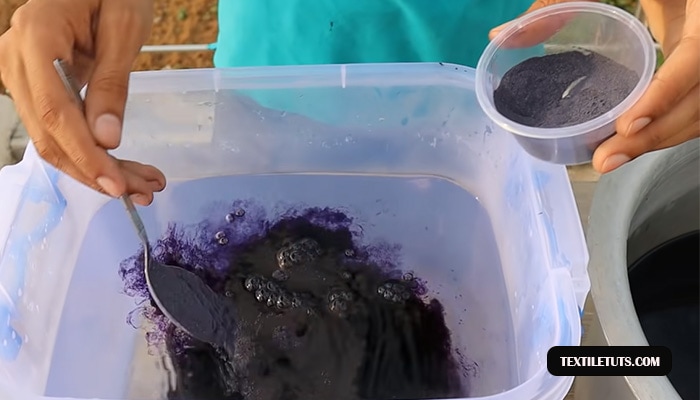
Blue and yellow are opposite colors on the RGB color wheel. When blue dye is applied to yellow fabric, the result produces greenish-blue to turquoise tones, depending on the blue dye’s composition. Navy and royal blue dyes yield the most striking results.
Nylon and silk fabrics absorb blue dye most efficiently, with absorption rates exceeding 85% at 60°C (140°F) within 45 minutes. Polyester requires disperse dye processes at 100–130°C (212–266°F) for proper blue color development.
Black
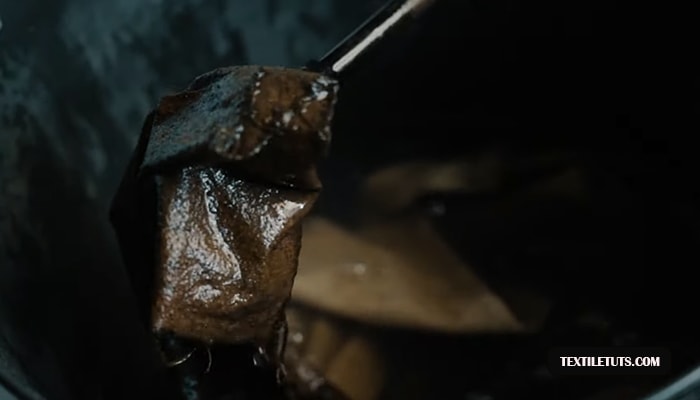
Black dye on yellow fabric produces dark olive green to gray tones, depending on the black dye’s composition and the yellow fabric’s original shade. Charcoal and jet black dyes deliver the deepest darkening effects on yellow textiles.
The textile industry specifies that black dye fixation on cotton requires a minimum of 60 minutes at 80°C (176°F) followed by a cold rinse. This process achieves a colorfastness rating of 4–5 on the AATCC gray scale for washfastness.
Orange
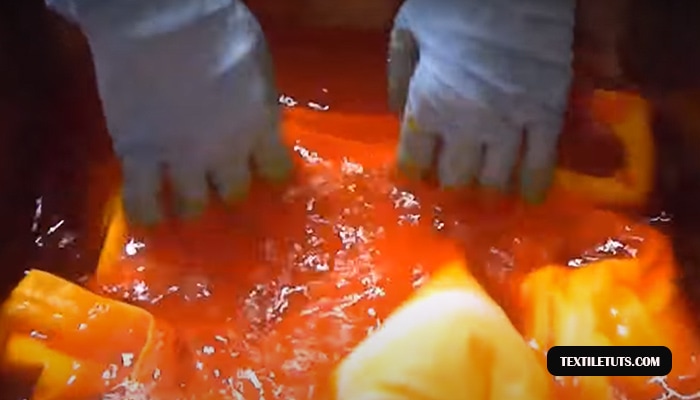
Orange is adjacent to yellow on the color wheel, making it one of the most predictable colors for dyeing yellow fabric. Orange dye on yellow fabric produces warm, saturated tones including tangerine, peach, and pumpkin shades.
Pumpkin, peach, and tangerine dyes represent 3 distinct orange hue categories based on the AATCC color system. Each category requires different dye concentrations: tangerine needs 3–5% owf (on weight of fabric), peach requires 1–2% owf, and pumpkin needs 4–6% owf.
Brown

Brown dye on yellow fabric produces rich, earthy tones ranging from light beige to dark chocolate, depending on the brown dye’s depth and the yellow base’s intensity. Cinnamon and cocoa dyes yield the warmest brown tones on yellow textiles.
According to the International Wool Textile Organisation (IWTO), brown dye absorption on wool fibers reaches optimal levels at 50–70°C (122–158°F) within a 40-minute window. Over-processing beyond this window causes dye migration and uneven tones.
Pink
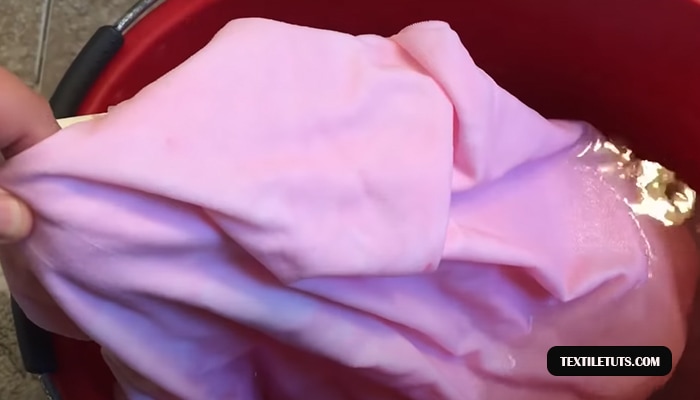
Pink dye on yellow fabric produces soft, pastel-like hues with coral or rose undertones. Fuchsia and rose dyes deliver the most consistent pink results on yellow textiles, though the resulting color is always shifted warmer than the pure pink would appear on white fabric.
Accurate pink shading on yellow fabric requires precise dye concentration control. Industry standard is 0.5–2% owf (on weight of fabric) for light pink tones, 2–4% owf for medium pink, and 4–6% owf for deep pink on cotton at 60°C (140°F) fixation temperature.
Things to Keep in Mind While Dyeing Yellow Fabric
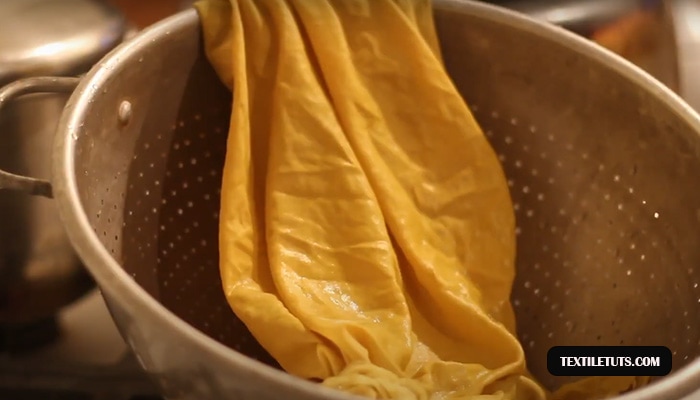
Successful yellow fabric dyeing depends on 6 key factors: fabric composition, dyeing method, preparation quality, dye type selection, safety protocols, and process temperature-time management. Each factor directly influences color yield and uniformity.
The Type of Your Fabric
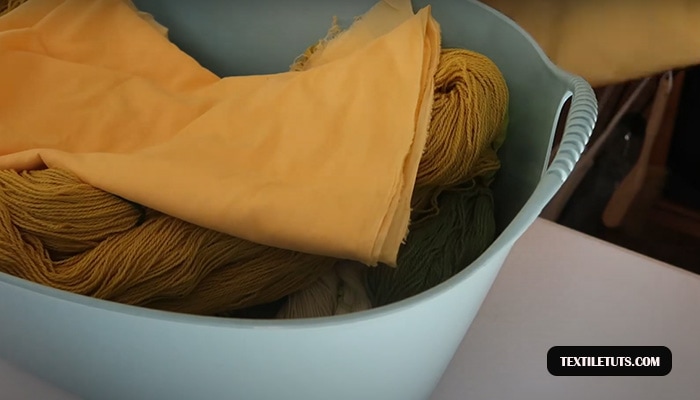
Fabric composition determines dye affinity and color yield. Cotton and silk have high absorption rates for fiber-reactive and acid dyes, achieving 70–90% dye uptake. Polyester and nylon require disperse dyes and heat-setting processes at 100–130°C (212–266°F).
| Fabric Type | Dye Required | Temperature | Time | Dye Uptake |
|---|---|---|---|---|
| Cotton | Fiber-reactive | 60°C (140°F) | 45–60 min | 60–80% |
| Silk | Acid dye | 40–60°C (104–140°F) | 30–45 min | 80–90% |
| Wool | Acid dye | 50–70°C (122–158°F) | 40 min | 75–85% |
| Polyester | Disperse dye | 100–130°C (212–266°F) | 30–45 min | 50–70% |
| Nylon | Acid/disperse | 60–80°C (140–176°F) | 35–45 min | 70–85% |
Method of Dyeing
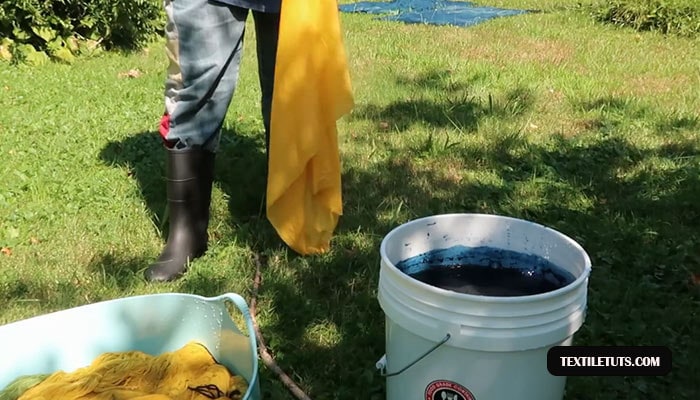
The 3 primary fabric dyeing methods each produce different outcomes on yellow fabric. Exhaustion dyeing (submersing fabric in dyebath) yields the most uniform results. Cold water soaking produces lighter, more varied tones. Jump dye (brief dips) creates gradient or ombre effects.
The exhaust method achieves 85–95% dye bath exhaustion when conducted at the correct temperature for the specific fiber type. The ISO 105-C06 standard tests for color fastness to washing uses this exhaust method as the benchmark procedure.
Know How to Get Your Fabric Prepared

Proper fabric preparation involves 3 steps: pre-washing to remove finishes and debris, soaking in water for 15–30 minutes to ensure even moisture distribution, and mordanting when required by the dye type. Unprepared fabric absorbs dye unevenly, causing patchy results.
Natural dyes and some fiber-reactive dyes require mordanting with alum (potassium aluminum sulfate) at 15% owf, or tannic acid at 2–5% owf for protein fibers. Mordanting improves color fastness by 40–60% according to the ASTM D4370 standard.
The Dye Type
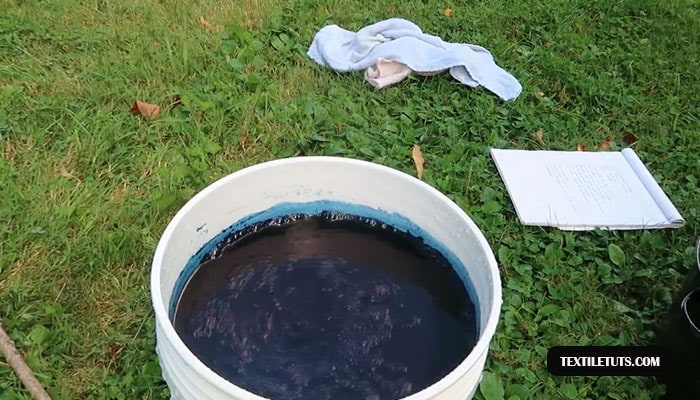
Three dye categories dominate fabric coloration: fiber-reactive dyes (cotton, 60–80% efficiency), acid dyes (protein fibers, 80–90% efficiency), and disperse dyes (synthetic fibers, 50–70% efficiency). Using the wrong dye for your fabric type results in poor color yield and washfastness.
The AATCC and ISO maintain separate test methods for each dye category. AATCC Test Method 61 provides the standard for washfastness testing across all dye types at 49°C (±2°C) for 45 minutes.
Safety Concerns
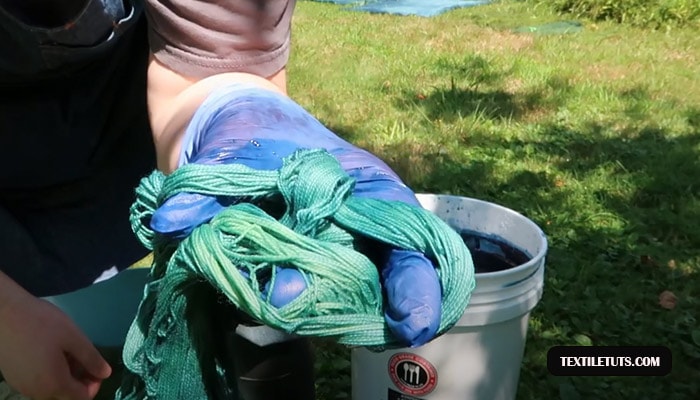
Fabric dyeing involves chemical exposure requiring protective equipment. ANSI/ISEA Z87.1-compliant safety goggles, nitrile gloves (minimum 4 mil thickness), and an apron are essential. Dye powders generate respiratory hazards — always use a dust mask when handling powdered dye.
OSHA (Occupational Safety and Health Administration) standards require adequate ventilation at 10 air changes per hour minimum in dyeing workspaces. Dyeing areas must have eye wash stations accessible within 10 seconds of travel distance per OSHA 1910.151(c).
Time and Temperature

Dyeing time and temperature directly determine color depth and uniformity. Most fabric dyeing processes follow a 30–60 minute window at 40–80°C (104–176°F) depending on fiber type. Exceeding recommended temperatures causes fiber damage; falling short produces uneven color.
The IEC (International Electrotechnical Commission) standard for textile dyeing specifies a controlled heating rate of 2–3°C per minute to reach target temperature. Rapid heating causes thermal shock, resulting in color banding or uneven dye distribution across the fabric.
Can I Use the Same Dye for Yellow Fabric and Scrubs?
The same dye product is suitable for both yellow fabric and scrubs when both materials share compatible fiber compositions. Dye scrubs for color customization works effectively when using fiber-reactive dyes for cotton scrubs or acid dyes for polyester-cotton blends. Always verify fiber content before dyeing and follow the dye manufacturer’s ratio specifications for the target fabric weight.
Bottom Line
Yellow fabric accepts a wide range of dye colors, producing distinct hues depending on the dye selected and the original yellow base. Green, orange, purple, red, blue, black, brown, and pink each produce unique color results on yellow textiles. Success depends on matching the dye type to your fabric’s fiber composition.
The dyeing process requires attention to 6 critical factors: fabric type, dyeing method, preparation quality, dye chemistry selection, safety protocols, and precise time-temperature management. When these factors align correctly, yellow fabric takes new color predictably and retains it through multiple wash cycles.
References
- American Association of Textile Chemists and Colorists (AATCC). (2024). AATCC Test Method 61-2013. https://www.aatcc.org
- International Organization for Standardization. (2022). ISO 105-C06:2010 Textiles — Tests for colour fastness. https://www.iso.org
- International Wool Textile Organisation (IWTO). (2023). IWTO Wool Dyeing Specifications. https://www.iwto.org
- U.S. Department of Labor, Occupational Safety and Health Administration. (2023). OSHA 1910.151(c) – Medical Services and First Aid. https://www.osha.gov
- Cotton Incorporated. (2024). Cotton Dyeing and Finishing Processes. https://www.cottonworks.com
- ASTM International. (2021). ASTM D4370-00(2021) Standard Test Methods for Chromic Acid in Tanning Liquors. https://www.astm.org


