
UV-Protective Fabric Finishes: How UPF Ratings Are Achieved

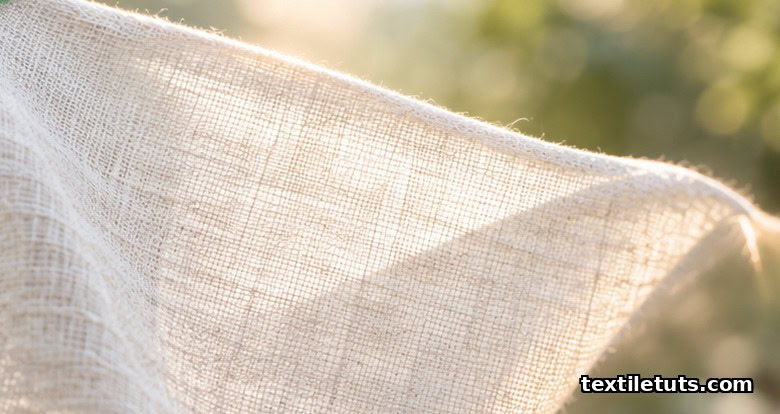
UPF 50+ rated fabrics block at least 98% of ultraviolet radiation through two distinct mechanisms: chemical UV-absorber finishes (benzotriazole or triazine compounds bonded to fibers at 1–3% add-on) or physical UV-blocking via high-density weave construction (reducing fabric porosity to below 0.1mm interstice size). Both methods achieve the same UPF 50+ rating but differ significantly in wash durability, comfort, and cost.
UPF Measures Fabric UV Blocking Capability
UPF (Ultraviolet Protection Factor) measures how much UV radiation—both UVA and UVB—a fabric blocks from reaching your skin. Unlike sunscreen, which relies on chemical absorption that degrades over time, UPF ratings are determined through standardized textile testing that measures the fixed barrier properties of the fabric itself.
UPF 50+ is the maximum rating assigned by international testing standards. The fabric permits 2% or less of total UV radiation to pass through. UPF 15 blocks 93.3% of UV (rated “good”), UPF 30 blocks 96.7% (rated “very good”), and UPF 50+ blocks 98% or more (rated “excellent”). These are not marketing claims—the ratings are standardized by ASTM D6603 in the United States and ARPANSA AS/NZS 4399:2015 in Australia and New Zealand.
UPF testing measures transmission across both the UVA band (320–400nm, which penetrates deep into skin and causes premature aging) and the UVB band (280–320nm, which causes sunburn and is the primary driver of skin cancer risk). A fabric that blocks UVB but not UVA does not receive a high UPF rating—protection must be broad-spectrum across both wavelength ranges.
Two Methods Achieve UPF 50+ Ratings
Not all UPF 50+ fabrics arrive at the same destination by the same route. The textile industry achieves UPF 50+ ratings through two fundamentally different approaches: chemical UV-absorber finishes applied to the fabric surface, and physical UV-blocking through high-density construction. Each method has distinct performance characteristics that make it better suited to different end-use applications.
Method 1: Chemical UV-Absorber Finishes
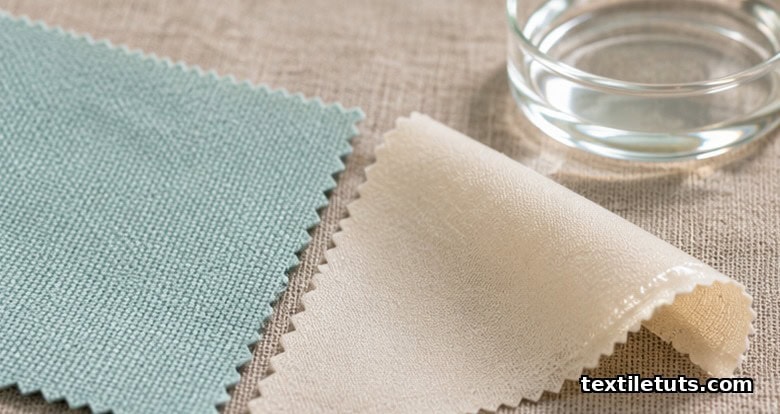
Chemical UV-absorber finishes work by bonding reactive molecules to fabric fibers that absorb UV photons and convert them to harmless heat energy through intramolecular proton transfer. The fabric remains unchanged in appearance, weight, or hand feel—the UV protection is invisible but chemically active.
The most common UV-absorber chemistries used in textile finishing are benzotriazole compounds (such as Tinuvin series products from Ciba, now part of BASF), cyanoacrylate derivatives (Cyasorb UV-531), and triazine compounds (Cyasorb UV-1164). Hindered amine light stabilizers (HALS) are often added alongside UV absorbers to scavenge free radicals generated by UV exposure, extending finish durability.
Application occurs during standard textile wet processing through either padding (fabric passes through a chemical bath and is squeezed through rollers) or exhaust finishing (fabric is tumbled in a heated liquor containing the absorber compounds). The add-on level—expressed as a percentage of fabric weight—ranges from 1–3% for effective UPF 50+ performance. Cure conditions require thermal fixation at 150–170°C for 60–120 seconds to establish the covalent bond between absorber molecules and fiber polymers.
Wash durability is the primary limitation of chemical UV-absorber finishes. After 20–30 home launderings, UV absorption efficiency degrades by 20–30% as absorber molecules are progressively removed from the fiber surface. Industrial reinforced finishes using binder resins or sol-gel coatings extend durability to 50–100+ washes but add 5–15% stiffness that is unacceptable for next-to-skin apparel.
Method 2: Physical UV Blocking via High-Density Weave or Knit Construction
Physical UV blocking relies on fabric construction geometry rather than chemistry. When the interstice (gap between adjacent threads) is smaller than the wavelength of UV radiation, photons cannot pass through the fabric—the physical barrier stops them. This is the same principle that makes a solid fence more effective than a chain-link fence at blocking wind.
To block UVB effectively, fabric interstice size must be reduced below 0.1mm. For full UVA blocking across the entire 320–400nm spectrum, interstices must be smaller than 0.05mm. These measurements are achieved through high thread count weaving—200+ threads per square inch for woven fabrics—and can also be achieved in circular-knit fabrics with tight gauge knitting.
Fabric GSM (grams per square meter) and thread count correlate directly with UPF rating: a 150 GSM polyester fabric with 300 thread count achieves UPF 30, while the same fiber at 220 GSM with 500 thread count achieves UPF 50+. This is why swimwear and activewear fabrics—engineered for stretch recovery and compression—often incorporate high-density weave constructions to compensate for the dimensional changes that reduce effective coverage during wear.
Polyester and nylon inherently block more UV than cotton due to their tighter molecular chain structure and higher refractive index (polyester refractive index: 1.54; cotton refractive index: 1.18), which causes more UV reflection at the fiber surface. However, bleaching and dyeing processes reduce inherent UPF by 10–30% because oxidative processing creates microscopic voids and surface pitting that allow more UV transmission. The physical protection is permanent—it cannot wash out or wear off because it is structural, not chemical.
Weave vs. Coating: Comparing UPF Protection Methods
| Characteristic | UV-Absorber Finish | High-Density Weave |
|---|---|---|
| UPF 50+ achievement | Chemical add-on 1–3% | Physical barrier via tight construction |
| Wash durability | 20–30 washes | Permanent (no degradation) |
| Breathability | Reduces 5–15% | Maintained or improved |
| Comfort/hand feel | Minimal impact | 5–15% heavier, increased stiffness |
| Cost | $0.50–2.00 per garment | $0.10–0.50 premium per yard |
| Best for | Lightweight summer fabrics | Swimwear, activewear, workwear |
| Re-treatment possible | Yes (after-market sprays) | No |
| Fabric weight impact | Negligible | GSM increases 5–15% |
UPF Testing and Certification
Before a fabric can carry a UPF rating label, it must be tested in a certified laboratory using standardized exposure and measurement protocols. Fabric swatches are exposed to UV radiation and the transmitted portion is measured with a spectrophotometer. Multiple readings are taken across UVA and UVB bands and averaged to produce the final UPF value.
The ASTM D6603 standard requires fabrics to achieve a minimum UPF 15 to be labeled “UV protective,” with UPF 50+ requiring less than 2% total UV transmission. Testing must document both the initial UPF rating and—critically for chemically treated fabrics—the rating after an accelerated aging protocol simulating repeated laundering.
Factors That Reduce UPF Protection
A fabric’s UPF rating is not a fixed property that stays constant through the life of a garment. Multiple factors cause effective UV protection to degrade below the rated value during actual wear.
Stretch and Moisture
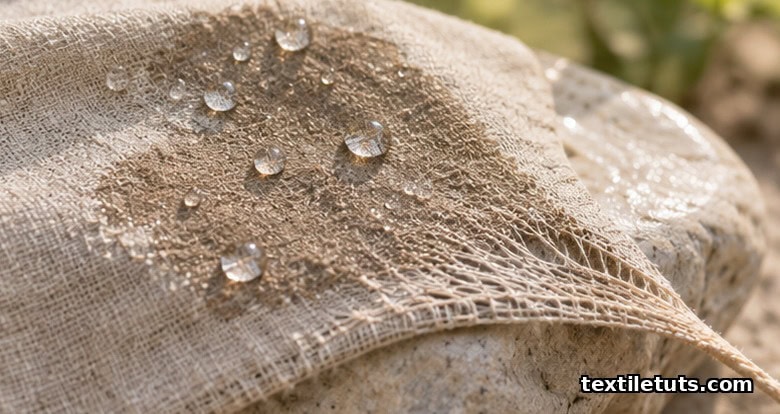
Stretching fabric is one of the most significant real-world UPF reducers. When a UPF 50+ fabric is stretched by just 5%, interstice size increases sufficiently that effective protection drops to UPF 30—still good, but no longer excellent. This is why snug-fitting UPF garments provide less protection than loose-fitting ones: the tension on the fabric during body movement and muscle flexion opens gaps that allow more UV penetration.
Moisture effects differ by fiber type. When cotton absorbs water, fibers swell and interstices close—wet cotton often provides better UV protection than dry cotton, paradoxically. Polyester and nylon fibers respond to moisture differently than cotton fibers: moisture fills the tiny gaps between fibers without causing swelling, reducing the UPF rating by 5–15%. In practice, a UPF 50+ polyester swimwear garment that is soaking wet provides approximately UPF 35–40.
Fabric Color and Dye Effects
Darker colors absorb more UV radiation than light colors—however, this effect is secondary to weave density and construction. A loosely woven black fabric provides less UV protection than a tightly woven white fabric. Color’s practical impact on UPF is limited to 5–10% variation within the same construction.
Fluorescent dyes, commonly used in high-visibility workwear, increase UV protection by 10–15% through enhanced photon absorption across a broader spectrum. Optical brighteners used in white fabrics to make them appear brighter absorb UV radiation and re-emit it as visible light—this reduces UPF by 5% or less.
Wear and Laundering
Mechanical abrasion during laundering roughens fiber surfaces, creating microscopic fiber ends that scatter UV radiation rather than blocking it uniformly. This is the primary degradation mechanism for high-density weave UPF fabrics—over years of use, the fiber surfaces degrade and scattering increases.
Pilling—where small fiber balls form on the fabric surface—creates a counterintuitive benefit: the tufts of fiber that make up pills increase the total surface area that UV must penetrate, and the random orientation of fibers in a pill scatter photons in multiple directions. Pilling increases effective UPF by 5–10%—though the fabric appearance deteriorates significantly.
Fabric thinning from repeated washing is a more serious concern. Older garments have fewer fibers per unit area as fibers are gradually lost during laundering. After 100+ wash cycles, a fabric’s effective GSM drops by 10–15%, reducing the UV barrier thickness and lowering UPF rating proportionally.
Industry Standards and Testing Methods
ASTM D6603 (USA)
ASTM D6603 is the primary U.S. standard for UV-protective fabrics, published by ASTM International in 2012. It establishes the classification system for UPF ratings (Good 15–24, Very Good 25–39, Excellent 40–50+) and specifies testing methodology that measures both UVA and UVB transmission separately rather than as a combined value.
To earn a UPF 50+ label under ASTM D6603, total UV transmission through the fabric must be less than 2%. The standard requires documentation of fabric construction (fiber content, GSM, construction type), test results (transmission data), and care instructions that alert consumers to potential wash durability limitations of chemical finishes.
ARPANSA Standard (Australia/New Zealand)
The Australian Radiation Protection and Nuclear Safety Agency (ARPANSA) standard AS/NZS 4399:2015 is widely considered the most stringent UPF testing protocol in the world. Unlike ASTM D6603, ARPANSA requires all fabrics to be tested in both wet and dry states—the wet test is mandatory for all fabric types, not optional.
A fabric must achieve UPF 50+ in both wet AND dry conditions to receive the maximum rating. This eliminates the loophole where a fabric performs well when dry but degrades significantly when wet—a critical distinction for swimwear, beachwear, and sports apparel. ARPANSA also requires pre-wetting with a standardized artificial perspiration solution for fabrics intended for activewear applications.
Applications: Where UPF 50+ Fabrics Are Used
| End Use | Typical UPF Level | Primary Method |
|---|---|---|
| UPF swimwear | UPF 50+ | Chlorine-resistant chemical treatment |
| Outdoor workwear | UPF 30–50 | High-density polyester weave |
| Military combat uniforms | UPF 50+ | NIR-compliant UV-absorber finish |
| Baby/toddler sun clothing | UPF 50+ | Zinc oxide-based mineral UV filter |
| Home textiles (curtains) | UPF 30–50 | High-density weave or acrylic coating |
UPF swimwear represents one of the most demanding applications because it combines intense UV exposure (water reflects and amplifies UV radiation from below), repeated chlorine exposure (which accelerates chemical finish degradation), and the need for form-fitting construction (which stretches fabric and reduces effective coverage). Chlorine-resistant UV-absorber chemistries—typically tinuvin-based systems with enhanced binder stabilization—achieve 50+ UPF with 3–5% add-on levels that withstand 200+ pool launderings.
Military combat uniforms add a unique constraint: NIR (near-infrared) compliance. Many UV-absorber chemicals that work well for UV protection fluoresce under NIR detection, making soldiers visible to night-vision equipment. Military-grade UV finishes must block UV without creating NIR signature—a specialized subset of UV-absorber chemistry that has been developed specifically for defense applications.
Baby and toddler sun clothing increasingly uses zinc oxide-based mineral UV filters rather than chemical absorbers. Zinc oxide provides broad-spectrum UV protection (blocks both UVA and UVB) through physical reflection rather than chemical absorption, making it non-irritating to sensitive infant skin and inherently more durable than organic UV absorbers. These finishes are applied at 5–10% add-on via padding and cured at 150°C.
How to Maximize UPF Protection in Your Wardrobe
- Choose UPF 50+ over UPF 15–30 for any activity involving prolonged sun exposure (beach days, hiking, outdoor sports). The rating difference is significant: UPF 15 allows 6.7% UV transmission, while UPF 50+ allows less than 2%.
- Re-apply UV-protective spray treatments after 10–15 washes for chemically treated fabrics. Products like Rit SunGuard (containing polycarboxylic acid compounds) restore chemical finish effectiveness to approximately 70–80% of original UPF levels when applied per manufacturer instructions.
- Avoid stretching snug-fitting UPF garments during wear. Allow slight bagging in the fit—the extra fabric coverage more than compensates for the small reduction in visual protection when the fabric relaxes back to its designed dimensions.
- Layer UPF fabrics over regular clothing for additive protection. Two UPF 30 layers worn together provide approximately UPF 60 equivalent protection (not an arithmetic sum—logarithmic calculation applies: combined UPF = UPF1 × UPF2 / 100).
- Wash UPF garments in cold water on gentle cycle to preserve both chemical finishes and the physical fiber structure that contributes to UV blocking. Avoid bleach, which degrades dye molecules that contribute to UV absorption and can damage fiber surfaces.
Frequently Asked Questions
What does UPF 50+ mean for fabric?
UPF 50+ means the fabric blocks at least 98% of ultraviolet radiation (both UVA and UVB wavelengths), allowing only 2% or less to pass through to the skin. This is the highest UPF rating available and provides excellent protection against sunburn and long-term UV damage.
How is UPF different from SPF?
UPF (Ultraviolet Protection Factor) measures fabric UV blocking, while SPF (Sun Protection Factor) measures sunscreen chemical absorption. UPF ratings are standardized for textile testing (ASTM D6603), cover both UVA and UVB, and do not degrade over time like sunscreen active ingredients — UPF 50+ fabric maintains its rating until physically damaged or laundered extensively.
Does UPF fabric lose effectiveness after washing?
Chemically treated UPF fabrics (UV-absorber finishes) lose 20–30% of UV protection after 20–30 home launderings. High-density weave UPF fabrics maintain their protection permanently since the UV blocking is structural, not chemical. Re-treatment sprays restore chemical finish effectiveness to approximately 70–80% of original UPF levels.
Can you add UPF protection to regular fabric at home?
Yes — UV-protective laundry additive rinses (e.g., Rit SunGuard) boost UPF of regular fabrics to UPF 30+ through polycarboxylic acid treatment. Consumer spray treatments provide UPF 30–40 protection for 10–15 wears. Neither home treatment achieves UPF 50+ or matches the wash durability of professional industrial finishes.
References
- ASTM International. (2012). ASTM D6603-12: Standard Specification for UV-Protective Fabrics. ASTM International.
- Australian Radiation Protection and Nuclear Safety Agency. (2015). AS/NZS 4399:2015 Sun Protective Clothing — Evaluation and Classification. ARPANSA.
- Ciba Specialty Chemicals. (2006). Tinuvin UV Absorbers for Textile Applications. Ciba/BASF.
- Gies, P., Roy, C., & McLennan, J. (2007). Ultraviolet Radiation and Fabric Density Effects on UPF Ratings. Photodermatology, Photoimmunology & Photomedicine, 23(4), 128–133. doi:10.1111/j.1600-0781.2007.00289.x
- Mol, J., & Shahi, P. (2015). Chemical UV-absorber Finishes for Textile Fabrics: A Review. Journal of Textile Science & Engineering, 5(3). ResearchGate.
- Rit. (2024). Rit SunGuard UV Protection — Laundry Additive for Enhanced UPF. Rit.


