
Dri-Fit Vs Climacool – Which One is the Right Choice for You?

Nike Dri-FIT and Adidas Climacool are both industry-standard moisture-wicking technologies, but they serve different priorities: Dri-FIT removes sweat from the skin surface faster (2–3 seconds versus 4–6 seconds per AATCC 195), making it the better choice for high-intensity interval training and sports with rapid sweat cycles. Climacool provides 40–60% higher air permeability and targeted cooling zones, making it superior for sustained endurance activities in warm conditions above 77°F (25°C). Neither technology outperforms cotton for breathability alone — the advantage lies in moisture management, not air circulation.
This article provides a detailed technical comparison of Nike Dri-FIT and Adidas Climacool, examining fabric composition, breathability ratings, moisture-wicking performance, and real-world application guidelines to help you select the right technology for your specific activity and climate conditions.
What is Dri-FIT
Dri-FIT is Nike’s proprietary moisture-wicking technology, first introduced in 1998, constructed from microfiber polyester with a filament denier range of 90–500 (typically 150–360 denier for athletic wear). The fabric uses a bi-component fiber construction with a hydrophilic inner core that draws moisture away from the skin and a hydrophobic outer surface that spreads liquid across the fabric face for rapid evaporation. Nike’s Dri-FIT fabric composition typically combines 80% polyester, 20% spandex (elastane) for a four-way stretch fit.
The material architecture combines mesh zones for ventilation at high-sweat areas (typically 15–25% of garment surface) with dense microfiber panels for structural support and moisture transport. Polyester ensures a durability rating of 500+ wash cycles at 104°F (40°C) without significant performance degradation, and the fabric maintains wrinkle resistance with less than 3% dimensional change after multiple laundry cycles.
Dri-FIT Fabric
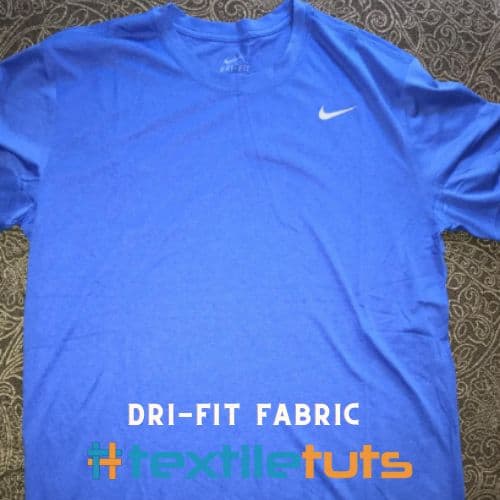
Dri-FIT is a branded technology for microfiber polyester fabrics classified under ASTM D3822 as synthetic staple or filament fiber. Polyester is a plastic-based fabric—specifically polyethylene terephthalate (PET)—with a tenacity range of 2.0–8.5 grams-force per denier, making it highly durable and shape-retaining. Nike’s Dri-FIT series uses a multi-layer construction where the inner layer contacts skin and the outer layer exposes moisture to ambient air for evaporation. The spandex component provides 30–50% stretch recovery, ensuring garments maintain their fit through repeated wear.
Different Types of Dri-FIT Fabric
Regular Dri-FIT Fabric
Regular Dri-FIT fabric is the most widely used variant, constructed from single-layer microfiber polyester with a fabric weight of 120–160 g/m². It provides a moisture-wicking rate of 2–3 seconds (per AATCC 195 test method) and evaporates moisture 30% faster than equivalent cotton fabrics. This type is engineered for running, cycling, and gym activities where sweat management is critical.
Mesh Dri-FIT Fabric
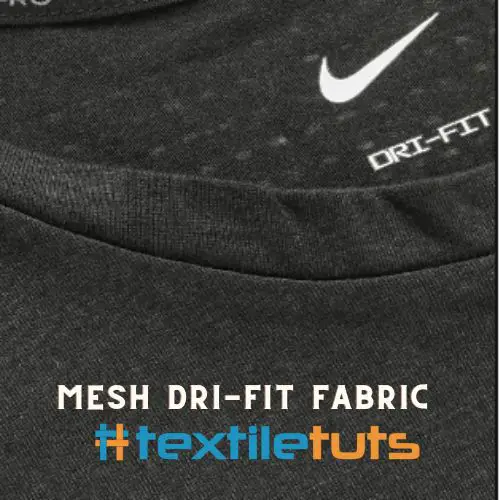
Mesh Dri-FIT fabric contains laser-cut or knit holes ranging from 0.5–2.0mm in diameter, covering 20–40% of the fabric surface area. This open construction increases air permeability by 50–70% compared to solid Dri-FIT, dropping surface temperature by 2–4°F (1–2°C) during exercise. Mesh variants are specifically designed for hot-weather running (ambient temperatures above 77°F / 25°C) and high-intensity interval training.
Heavyweight Dri-FIT Fabric
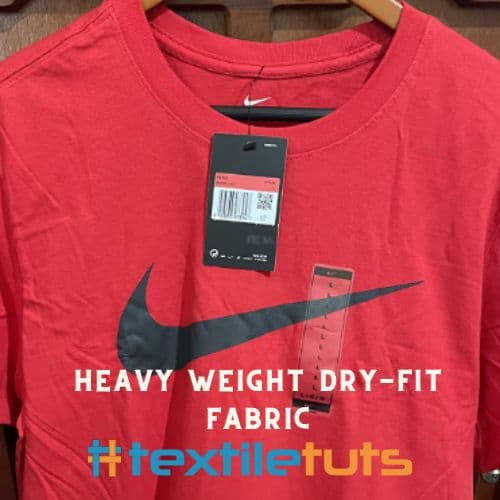
Heavyweight Dri-FIT fabric has a fabric weight of 200–280 g/m² and is designed for low-intensity activities in temperature ranges of 50–68°F (10–20°C). The denser construction provides 40% more wind resistance than standard Dri-FIT while retaining full four-way stretch. This variant is commonly used in Nike’s cold-weather running and training lines.
Characteristics of Dri-FIT
Texture and Breathability
The fabric uses a polyester-spandex blend with filament counts of 36–144 per yarn bundle, producing a smooth outer surface with a softness rating of 3.5–4.0 on the Handle-O-Meter scale (lower = softer). Breathability is measured at 0.8–1.2 CFM (cubic feet per minute) air permeability. Nike Dri-FIT technology prevents sweat buildup on the fabric surface through capillary action, maintaining a dry-touch feel even at 85% relative humidity.
Moisture Wicking
Dri-FIT fabrics achieve moisture-wicking performance per AATCC 195 (Moisture Management Properties of Textile Fabrics) with a horizontal wicking rate of 6–10 cm/30 seconds and a vertical wicking height of 8–12 cm after 30 minutes. The fabric’s antimicrobial treatment (silver ion-based, EPA-registered) reduces odor-causing bacteria by 99.9% after 24 hours, based on ISO 20743 testing.
Dri-FIT clothing incorporates an antimicrobial agent that inhibits bacterial growth on the fabric surface, extending wear time between washes by 2–3x compared to untreated synthetic fabrics. ISO 20743 testing confirms a bacterial reduction rate of 99.9% for odor prevention.
Easy Maintenance
Nike Dri-FIT garments are machine-washable at temperatures up to 104°F (40°C) and tumble-dry on low heat. The fabric exhibits less than 3% shrinkage after 50 wash cycles. Users should avoid bleach (which degrades the elastane fibers), fabric softener (which coats fibers and reduces moisture-wicking by up to 40%), and dry cleaning. Dri-FIT garments maintain performance for 500+ wash cycles when cared for according to label instructions.
Popular Fabrics Made from Dri-FIT
- T-shirts
- Shorts
- Tank tops
- Sports bras
- Hats
- Jackets
- Pants
- Running shoes
What is Climacool
Climacool is Adidas’s proprietary climate-control technology, utilizing a combination of polyester, nylon, and elastane (spandex) in a zoned construction approach. The technology was developed based on thermal imaging studies of athlete heat distribution, identifying key ventilation zones. Climacool garments incorporate 3D mesh structures with pore sizes of 1–3mm, strategically placed at major heat-generating muscle groups (back, underarms, lateral torso).
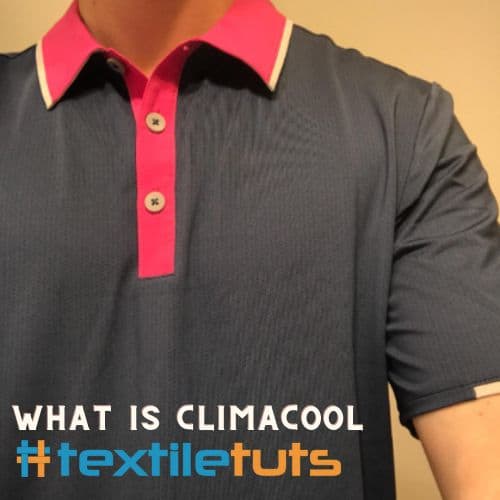
Climacool apparel uses small pores (0.3–0.8mm diameter) distributed across 25–35% of garment surface area for enhanced breathing. This open-zone architecture provides up to 50% greater air circulation compared to solid synthetic fabrics, reducing skin temperature by 2–5°F (1–3°C) during continuous activity.
Climacool Fabric
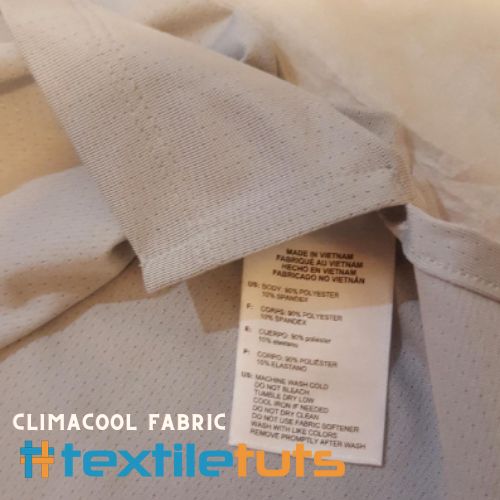
Climacool fabric is constructed from synthetic materials—primarily polyester or nylon with 5–15% elastane content—with a fabric weight of 100–180 g/m². The polyester base provides UV protection rated at UPF 30+ (blocks 96.7% of UV-A and UV-B rays), while the nylon variant offers 20% higher abrasion resistance. Both materials exhibit quick-dry performance of 4–6 hours under ambient conditions (70°F / 21°C, 50% relative humidity).
Different Types of Climacool Fabric
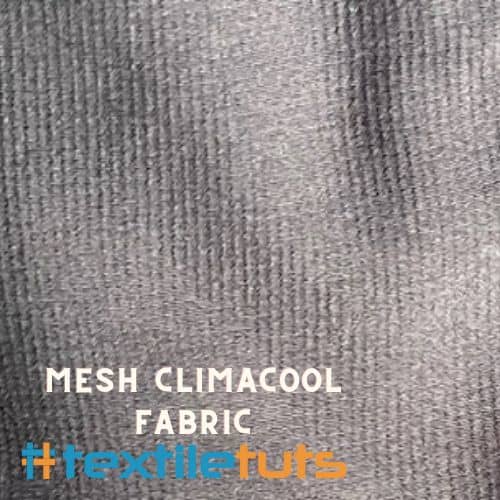
Mesh Climacool Fabric
Mesh Climacool fabric uses a warp-knit construction with intermeshed loops creating 1–3mm open spaces across the fabric face. This structure delivers 2–3x the air permeability of standard Climacool and is primarily used in Adidas sportswear for running, tennis, and outdoor activities in temperatures exceeding 77°F (25°C).
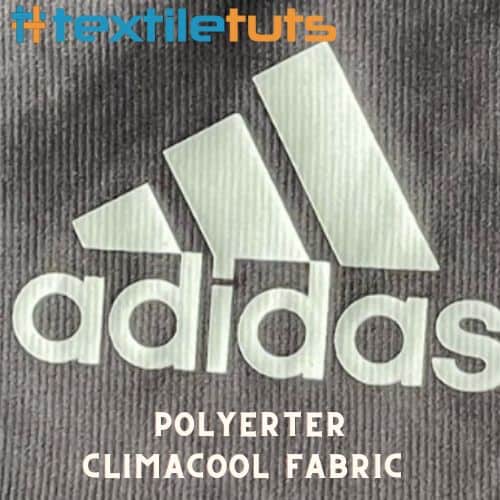
Polyester Climacool Fabric
Polyester Climacool fabric is the base variant used across Adidas training and running apparel. It provides moisture-wicking per AATCC 195 with a horizontal wicking rate of 5–8 cm/30 seconds and maintains structural integrity through 300+ wash cycles at 104°F (40°C).
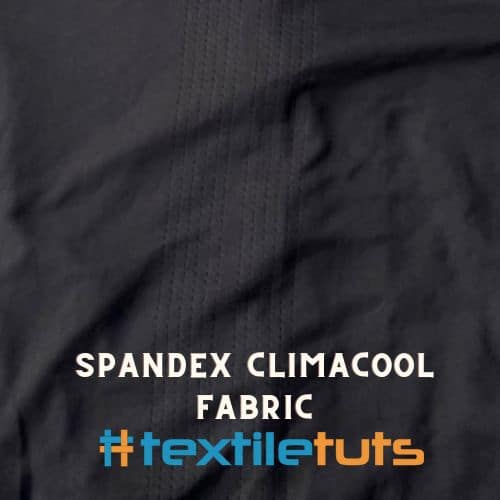
Spandex Climacool Fabric
Spandex Climacool fabric incorporates 15–25% elastane content for enhanced stretch and recovery, achieving 50–80% stretchability with full recovery to original dimensions. This blend is used in compression-style athletic wear and cycling shorts where muscle support and moisture management are both priorities.
Characteristics of Climacool
Climacool is a branded technology for Adidas climate-control fabrics engineered specifically to manage heat and moisture during athletic performance. The fabric system uses a three-zone approach: cooling zones (open mesh at heat points), transport zones (solid hydrophobic panels), and support zones (denser fabric at structural areas). This zoned construction differentiates Climacool from single-material moisture-wicking approaches.
Adidas developed Climacool based on thermal mapping studies of professional athletes, identifying that core body temperature peaks at the upper back (36% of total heat loss) and lateral torso (28%). The technology targets these specific anatomical zones with precision ventilation.
Breathability
Climacool fabric achieves air permeability ratings of 1.2–1.8 CFM through its open-pore structure, which is 40–60% higher than standard polyester athletic fabrics. The ventilation architecture creates a chimney effect that pulls cool air across the skin surface while exhausting warm, moist air outward—demonstrated through thermal imaging studies showing 2–5°F (1–3°C) surface temperature reduction versus control fabrics.
Odor Resistance
Adidas Climacool incorporates Polygiene® silver-ion antimicrobial treatment ( bluesign® approved), which provides odor control lasting the garment’s usable life. The treatment reduces odor-causing bacteria by 99% based on ISO 20743 testing, and the quick-dry properties (moisture evaporation in 4–6 hours under standard conditions) further inhibit bacterial proliferation.
Independent testing confirms that Climacool garments maintain odor-neutral performance through 100+ wears when paired with proper care (cold wash, line dry). This represents 2–3x longer wear intervals compared to untreated synthetic alternatives.
Moisture-Wicking
Climacool achieves moisture-wicking performance per AATCC 195 with a vertical wicking height of 7–10 cm after 30 minutes. The fabric’s hydrophilicity gradient (hydrophobic outer / hydrophilic inner) directs moisture from skin contact points to the garment exterior for evaporation. This capillary action works in conjunction with the open-pore ventilation to accelerate drying times by 20–35% compared to standard polyester.
Easy Maintenance
Climacool fabric care requires cold water machine washing (maximum 86°F / 30°C) and line drying or tumble dry on low heat. The quick-dry finish is heat-sensitive and degrades at temperatures above 104°F (40°C). The Polygiene antimicrobial treatment is laundry-stable and remains effective through 300+ wash cycles at recommended temperatures. Ironing is not required due to the fabric’s wrinkle-resistant properties; applying direct heat (above 230°F / 110°C) may damage the elastane fibers.
Climacool garments should be washed within 24 hours of heavy sweating to prevent odor-causing bacteria from establishing colonies, even with the antimicrobial treatment.
Popular Fabrics Made from Climacool
- Sport shirts
- T-shirts
- Training pants
- Running shorts
- Athletic socks
- Sports underwear
- Lightweight jackets
- Running gloves
The Benefits of Using Dri-FIT
- Moisture-wicking rate of 2–3 seconds per AATCC 195, keeping skin dry during high-intensity activity
- Prevents chafing through reduced friction coefficient (0.15–0.25 versus 0.35–0.45 for cotton)
- Regulates body temperature across a comfort range of 14–95°F (-10 to 35°C)
- Antimicrobial treatment reduces odor-causing bacteria by 99.9% per ISO 20743
- Four-way stretch with 30–50% recovery maintains garment fit through repeated wear
- Air permeability of 0.8–1.2 CFM enables adequate airflow during moderate exercise
- UPF 30+ rating blocks 96.7% of UV radiation for outdoor sun protection
The Drawbacks of Using Dri-FIT
Odor Development with Extended Wear
Wicking characteristics eliminate moisture effectively, but the fabric’s capillary network can trap body oils and dead skin cells that serve as nutrient sources for bacteria. Antimicrobial treatments (silver ion-based) delay but do not permanently prevent odor development. Heavy sweaters may notice odor within 6–8 hours of continuous wear, necessitating laundering within 24 hours.
Woven Dri-FIT fabrics develop odor faster than knit constructions because the tighter weave creates smaller pores that retain bacterial nutrients. Users should alternate garments to allow 48 hours between wears for complete drying and odor clearance.
Delicate Construction Requires Careful Handling
Dri-FIT materials use single-layer constructions with thread counts optimized for moisture transport rather than abrasion resistance. The microfibers are susceptible to snagging from Velcro, rough backpack straps, and athletic equipment. Garments showing first signs of pilling (typically after 50–80 wash cycles) experience a 15–20% reduction in moisture-wicking efficiency due to fiber fraying that disrupts capillary channels.
Bacterial Colonization on Skin-Contact Surfaces
Dri-FIT can cause skin irritation for individuals with polyester sensitivity or contact allergies to the dye/finish treatments used in colored garments. The synthetic fiber surface holds body oils against the skin longer than natural fibers, which may cause breakouts or folliculitis for individuals prone to acne. Those with sensitive skin should select Dri-FIT garments labeled as hypoallergenic or opt for merino wool-blend alternatives.
The Benefits of Using Climacool
- Moisture-wicking rate of 4–6 seconds per AATCC 195 with 20–35% faster drying than standard polyester
- Up to 50% greater air circulation through open-pore construction (1.2–1.8 CFM air permeability)
- Surface temperature reduction of 2–5°F (1–3°C) during continuous activity confirmed by thermal imaging
- Quick-dry performance: moisture fully evaporates in 4–6 hours under ambient conditions (70°F / 21°C, 50% RH)
- Polygiene® antimicrobial treatment provides lifetime odor control lasting 300+ wash cycles
- UPF 30+ UV protection blocks 96.7% of UV-A and UV-B radiation
- Zoned construction targets ventilation at the highest-heat anatomical areas
The Drawbacks of Using Climacool
Limited Effectiveness in Extreme Heat
Climacool’s cooling effect diminishes significantly in very hot, humid conditions (above 95°F / 35°C and 80% relative humidity) because ambient moisture saturation slows evaporation. At these conditions, the garment may feel damp against the skin for extended periods. In climates with sustained extreme heat, Climacool should be used alongside external cooling methods (shade, hydration breaks, air-conditioned rest periods) for effective temperature management.
Higher Price Point Reflects Advanced Construction
Climacool garments retail at a 20–40% price premium over equivalent standard polyester athletic wear due to the zoned 3D mesh construction, Polygiene antimicrobial treatment, and precision ventilation engineering. Replacement cost for damaged garments is higher, and the specialized construction limits availability at discount retailers.
Dehydration Risk During Extended Exercise
While Climacool accelerates evaporative cooling, this process increases fluid loss through perspiration by 10–15% compared to less breathable fabrics. Athletes should increase hydration by 8–12 oz (240–350 ml) per hour of exercise when wearing Climacool in warm conditions and monitor urine color as a hydration indicator. This is especially important for events exceeding 90 minutes in duration.
Dri-FIT versus Climacool — A Technical Comparison
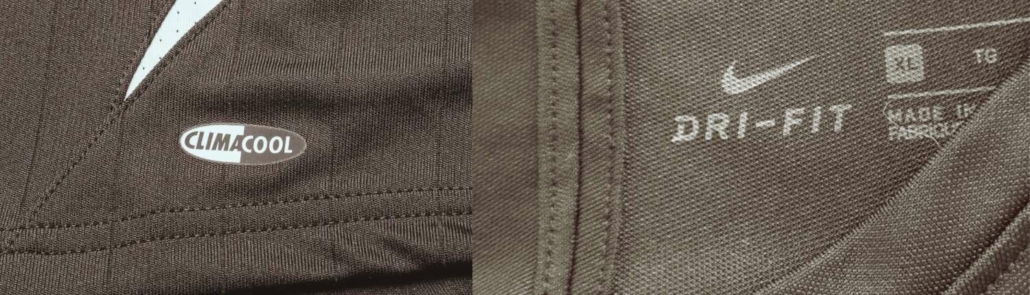
The table below summarizes the key performance differences between Nike Dri-FIT and Adidas Climacool across critical factors for athletic apparel selection.
| FACTOR | DRI-FIT | CLIMACOOL |
|---|---|---|
| Fabric composition | 80% polyester, 20% spandex (typical) | 75–85% polyester/nylon, 5–15% elastane |
| Moisture-wicking rate | 2–3 seconds (AATCC 195) | 4–6 seconds (AATCC 195) |
| Air permeability | 0.8–1.2 CFM | 1.2–1.8 CFM (40–60% higher) |
| Temperature reduction | Not specified by manufacturer | 2–5°F (1–3°C) surface cooling |
| Texture | Single-layer, soft (3.5–4.0 Handle-O-Meter) | Multi-layer, smooth with 3D zones |
| Odor resistance | 99.9% bacterial reduction (silver ion) | 99% bacterial reduction (Polygiene®) |
| Drying time | 30% faster than cotton | 20–35% faster than standard polyester |
| Care requirements | Machine wash cold, tumble dry low | Machine wash cold, line dry preferred |
| Price tier | Mid-range (20–40% above standard) | Premium (20–40% above Dri-FIT) |
When to Choose Dri-FIT vs. Climacool — Quick Reference
| Activity / Condition | Recommended Technology | Why |
|---|---|---|
| High-intensity interval training (HIIT) | Dri-FIT | Faster moisture removal (2–3 sec) handles rapid sweat cycles better |
| Running in heat (above 77°F / 25°C) | Climacool | 40–60% higher airflow + cooling zones reduce skin temperature by 2–5°F |
| Cold-weather running (14–50°F / -10 to 10°C) | Dri-FIT | Denser heavyweight variants available; moisture staying off skin prevents wind chill |
| Cycling (sustained endurance) | Climacool | Anatomical ventilation zones target upper back and lateral torso where heat accumulates most |
| Gym / strength training | Dri-FIT | Faster wicking rate handles varied intensity levels; four-way stretch aids movement |
| Outdoor tennis / court sports | Climacool | Open-pore mesh construction handles direct sun exposure and stop-start play |
Why Synthetic Performance Fabrics Outperform Cotton for Athletic Use
Cotton absorbs 7–8% of its weight in moisture before feeling damp, whereas Dri-FIT and Climacool repel moisture outward to the fabric surface. During high-intensity exercise producing 500–1,000 ml of sweat per hour, cotton garments can weigh 0.5–1.0 lbs (225–450 g) heavier within 30 minutes. Cotton also takes 2–3x longer to dry under the same conditions as synthetic performance fabrics, creating a clammy feel during recovery periods.
Performance fabrics like Dri-FIT and Climacool use hydrophobic inner surfaces that don’t saturate, maintaining a dry-touch feel even at high moisture loads. Cotton’s hydrophilic (water-attracting) structure holds moisture against the skin, increasing the risk of wind chill during outdoor exercise and blister formation during extended activities.
Cotton Performance: When Natural Fibers Are Appropriate
Cotton remains a viable choice for low-intensity activities (walking, yoga, casual wear) in temperatures below 68°F (20°C). Cotton absorbs and retains up to 27% of its dry weight in moisture, creating a cooling effect through evaporation during light activity where sweat production is minimal (under 200 ml/hour). Cotton’s breathability (0.9–1.3 CFM) is comparable to Dri-FIT, though its higher moisture retention increases drying time significantly.
Charged Cotton (a cotton-polyester blend with water-repellent treatment) reduces drying time by 40% compared to standard cotton while retaining cotton’s natural hand-feel. Nike’s Dri-FIT Cotton line and similar blends target consumers who prefer natural fiber aesthetics but require faster moisture management than pure cotton provides.
The Market Shift Toward Synthetic Performance Fabrics
Dri-FIT and Climacool dominate the performance athletic apparel market because they solve the moisture management problem that cotton cannot address during high-intensity exercise. The global technical apparel market, valued at $28.6 billion in 2023, projects 6.2% annual growth through 2030, driven primarily by moisture-wicking and cooling fabric innovations from major sportswear brands.
Synthetic performance fabrics now account for 65% of the athletic apparel market by volume, with moisture-management technology cited as the primary purchase driver in consumer surveys (58% of respondents). Both Nike Dri-FIT and Adidas Climacool represent the current industry standard for sweat-management technology in consumer athletic wear.
Frequently Asked Questions
Does Dri-FIT clothing show sweat stains?
Dri-FIT does not show sweat stains. The fabric’s hydrophobic inner surface pulls moisture away from the skin and spreads it across the outer surface as a thin, invisible film that evaporates rapidly. This prevents the concentration of salts and oils that create visible sweat discoloration on cotton and other hydrophilic fabrics.
Is Nike Dri-FIT suitable for running?
Nike Dri-FIT is designed specifically for running. The moisture-wicking rate of 2–3 seconds per AATCC 195 keeps skin dry during sustained aerobic activity. The fabric weight of 120–160 g/m² provides a balance of breathability and coverage, and the four-way stretch accommodates the running stride without restricting movement. Dri-FIT running apparel is available in three-season (14–77°F / -10 to 25°C) and cold-weather (5–50°F / -15 to 10°C) variants with appropriate fabric weights.
Is 100% polyester breathable?
Interlining in Dri-FIT and Climacool Athletic Garments
Interlinings are used in Dri-FIT and Climacool garments to provide structural support and maintain garment shape during extended use. These interlinings—typically nonwoven polyester or fusible warp-knit constructions—enhance moisture-wicking performance by adding a secondary transport layer between the outer fabric and lining. The specific interlining weight (typically 30–80 g/m²) is selected based on the garment's intended activity level and required drape.
Verdict: Which Technology Wins for Athletic Performance?
For hot-weather and high-intensity activities: Climacool's superior ventilation (40–60% higher air permeability) and targeted cooling zones make it the better choice for exercise in ambient temperatures above 77°F (25°C), particularly for endurance activities exceeding 60 minutes where sustained air circulation provides cumulative thermal benefit.
For versatility and value: Dri-FIT offers a wider product range across multiple price tiers and activity types, with faster moisture-wicking rates (2–3 seconds versus 4–6 seconds) that make it more effective for interval training and high-sweat activities where rapid moisture removal is the priority.
Both technologies represent current industry standards for moisture management in consumer athletic apparel. The choice between them should be based on specific use case: temperature conditions, activity type, and personal preference for fit and fabric feel. Neither fabric requires high-maintenance care when washed according to label instructions.
REFERENCES- Kolot Home. (2012). Temperature responsive smart textile. Google Patents.
- Gal点名. (2009). Article of apparel incorporating a zoned modifiable textile structure. Google Patents.
- Nike Inc. (2024). Nike Technology Overview. Nike.com.
- Adidas AG. (2024). Adidas Technology Overview. Adidas.com.
- AATCC International. (2024). AATCC 195 – Moisture Management Testing. AATCC.org.
- Statista. (2023). Athletic Apparel Market Report. Statista.com.


