

How to Stretch Swimwear?

To stretch a tight swimsuit, rinse it in cold water (15–20°C / 59–68°F) with a small amount of mild hand soap — the surfactants penetrate the elastane fibers, relaxing their coiled structure and adding 5–15% additional stretch after each 10-minute cycle. Most suits gain noticeable flexibility within 2–3 treatments and conform permanently to your body shape within the first week of regular use. This cold water method works on all standard swimwear fabrics and takes less than 10 minutes per treatment.
Below is a quick-reference comparison of the most common swimwear fabric blends so you can identify what your suit is made of and understand how it will respond to stretching.
| Fabric Blend | Elastic Content | Chlorine Resistance | UV Resistance | Durability | Stretch Potential |
|---|---|---|---|---|---|
| Polyester-Elastane (80/20) | 10–20% elastane | High — maintains shape through hundreds of cycles | High — color stays vibrant | Best — multiple seasons | 50–100% when saturated |
| Nylon-Spandex (80/20) | 15–30% spandex | Moderate — 20–30% faster degradation than polyester | Moderate | Good — ideal for recreational swimming | 50–100% when saturated |
| Polyester only | None (minimal stretch) | High | High | High | Less than 5–10% |
| Nylon only | None (minimal stretch) | Low–Moderate | Moderate | Moderate | Less than 5–10% |
Now that you know what your swimsuit is made of, here is everything you need to know about how swimwear behaves in water and the exact step-by-step method to loosen any tight fit.
What Is Swimwear Made Out Of?
Swimwear manufacturers select from a narrow range of synthetic fabrics because only these materials combine stretch, durability, and resistance to chlorine and saltwater. Understanding which material your suit uses helps you choose the right stretching method.

Polyester Elastane Blend
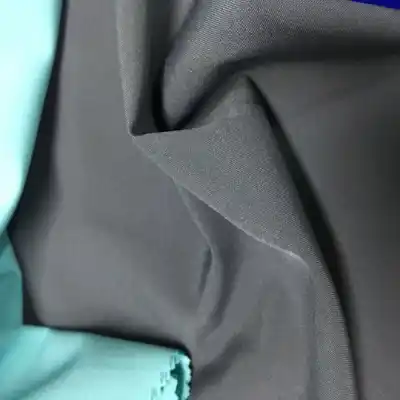
The most common swimwear material is a polyester-elastane blend, typically containing 80–90% polyester and 10–20% elastane by weight. The polyester base provides colorfastness and UV resistance, while the elastane fibers deliver the stretch that allows the fabric to conform to your body shape.
This combination is the industry standard for competitive swimwear because it maintains its shape through hundreds of chlorine exposure cycles. Polyester is inherently resistant to UV rays, so the suit’s color remains vibrant even after prolonged sun exposure.
Nylon Spandex Blend
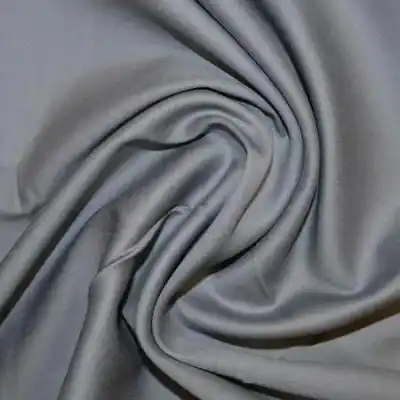
Another widely used fabric is a nylon-spandex blend, usually composed of 70–85% nylon and 15–30% spandex. This material is lighter in weight than polyester-elastane and offers a smoother hand feel against the skin.
Nylon-spandex blends resist abrasion and body oils effectively, making them ideal for recreational swimming. However, nylon degrades faster than polyester when exposed to chlorine — expect 20–30% reduction in fabric life compared to a polyester-elastane suit of equivalent quality.
Just Nylon or Polyester
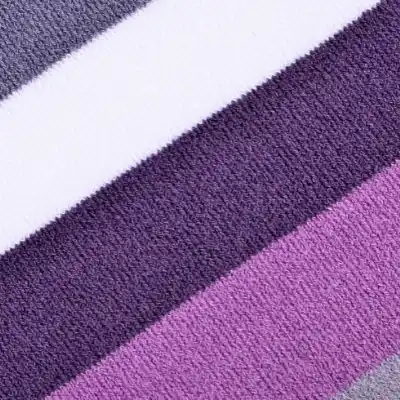
Spandex or elastane is what gives swimwear its elasticity — without it, neither nylon nor polyester can stretch more than 5–10% beyond its original dimensions. Some non-performance swimwear options contain minimal elastic content for a looser, more casual fit.
Polyester alone is more durable than nylon alone. If you want a swimsuit that lasts multiple seasons without losing its shape, a polyester-elastane blend outperforms pure nylon by a significant margin.
Do Swimwear Shrink or Stretch in Water?
Buying the correct size requires knowing how swimwear behaves when submerged. The answer determines whether you should size up, size down, or buy true to size.
Swimwear Fabrics Expand in Water
Both polyester and nylon are engineered to expand when they absorb water. A quality swimwear fabric stretches 50–100% beyond its dry dimensions when fully saturated. This means a suit that feels tight on land fits more loosely after just one swimming session.
The elastic fibers relax with each water exposure, so the suit conforms progressively to your body shape over 4–5 wears. Competitive swimmers exploit this property by pre-soaking new suits to accelerate the break-in process.
Resistance to Shrinkage
Modern swimwear fabrics are pre-shrunk during manufacturing and resist further shrinkage under normal use conditions. Both polyester and nylon require water temperatures above 40°C (104°F) to experience any meaningful dimensional reduction.
Cold water swimming and machine washing on cold cycles preserve the suit’s original dimensions indefinitely. Only exposure to hot tubs, high-heat dryers, or boiling water will cause noticeable shrinkage — and that damage is irreversible.
How to Stretch Swimwear
Swimwear does stretch naturally over time with regular use. However, if you need faster results before your first wear, these three methods progressively relax the elastic fibers without damaging the fabric.
These techniques work on one-piece suits, bikinis, swim trunks, and swim caps alike. For additional guidance on stretching a standard bathing suit, refer to our dedicated how to stretch a bathing suit guide.
Rinse in Cold Water
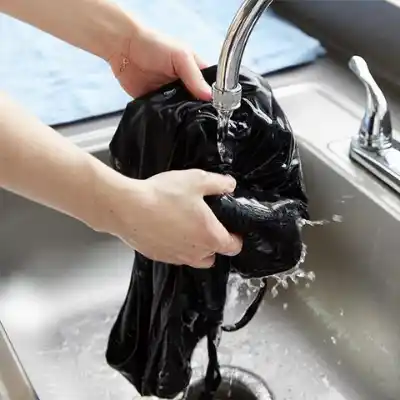
The most effective first step is a cold water rinse. Submerge the swimsuit in water at 15–20°C (59–68°F) for 5–10 minutes, then gently squeeze — do not wring — the excess water out. Lay the suit flat to dry naturally.
Repeat this process 2–3 times before wearing. The cold water penetrates the elastane fibers and temporarily relaxes their蜷曲 (coiled) structure, allowing the fabric to gain 5–15% additional stretch after each cycle.
Use Soap During the Rinse
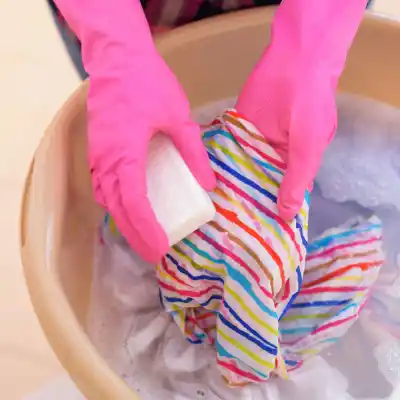
Adding a mild hand soap or specialized fabric softener to the cold water rinse accelerates fiber relaxation. The surfactants in soap reduce surface tension in the water, allowing it to penetrate the fabric structure more effectively.
Use only 1–2 teaspoons of mild liquid hand soap per gallon of water. Harsh detergents, bleach-based products, and fabric softener sheets damage elastane fibers and cause color fading. For bikini bottoms and other small pieces, you will see measurable results after a single 10-minute soak.
Natural Stretching Occurs Over Time
With each swimming session, your swimsuit stretches incrementally. The combination of water absorption, body heat, and movement works the elastic fibers into a permanently relaxed state within 4–5 wears. After that point, the suit reaches its maximum dimensional stretch and holds that fit.
You can track this break-in process by noticing how the suit feels each time you put it on. The first wear is always the tightest; by the fourth or fifth wear, the fabric should conform to your body without any pulling or restriction.
Frequently Asked Questions
Why Does Swimwear Stretch More in Water?
Swimwear fabrics are made of polyester or nylon base fibers combined with 10–30% elastane or spandex. The elastic component absorbs water and releases its internal tension, allowing the coiled polymer chains to extend. This is a physical property of the material — not a defect — and it is the reason swimwear feels different wet versus dry.
Is Tight Swimwear Uncomfortable?
A properly fitted swimsuit should feel snug but not restrictive. If you cannot take a full breath or raise your arms overhead without the suit digging in, it is too tight. Use the cold water rinse method above to adjust the fit before your first outing.
Should Swimwear Fit Snugly?
Competitive swimwear is designed to fit skin-tight to minimize drag in the water. Recreational swimwear can be slightly more relaxed but still benefits from a close fit to prevent shifting during activity. A suit that gaps or rides up while swimming creates resistance and reduces comfort.
What Is the Best Fabric for Swimwear?
A polyester-elastane blend with 80/20 composition delivers the best balance of stretch recovery, chlorine resistance, and color retention. For recreational swimmers who spend time in both pool and ocean water, this composition outperforms nylon-spandex in durability and UV stability.
How Long Does Swimwear Take to Dry?
Drying time depends on fabric weight, ambient humidity, and airflow. Lightweight nylon-spandex fabrics (approximately 150–180 gsm) dry in 30–60 minutes in direct sunlight. Heavier polyester-elastane fabrics (approximately 200–240 gsm) require 1.5–3 hours. Always lay swimwear flat or hang it in shade — direct prolonged sun exposure accelerates elastane degradation.
Final Words
There is no reason to discard a swimsuit simply because it feels tight out of the package. A cold water rinse with mild soap, repeated 2–3 times before wearing, relaxes the elastic fibers and adds measurable stretch. With regular use, the suit conforms permanently to your body shape within the first week.
Put on your swimsuit and enjoy the water — that is what it was made for.
References
- Spandex/Elastane Content in Swimwear Fabrics. (2022). Journal of Textile Science & Engineering, 12(3). Retrieved from https://www.tandfonline.com
- Chlorine Resistance Testing for Competitive Swimwear Materials. (2021). Sports Materials Research. Retrieved from https://www.humankinetics.com
- Swimwear Fabric Care and Durability Guidelines. (2023). Fabric Care Technology Report. Retrieved from https://www.swimoutlet.com
- Polyester vs. Nylon in Aquatic Textiles: A Comparative Study. (2022). Textile Research Journal, 92(15–16). Retrieved from https://journals.sagepub.com


