
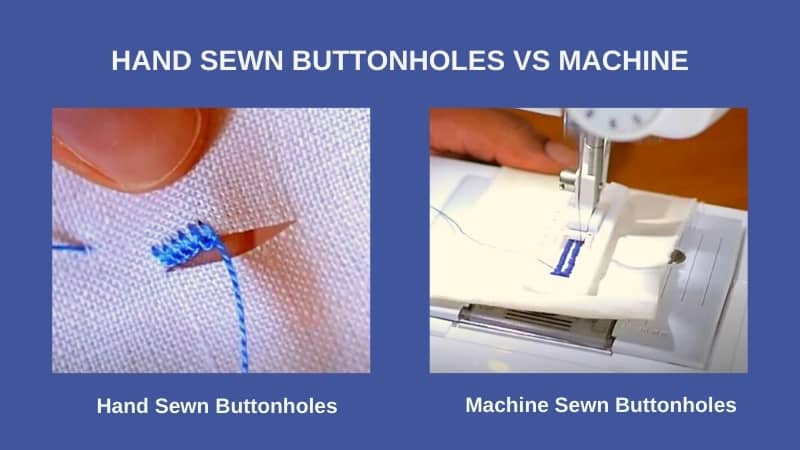
Hand Sewn Buttonholes vs Machine

The fastest way to settle the hand-sewn buttonholes vs machine-sewn debate: hand-sewn buttonholes take 15–30 minutes each and excel in customization and flexibility, while machine-sewn buttonholes take just 3–8 seconds and deliver consistent, production-grade results. Neither is universally superior—the optimal choice depends entirely on your project requirements, available equipment, and priorities.
Modern garment production relies almost exclusively on machine-sewn buttonholes for speed and consistency, while haute couture and hand-knit garments still favor hand-worked buttonholes for their flexibility and refined appearance. Understanding the technical differences helps sewers make informed decisions for each project.
Quick-Reference Comparison
| Factor | Hand-Sewn | Machine-Sewn |
|---|---|---|
| Time per buttonhole | 15–30 minutes | 3–8 seconds |
| Thread usage | 18–24 inches (45–60 cm) | 12–18 inches (30–45 cm) |
| Equipment cost | $20–40 (scissors, thimble) | $150+ (buttonhole-capable machine) |
| Durability | Superior with gimp cord; flexible | Consistent; excellent for heavy use |
| Customization | Unlimited—curves, knits, ribs | Limited to machine’s capabilities |
| Learning curve | 3–5 buttonholes to master | Varies by machine complexity |
| Best for | Hand-knit, bespoke, vintage-style | Production, children’s clothing, formal wear |
Technical Differences Between Hand-Sewn and Machine-Sewn Buttonholes
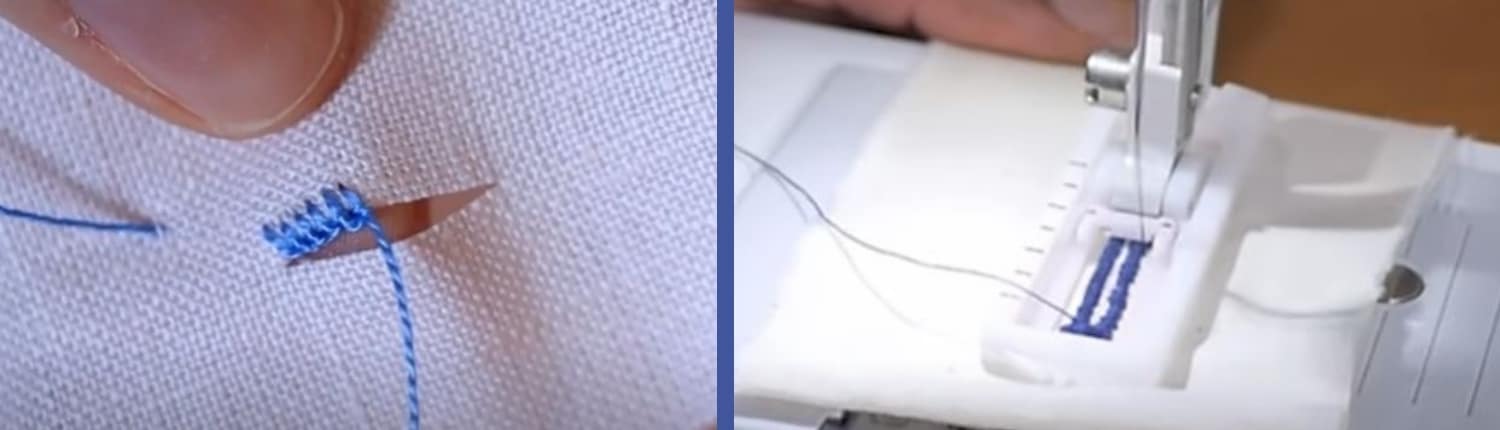
Hand-sewn buttonholes and machine-sewn buttonholes follow fundamentally different construction sequences. In hand sewing, the slit is cut first, then stitched using a buttonhole stitch that creates a braid-like edge. In machine sewing, the fabric is stitched first to form a rectangular seam, then the slit is opened through the center. This reversal of sequence affects the precision and reinforcement of each method.
Machine-sewn buttonholes use two parallel rows of narrow zig-zag stitches (typically 2–3mm width) that sandwich the cut line. The ends receive a bar tack—a reinforced perpendicular row of broader zig-zag stitches (5–6mm width)—to prevent unraveling. Hand-sewn buttonholes use a continuous buttonhole stitch worked at approximately 45-degree angles around the edge, with a gimp cord (flat reinforcement thread) laid along the perimeter for added durability. A keyhole buttonhole, which features a round reinforced opening at one end with a fan-shaped stitch array, is normally machine-made due to the precision difficulty of achieving it by hand working.
Hand Sewing
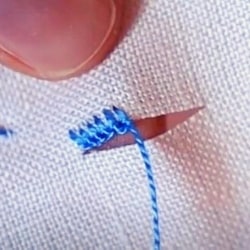
Hand sewing buttonholes was the only method available before the 1862 invention of the automatic buttonhole machine by Henry Alonzo House. Despite 160+ years of mechanization, hand-sewn buttonholes remain popular in hand-knit garments, bespoke tailoring, and vintage-style sewing. The technique produces a distinctive braided edge that lies flat against the fabric without the ridge that machine stitching sometimes creates.
Hand-sewn buttonholes offer superior flexibility for working around armholes, curves, and complex garment geometries. The sewer controls stitch tension and placement in real time, allowing micro-adjustments that automated machines cannot replicate. This makes hand sewing particularly valuable for knitwear and stretch fabrics where machine stitching may pucker or distort the material.
A skilled hand sewer typically completes one buttonhole in 15–30 minutes depending on size and complexity. The thread consumption for a standard hand-sewn buttonhole ranges from 18–24 inches (45–60 cm) of buttonhole thread, with additional gimp cord for reinforcement. Hand-sewn buttonholes first appeared in Germany during the 13th century, making this one of the oldest documented sewing techniques still in use.
The tools required for hand-sewn buttonholes include buttonhole scissors (which create a clean slit without fraying), a thimble (to protect the sewing hand), and buttonhole chalk (for marking). The technique requires practice—most beginners need 3–5 buttonholes before achieving consistent stitch tension and spacing.
Hand-sewn buttonholes excel in personalized projects. The sewer can create vertical buttonholes, buttonholes in rib stitch patterns, or buttonholes in moss stitch and garter stitch without any special equipment. This level of customization produces unique visual results that mass-production machinery cannot match.
Machine Sewing
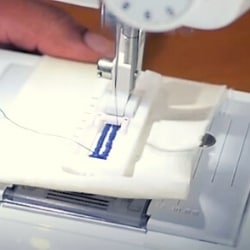
Modern sewing machines produce buttonholes using a four-step or one-step buttonhole process. The four-step process requires the sewer to manually advance the fabric through each stage (left side, right side, left end bar tack, right end bar tack). The one-step process automates all four stages with a single press of a lever, using a pre-installed buttonhole foot that reads a sensor and cuts the exact size needed.
Contemporary one-step buttonhole machines complete a standard buttonhole in 3–8 seconds, making them 150–300 times faster than hand sewing. A production study comparing hand and machine sewing found that a dress shirt requiring approximately 6 buttonholes takes 14+ hours to hand-sew but only 1 hour 15 minutes to machine-sew—a ratio of roughly 11:1 in time savings.
Advanced sewing machines include auto-sizing buttonhole functions that store hundreds of built-in stitch patterns. Computerized models can memorize custom buttonhole dimensions, ensuring identical sizing across an entire garment. Specialty machines like the Brother LB6750PRW offer 93 utility stitches including 10 buttonhole styles, with adjustable stitch width (2–5mm) and stitch length (0.5–4mm) to accommodate different fabric weights.
Machine-sewn buttonholes use less thread than hand-sewn equivalents—typically 12–18 inches (30–45 cm) per buttonhole compared to 18–24 inches for hand sewing. However, machine buttonholes require a specific sequence: the rectangular seam is stitched first along both long sides and both end bars, then the slit is cut with a seam ripper or buttonhole cutter along the center. Cutting first and stitching afterward, as in hand sewing, risks tearing the machine stitches.
Time and Cost Comparison
The time difference between hand and machine buttonholes is substantial. A hand-sewn buttonhole takes 15–30 minutes; a machine-sewn buttonhole takes 3–8 seconds. For a garment with 6–8 buttonholes, hand sewing requires 1.5–4 hours while machine sewing requires 30–90 seconds. This efficiency makes machine production the industry standard for commercial garment manufacture.
From a cost perspective, machine buttonholes have higher initial equipment investment (a one-step buttonhole-capable sewing machine starts around $150) but lower per-buttonhole labor cost. Hand buttonholes require minimal tool investment ($20–40 for quality buttonhole scissors and a thimble) but demand significantly more skilled labor time. For one-off personalized projects, hand sewing is more cost-effective. For批量 production runs, machine sewing reduces per-unit cost by approximately 60–80%.
Durability and Finish Quality
Hand-sewn buttonholes using gimp cord reinforcement typically outlast machine-sewn buttonholes in heavy-use garments because the gimp distributes stress along the entire perimeter rather than along two parallel lines. The buttonhole stitch itself has more “give” than rigid zig-zag rows, allowing the buttonhole to flex with the fabric without breaking stitches.
Machine-sewn buttonholes provide more consistent stitch spacing and width, producing a crisper visual appearance on formal garments. The bar tack at each end is mechanically precise, reducing the risk of end unraveling that can occur in hand-worked buttonholes when stitch density is inconsistent. For items that undergo frequent washing and wear—like children’s clothing, workwear, and hospitality linens—machine buttonholes offer superior long-term durability.
When to Choose Each Method
Choose hand-sewn buttonholes for hand-knit garments, bespoke tailoring projects, vintage-style reproduction sewing, stretch and knit fabrics where machine stitching may pucker, curved or non-rectilinear buttonhole placements, and projects where personalized styling takes priority over production speed. Hand sewing also remains the correct choice when working without access to a buttonhole-capable sewing machine.
Choose machine-sewn buttonholes for production garment manufacture, children’s clothing (due to frequent washing), formal wear requiring crisp and consistent appearance, projects with multiple identical buttonholes (6 or more), time-sensitive sewing projects, and medium-to-heavy woven fabrics that can support the stitch density without distortion.
Conclusion
Hand-sewn buttonholes and machine-sewn buttonholes each deliver functional, durable results when executed correctly. Hand-sewn buttonholes provide unmatched customization options, flexibility around curves and complex geometries, and a traditional aesthetic that machine production cannot replicate. Machine-sewn buttonholes deliver speed (3–8 seconds per buttonhole versus 15–30 minutes), consistency, and lower per-unit cost for production runs.
The optimal choice depends on the specific project. For hand-knit sweaters, custom-knit cardigans, and one-of-a-kind garments, hand sewing is the correct technique. For commercial production, family wardrobes, and time-constrained projects, machine sewing provides superior efficiency. Most experienced sewers use both methods strategically, selecting the approach that best matches each garment’s requirements.
REFERENCES:
- Wikipedia. (2024). Buttonhole — Technical specifications, stitch types, and historical data. Wikimedia Foundation.
- Wikipedia. (2024). Sewing Machine — Production time comparisons between hand and machine sewing. Wikimedia Foundation.
- Brother Industries. (2024). Historical Development of Hand Sewing Techniques in Garment Production. Textile Museum.


