
Can You Stretch A Wool Coat? – Tips And Considerations

Yes — you can stretch a wool coat, but it requires caution and proper technique. Wool is a natural protein fiber with a crimped, elastic structure that will stretch when wet but demands careful handling to prevent permanent distortion or fiber damage. The process works best for adjustments of half a size to one full size; anything beyond that risks irreversible harm to the fabric’s integrity.
This guide covers the most effective methods for stretching wool coats, the factors that determine how well they respond to modification, and the risks involved in the process — from simple home remedies to professional tailoring approaches.
Stretching a Wool Coat: What You Need to Know
Wool fibers have a natural crimp that provides elasticity, allowing the fiber to stretch up to 25-50% of its original length and recover most of its shape when released. When wet, wool absorbs up to 30% of its weight in water, causing the fibers to swell and become more pliable. This moisture-induced plasticity makes controlled stretching possible, but also means the fibers can permanently distort if stressed beyond their elastic limit.
Wearing the coat indoors in damp conditions will allow it to gradually conform to your body shape over several hours. For more significant adjustments, steam treatment relaxes the hydrogen bonds in the fiber, making the wool more responsive to gentle reshaping. For adjustments exceeding 1-2 sizes, consult a professional tailor with experience in natural fiber garments.
Test any method on an inconspicuous area first. Wool fiber damage is irreversible, and a small trial will reveal how the specific fabric will respond before committing to a full treatment.
Stretching Methods at a Glance
Five primary methods are used to stretch wool coats. The right choice depends on your skill level, available equipment, and how much adjustment your coat needs.
| Method | Difficulty | Time Required | Equipment Needed | Best For | Risk Level |
|---|---|---|---|---|---|
| Hand Stretching | Easy | 30–60 minutes | Basin, cold water | Minor adjustments (half size), sleeves, specific areas | Low |
| Towel Stretching | Easy | 1–2 hours | 2 bath towels, rustproof pins | General fit adjustments, sleeves and body | Low |
| Steam Stretching | Intermediate | 45–90 minutes | Garment steamer, heat-resistant surface | Tightly woven wool, structured coats | Medium |
| Wet Blocking | Intermediate | 24–48 hours drying | Blocking mat, rustproof pins, towels | Knit wool coats, whole-garment reshaping | Medium |
| Professional Tailoring | N/A (outsourced) | 1–2 weeks | Industrial stretching equipment | Fine wool, double-wool, structured tailoring, adjustments over 1 size | Very Low |
4 Reasons to Stretch a Wool Coat
Stretching a wool coat is most commonly done to improve its fit when the garment feels constrictive or does not accommodate the wearer’s layering preferences.
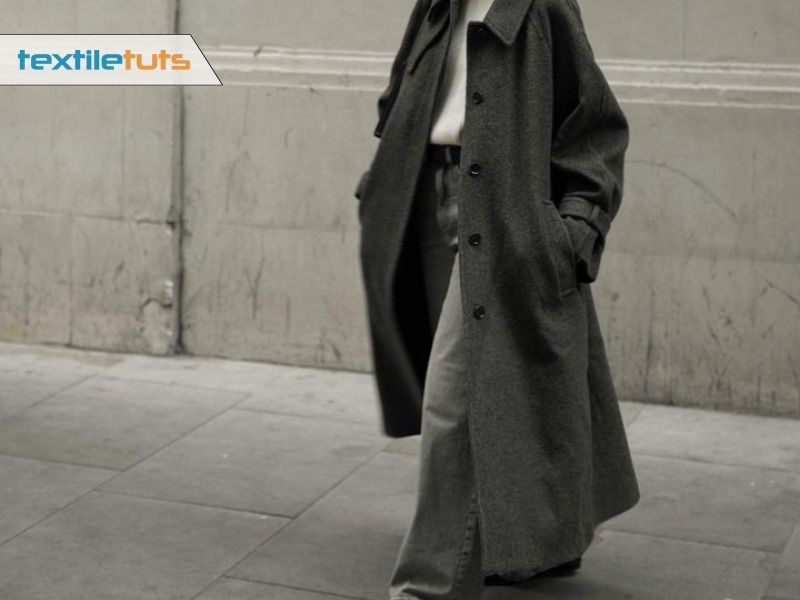
Wool is a natural fiber with inherent elasticity, but it does not always conform perfectly to individual body shapes or allow for thick layering underneath. Four primary scenarios drive people to stretch a wool coat:
Size Adjustment
If a wool coat is one size too small, controlled stretching can achieve a better fit. This approach works best for coats that are marginally tight rather than significantly undersized.
Comfort
Wool coats worn as outerwear often need to accommodate bulky layers such as sweaters and knitwear. Adding 1-2 inches of room through stretching improves mobility and layering capacity without compromising the coat’s silhouette.
Shrinking Correction
When a wool coat has accidentally shrunk due to hot water washing or tumble drying, stretching can restore it to its original dimensions. This requires re-wetting the fibers and gently stretching them back to the correct measurements while damp.
Wrinkle and Crease Removal
Over time, wool coats develop wrinkles and creases that resist removal through ordinary pressing. Gentle stretching while damp redistributes the fibers and eliminates deep creases to restore a polished appearance.
Factors to Consider Before Stretching Your Wool Coat
Stretching a wool coat requires careful evaluation of several variables. The outcome depends on the coat’s fabric composition, construction quality, current condition, and the stretching method chosen. Here are the key factors to assess before proceeding:
Fabric Type and Quality
Merino wool fibers range from 12-24 microns in diameter, with finer fibers (under 18.5 microns) being more delicate and responsive to stretching than coarser grades. High-quality wool with a dense weave will return to its original shape more reliably after stretching than lower-quality, loosely woven fabrics.
Blends containing polyester or synthetic fibers will not respond to stretching methods in the same way as 100% wool, and the presence of these materials may cause uneven stretching across the fabric.
Construction and Seams
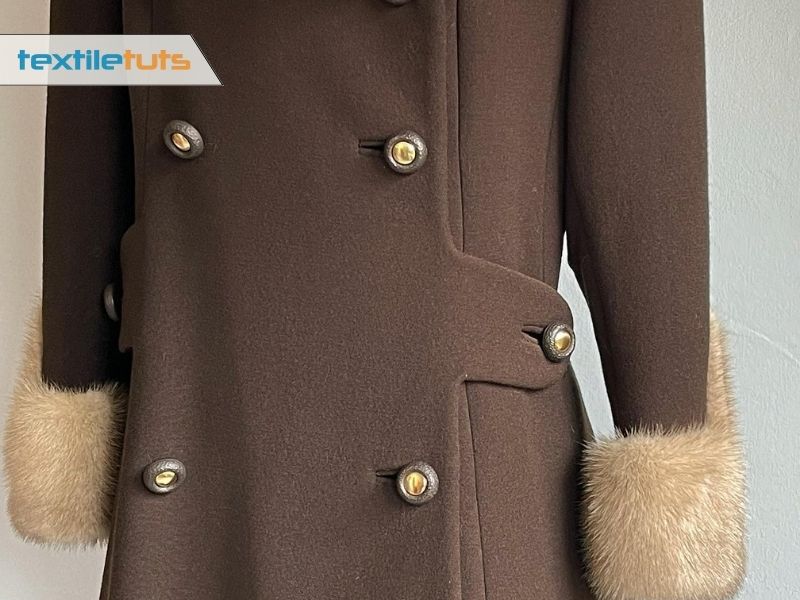
The coat’s construction determines how stretching affects the overall drape and fit. Single-breasted coats with minimal detailing stretch more uniformly than double-breasted styles with complex darting. Stretching will shift the placement of seams, pockets, and buttonholes, which may require professional adjustment afterward.
Current Condition
Inspect the coat for existing damage before stretching. Weak spots, thinning fabric, and areas of heavy wear will deteriorate further under tension. Coats that are already misshapen from previous shrinkage or distortion may not respond well to stretching treatment.
Fit Goals
Define the specific adjustments needed: a slightly relaxed fit, room for thick layering, or correction of shrinkage. Knowing the exact measurements required will determine which stretching method is appropriate and prevent over-stretching.
Professional Expertise
For adjustments exceeding what home methods can safely achieve, consult a professional tailor. A tailor will assess whether stretching is appropriate for your coat and perform the work using industrial equipment that applies uniform tension across the entire garment.
Type of Stretching Method
Five primary methods are available: hand stretching, towel stretching, steam stretching, blocking, and professional tailoring. Each method varies in the degree of control it offers, the equipment required, and the results it produces.
Tolerance for Risk
Any stretching carries the risk of permanent fabric distortion, fiber damage, or an uneven result. Assess whether you are willing to accept these risks or whether investing in professional tailoring is the better option for a valuable coat.
Time and Patience
Stretching is not instantaneous. Effective wool reshaping requires allowing the fibers to relax and set over hours or days. Rushing the process will produce poor results and may damage the fabric.
Age of the Coat
Older coats have fibers that are more set in their original configuration and less responsive to reshaping. Repeated wear and cleaning also weakens the fiber structure, making older coats more susceptible to damage during stretching.
Alternatives to Stretching
In some cases, alternative modifications achieve the desired fit without altering the fabric. Adjusting buttons, adding a vent at the side seam, or inserting a fabric panel behind the buttons can add room without touching the outer fabric.
Trial Run
Always test the chosen method on an inside seam or hidden area before applying it to the entire coat. This test will reveal how the specific fabric responds to the treatment and whether the result is acceptable.
Methods for Stretching a Wool Coat
Five methods are commonly used to stretch a wool coat, ranging from simple home techniques to professional tailoring services.
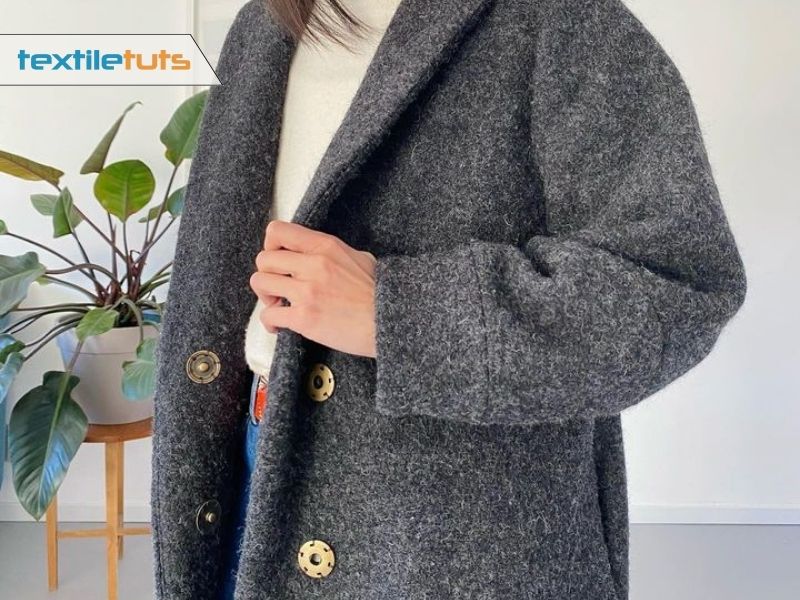
Each method has specific advantages, limitations, and equipment requirements. Here is a detailed breakdown of all five methods:
Stretching by Hand
Stretching with Towels
Steam Method
Wet Blocking Method
Professional Tailoring
Potential Risks of Stretching a Wool Coat
Stretching a wool coat involves several risks that vary depending on the coat’s quality, age, and the method used. Understanding these risks will help you make an informed decision about whether to proceed.
Permanent Distortion
Wool fibers stretched beyond their elastic limit will not return to their original dimensions. Once the hydrogen bonds in the fiber have been permanently set in a new position, the distortion is irreversible. This results in an ill-fitting coat that cannot be restored without recutting the fabric.
Loss of Structure
Tailored wool coats rely on a precise balance between the outer fabric, interfacing, and lining. Stretching disrupts this balance, causing the chest to gap, the shoulders to drop, or the hem to swing unevenly. Structured coats with canvassed construction are particularly vulnerable to this type of damage.
Fabric Damage
Excessive force will cause individual wool fibers to break. Broken fibers create thin, weak spots in the fabric that are prone to tearing under normal wear. In severe cases, the damage becomes visible as translucent patches where the fiber density has been reduced.
Color Fading
Stretching causes fibers in high-tension areas to thin, which makes the color appear lighter and less saturated in those spots. This creates an uneven, mottled appearance across the coat that cannot be corrected by redyeing.
Texture Changes
The mechanical action of stretching can compress or misalign the wool scales that give the fabric its characteristic softness. The affected areas become rough or corky to the touch and lose the smooth drape of the original fabric.
Inconsistent Stretching
Uneven tension during stretching produces asymmetrical results. One sleeve may end up longer than the other, or the body may stretch more on one side than the other. This is particularly common with hand stretching methods where pressure cannot be applied uniformly.
Unintended Fit
Stretching a coat without a clear measurement target often results in a fit that is worse than the original. Without knowing the exact dimensions needed, it is easy to over-stretch certain areas while under-stretching others.
Lining and Detail Damage
The lining of a wool coat is typically made from acetate or silk and does not stretch at the same rate as wool. Stretching the outer fabric creates tension between the layers that causes the lining to pucker, bunch, or tear away from the seams.
Shrinking in Other Areas
When wool is stretched in one direction, the fibers often contract perpendicular to the force applied. This means stretching the body wider may cause the length to shrink, creating a cropped appearance that is difficult to correct.
Unpredictable Results
Wool is a natural fiber with inherent variability between batches and breeds. Two identical coats made from different lots of the same wool quality will respond differently to identical stretching treatments, making results difficult to predict.
Precautions and Tips for Successfully Stretching a Wool Coat
Stretching a wool coat requires a methodical approach and careful attention at each stage of the process. The following precautions will maximize your chances of achieving a satisfactory result.
Consult a Professional Tailor
For any coat that is valuable, structurally complex, or requires more than minor adjustments, consult a tailor before attempting home stretching. A tailor will assess the coat’s condition and advise on the best course of action.
Choose the Right Method
Select a method that matches the coat’s fabric weight and construction. Steam stretching suits tightly woven wool coats, while wet blocking is better for knit wool garments. Towel stretching is the most versatile home method for general fitting adjustments.
Test a Small Area
Apply the chosen method to an inside seam or the lining side of a hem first. This test will reveal how the specific fabric responds and whether the technique produces the expected result.
Use Steam with Caution
Steam is highly effective for relaxing wool fibers, but excessive steam causes irreversible fiber compaction and yellowing. Limit steam sessions to 30-second passes per area and maintain the steamer nozzle at least 6 inches from the fabric.
Apply Gentle, Gradual Pressure
Never use sudden or forceful stretching motions. Apply steady outward pressure and hold it for at least 2 minutes before repositioning. Wool fibers respond better to sustained gentle tension than to brief, hard pulls.
Check Seams and Details
Monitor the seams, pockets, and button placement during and after stretching. These details are the last to relax and the first to show signs of stress. Adjust them manually as needed while the fabric is still damp.
Monitor Progress Closely
Check the coat’s dimensions every 15-20 minutes during stretching. It is easier to stretch further than to reverse over-stretching, so stop as soon as the desired fit is achieved.
Allow Time to Settle
After stretching, allow the coat to rest at room temperature for 24 hours before wearing or further adjusting it. The wool fibers need this time to set in their new configuration and stabilize.
Avoid Overstretching
Stretch only to the exact measurements needed. Wool that has been over-stretched will gradually continue to relax and grow even larger over the following days as the fibers settle.
Never Use Excessive Force
Wool fibers tear under sudden force and permanently deform under sustained excessive tension. The force applied during stretching should feel like a gentle pull, not a strong tug.
Be Patient
Patience is the most important factor in successful wool coat stretching. Rushing leads to over-stretching, inconsistent results, and permanent damage. Allow each step of the process to run its full course.
Preventing Wool Coat Shrinkage During Washing
To prevent your wool coat from shrinking during washing, use cold water (below 86°F / 30°C) and a wool-specific detergent. Never wring or twist the wet coat, and always lay it flat to air dry away from direct heat. Hot water and mechanical agitation cause the wool scales to interlock, resulting in irreversible felting shrinkage that cannot be corrected by stretching. If machine washing is necessary, use the wool or delicate cycle with cold water and place the coat in a mesh laundry bag for protection.
Final Words
Stretching a wool coat is possible with the right techniques and precautions, but the process carries real risks of permanent fabric damage. For minor adjustments of half a size or less, home methods such as steam stretching or towel stretching will often produce satisfactory results. For adjustments exceeding one full size, or for coats with complex construction, professional tailoring is the recommended approach.
Wool is a natural protein fiber prized for its durability, thermal regulation, and natural elasticity. With proper care, a quality wool coat will last for decades. Store it on a broad-shouldered hanger to maintain its shape between seasons, and always follow the manufacturer’s care instructions for cleaning.
References
- Woolmark. (2024). Wool Care Guide. https://www.woolmark.com/care/
- Wikipedia. (2024). Wool. https://en.wikipedia.org/wiki/Wool
- American Society for Testing and Materials. (2023). ASTM D2813: Standard Practice for Sampling Wool and Product Analyzers for Moisture Content, Fiber Diameter, and Dustproofing Materials. ASTM International.
- International Wool Textile Organisation. (2024). Merino Wool: Fiber Properties and Specifications. https://www.iwto.org
- Cornell College of Human Ecology. (2023). Textile Science: Wool Fiber Structure and Properties. https://textilescience.cce.cornell.edu


