
Do Clothes Shrink Over Time? – Here’s What You Need to Know!


Yes, clothes do shrink over time—especially garments made from natural fibers like cotton or wool. The primary cause of shrinking is exposure to high temperatures during washing and drying, combined with improper care techniques. Untreated cotton fabric can shrink between 3% and 10% on first wash alone, with subsequent washes adding incremental shrinkage.
Frequent exposure to temperatures above 60°C (140°F) during washing causes fabric fibers to contract through a process called fiber relaxation. To prevent this, follow the care instructions on your clothing labels and select lower temperature settings—washing at 30°C (86°F) or below dramatically reduces shrinkage compared to hot water cycles.
The Science Behind Shrinking Clothes
To understand why some clothes shrink more than others, we need to examine fabric types, fiber composition, and construction methods.
Fabric Types and Fiber Composition
Different fabrics contain different fiber types, which directly determine how a garment responds to heat, water, and agitation. Here’s how common fibers behave:
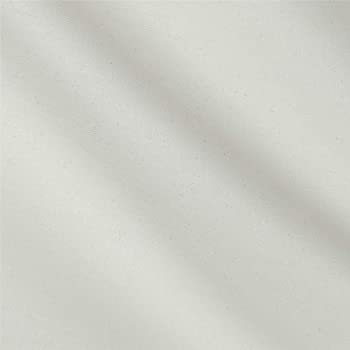
Cotton
Cotton is a natural cellulosic fiber that shrinks significantly when exposed to heat and moisture. Untreated cotton garments shrink between 3% and 10% on first wash. This occurs because cotton fibers are composed of cellulose chains that swell and then contract as they dry, returning toward their natural curled state. Pre-shrunk or sanforized cotton typically limits shrinkage to 1%–3%.
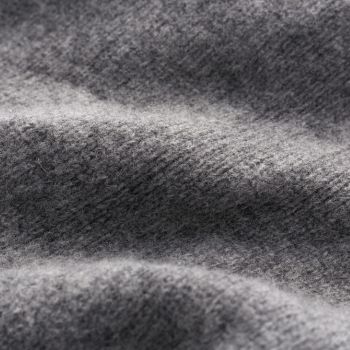
Wool
Wool is a natural protein fiber with a scaly surface structure that causes it to shrink through a process called felting. When wool is exposed to moisture at temperatures above 40°C (104°F) combined with agitation, the scales interlock and the fiber contracts. Untreated wool can shrink by 10%–15% or more. Machine-washable wool treated with anti-felt finishes limits shrinkage to approximately 1%–3%.
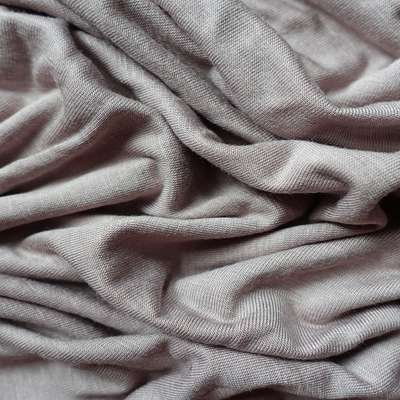
Rayon
Rayon (also called viscose) is a semi-synthetic cellulosic fiber derived from wood pulp. Its molecular structure makes it highly susceptible to shrinkage—typically 3%–8% on first wash. Rayon loses significant tensile strength when wet (up to 40% reduction), which compounds shrinkage issues and can cause garment distortion.
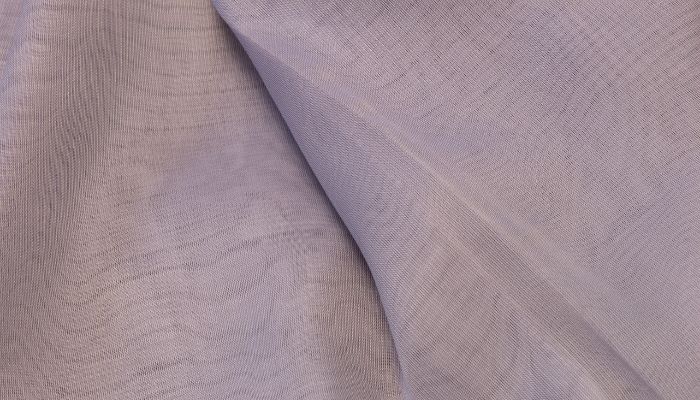
Synthetics
Synthetic fibers—including polyester, nylon, and acrylic—are petroleum-based polymers created through extrusion. Their long, stable molecular chains resist contraction when exposed to heat and water. Polyester typically shrinks less than 1% even after multiple washes. Nylon shrinks 1%–2% maximum. Acrylic may shrink 2%–3% but is significantly more resistant than natural fibers.
Understanding fiber composition is the foundation for predicting how a garment will behave in the wash.
Fabric Density and Construction
Fabric density and construction type significantly influence dimensional stability. Loosely woven or knitted fabrics have more room for fiber contraction than tightly woven materials.
Knitted fabrics are particularly susceptible to shrinkage. Research on knitted fabric structures shows that plain jersey knit can shrink 3.94% in length and 5% in width after a single wash cycle. Single Lacoste knit shrinks 5.1% in length and 2% in width. Double Lacoste knit shrinks 2.03% in length and 3.02% in width. The varying outcomes directly correlate with how the stitch structure permits fiber movement during washing and drying.
Woven fabrics, by contrast, resist shrinkage better due to the orthogonal (perpendicular) interlacing of warp and weft yarns, which constrains fiber movement.
From Factory to Closet: How Clothes Shrink
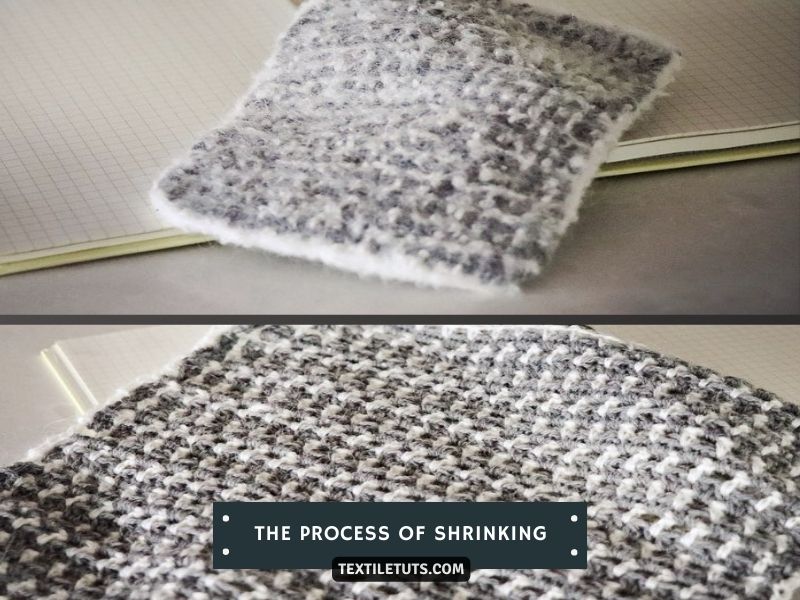
Before examining how clothes shrink at home, it helps to understand their journey from the factory and the treatments manufacturers apply to minimize shrinkage.
Pre-Shrinking Treatments During Manufacturing
Garment manufacturers use two primary pre-shrinking processes to stabilize fabric before garments reach consumers: Sanforization and Compaction.
Sanforization
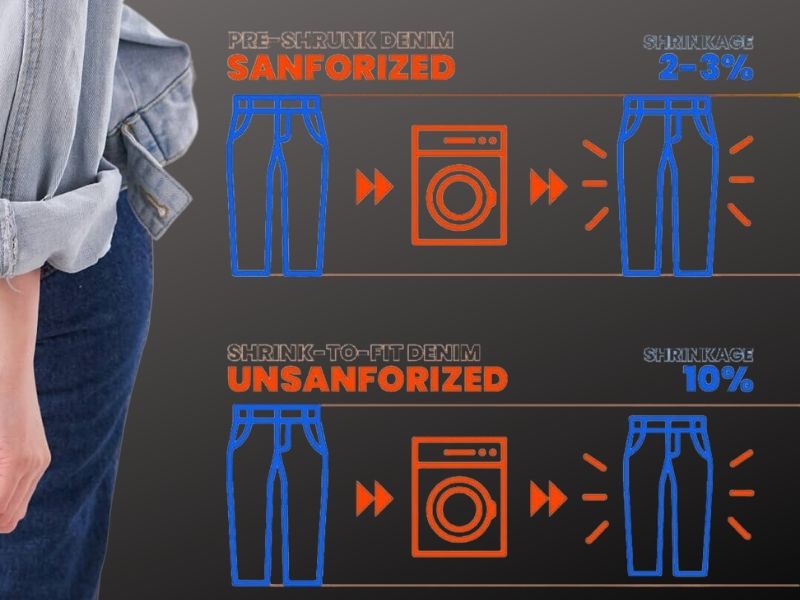
Sanforization is a mechanical pre-shrinking process developed in 1930 and used primarily for woven cotton fabrics. The process involves feeding fabric between a heated roller and a compression belt at speeds producing 2%–3% compression. Combined with controlled steam and moisture, this forces the fabric to shrink before it reaches the consumer. Sanforized fabrics typically exhibit less than 1% residual shrinkage after five wash cycles.
Compaction
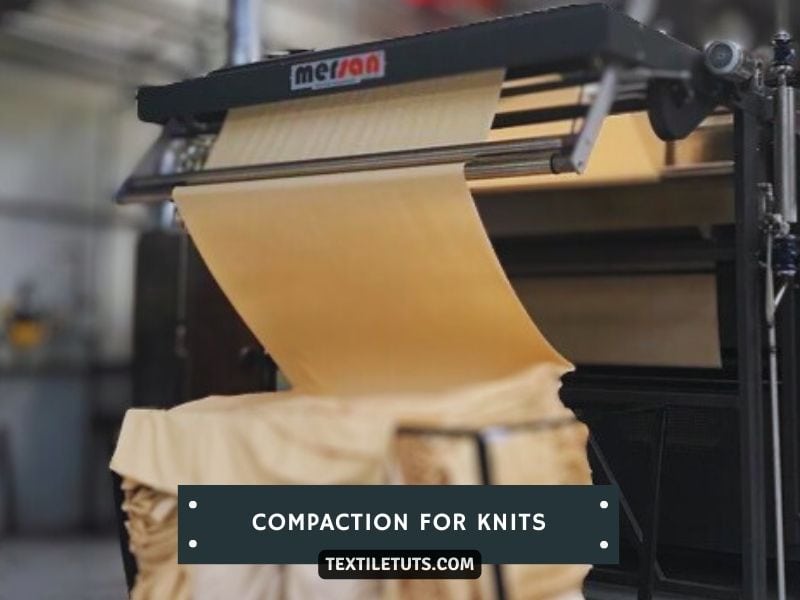
Compaction is a pre-shrinking process designed for knitted fabrics. The method feeds fabric between two pressurized rollers that compress and stretch it, followed by exposure to steam at 100°C (212°F). This causes the fibers to shrink and set. After cooling, the fabric retains dimensional stability. Compaction typically reduces potential shrinkage to 1%–3%.
Both treatments significantly reduce—but do not completely eliminate—shrinkage during consumer laundering.
Why Some Clothes Shrink After Purchase
Even with pre-shrinking treatments, some garments still shrink after purchase. Several factors explain this.
Effects of Washing and Drying
High-temperature wash and dry cycles remain the primary cause of post-purchase shrinkage. Water temperatures above 60°C (140°F) cause significant fiber contraction. Mineral deposits in hard water can accelerate fiber degradation. Harsh detergents may degrade fiber proteins (in wool) or damage finishes that help maintain dimensional stability.
Relaxation Shrinkage
Relaxation shrinkage occurs when fabric stored under tension during manufacturing is released during washing. The warp yarns in woven fabrics are held under tension during weaving and finishing. When released in water, these yarns return to their natural state, causing the fabric to contract 1%–5% depending on fabric construction.
A garment’s journey from factory to closet directly impacts its long-term dimensional stability.
Dimensional Stability of Fabrics
Dimensional stability refers to a fabric’s ability to maintain its size and shape when exposed to temperature changes, humidity fluctuations, and mechanical stress during laundering.
Fabrics with low dimensional stability are prone to both shrinkage and stretching. Knitted fabrics—especially those made from natural fibers—exhibit lower dimensional stability than woven alternatives.
The table below shows measured shrinkage data from controlled tests on three common knitted fabric structures:
|
Fabric Structure |
Original Dimension (cm) |
Dimension After Drying (cm) |
Shrinkage (%) |
|||
|
|
Length |
Width |
Length |
Width |
Length |
Width |
|
Plain Jersey |
35 |
35 |
33.62 |
33.25 |
-3.94 |
-5 |
|
Single Lacoste |
33.25 |
34.3 |
-5.1 |
-2 |
||
|
Double Lacoste |
34.28 |
33.94 |
-2.03 |
-3.02 |
||
The data shows all three knitted structures shrank in both directions, with plain jersey showing the highest width shrinkage at 5%. The stitch type directly determines the magnitude and direction of shrinkage.
To ensure maximum dimensional stability, examine the fiber content and construction of any fabric before purchase.
Laundry Day: How to Prevent Clothes from Shrinking

Now that the shrinking mechanisms are clear, here are actionable steps to maintain garment dimensions on laundry day:
Reading and Following Care Labels
Always check care labels before laundering. These tags specify fiber content, recommended water temperature, drying method, and any special precautions. Following the manufacturer’s care instructions is the single most effective way to extend garment life and prevent shrinkage.
Choosing Proper Detergents and Laundry Additives
Use gentle, liquid detergents without bleach or optical brighteners. These chemicals degrade cellulosic fibers in cotton and linen and damage the protein structure of wool. Fabric softeners coat synthetic fibers with a waxy layer that can cause distortion over repeated washes.
Water Temperature Guidelines by Fabric
Water temperature is the most controllable factor in preventing shrinkage. The following guidelines minimize fiber stress:
- Cotton: Wash at 30°C–40°C (86°F–104°F). Hot water above 60°C (140°F) causes significant shrinkage in untreated cotton.
- Wool: Wash at 30°C (86°F) or below. Temperatures above 40°C (104°F) trigger felting shrinkage in untreated wool.
- Rayon: Wash in cold water only. Rayon loses up to 40% of its dry strength when wet, making it highly vulnerable to dimensional change.
- Synthetics: Wash at 40°C (104°F) maximum. Polyester performs well at these temperatures with minimal shrinkage.
Using a fabric conditioner in the wash cycle relaxes fibers and reduces inter-fiber friction, which helps prevent mechanical shrinkage from agitation.
Drying Techniques That Prevent Shrinkage
Drying method has a larger impact on shrinkage than washing. Consider these options:
- Air Drying: Lay garments flat on a clean surface or drape over a drying rack. This is the gentlest method and works for all fabric types. Ensure adequate ventilation to prevent mildew.
- Tumble Drying Low Heat: If using a dryer, select a low-heat or air-fluff setting. Remove garments immediately when the cycle completes to prevent heat buildup and residual shrinkage.
- Clothesline or Drying Rack: Outdoor air drying exposes garments to consistent airflow and natural temperature regulation, reducing mechanical stress and preventing the over-heating that causes fiber contraction.
These precautions help garments maintain their original dimensions throughout their lifespan.
Shrinking Clothes: Myth vs. Reality
Many myths about shrinking persist. Here is what the evidence actually shows:
Myth 1: All Fabrics Shrink at the Same Rate
This is false. Shrinkage rates vary significantly by fiber type. Untreated cotton shrinks 3%–10%. Wool shrinks 10%–15% without anti-felt treatment. Rayon shrinks 3%–8%. Polyester shrinks less than 1%. Always consider fabric composition when assessing potential shrinkage.
Myth 2: Cold Water Washing Prevents All Shrinkage
Cold water washing at 30°C (86°F) or below significantly reduces shrinkage in cotton and rayon. However, wool garments can still shrink in cold water if the mechanical agitation is vigorous. Always follow the care label for delicate fibers.
Myth 3: Shrinkage Only Occurs in the Dryer
Heat is a major factor, but clothes can shrink in the wash. Cotton and rayon garments exposed to warm or hot water—even without a dryer—undergo fiber contraction. Relaxation shrinkage occurs in water alone, as tension stored in the fabric is released when the fibers swell.
Myth 4: Shrunk Clothes Cannot Be Restored
Moderate shrinkage can sometimes be reversed. Gently stretching damp garments by hand and pinning them to a flat surface to dry can restore 50%–80% of lost size in cotton and rayon. This method is less effective on wool due to the permanent nature of felting shrinkage. Using a steam iron on a low setting while manually stretching can also help.
Understanding these realities helps you make better laundry decisions and extend the life of your garments.
Best Practices for Storing Clothes
- Store garments in a cool, dry environment with relative humidity below 50% to prevent moisture absorption that weakens fibers.
- For long-term storage, use breathable garment bags or acid-free tissue paper to prevent yellowing and fiber stress from contact.
- Avoid damp or humid storage areas, which promote mold growth and fiber degradation in natural materials.
- Keep garments away from direct sunlight, which causes photodegradation of natural and synthetic fibers and leads to fabric embrittlement over time.
Does Canvas Shrink Over Time Like Other Fabrics?
Canvas is a durable plain-woven fabric that resists significant shrinkage when properly cared for. Unlike knitted fabrics, its tight weave structure restricts fiber movement. Canvas shrinks 1%–3% when washed in hot water but maintains its dimensions when cleaned with cold water and air-dried. Follow effective washing tips for canvas fabric—cold water, air drying, and avoiding high heat—to preserve its form for years.
Do Old Navy Clothes Shrink Over Time Like Other Clothes?
Old Navy garments—typically made from cotton, polyester-cotton blends, or synthetic fabrics—follow the same shrinkage behavior as comparable brands. Cotton blend garments shrink 2%–5% on first wash when exposed to hot water. Following the care label’s washing instructions and using gentle cycles with cold water and low-heat drying effectively prevents shrinkage in Old Navy clothes.
Fabric Shrinkage Comparison: Quick Reference Guide
Use this quick-reference table to understand how different fabrics behave during laundering:
| Fabric Type | First Wash Shrinkage | Pre-Shrunk Treatment | Safe Wash Temp |
|---|---|---|---|
| Cotton (untreated) | 3%–10% | 1%–3% (sanforized) | 30°C–40°C (86°F–104°F) |
| Wool (untreated) | 10%–15% | 1%–3% (anti-felt) | 30°C (86°F) or below |
| Rayon/Viscose | 3%–8% | Limited options | Cold water only |
| Polyester | Less than 1% | N/A (inherently stable) | 40°C (104°F) maximum |
| Nylon | 1%–2% | N/A (inherently stable) | 40°C (104°F) maximum |
| Acrylic | 2%–3% | Limited options | 30°C–40°C (86°F–104°F) |
Frequently Asked Questions
Do clothes keep shrinking?
How many times can clothes shrink?
Will a 100% cotton shirt shrink?
Do shirts shrink after the first wash?
What fabric does not shrink?
Does ironing unshrink clothes?
What shrinks clothes—cold or hot water?
Does Nike Tech Fleece shrink like regular cotton fabrics?
Wrapping Up
So, do clothes shrink over time? Yes—but the extent depends entirely on fiber type, fabric construction, and care practices. Cotton and wool garments require the most attention to water temperature and drying method. Synthetics are forgiving by comparison. By following the care label instructions, washing at 30°C (86°F) or below, and air drying whenever possible, you can keep your clothes fitting properly for years.
References
- American Society for Testing and Materials. (n.d.). ASTM International Standards Organization. ASTM D1519-95(2016): Standard Test Method for Dimensional Shrinkage of Leather.
- Cotton Incorporated. (n.d.). CottonWorks Learning Hub: Shrinkage & Skewing. Quality Assurance Section.
- ResearchGate. (n.d.). Effect of Knitted Structure on the Properties of Knitted Fabric. Textile Research Journal.
- International Organization for Standardization. (n.d.). ISO 5077:2007 — Textiles — Determination of Dimensional Change in Washing and Drying.
- AATCC. (n.d.). AATCC Test Method 135 — Dimensional Changes of Fabrics After Home Laundering. American Association of Textile Chemists and Colorists.


