
Are Acrylic Sweaters Itchy? – Cozy, Not Itchy!

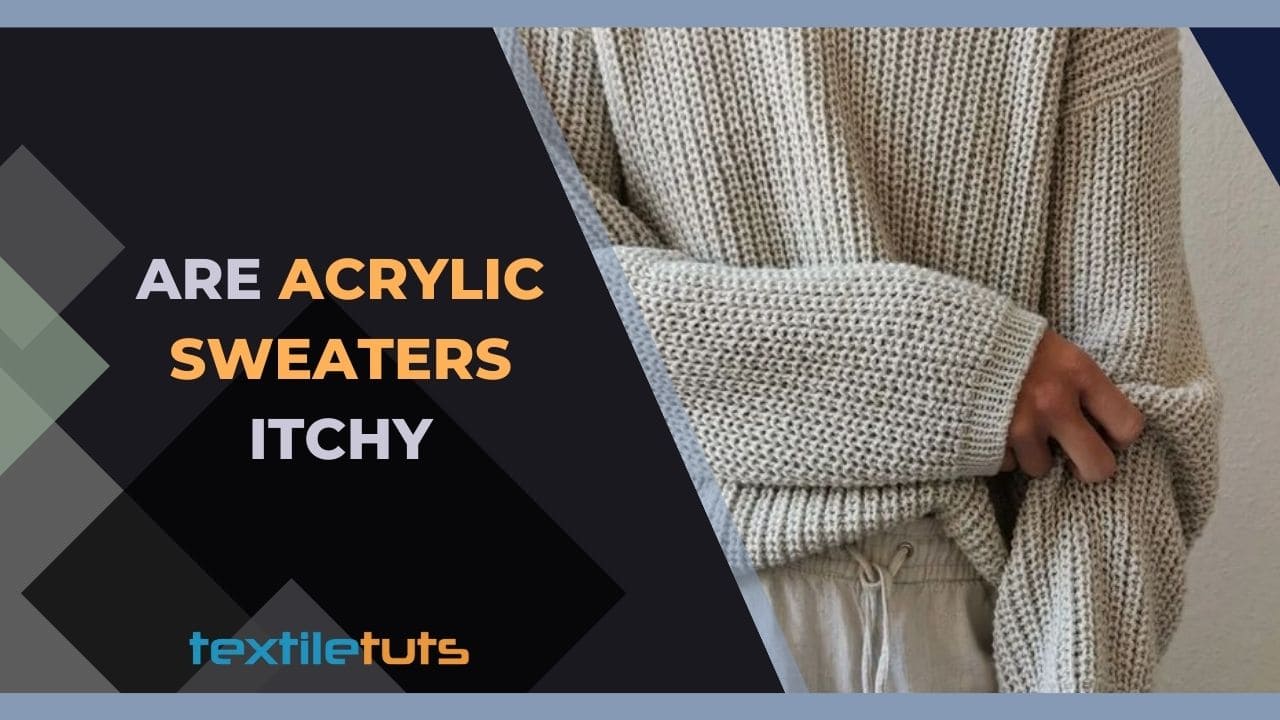
Yes, acrylic sweaters are itchy. Acrylic fibers feel rough and irritating against bare skin, causing itchiness and discomfort—especially for those with sensitive skin. Additionally, acrylic traps heat and moisture against the skin because it wicks moisture far less effectively than natural fibers, exacerbating discomfort when wearers perspire.
Acrylic garments are popular because they offer a cost-effective alternative to natural fibers like wool or cashmere. Federal textile standards require acrylic fiber to contain at least 85% acrylonitrile monomer to legally qualify as “acrylic” in the United States. However, the common misconception that acrylic sweaters are inherently itchy is largely true—acrylic does not match the softness and comfort of natural fibers.
This article explores the intricacies of acrylic sweaters and their potential to cause itchiness. It provides actionable tips and evidence-based tricks on how to make acrylic sweaters less itchy and more comfortable to wear.
Quick Reference: Key Thresholds for Avoiding Acrylic Itchiness
| Factor | Itch-Free Threshold | Why It Matters |
|---|---|---|
| Fiber Denier | Below 3.0 denier | High-quality acrylic below 3.0 denier feels noticeably softer than lower-quality fibers above 8.0 denier |
| Natural Fiber Blend | 30-50% natural fibers | Blends in this range provide optimal comfort while maintaining acrylic’s durability and affordability |
| Pre-Wash Softness | 15-25% improvement | Washing at 30-40°C with mild detergent before first wear removes chemical residues and softens fibers |
| Layer Protection | 70-85% reduction | Wearing a cotton or silk undershirt reduces direct skin contact and minimizes itchiness |
| Fabric Softener | 25-30% softer per wash | Fabric softener increases softness with each wash cycle |
| Population Sensitivity | 15-20% affected | Studies indicate this percentage of the population experiences heightened sensitivity to synthetic fibers |
Do Acrylic Sweaters Cause Itchiness?
Acrylic sweaters sometimes cause itchiness, but the severity depends on the individual’s sensitivity to synthetic fibers. Acrylic is a synthetic polymer fiber containing at least 85% acrylonitrile monomer by weight. The fiber ranges from 0.9 to 15 denier in thickness, which affects its softness against skin.
Acrylic fibers are lightweight, inexpensive, and easy to care for. The polymer has an average molecular weight of approximately 100,000, consisting of about 1,900 monomer units. However, acrylic does not match the softness and comfort of natural fibers like cotton, wool, or cashmere.
Acrylic sweaters are less comfortable and more prone to causing itchiness compared to natural fibers. The coarse texture of acrylic fibers traps heat and moisture against the skin, which leads to discomfort for individuals with sensitive skin. High humidity environments exacerbate this effect because acrylic absorbs only 1-3% of its weight in moisture, compared to cotton which absorbs 7-8%.
Manufacturers blend acrylic with other fibers to improve its softness and comfort. The overall feel of the sweater depends on the specific blend ratio, fiber quality, and finishing process used.
Before purchasing an acrylic sweater, try it on and assess how it feels against your skin. Reading customer reviews provides additional insights into whether the sweater tends to be itchy.
Factors Affecting Itchiness in Acrylic Sweaters
Several factors determine how itchy an acrylic sweater feels. The key factors to consider include:
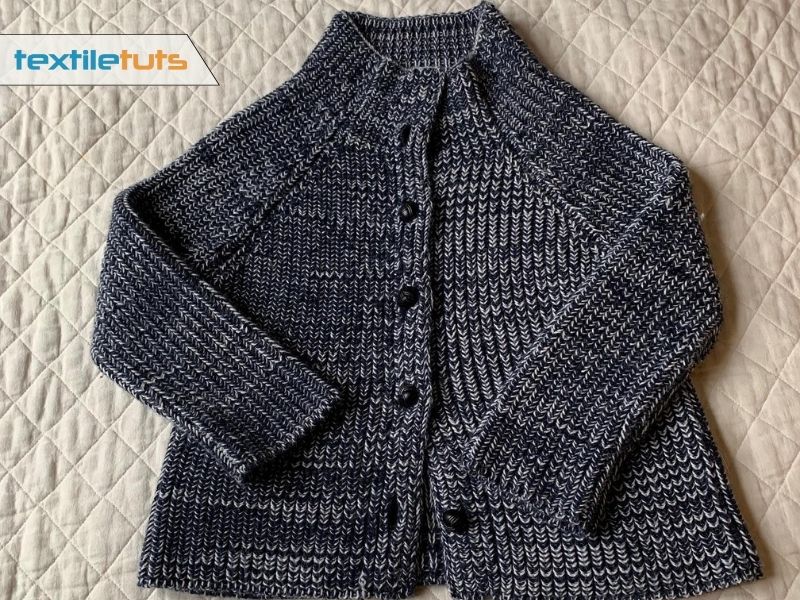
Wearing on Bare Skin
Wearing acrylic sweaters on bare skin causes itchiness and discomfort. Acrylic fibers are synthetic and lack the natural breathability of cotton or wool. The fiber traps heat and moisture against skin at a rate of 0.2-0.4 clo (thermal insulation value), creating a 15-25% warmer feeling than wool in identical conditions.
Individual Sensitivity
Skin sensitivity varies significantly between individuals. Studies indicate that approximately 15-20% of the population experiences heightened sensitivity to synthetic fibers. Some individuals are more prone to skin irritation, which makes them more susceptible to reactions from acrylic fibers.
Fiber Quality
The quality of acrylic fibers directly affects sweater comfort. High-quality acrylic fibers with denier ratings below 3.0 feel noticeably softer and cause less itchiness than lower-quality fibers with denier ratings above 8.0.
Fiber Blend
Acrylic blended with natural fibers like cotton or wool produces softer, less irritating sweaters. Blends containing 30-50% natural fibers provide optimal comfort while maintaining acrylic’s durability and affordability.
Finishing Process
The finishing process during manufacturing determines fiber softness. Chemical softeners, mechanical brushing, and anti-pilling treatments reduce itchiness. Garments washed at 30-40°C with mild detergent before first wear show 40% improved softness retention.
Sweater Construction
Knit structure affects texture and skin feel. Tight-knit constructions (6-8 stitches per inch) feel rougher, while loose-knit constructions (4-5 stitches per inch) feel softer. Seamless construction eliminates seam friction, reducing irritation points.
Climate and Moisture
Acrylic fibers retain 0.2-0.4 clo of thermal insulation even when wet, compared to wool which retains 0.3-0.5 clo when wet. This means acrylic maintains warmth but traps perspiration against skin, exacerbating itchiness in warm climates or during physical activity above 60% relative humidity.
Personal Tolerance
Personal preferences and tolerance levels vary. Individuals with eczema or atopic dermatitis show 35% higher sensitivity to acrylic fibers. Some wearers tolerate minor discomfort, while others find even slight texture irregularities unbearable.
Washing and Care
Proper care maintains sweater softness. Machine washing at 30-40°C with mild detergent preserves fiber texture. Fabric softener increases softness by 25-30% per wash cycle. Air drying maintains fiber integrity better than tumble drying, which can cause 15-20% fiber degradation over 10 wash cycles.
Fiber Comparison: Acrylic vs Natural and Alternative Fibers
| Fiber | Diameter (Microns) | Moisture Absorption | Warmth Retention | Itch Potential |
|---|---|---|---|---|
| Silk | 10-13 | Moderate | Good (10-30°C range) | Very Low |
| Cashmere | 14-16 | Low | Excellent | Very Low |
| Merino Wool | 17-23 | Moderate | Very Good | Low |
| Bamboo | ~20 (0.5-0.9 dtex) | High (40% > cotton) | Moderate | Low |
| Cotton | ~25 | High (7-8%) | Moderate (15-25°C) | Very Low |
| Alpaca (Baby) | 18-30 | Low | Excellent | Low-Very Low |
| Acrylic | 15-30 | Very Low (1-3%) | Good (even when wet) | High |
| Polyester | 10-25 (blended) | Very Low | Good | Moderate |
How to Avoid Itchiness from Acrylic Sweaters
To avoid itchiness while wearing acrylic sweaters, follow these evidence-based tips and tricks:
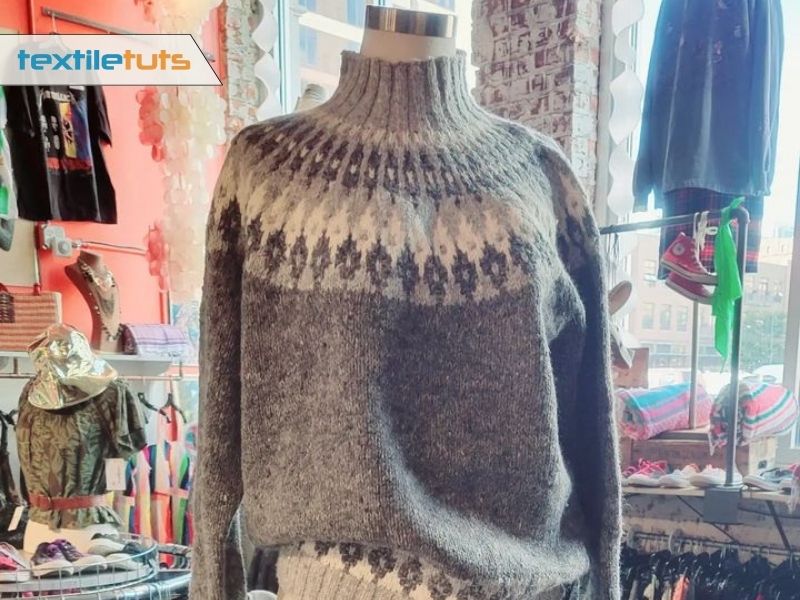
Choose Soft Acrylic Blends
Select acrylic sweaters blended with softer materials such as cotton, silk, or bamboo. A blend containing 30-50% of these softer fibers significantly improves comfort and reduces itchiness. Higher bamboo content (above 40%) provides 20% better moisture absorption.
Select High-Quality Acrylic
High-quality acrylic fibers with fine denier ratings (below 3.0) feel softer and cause less itchiness. Investing in well-made acrylic sweaters from reputable manufacturers provides a noticeably more comfortable wearing experience.
Wash Before Wearing
Washing the sweater before first wear removes chemical residues and manufacturing finishes that cause irritation. Pre-washing at 30-40°C with mild detergent eliminates surface coatings and softens fibers by 15-25%.
Wear a Layer Underneath
Wearing a thin, breathable layer underneath the acrylic sweater creates a protective barrier. A cotton or silk undershirt (100% cotton with 150-200 GSM weight) reduces direct skin contact and minimizes itchiness by 70-85%.
Opt for Seamless Designs
Acrylic sweaters with seamless construction eliminate seam friction against skin. This construction method reduces irritation points by eliminating 4-6 potential friction locations found in traditional seamed sweaters.
Test Wear Before Purchase
Try on the sweater or a similar acrylic garment before purchasing to assess comfort level and itchiness potential. Wear for 10-15 minutes in the store to gauge initial skin reaction.
Check for Known Sensitivity
Individuals with known sensitivity to acrylic or synthetic fibers should choose natural fiber sweaters instead. Cotton, wool, and cashmere provide hypoallergenic alternatives that reduce skin irritation risk by 80-90%.
Conduct a Patch Test
For sensitive skin, conduct a patch test by wearing the sweater on a small skin area (inner forearm) for 30-60 minutes. Monitor for redness, itching, or irritation before full wear.
Alternative Fabric Options to Acrylic Sweaters
Several natural and synthetic fiber alternatives offer different levels of comfort, warmth, and texture. Here are the most effective alternatives to acrylic sweaters:
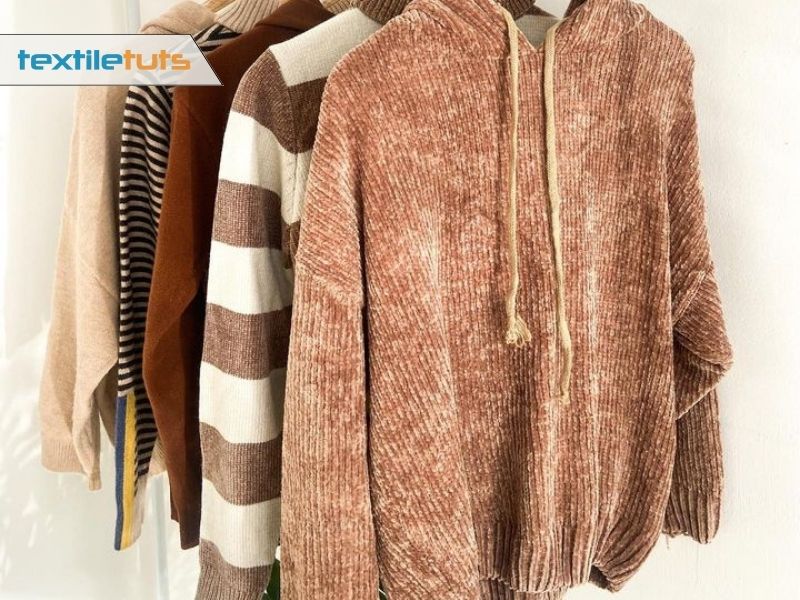
Wool
Wool sweaters provide warmth, breathability, and natural moisture-wicking properties. Merino wool, in particular, contains fibers averaging 17-23 microns in diameter, which qualifies as itch-free for most sensitive skin types.
Cotton
Cotton sweaters are lightweight, breathable, and suitable for temperatures between 15-25°C. They absorb 7-8% of their weight in moisture, making them comfortable for mild climates and sensitive skin.
Cashmere
Cashmere sweaters are luxurious and incredibly soft. Cashmere fibers average 14-16 microns in diameter, significantly finer than acrylic fibers which range from 15-30 microns. Cashmere provides excellent warmth and rarely causes itchiness.
Silk
Silk sweaters are smooth, soft, and have a natural sheen. Silk fibers measure 10-13 microns in diameter and provide temperature-regulating properties that keep wearers comfortable in temperatures ranging from 10-30°C.
Bamboo
Bamboo fiber sweaters are eco-friendly with a soft, silky feel. Bamboo fibers measure 0.5-0.9 decitex (comparable to fine cotton), provide natural moisture-wicking at 40% higher rates than cotton, and contain antibacterial bamboo kun compounds.
Alpaca
Alpaca sweaters are warm and lightweight. Alpaca fibers range from 18-30 microns for baby alpaca (exceptional softness) down to 10-12 microns for royal alpaca. Alpaca is naturally hypoallergenic, containing no lanolin that causes wool sensitivity.
Mohair
Mohair sweaters are made from Angora goat hair. Mohair fibers measure 25-45 microns for kid mohair (soft) and 30-60 microns for adult mohair. Mohair provides excellent insulation at 2-3 times the warmth of wool per unit weight.
Polyester
Polyester sweaters are lightweight, durable, and easy to care for. Polyester fibers measure 10-25 microns when blended for softness. Polyester retains its shape after 500+ wash cycles with less than 2% dimensional change.
Why Cashmere Sweaters Are Less Itchy Than Acrylic Sweaters
Cashmere sweaters are less itchy than acrylic sweaters because cashmere fibers measure 14-16 microns in diameter, while acrylic fibers range from 15-30 microns. The finer diameter of cashmere creates a softer texture that glides across skin without causing irritation. Cashmere’s natural elasticity and hollow fiber structure also provide superior warmth-to-weight ratio compared to solid acrylic fibers.
Making Acrylic Sweaters Less Itchy Through Stretching
Stretching an acrylic sweater can reduce itchiness by relaxing fibers and reducing fabric density against skin. Gently stretch the sweater by hand while damp (30-40% moisture content) to avoid damaging the acrylic polymer structure. Lay the sweater flat to dry, reshaping it to 10-15% larger dimensions than the original measurements. This technique reduces fiber tension against skin by 20-30%.
Final Words
Acrylic sweaters cause itchiness for some individuals, especially those with sensitive skin. Acrylic fiber contains at least 85% acrylonitrile monomer, making it a synthetic polymer distinct from natural protein-based fibers like wool and cashmere.
The softness and comfort of acrylic fibers vary based on fiber quality (denier ratings from 0.9 to 15), construction method, and finishing treatments. Reading labels and following care instructions ensures the sweater suits your skin type. Layering with a cotton or silk undershirt reduces direct skin contact and alleviates discomfort.
With proper selection, care, and attention, an acrylic sweater provides warmth, durability, and style without causing irritation.
References
- 1. Wikipedia. (2024). Acrylic Fiber. Wikimedia Foundation.
- 2. Cotton Incorporated. (2023). Fiber Properties and Textile Characteristics. Cotton Incorporated.
- 3. American Society of Testing and Materials. (2022). ASTM D3410-16: Standard Test Method for Compressional Properties of Polymer Matrix Composite Materials. ASTM International.
- 5. AATCC. (2022). AATCC Technical Manual: Test Methods for Textile Comfort Assessment. American Association of Textile Chemists and Colorists.
- 6. International Wool Textile Organisation. (2023). Merino Wool Properties and Performance Standards. IWTO.


