
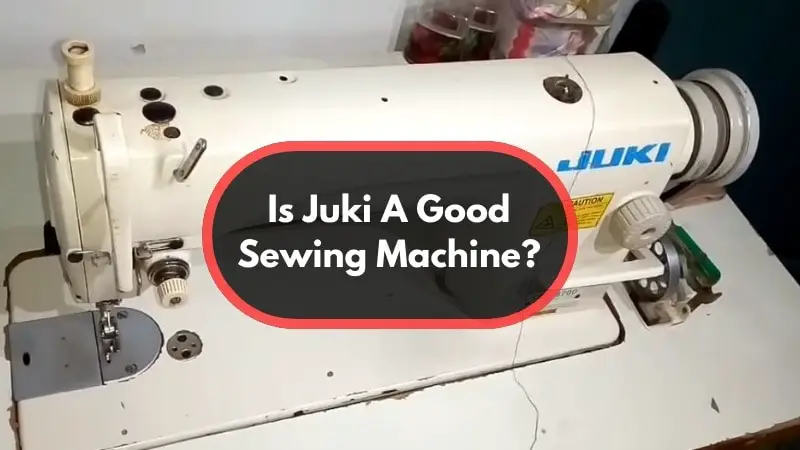
Is Juki A Good Sewing Machine? Insights, Features, Price, and More!

Yes — Juki is an exceptionally good sewing machine brand, widely regarded as one of the best in the industry. Juki holds the world’s number one market share for industrial sewing machines, has acquired 1,527 patents in sewing technology, and distributes products across more than 185 countries. Whether you need a machine for home sewing, quilting, or industrial production, Juki’s 85+ years of Japanese engineering expertise deliver proven durability, reliability, and stitch quality that both professionals and hobbyists consistently praise.
This guide covers everything you need to know: Juki’s history, the six main types of machines they offer, their key features, pricing across all tiers, and how to choose the right model for your projects.
History and Production of Juki Sewing Machines
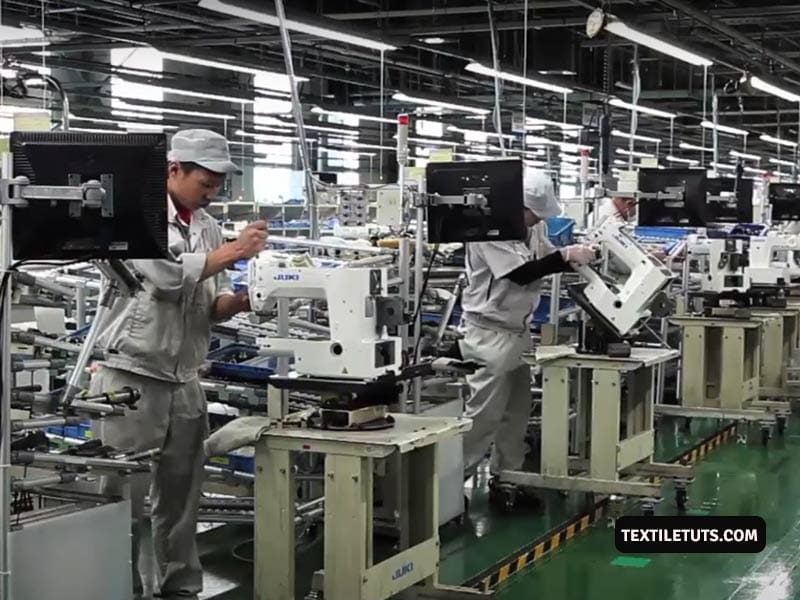
Juki sewing machines compete at the top tier alongside brands like Singer, Brother, Bernina, and Janome, representing one of the most respected names in both commercial and home sewing equipment.
Akira Kiyohara founded Juki on December 15, 1938, in Tokyo, Japan. The company began as a small sewing machine repair shop with ambitious goals. In 1945, after World War II ended, Juki began mass production of sewing machines.
By the end of 1953, Juki had become one of Japan’s leading sewing machine manufacturers. Throughout the 1960s, Juki expanded globally, establishing production facilities in the United States, Taiwan, and other Asian nations.
By the 1970s, Juki achieved dominance in the global sewing machine market, exporting to over 160 countries. The company expanded into surface mount technology (SMT) equipment through a partnership with Sony Corporation. In 2018, Juki announced an IoT collaboration with Hitachi to advance digitalization in manufacturing. The company maintains its headquarters in Tsurumaki, Tama, Tokyo, and employs 4,621 people globally as of December 2024, with revenue of JPY 95.2 billion in fiscal year 2024.
Juki currently holds the world’s number one market share for industrial sewing machines and has acquired 1,527 patents as of December 2025, demonstrating its commitment to continuous innovation in sewing technology.
6 Types of Juki Sewing Machines
Juki has over 85 years of manufacturing experience. The company operates production facilities in Japan, China, and Vietnam, exporting quality machines to more than 185 countries worldwide. Whether you are a hobbyist or a professional designer, Juki offers targeted solutions for every skill level and application.
| Machine Type | Best For | Price Range (USD) | Key Specs |
|---|---|---|---|
| Industrial-Purpose | High-volume production, commercial applications | $1,000 – $10,000+ | 5,000+ SPM, continuous duty motors |
| Home Usage | Hobbyists, beginners, personal projects | $200 – $700 | Mechanical & computerized options |
| Mechanical | Traditional sewists, long-term investment | $200 – $500 | 100+ year lifespan, ISO 4915 stitch standards |
| Quilting | Quilters, large project handling | $300 – $2,000 | 23″ workspace (TL-2000Qi), 1,500 SPM |
| Computerized | Advanced users, precision stitching | $500 – $5,000 | 225 stitches, LCD screens, auto tension |
| SMT Assembly | Electronics manufacturing | Varies widely | Pick-and-place, reflow ovens |
Industrial-Purpose Sewing Machines
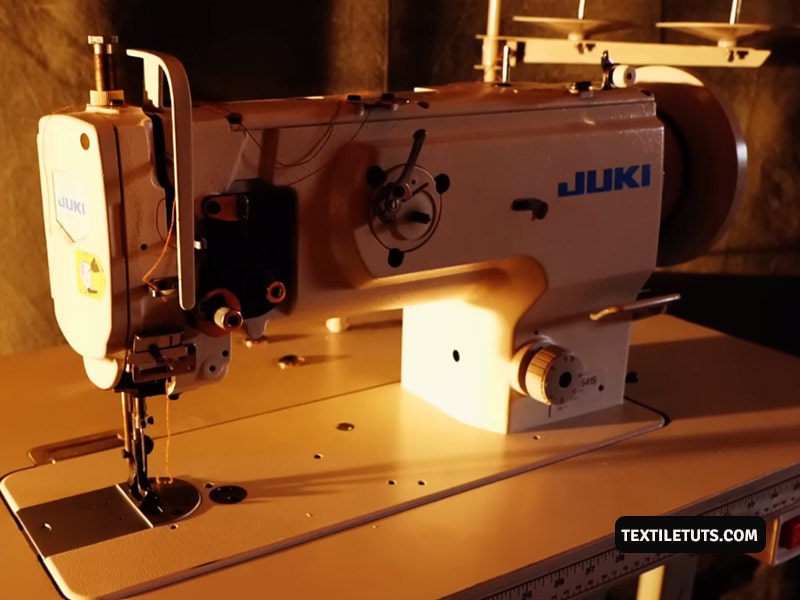
Juki is the world’s leading producer of industrial-purpose sewing machines, offering an extensive range of models for commercial applications. These machines deliver exceptional efficiency, performance, and reliability in high-volume production environments.
Popular industrial categories include overlock, lockstitch, chain stitch, and cover-stitch machines. Juki also manufactures specialized equipment for challenging materials such as upholstery fabric, leather, denim, and technical textiles. Industrial machines from Juki typically operate at speeds exceeding 5,000 stitches per minute (SPM).
Home Usage Machines
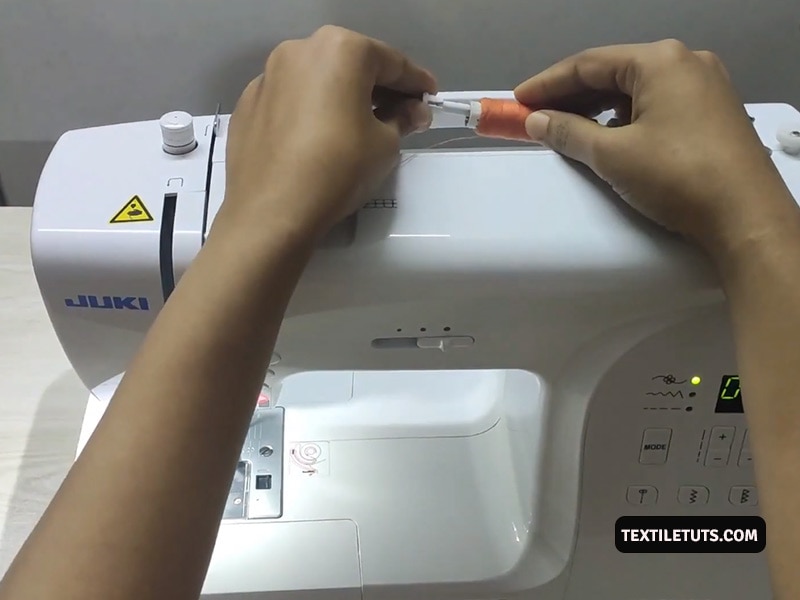
Juki home sewing machines have earned a strong reputation for ease of use, durability, and advanced features at competitive price points. These machines suit everyone from beginners to experienced sewists.
Home machine categories include traditional mechanical models, quilting machines, compact digital machines, and sergers. Entry-level home machines range from $200 to $700, making them accessible for hobbyists starting their sewing journey.
Mechanical Machines
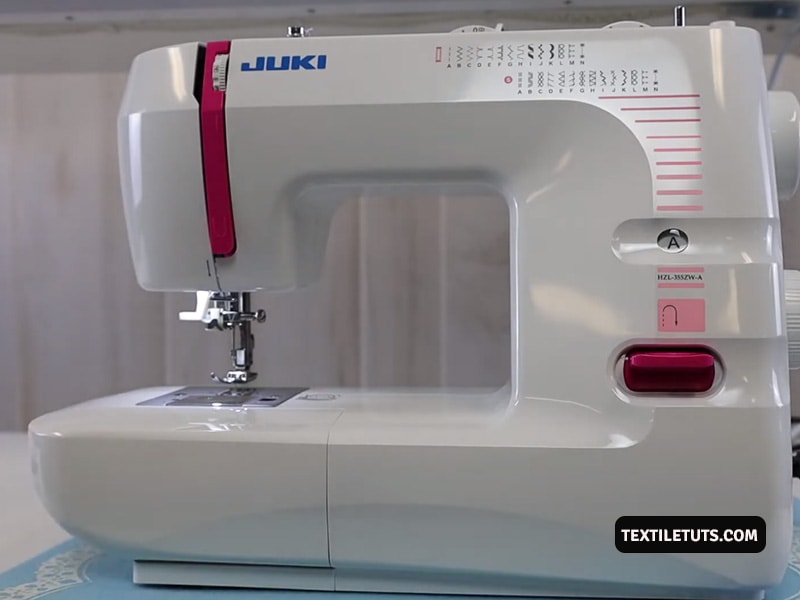
Mechanical Juki sewing machines offer traditional, straightforward operation with reliable stitching performance. These models provide flexibility in stitch selection and straightforward maintenance requirements.
According to ISO 4915:1991, over three dozen distinct stitch formations exist using one to seven threads. Mechanical machines can last over 100 years with proper maintenance, making them a long-term investment for serious sewists.
Quilting Machines
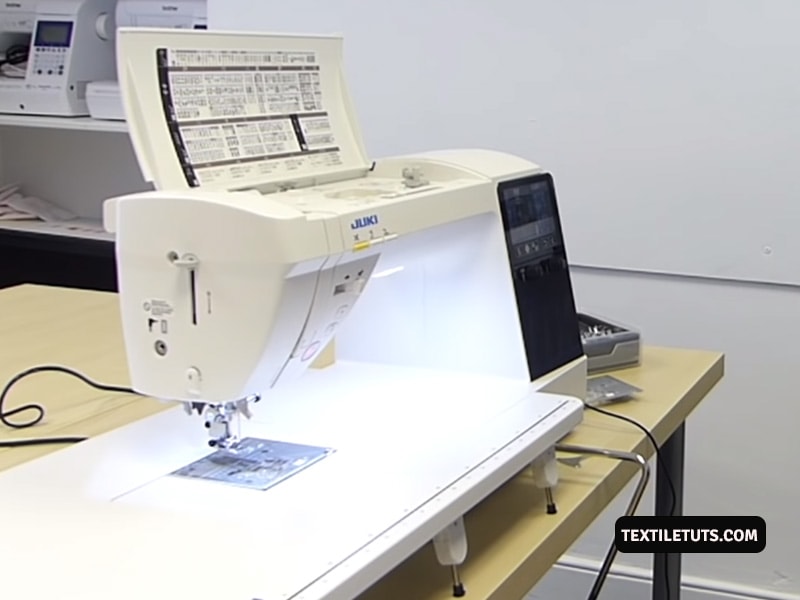
Juki quilting machines feature extended throat depths and expansive work surfaces designed specifically for managing large quilting projects. The Juki TL-2000Qi offers a work area extending to 23 inches with its auxiliary table, measuring 17.75″ W x 9″ H x 8.5″ D.
The TL-2000Qi operates at 1,500 stitches per minute, enabling rapid completion of quilting projects. It weighs 25.4 lbs and features aluminum die-cast construction for stability during high-speed stitching. Juki quilting machines typically range from $300 to $2,000 depending on features and capabilities.
Computerized Machines
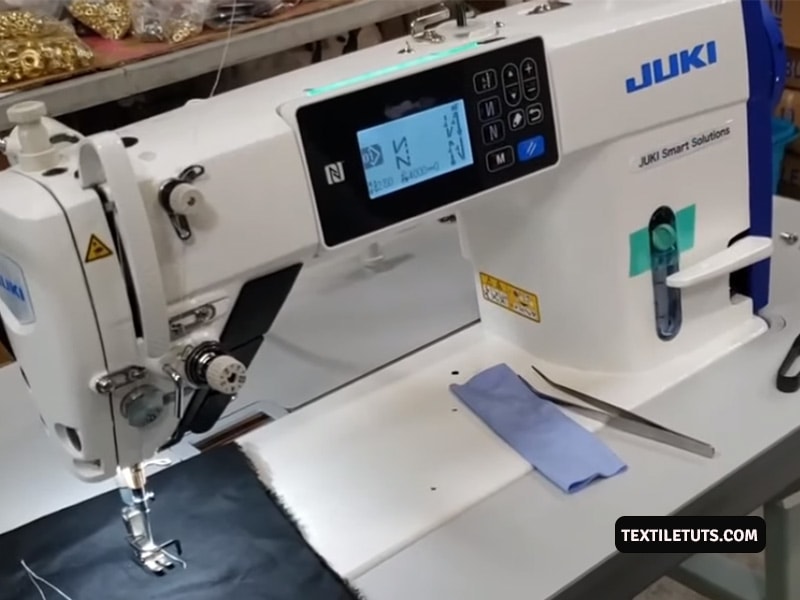
Juki computerized sewing machines represent the pinnacle of sewing technology, incorporating advanced digital features that revolutionize stitch precision and ease of use.
The Juki HZL-F600 Exceed Quilt Pro Special offers 225 built-in stitches, including 16 buttonhole styles and 4 lettering fonts. It reaches maximum speeds of 900 stitches per minute, features a Class 15 bobbin, and uses the 130R/705H needle system.
Computerized models include LCD screens for intuitive stitch selection, automatic thread tension adjustment, and programmable stitch patterns. These machines range from $500 to $5,000 depending on features and capabilities.
Advanced SMT Assembly Equipment
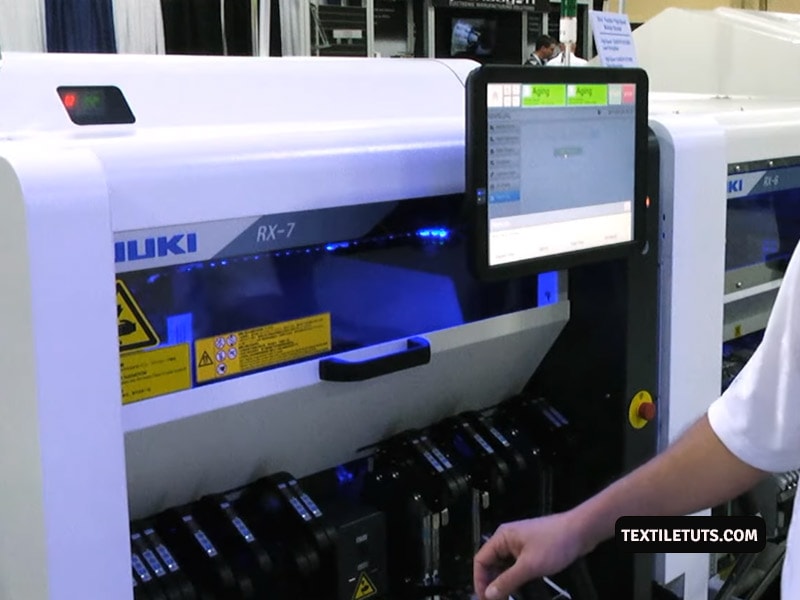
Juki has diversified beyond sewing machines into surface mount technology (SMT) assembly equipment. SMT refers to the production of machines and electronic devices with printed circuit boards (PCBs) attached using surface mount components.
Juki’s SMT division produces printers, pick-and-place machines, and reflow ovens for industrial applications. These machines serve electronics manufacturing across home electronics to automotive industries.
The company offers a range from compact desktop feeders for small-batch production to large-scale systems capable of handling millions of components daily for mass manufacturing operations.
Key Features of Juki Sewing Machines
Beyond high-quality construction, Juki sewing machines include unique advanced features that distinguish them from competitors. The following highlights the most valued capabilities across their product lineup.
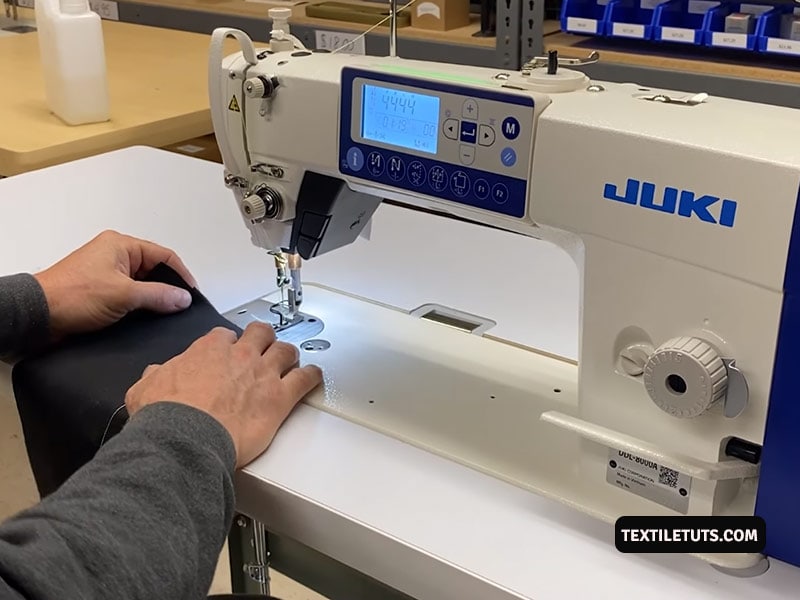
Expanded Sewing Workspace
Juki designs its machines with expanded throat depths and wider work surfaces. The TL-2000Qi quilting machine provides 17.75 inches of horizontal workspace, extending to 23 inches with the included auxiliary table — essential for managing large quilts and bulky fabrics.
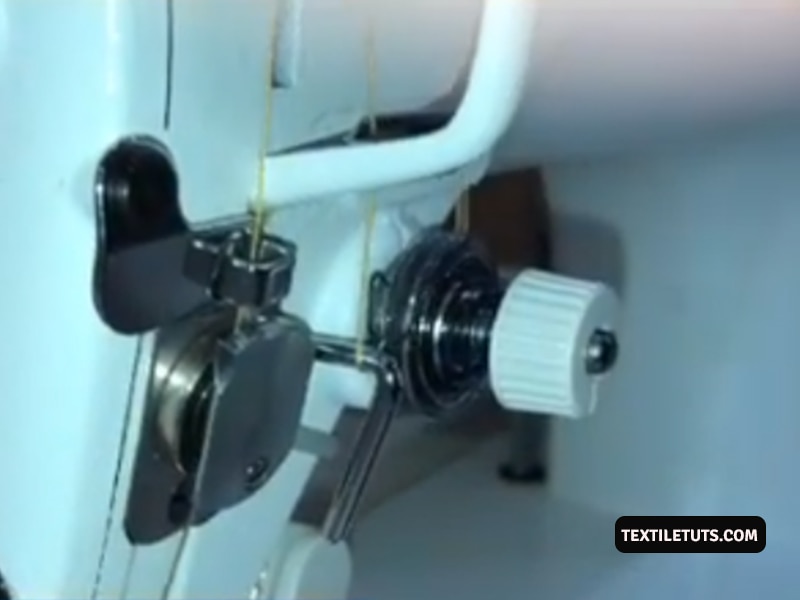
Automatic Thread Trimmer
The automatic thread trimmer cuts excess thread with a single tap or programmable function, eliminating manual scissors and reducing project completion time by up to 30% on detailed work.
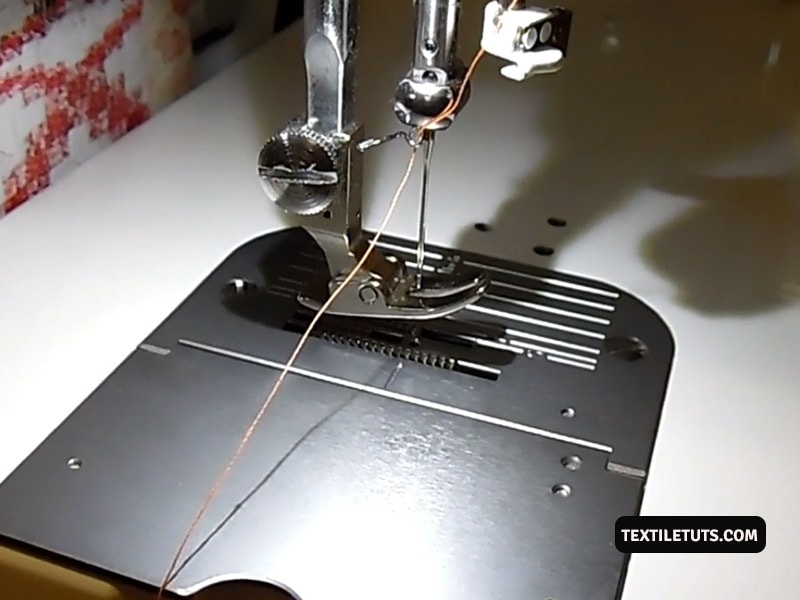
Automated Needle Threader
The automated needle threader threads the needle in seconds, eliminating eye strain and frustration — particularly valuable for users with visual impairments or limited dexterity.
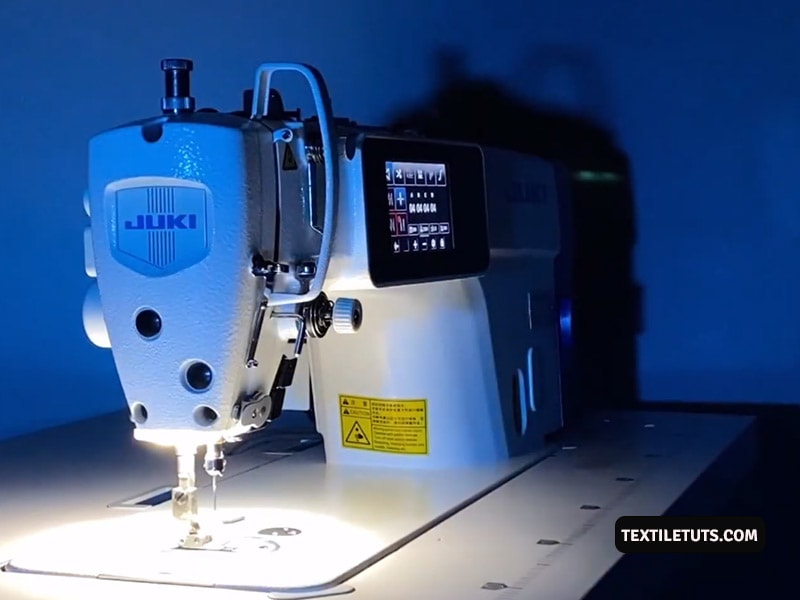
Advanced LCD Screen
Computerized Juki models feature LCD displays showing stitch width, length, style, and tension settings at a glance. Users can preview and modify stitch patterns directly on the screen before sewing.
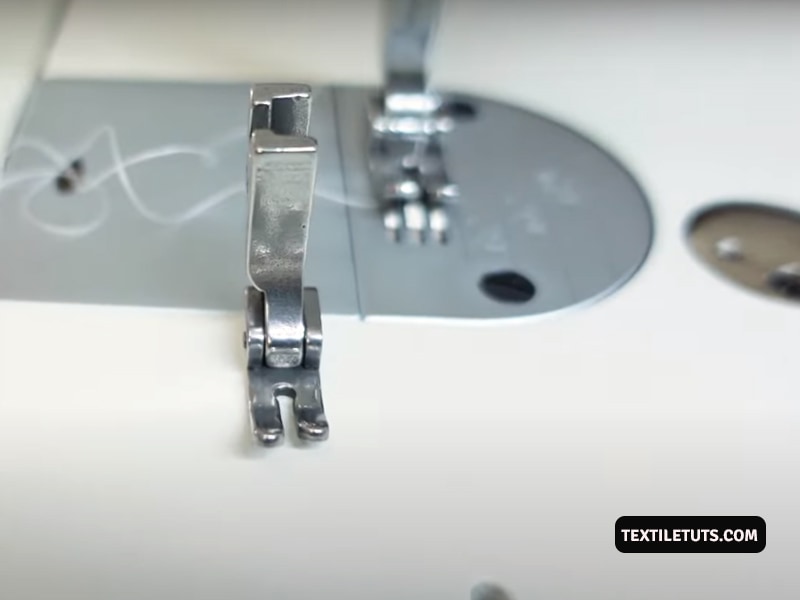
Convertible Presser Foot
The adjustable presser foot allows users to modify foot pressure between 0 and 2,000 Pa depending on fabric type. This accommodates materials ranging from sheer silk to thick denim and multiple layers of upholstery fabric.
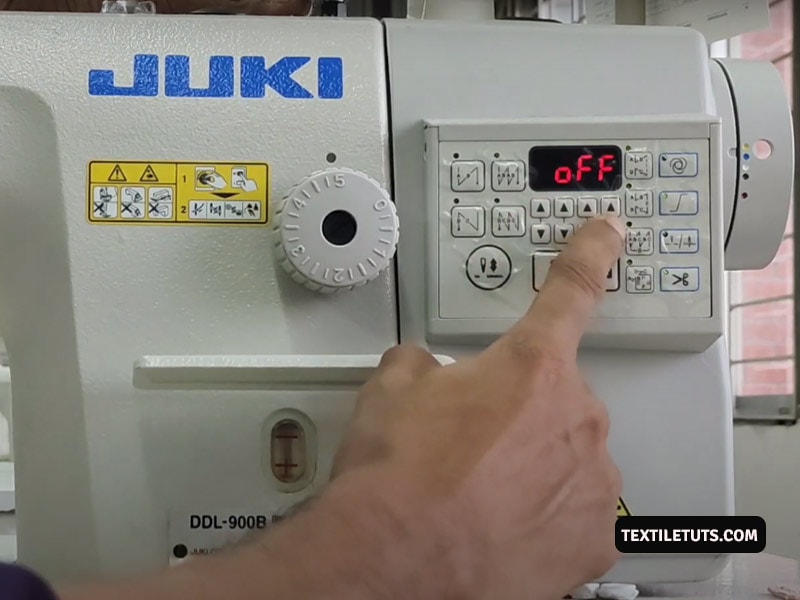
Precision Speed Control
Juki machines offer adjustable sewing speeds from 80 to 1,500 SPM depending on the model. The microcomputer-controlled speed regulation maintains consistent stitch length even during acceleration and deceleration.
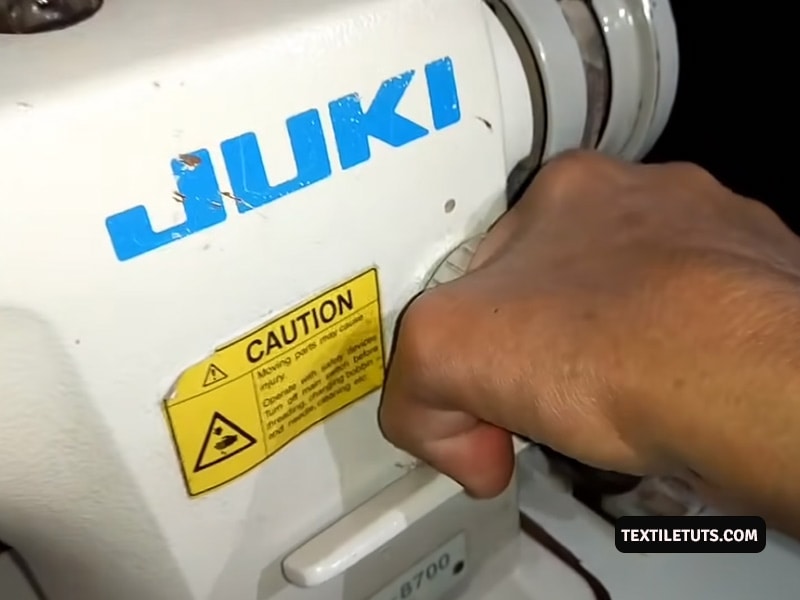
Stitch Width and Length Adjustment
Juki machines allow precise stitch width adjustment from 0 to 7mm and stitch length from 0 to 5mm. The HZL-F600 alone offers 225 distinct stitch patterns including utility stitches, decorative patterns, and alphabets.
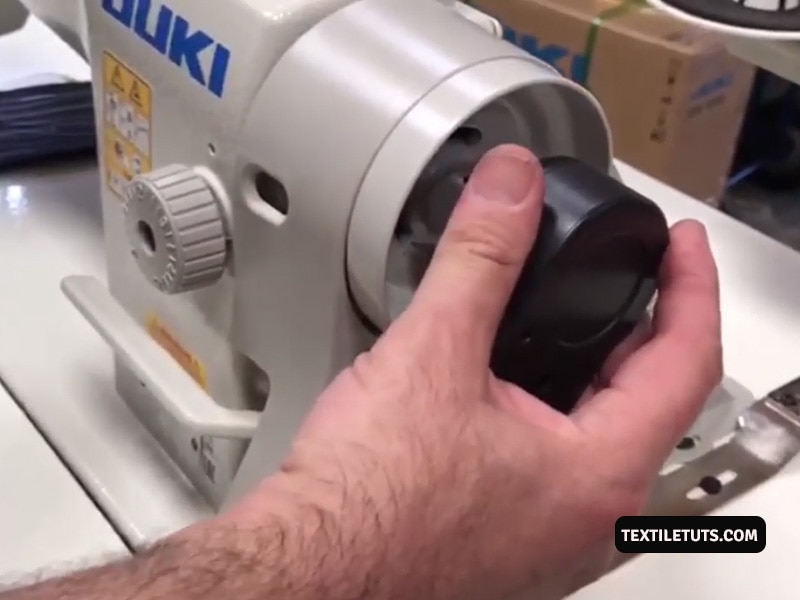
Adjustable Needle Positioning
The adjustable needle position allows movement to 7 distinct positions (left, center, and 5 right positions) with a 2.3mm increment between positions. This enables precise zipper insertion, cording, and blind hem stitching.
Why You Should Choose a Juki Sewing Machine
Whether you are a beginner or a professional, Juki offers machines tailored to every skill level and budget. The following attributes consistently rank among the top reasons sewists choose Juki.
Durability
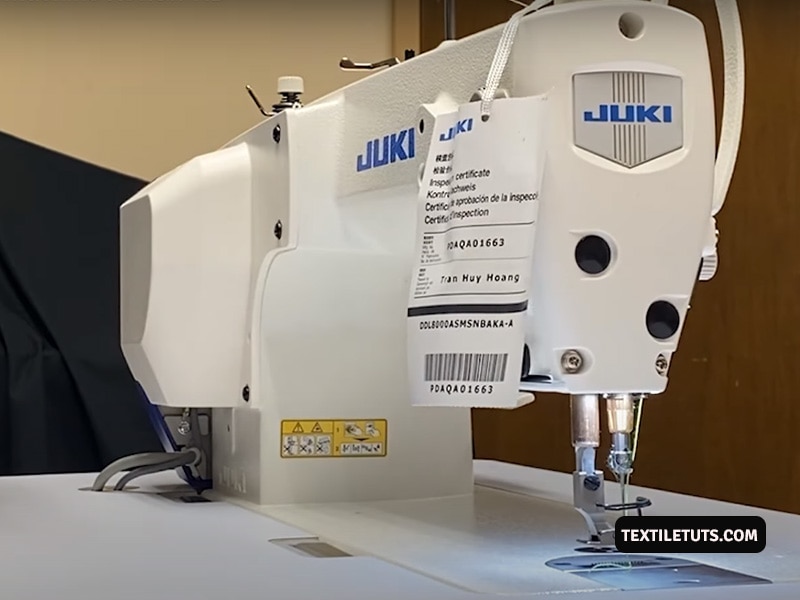
Juki constructs machines to withstand decades of heavy use. Mechanical models in particular can last over 100 years with proper maintenance, according to industry durability studies. The company’s industrial models feature motors rated for continuous 8-hour operation cycles at speeds exceeding 5,000 SPM.
Ease of Use
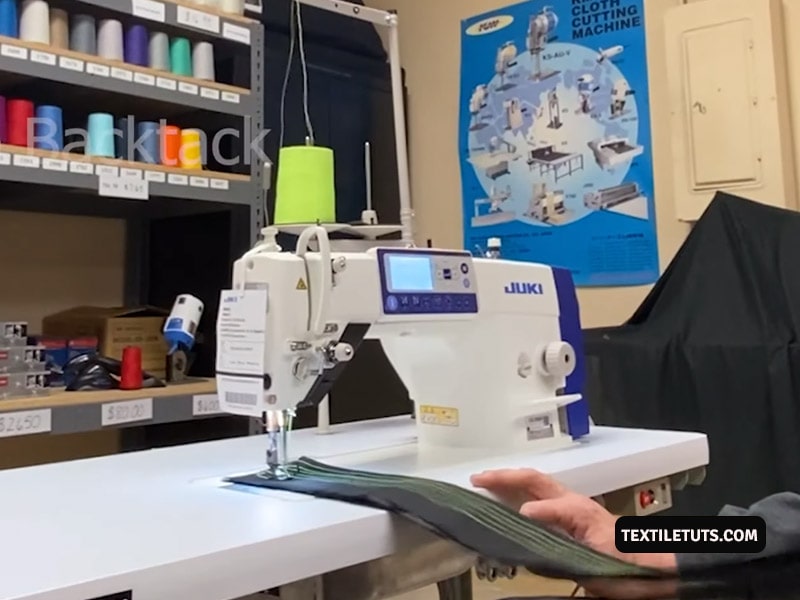
Juki designs machines with intuitive controls and thoughtful feature placement. The automated needle threader, one-touch stitch selection, and LCD interfaces reduce the learning curve for beginners while offering depth for advanced users.
For new sewists, models like the HZL-70HW provide straightforward mechanical operation without overwhelming digital features.
Reliability
Juki’s engineering focuses on consistent stitch quality across fabric types and thicknesses. Industrial models undergo testing cycles exceeding 10,000 hours of continuous operation before market release.
The company’s servo motor technology reduces energy consumption by up to 70% compared to traditional clutch motors while eliminating noise when the machine is idle.
Versatile Feature Sets
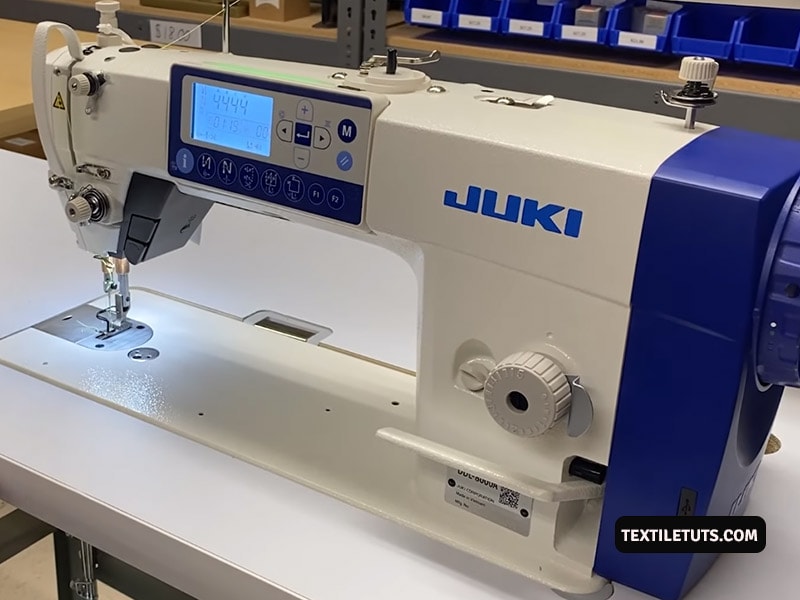
Juki offers the broadest feature range in the sewing machine industry, from basic mechanical models to advanced computerized systems with 225+ stitch patterns. Specialized models target quilting, embroidery, serging, and heavy-duty industrial applications.
No matter your next project — quilting, dressmaking, leatherworking, or embroidery — Juki manufactures a machine specifically designed for that application.
Heavy-Duty Construction
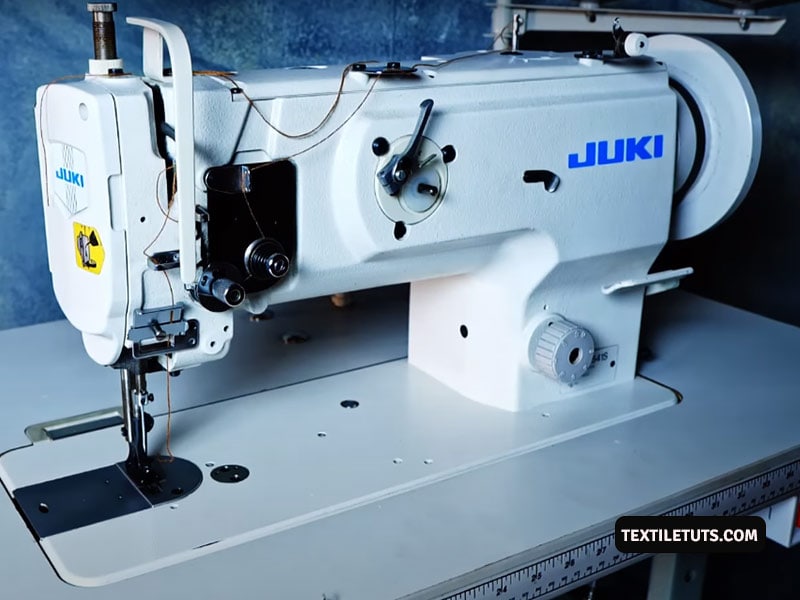
Juki machines handle multiple layers of denim, canvas, and leather without hesitation. The aluminum die-cast frame construction provides stability at speeds up to 1,500 SPM while minimizing vibration during extended sewing sessions.
User-Friendly Controls
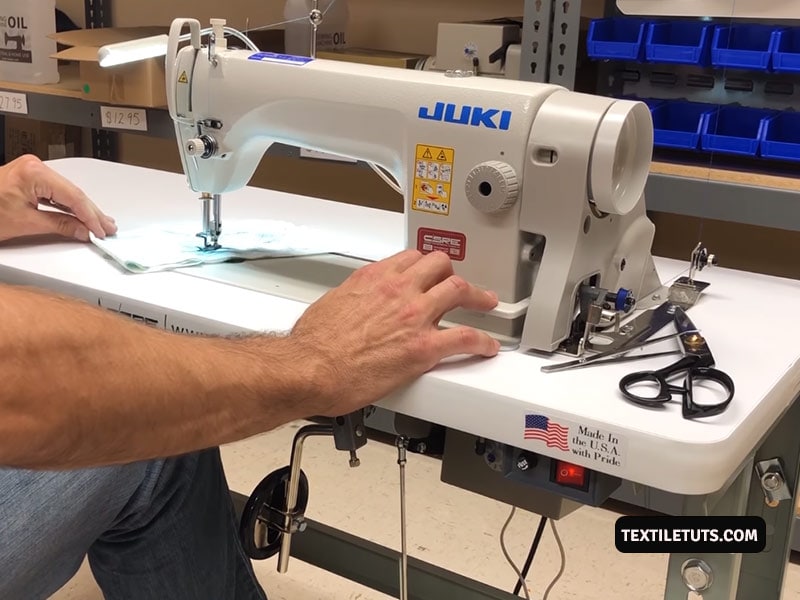
Juki’s control layouts prioritize frequently-used functions with clearly labeled buttons and dials. The knee lift lever on quilting models like the TL-2000Qi frees both hands for fabric manipulation during complex projects.
Juki Sewing Machine Pricing Guide
Juki offers sewing machines across all price brackets, from budget-friendly home models to professional-grade industrial equipment. Understanding what each tier provides helps you select the right machine for your needs.
Industrial sewing machines command the highest prices due to their enhanced durability, faster speeds, and components rated for continuous operation. These machines start at $1,000 and can exceed $10,000 for specialized automated systems.
| Model | Price (USD) | Type |
|---|---|---|
| Juki DDL-8700 | $1,099.99 | Industrial Lockstitch |
| Juki HZL-LB5100 | $999.99 | Home computerized |
| Juki DDL-9000B | $1,299.99 | Industrial Lockstitch |
| Juki LZ-2290A | $1,499.99 | Industrial Bartack |
| Juki TL-2000Qi | $2,499.99 | Quilting Specialist |
| Juki HZL-F600 | $2,299.00 | Computerized Quilt Pro |
Home sewing machines range from $200 to $700 for entry-level and mechanical models. These machines handle fabrics from cotton to lightweight knits effectively for personal sewing projects.
Computerized home machines with LCD screens, automatic threading, and extensive stitch libraries range from $500 to $5,000. The higher end includes professional-grade features like the 225-stitch HZL-F600 at $2,299.
Quilting, serger, and specialized embroidery machines fall in the $300 to $2,000 range. Mid-range options like the Juki MO-1000 serger provide professional overlock capabilities at hobbyist-friendly price points.
Frequently Asked Questions About Juki Sewing Machines
The Best Juki Sewing Machine Models
Top Juki recommendations vary by experience level and use case: the HZL-70HW suits beginners, the HZL-LB5100 at $999.99 offers computerized features at mid-range pricing, the HZL-F600 excels for quilting with 225 stitches, and the TL-2000Qi remains the gold standard for serious quilters at 1,500 SPM.
Juki Machines and Leather Sewing
Juki industrial machines sew leather and other thick materials effectively. The recommended needle for leather is size 16-18 with a wedge-point design. Always verify your specific model’s throat depth and presser foot pressure specifications before sewing heavy materials.
Longevity of Juki Sewing Machines
Juki sewing machines last an average of 10 to 20 years with proper maintenance. Mechanical models can exceed 25 years of regular use. Key longevity practices include oiling moving parts every 50 hours of operation, replacing needles every 16 hours of sewing, and storing machines in climate-controlled environments.
Conclusion
Juki stands as a definitively excellent choice for sewists at every level. With 85+ years of manufacturing expertise, world-leading industrial market share, and products distributed across 185+ countries, Juki delivers proven reliability backed by 1,527 patents in sewing technology.
The brand offers machines spanning entry-level home models under $300 to industrial systems exceeding $10,000. Every Juki machine incorporates Japanese engineering standards emphasizing durability, precision, and user-focused design.
For a reliable, durable, and high-performing sewing machine that will serve you for years, Juki represents a proven investment in your creative pursuits.
References
- Wikipedia. (2024). Juki Corporation. Wikipedia, The Free Encyclopedia.
- Wikipedia. (2024). Sewing Machine — ISO 4915:1991 Stitch Standards. Wikipedia, The Free Encyclopedia.


