
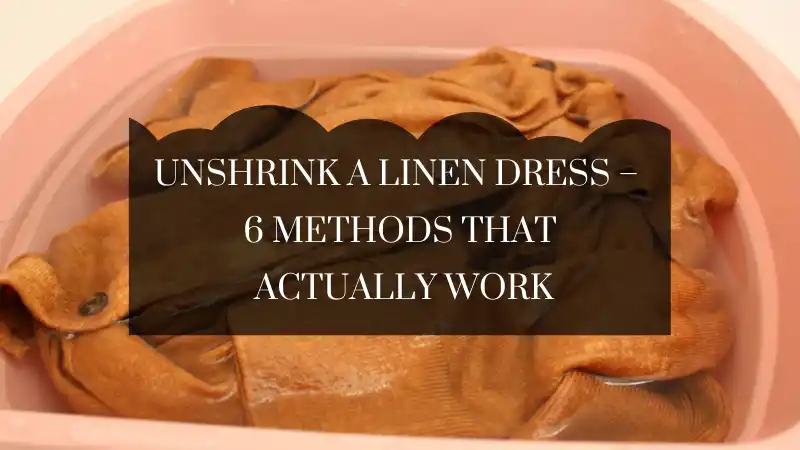
How to Unshrink A Linen Dress – 6 Methods That Actually Work

Yes — linen can be unshrunk using controlled moisture and heat to relax contracted fibers. The moisture-absorption properties of flax fibers make them responsive to re-swelling treatments, allowing skilled restorers to restore near-original dimensions. Linen is unique among major textile fibers in that it improves in quality with each proper wash, meaning the fabric becomes softer and more supple even after restoration — provided you avoid water temperatures above 40°C (104°F) afterward.
Linen is derived from flax fibers (Linum usitatissimum), with individual fibers ranging from 25 to 150 mm in length and averaging 12–16 micrometers in diameter. Linen fibers are wrapped tighter than cotton fibers, giving linen fabric up to three times the tensile strength. The cellulose structure in linen yarn makes it highly durable — with proper care, a linen garment lasts decades.
Critical temperature threshold: Linen shrinks when exposed to water above 40°C (104°F) or high-heat tumble drying, because the hydrogen bonds between cellulose fibers weaken and the fibers contract, reducing fabric dimensions by 3–7% depending on the weave and pre-wash treatment. Once shrinkage occurs, the same fiber-swelling principle allows restoration through controlled re-exposure to lukewarm water and steam.
How Does Linen Shrink?
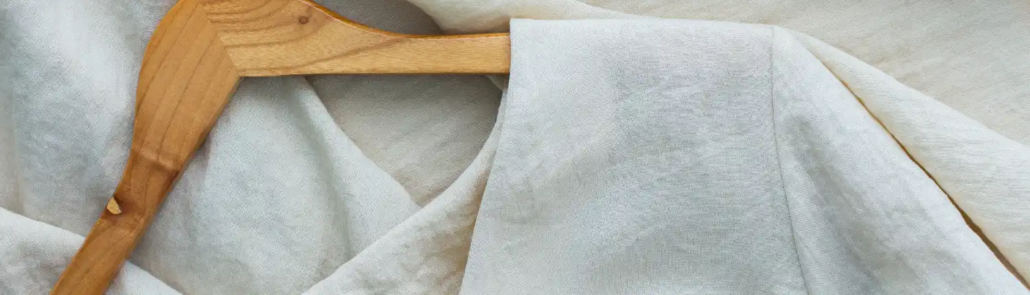
Linen shrinks when the tightly woven fibers contract under heat exposure through a process called fiber swelling. When linen is washed in water above 40°C (104°F) or tumble-dried on high heat, the hydrogen bonds between cellulose fibers weaken and the fibers contract, reducing the fabric’s overall dimensions by 3–7% depending on the weave and pre-wash treatment.
The degree of shrinkage depends on three factors: water temperature (higher than 40°C/104°F increases risk), mechanical agitation intensity, and whether the fabric has been pre-shrunk during manufacturing. Fabric that has been pre-washed or sanforized shrinks less than raw loomstate linen.
Can You Unshrink Linen?
Yes, linen can be unshrunk. The moisture-absorption properties of flax fibers make them responsive to controlled re-swelling, which allows skilled restorers to relax the contracted fibers and restore near-original dimensions. Linen is the only major textile fiber that improves in quality with each wash when cared for properly, meaning the fabric becomes softer and more supple even after repeated laundering.
To unshrink linen without causing further damage, avoid washing in water above 40°C (104°F) or using high-heat dryer cycles. Repeated exposure to temperatures above the shrinkage threshold causes cumulative shrinkage that cannot be reversed.
Six Methods for Restoring Shrunken Linen
The following six methods have proven effective for restoring shrunken linen garments. Each method uses controlled moisture and temperature to relax contracted fibers.
| Method | Temperature | Duration | Best For |
|---|---|---|---|
| 1. Lukewarm Wash with Baby Shampoo | 30–35°C (86–95°F) | 15–20 minutes | General restoration, mild shrinkage |
| 2. Steam Treatment in Bathroom | 40–45°C (104–113°F) | 15–20 minutes | Full garment, even shrinkage |
| 3. Damp Ironing with Steam | 148–170°C (300–340°F) | 10–15 minutes | Targeted areas, severe shrinkage |
| 4. Freeze-and-Stretch | -5°C to -10°C (14–23°F) | 1–2 hours freeze | Stubborn contracted fibers |
| 5. Wear-and-Stretch While Damp | Room temp (body heat) | 1–2 hours | Mild shrinkage under 3% |
| 6. Controlled Hairdryer | 50–60°C (122–140°F) | 30–45 sec per section | Specific shrunken spots |
Method 1: Lukewarm Wash with Baby Shampoo
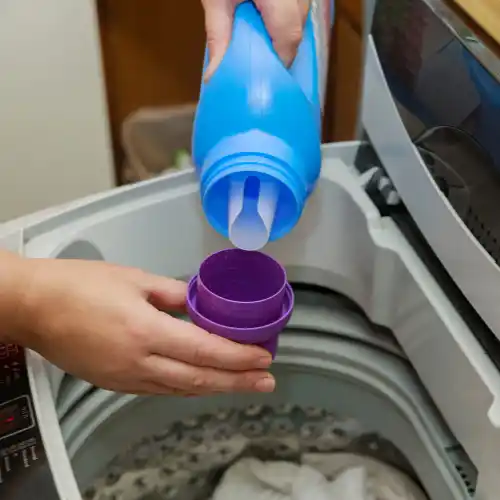
This method uses the moisture-reabsorption principle to gently restore shrunken linen. Fill a basin with lukewarm water at 30–35°C (86–95°F) and add 1–2 tablespoons of baby shampoo. Submerge the garment and gently massage the fabric for 2–3 minutes to work the solution through the fibers.
Allow the garment to soak for 15–20 minutes. The baby shampoo acts as a mild conditioning agent that reduces fiber-to-fiber friction, allowing the contracted cellulose bundles to relax and re-swell. After soaking, rinse thoroughly with cool water at 20–25°C (68–77°F) to remove all shampoo residue. Lay the garment flat on a clean towel and gently stretch it back to its original dimensions before allowing it to air dry.
Method 2: Steam Treatment in the Bathroom
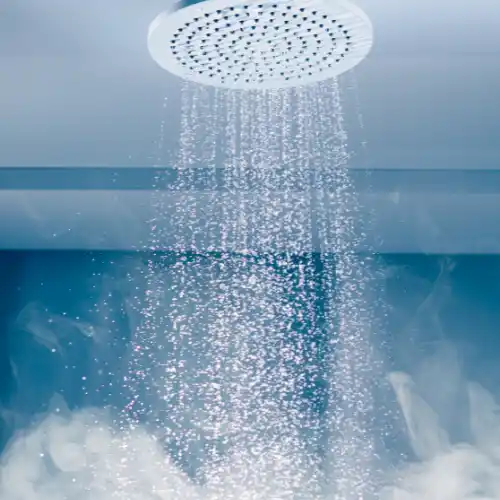
Steam is highly effective for restoring linen because it re-introduces moisture to the fibers at a controlled temperature. Hang the shrunken garment in a bathroom while running a hot shower at maximum temperature. The bathroom fills with steam at approximately 40–45°C (104–113°F), which causes the linen fibers to absorb moisture and relax without the mechanical agitation of a washing machine.
Leave the garment in the steam-filled bathroom for 15–20 minutes. The steam penetrates the fiber bundles and eases the tension that caused the shrinkage. After steaming, lay the garment flat immediately and gently stretch it back to its original dimensions while it is still damp. Finish with a cool-iron press at 148–170°C (300–340°F) to set the restored shape.
Method 3: Damp Ironing with Steam
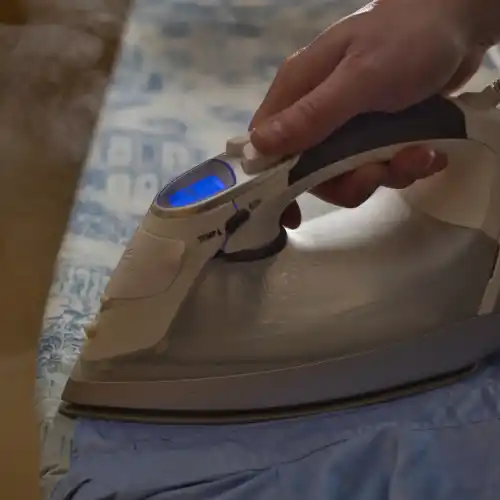
Ironing works through the combined action of heat and moisture, which together cause linen fibers to relax and become malleable. Set your iron to the linen setting: 148–170°C (300–340°F). Lightly mist the garment with water or use the iron’s steam function while pressing.
Work in sections, applying firm even pressure as you iron. For severely shrunken areas, stretch the fabric gently with your free hand as you iron. This method is particularly effective because linen can withstand high temperatures — the iron heat causes the contracted fibers to release their hydrogen bonds and return to a near-original configuration. Never use a synthetic setting below 110°C (230°F) on linen, as this temperature is insufficient to relax the fibers.
Method 4: Freeze-and-Stretch Technique
This method uses temperature shock to relax linen fibers. Soak the shrunken garment in lukewarm water at 30–35°C (86–95°F) for 15 minutes. Wring it out until it is damp but not dripping wet. Place the damp garment in a sealed plastic bag and freeze it for 1–2 hours at -5°C to -10°C (23–14°F).
The freezing temperature causes the moisture within the fibers to crystallize, which reduces internal tension and makes the fibers more pliable. After removing the garment from the freezer, thaw it for 10 minutes at room temperature, then immediately stretch it back into shape. Finish with a flat iron press at 148–170°C (300–340°F) to set the restored dimensions permanently.
Soak the linen item in lukewarm water for 15 minutes, then wring it out until it is damp. Place the damp clothing in a sealed plastic bag and freeze for 1–2 hours. Thaw for 10 minutes, then stretch and iron immediately.
Method 5: Wear-and-Stretch While Damp
This method leverages the natural body heat and movement to restore shrunken linen. Wet the garment and wring it out until damp. Put on an old shirt or pair of jeans to protect them, then put on the damp linen garment. Wear it for 1–2 hours as it air-dries on your body.
As the linen dries at room temperature, the combination of body heat and gentle muscle movement stretches the fibers back toward their original shape. This method works best for mild shrinkage (under 3%). For more severe shrinkage, combine with the flat iron method after the wear-and-stretch process.

Method 6: Controlled Hairdryer Application
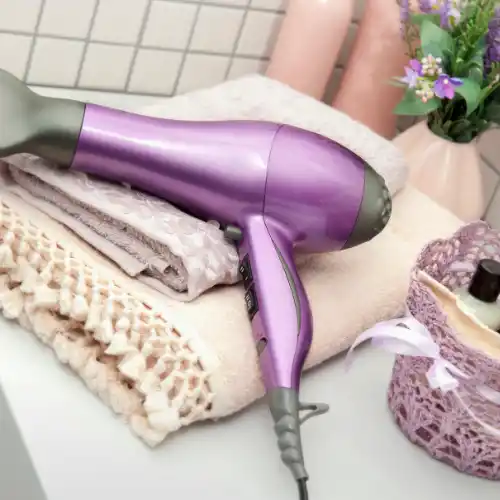
This method uses directed warm air to dry and relax specific shrunken areas. Set a hairdryer to its lowest heat setting (typically 50–60°C / 122–140°F). Hold the nozzle 15 cm (6 inches) away from the fabric surface and direct the warm air at the shrunken section while gently tugging the fabric outward with your free hand.
Work in circular motions, spending 30–45 seconds on each section. The warm dry air removes moisture from the outer fiber layers while the gentle traction stretches the contracted bundles. Continue until the garment is fully dry and the original dimensions are restored. Do not use high-heat settings, as temperatures above 70°C (158°F) may cause the fibers to set in the stretched position unevenly or create shine marks on the fabric surface.
Linen Dress Care Guidelines
- Wash linen in cool water at or below 30°C (86°F) to prevent shrinkage.
- Use a mild detergent free of bleach and optical brightening agents.
- Fabric softeners damage linen fibers over time and increase susceptibility to shrinkage — avoid them.
- Air-dry linen garments flat or on a padded hanger. Do not tumble-dry on high heat.
- If tumble-drying is necessary, use the air-fluff or delicate setting at a maximum of 40°C (104°F).
- Iron linen at 148–170°C (300–340°F) while the fabric is still damp for best results.
- Use the steam function liberally — linen responds well to steam, which relaxes wrinkles without damaging fibers.
- For minor shrinkage (under 3%), wet the garment and stretch it back to shape while air-drying flat.
- Store linen garments folded in a cool, dry place — linen absorbs moisture, so avoid sealed plastic containers.
Frequently Asked Questions
How to Restretch Linen Back to Its Original Shape
To restretch linen, soak the garment in lukewarm water at 30–35°C (86–95°F) for 15–20 minutes. Rinse thoroughly and lay it flat on a clean towel. Gently stretch the fabric back to its original dimensions while it is still damp. Iron it at 148–170°C (300–340°F) while damp to set the restored shape.
How to Restore Linen Garments That Have Shrunk
Linen garments that have shrunk can be restored using the lukewarm wash method with baby shampoo, the steam method in a bathroom, or the freeze-and-stretch technique. The effectiveness depends on the degree of shrinkage — mild shrinkage under 3% responds well to all methods, while severe shrinkage above 5% may require repeated treatments or professional cleaning.
How to Soften Stiff Linen Clothes
Stiff linen softens when soaked in water with 1–2 tablespoons of baking soda or white vinegar added to the rinse cycle. A 30-minute soak breaks down residual detergent buildup and natural mineral deposits that cause stiffness. Alternatively, machine-wash with 1 cup of baking soda on a warm cycle at 40°C (104°F), then air-dry flat. The baking soda acts as a natural fabric softener without the chemical compounds that damage linen fibers over time.
Baking Soda as a Linen Softener
Baking soda (sodium bicarbonate) is an effective natural linen softener. Add 1 cup (approximately 200g) to the washing machine drum or basin during the rinse cycle. It softens water by neutralizing dissolved minerals, reduces fiber stiffness, and is gentle enough for repeated use without accumulating residue that commercial fabric softeners leave behind. Baking soda also helps remove odours from linen garments.
Summary of Key Restoration Methods
Six methods restore shrunken linen: (1) Lukewarm wash with baby shampoo at 30–35°C (86–95°F) for 15–20 minutes; (2) Steam treatment in a hot shower bathroom for 15–20 minutes; (3) Damp ironing at 148–170°C (300–340°F); (4) Freeze-and-stretch at -5°C to -10°C (14–23°F) for 1–2 hours; (5) Wear-and-stretch while damp for 1–2 hours; (6) Controlled hairdryer application at 15 cm (6 inches) distance on low heat. Prevention through cool-water washing, air-drying, and ironing at proper temperatures is more reliable than restoration after shrinkage occurs.
References
- Wikipedia. (2025). Linen. Wikimedia Foundation.


