
Does Carhartt Shrink? The Truth About Carhartt Durability

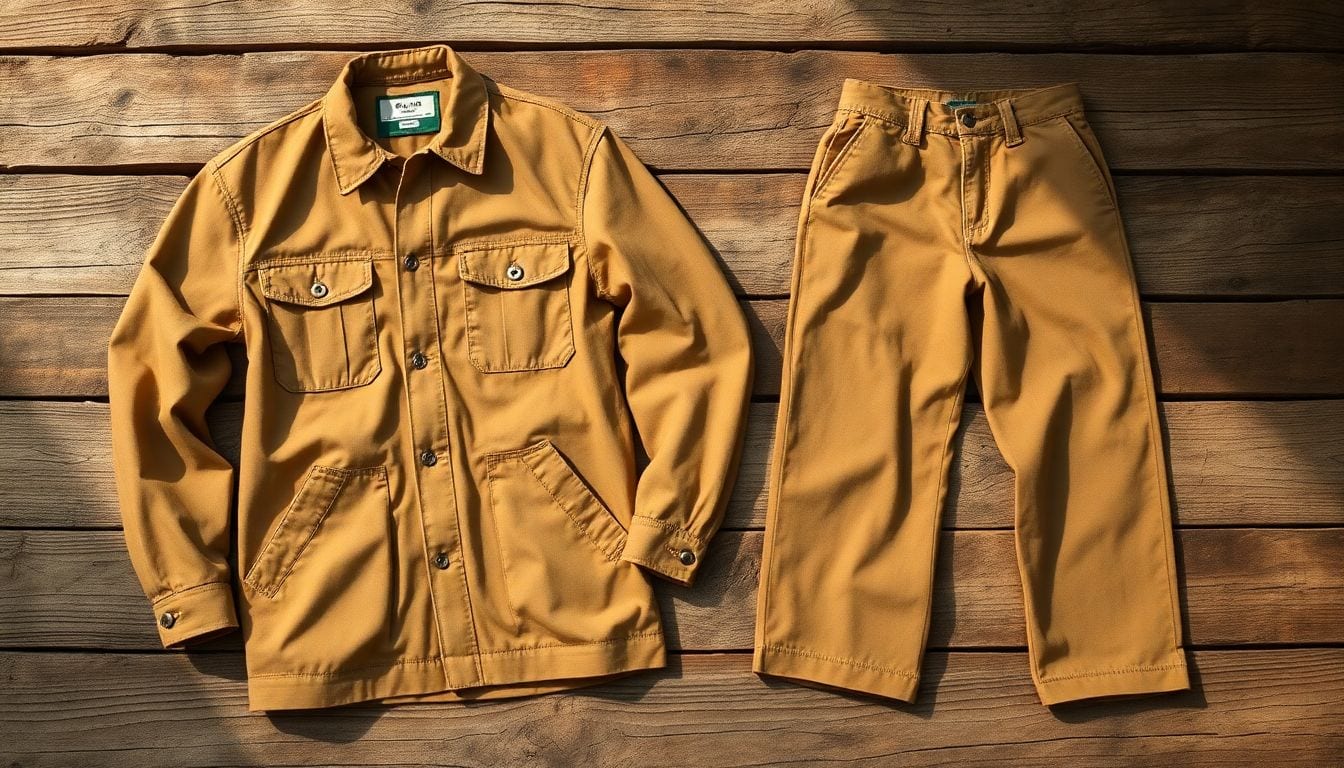
Carhartt clothing shrinks significantly on the first wash when made from heavy duck cotton or canvas — typically 5–8% in length. This is why Carhartt’s most iconic products (the Detroit Jacket, Dungaree, Duck work pants) were historically sized large before washing. Many Carhartt products are now labeled “pre-washed” and have already undergone most of their shrinkage during manufacturing.
Carhartt’s Core Fabrics and Their Shrinkage History
Carhartt’s reputation as workwear built to last is rooted in its fabric choices. Understanding which fabric lines make up your wardrobe is the first step to predicting and managing shrinkage.
Original Duck Canvas / Brown Duck (Heavy Woven Cotton)
Carhartt duck canvas is the original Carhartt fabric — a heavy, tightly woven cotton cloth classified in the United States by weight in ounces per square yard and by a graded number system. The numbered grading system runs in reverse of weight: a lower number means heavier fabric. A number 4 duck canvas is heavier than a number 10 duck canvas. The term “duck” itself comes from the Dutch word doek, meaning cloth. Carhartt duck canvas has historically weighed 12 ounces per square yard or heavier, making it substantially denser than standard cotton weaves.
Unlike plain canvas, duck canvas uses a tight plain weave construction with no open gaps in the structure. The threads are packed more densely, which gives Carhartt duck its signature stiffness and durability. This tight weave also means less room for the fabric to relax during washing — and that contributes to more pronounced shrinkage when it does occur.
Historically, Carhartt duck canvas items were NOT pre-washed. They were deliberately sold oversized because both the manufacturer and the buyer understood that a significant first-wash shrinkage was coming. That sizing practice explains why vintage Carhartt Detroit Jackets in unwashed condition look and feel enormous compared to their modern counterparts.
Modern Carhartt has shifted most of its duck canvas line to pre-washed or garment-washed processing. Check the sewn-in label before purchasing. The shrinkage difference between the two is substantial:
- Pre-washed duck canvas: 1–3% shrinkage on first wash
- Original / non-pre-washed duck canvas: 5–8% shrinkage in length after a hot wash
Carhartt Heavyweight Cotton (T-Shirts, Hoodies)
Carhartt heavyweight cotton T-shirts and hoodies use a thicker, denser knit than consumer-grade alternatives. Heavyweight cotton behaves like standard cotton regardless of weight, and the shrinkage rules remain the same:
- Warm or hot wash: 5–8% shrinkage — standard cotton behavior; heavier weight does not reduce the percentage
- Cold wash: 2–4% shrinkage — cold water significantly reduces but does not eliminate shrinkage
The heavier fabric weight in Carhartt tees and hoodies does not make them shrinkage-resistant. Thicker fabric means a thicker garment even after it shrinks. Lower wash temperatures are the single most effective shrinkage control for heavyweight cotton clothing.
Carhartt Denim (B01, B17 Dungaree)
Carhartt’s iconic B01 dungaree and B17 work jeans are made from pre-washed denim. Unlike vintage selvedge denim — which can shrink 10% or more on an initial hot soak — Carhartt denim has already been washed during manufacturing. The result is minimal residual shrinkage:
- Pre-washed Carhartt denim: 1–3% residual shrinkage
The recommended care for Carhartt denim is a cold wash, inside out, with line drying. This approach preserves both the color and the pre-washed dimensions of the fabric. Unlike duck canvas, where dryer use is sometimes intentional for breaking in stiffness, denim benefits from gentler treatment.
Carhartt Force (Moisture-Wicking Polyester)
Carhartt Force is a synthetic performance fabric built around polyester fiber. Polyester is fundamentally different from cotton in its shrinkage behavior. Cotton fibers are cellulose-based and contract when exposed to heat and moisture. Polyester is a plastic-based fiber with excellent dimensional stability. Under normal wash and dry conditions, polyester does not shrink in any meaningful way.
- Carhartt Force shrinkage risk: Very low — polyester is inherently dimensionally stable
- Recommended wash: Machine wash warm is acceptable
- Avoid: High heat in the dryer, which can cause polyester to temporarily melt or deform at temperatures above 150°C (302°F)
Carhartt Force is the only major Carhartt fabric line where shrinkage is effectively a non-issue under normal home laundering conditions. You should wash and dry Carhartt Force pieces without the sizing considerations that apply to duck canvas and heavyweight cotton.
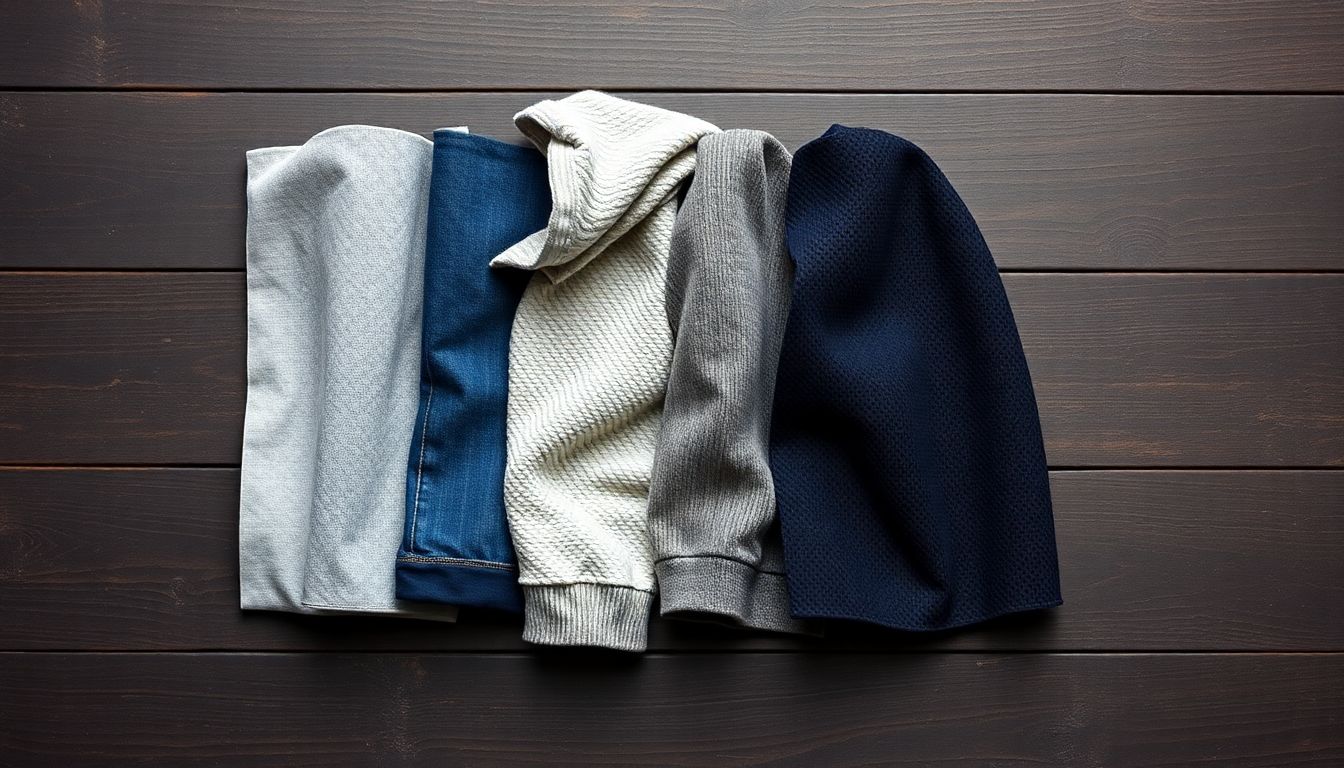
Pre-Washed vs. Non-Pre-Washed Carhartt: What to Look For
The single most important step before buying or washing any Carhartt garment is checking the label. Carhartt has made a clear production shift over the years — most modern duck canvas products undergo pre-washing or garment-washing before reaching the consumer. This shift changes the care equation for sizing and shrinkage management.
How to Identify Pre-Washed vs. Non-Pre-Washed Carhartt
Look for these terms on the sewn-in garment label or hang tag:
- “Pre-washed,” “pre-shrunk,” or “garment-washed”: These terms indicate the fabric has already undergone its primary shrinkage cycle during manufacturing. Expect 1–3% residual shrinkage.
- No pre-wash language: The garment was not pre-washed. Expect 5–8% shrinkage on the first hot wash. Size up accordingly.
Sizing Recommendations by Type
| Fabric Type | Pre-Wash Status | Recommended Sizing | Expected Shrinkage |
|---|---|---|---|
| Duck Canvas | Pre-washed | True to size | 1–3% |
| Duck Canvas | Non-pre-washed | Size up 1 full size | 5–8% |
| Heavyweight Cotton (Tees/Hoodies) | Varies | Size up if between sizes | 2–8% (temp dependent) |
| Denim (B01, B17) | Pre-washed | True to size | 1–3% |
| Carhartt Force (Polyester) | N/A (synthetic) | True to size | Negligible |
When in doubt, err on the side of sizing up for non-pre-washed duck canvas. A jacket one full size larger that shrinks to fit is preferable to a too-tight jacket that becomes uncomfortable or restricts movement — the opposite of what Carhartt’s durability-first ethos is about.
How to Wash Carhartt Work Clothes
Carhartt’s fabric heritage is rooted in American workwear — built for people who need clothing that survives rough treatment and repeated washing. Even the most durable duck canvas benefits from thoughtful laundering. Here is how to maximize both the lifespan of your Carhartt and the dimensional stability you expect from your fabric care routine.
First Wash: Non-Pre-Washed Duck Canvas
If you have acquired a non-pre-washed duck canvas Carhartt piece — whether vintage or modern without pre-wash labeling — treat the first wash as an expected part of owning the garment. Some shrinkage will occur. To minimize it:
- Wash in cold water on a gentle or normal cycle. Cold water reduces the swelling of cotton fibers and limits shrinkage to the lower end of the 5–8% range.
- Turn the garment inside out to protect the outer surface from abrasion.
- Line dry if possible. Air drying eliminates dryer heat, which is the secondary driver of shrinkage beyond the wash. Follow this laundry temperature guide for best results.
Even with cold water and line drying, expect some shrinkage. This is not a defect — it is the natural behavior of heavy woven cotton duck canvas.
Ongoing Maintenance: Duck Canvas and Denim
One of the defining characteristics of Carhartt duck canvas is that it breaks in and softens with repeated washing. Unlike many fabrics where washing degrades the garment, Carhartt canvas actually becomes more comfortable and supple over time. Many Carhartt owners use the dryer intentionally to accelerate the break-in process — the heat and tumbling soften stiff canvas more quickly.
The trade-off is that each hot wash and high-heat dry cycle may contribute an additional fraction of a percent of shrinkage over the garment’s lifetime — typically 0.5–1% per cycle after the first wash. For canvas that has already pre-shrunk, this is negligible. For non-pre-washed canvas, the first wash is by far the most significant shrinkage event.
Machine washing warm or hot is acceptable for Carhartt duck canvas and denim. These are workwear fabrics engineered for durability — they can handle what consumer delicates cannot. When in doubt, default to warm wash rather than hot.
Carhartt Force: Simplified Care
Carhartt Force is a polyester-blend performance fabric that is both shrinkage-resistant and quick-drying. Machine wash warm, tumble dry on medium heat, and avoid ironing. That is the full care protocol for Force — no special considerations for shrinkage.
Frequently Asked Questions
How much do Carhartt jackets shrink?
Pre-washed Carhartt jackets shrink 1–3% in the first wash. Older or non-pre-washed Carhartt duck canvas can shrink 5–8% in length in a hot wash.
Should I size up when buying Carhartt?
For non-pre-washed Carhartt duck canvas: yes, size up at least one full size. For pre-washed modern Carhartt: true-to-size is typically fine.
Does Carhartt shrink in the dryer?
Heavy duck canvas will shrink further in a high-heat dryer. Line drying after washing reduces total shrinkage. The dryer does help soften and break in stiff canvas more quickly, so many Carhartt owners use the dryer intentionally for this effect.
References
- Carhartt. (2025). Product Care. carhartt.com. https://www.carhartt.com/product-care
- Cotton Incorporated. (2025). Cotton Shrinkage Standards and Testing. cottonworks.com. https://www.cottonworks.com/learning-hub/quality-assurance/shrinking-and-skewing/
- Cotton Incorporated. (2025). Canvas Fabric Properties. cottonworks.com. https://www.cottonworks.com/topics/fabric-type/woven/canvas/
- AATCC. (2025). Fabric Shrinkage Testing Methods. iwto.org. https://aatcc.org


