
Do Old Navy Clothes Shrink? – Prevention Tips, Care And Maintenance

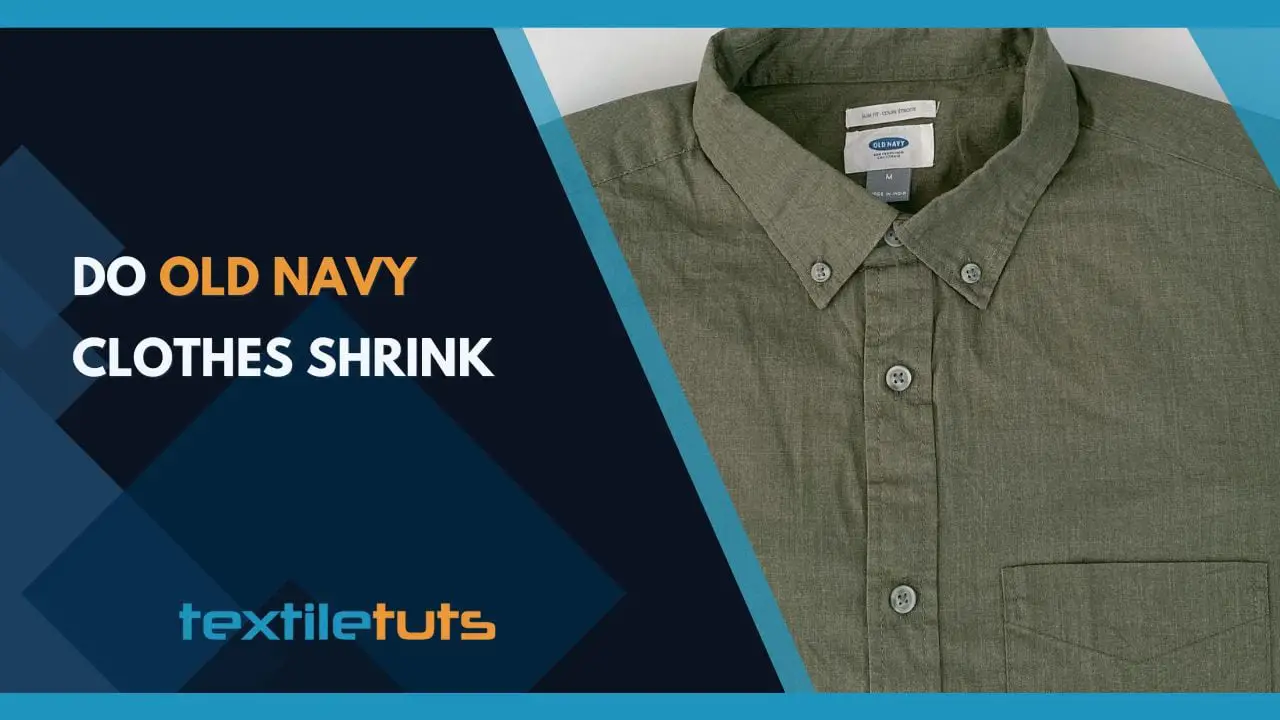
Old Navy clothes shrink. The extent of shrinkage depends on material composition and washing method — most Old Navy garments contain cotton, a natural fiber that typically shrinks 3–5% on the first wash when exposed to temperatures above 40°C (104°F). Pre-shrunk cotton items still shrink 1–3% under extreme conditions, while polyester and synthetic blends shrink less than 1%.
Understanding which Old Navy fabrics shrink most — and how to prevent it — saves you from ruined garments and wasted money.
The Truth: Old Navy Clothes Shrinkage Facts
Old Navy clothes shrink. The extent of shrinkage depends on how they are cared for. The fibers used to make the clothes, combined with the clothing’s construction, processing, and fabric type, determine how much they shrink or stretch after washing and drying.
Old Navy uses a significant amount of cotton in their t-shirts and casual clothing. Cotton is a natural cellulosic fiber that shrinks when exposed to high temperatures. Per ASTM D2259 standard test methods, untreated cotton fabrics typically exhibit 3-5% shrinkage on the first wash. Old Navy uses pre-shrunk cotton, which reduces but does not eliminate shrinkage—garments can still shrink 1-3% under extreme conditions such as wash temperatures exceeding 60°C (140°F) or high-heat drying.
Denim products like Old Navy jeans are also typically pre-shrunk. However, washing in hot water or drying at high-heat settings can cause additional shrinkage of 2-4%. The overall shrinkage for jeans is typically less than that for cotton t-shirts because denim’s tighter weave structure provides more dimensional stability.
Old Navy clothes made with blended or synthetic materials—including polyester, spandex, or rayon—shrink significantly less than natural fibers like cotton. Polyester blends typically exhibit less than 1% shrinkage under the same conditions because synthetic fibers are heat-set during manufacturing.
Every type of clothing can experience some degree of shrinkage, regardless of quality. However, shrinkage is often minimal and may not significantly impact the overall fit and look of the garment. Following specific care instructions tailored to the fabric type ensures longevity. For athletic wear, referring to Under Armour fabric care tips helps prevent excessive shrinkage and maintains the intended fit.
Old Navy Fabric Shrinkage by Material Type
| Fabric Type | Typical Shrinkage | Key Conditions |
|---|---|---|
| 100% Cotton (untreated) | 3–5% | First wash; temps above 40°C (104°F) |
| Pre-shrunk Cotton | 1–3% | High heat above 60°C (140°F) or tumble dry high |
| Denim | 2–4% | Hot water wash or high-heat drying |
| Cotton/Polyester Blend (>60% cotton) | 1–3% | Still exhibits measurable shrinkage |
| Polyester / Synthetic Blend | <1% | Heat-set during manufacturing; very stable |
| Rayon | 3–8% | High shrinkage risk; air dry only |
Causes of Old Navy Clothing Shrinkage
Clothing shrinkage occurs due to several factors, most often related to fabric material composition and washing or drying methods.
Fabric Material Composition
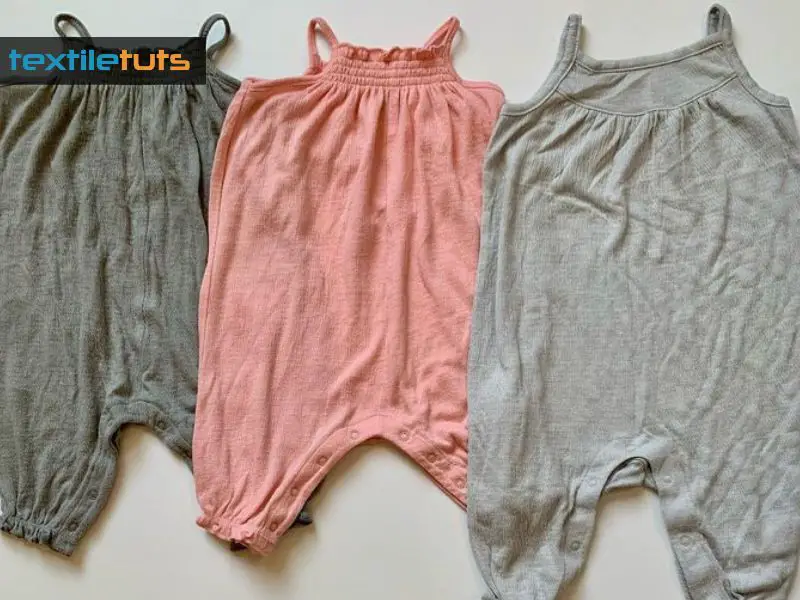
The fabric plays a significant role in clothing shrinkage. Different material types shrink at different rates. Old Navy clothing is often made from natural fibers like cotton, wool, and linen. These materials are prone to shrinking because their cellulosic fibers naturally contract when exposed to heat and moisture—the fibers revert to their original compact structure as the internal tension is released.
Washing Water Temperature
Hot water causes fibers to tighten, leading to shrinkage. Water temperatures above 40°C (104°F) trigger the relaxation of cotton fibers, resulting in dimensional reduction. According to textile care standards, washing at 30°C (86°F) or below virtually eliminates thermal shrinkage in cotton garments.
Drying Heat Settings
High-heat dryer settings cause significant shrinkage. The tumbling motion combined with temperatures above 60°C (140°F) causes cotton fibers to constrict. Over time, repeated high-heat drying causes cumulative shrinkage of 3-5% in cotton garments. Using low-heat or air-fluff settings reduces this to under 1%.
Absence of Pre-Shrinking Treatment
Pre-shrinking is a manufacturing process where fabric is forced to shrink before garment construction. If not performed, the fabric shrinks during subsequent washings. Not all Old Navy clothes receive pre-shrinking treatment—items without this process are more susceptible to first-wash shrinkage of 3-5%.
Natural Fiber Molecular Structure
Cotton, wool, and silk are more prone to shrinkage due to their molecular structure. The hydrogen bonds in cellulosic fibers are disrupted by water and heat, allowing the fibers to rearrange into a more compact configuration. This phenomenon is absent in synthetic fibers, which are thermally set during manufacturing.
Since most Old Navy garments contain cotton, they are more likely to shrink than synthetic fabrics. Blended fabrics with 60% cotton or higher will still exhibit measurable shrinkage.
Manufacturing Quality Control
Manufacturing processes influence shrinkage potential. If fabric is not properly preshrunk before construction, or if the yarns are not relaxed during weaving, the final garment is more prone to shrink. Inconsistent finishing processes can result in variable shrinkage across different production batches.
Improper Care Practices
Improper washing and drying methods cause Old Navy clothes to shrink. Washing in hot water and drying at high temperatures harms the garment’s dimensions. The heat causes fibers to tighten, resulting in a smaller garment. Each high-heat wash cycle contributes additional shrinkage.
Material Quality in Budget Clothing
Old Navy offers affordable clothing, which sometimes means using materials with less rigorous quality control. Lower-quality cotton may have inconsistent fiber lengths or more residual processing chemicals, making it more susceptible to shrinkage. These materials may not withstand repeated washing and drying cycles as well as higher-quality alternatives.
Lack of Shrinkage Control Finishes
Some clothing brands apply shrinkage control finishes—chemical treatments that help resist shrinkage. If Old Navy does not use these finishes on certain clothing items, those items may shrink after washing and drying. Resin finishes can reduce cotton shrinkage by up to 50% but add cost to manufacturing.
How to Prevent Old Navy Clothes from Shrinking
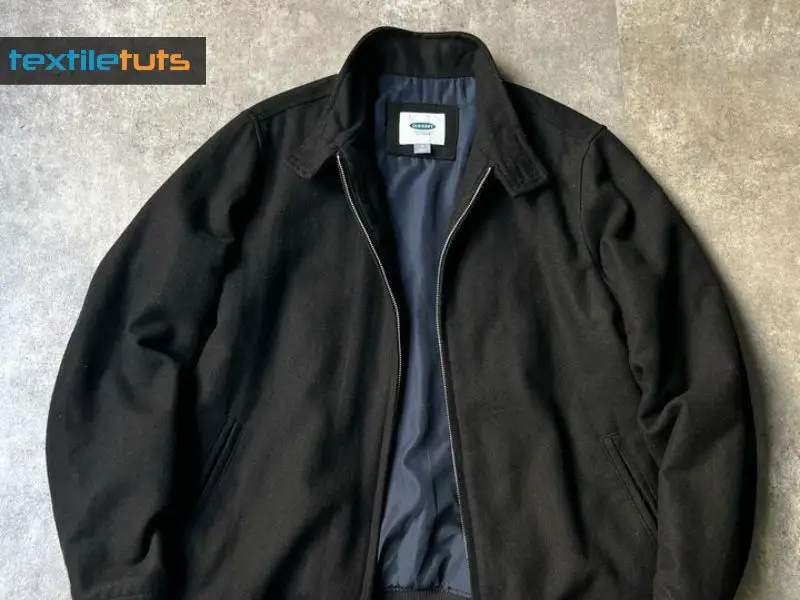
Preventing shrinkage requires careful attention to washing and drying methods. Here is how to keep your Old Navy clothes in good condition and maintain their original dimensions:
Prevention Steps at a Glance
- Read care labels before each wash — check the maximum temperature and dryer setting for the specific fabric.
- Wash in cold water (30°C/86°F or below) to virtually eliminate thermal shrinkage in cotton garments.
- Use the gentle or delicate cycle to reduce mechanical stress on fabric fibers.
- Air-dry instead of machine drying; if using a dryer, select the lowest heat setting or air-fluff option.
- Dry heavy knits and sweaters flat on a clean towel — never hang damp knitwear.
- Iron at the correct temperature for the fabric type: 180–200°C for cotton, 110–130°C for polyester blends.
Wash and Dry Temperature Quick Reference
| Fabric | Wash Temperature | Dryer Setting | Iron Temperature |
|---|---|---|---|
| 100% Cotton | Cold–Warm (30–40°C / 86–104°F) | Low heat or air dry | 180–200°C (356–392°F) |
| Pre-shrunk Cotton | Cold (30°C / 86°F) | Air dry preferred | 180–200°C (356–392°F) |
| Denim | Cold (30°C / 86°F) | Low heat or air dry | 150–180°C (302–356°F) |
| Polyester Blend | Cold–Warm (30–40°C / 86–104°F) | Low heat | 110–130°C (230–266°F) |
| Rayon | Cold, delicate cycle | Air dry only | 110–130°C (230–266°F) with pressing cloth |
Reading and Following Care Labels
Each Old Navy garment has specific washing and drying instructions. Care labels specify the maximum water temperature (usually 30°C/86°F for delicates, 40°C/104°F for cotton), dryer heat setting, and compatible detergents and bleaching agents. Following these instructions is the single most effective way to prevent shrinkage.
Washing in Cold Water
Washing in cold water (30°C/86°F or below) virtually eliminates thermal shrinkage in cotton garments. Cold water protects fabric fibers from the heat-induced contraction that causes dimensional change. Additionally, cold water preserves dye molecules, preventing color fading that can accompany hot water washing.
Using Gentle Cycle and Mild Detergents
The gentle or delicate cycle uses slower agitation speeds, reducing mechanical stress on fabric fibers. Less friction means less fiber damage and reduced pilling. Harsh detergents can degrade fiber structure over time, making garments more susceptible to shrinkage. Using mild, pH-balanced detergents specifically formulated for colored fabrics extends garment life.
Air-Drying Instead of Machine Drying
The dryer heat causes significant shrinkage in cotton garments. Air-drying eliminates this entirely. If machine drying is necessary, use the lowest heat setting (below 40°C/104°F) or the air-fluff/delicate option. Removing garments while still slightly damp and allowing them to finish drying flat prevents over-drying.
Drying Heavy Items Flat
Knit garments, sweaters, and heavy fabrics should be dried flat on a clean towel. Hanging these items stretches the fabric due to their weight, distorting the fit. Reshaping damp garments and allowing them to dry at room temperature maintains the original dimensions.
Using Appropriate Iron Temperatures
Ironing with excessive heat causes shrinkage in susceptible fabrics. Always check the garment label for the correct iron temperature: cotton requires 180-200°C (356-392°F), while polyester blends require only 110-130°C (230-266°F). Using a pressing cloth provides additional protection for delicate items.
Tips for Maintaining Old Navy Clothes
Proper care extends the life of Old Navy garments significantly. Here are specific maintenance tips that work:
Understanding Laundry Care Symbols
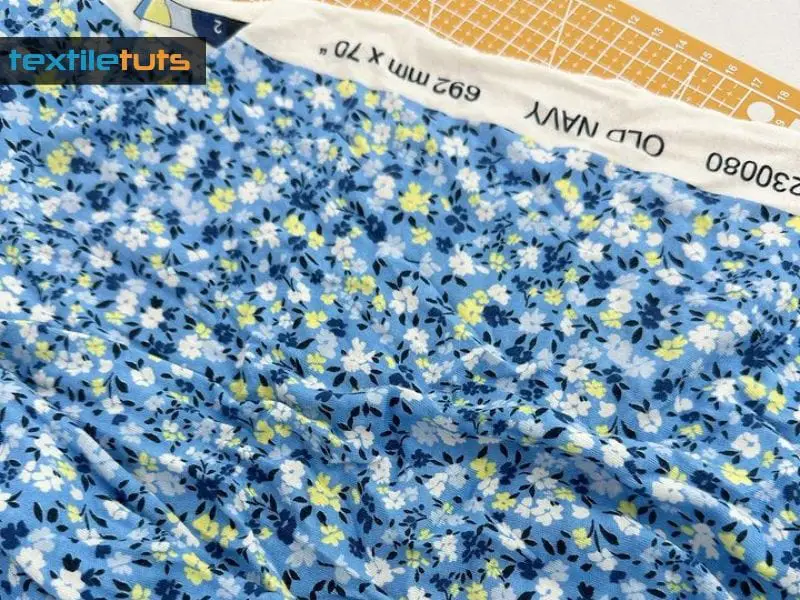
Care labels display standardized laundry symbols that indicate washing temperature, bleaching compatibility, drying method, ironing temperature, and dry cleaning requirements. Familiarizing yourself with these symbols—for example, a tub with 30° means wash at 30°C, while a square with a circle means tumble dry—enables precise garment care.
Washing in Cold Water Consistently
Cold water washing is safe for most Old Navy clothes made from cotton. This practice prevents shrinkage, reduces energy consumption by up to 90% compared to hot water washing, and extends garment life by preventing fiber degradation. Washing in cold water also prevents color bleeding between garments.
Avoiding Harsh Chemical Detergents
Harsh detergents containing enzymes, brighteners, or high pH compounds can damage cotton fibers over time. Enzyme-based stain removers, while effective, gradually degrade protein-based fibers. Using gentle, low-sudsing detergents formulated for cold water preserves fiber integrity and color vibrancy.
Turning Clothes Inside Out Before Washing
Turning garments inside out protects printed designs, embellishments, and outer fabric surfaces from mechanical abrasion during washing. This technique reduces surface wear by up to 70%, extending the visible life of the garment. It is particularly important for dark colors and printed items.
Using Delicate Cycle for Fragile Items
The delicate cycle uses 50% less agitation and shorter wash times compared to normal cycles. This gentler treatment reduces mechanical stress on fabric fibers, preventing both shrinkage and surface damage. Delicate cycle is essential for loosely woven fabrics, knits, and any garment with special finishes.
Avoiding Excessive Machine Drying
Air-drying on clotheslines or drying racks significantly extends garment life compared to machine drying. Overheating causes cumulative fiber damage that compounds over multiple cycles. If using a dryer, setting the temperature below 40°C (104°F) and removing items promptly when dry prevents over-exposure to heat.
Proper Storage Methods
Folding heavy garments like hoodies and jeans prevents the stretching that occurs when hanging. Knitwear must be folded to avoid deformation—hanging causes irreversible distortion within 24-48 hours. Storing clothes in a cool, dry place at 40-50% relative humidity prevents moisture damage and mold growth.
Prompt Stain Treatment
Addressing spills immediately increases stain removal success to over 90%. Waiting allows stains to set permanently within 24-48 hours as pigments bond to fibers. Using cold water and gentle dabbing motions prevents spreading. For oil-based stains, applying talcum powder or cornstarch immediately absorbs excess before washing.
Final Words on Old Navy Clothing Shrinkage
Old Navy clothing does shrink in the wash. Cotton garments typically shrink 3-5% on the first wash when exposed to temperatures above 40°C (104°F). Pre-shrunk cotton items experience 1-3% shrinkage under extreme conditions, while synthetic blends shrink less than 1%.
Proper care—washing in cold water, air-drying, and following care label instructions—minimizes shrinkage to negligible levels. Understanding the material composition of your garments and applying appropriate care methods ensures long-lasting wear from Old Navy clothing.
References
- American Society for Testing and Materials. (2024). ASTM D2259-21: Standard Test Method for Shrinkage of Fabrics. ASTM International.
- U.S. Department of Agriculture. (2023). Cotton Fiber Properties and Processing Characteristics. USDA Agricultural Research Service.
- International Fabricare Institute. (2023). Care Labeling Standards and Textile Care Guidelines. IFI Publications.


