

Can Tailors Make Pants Bigger In The Thighs? – From Tight To Just Right

Yes—tailors absolutely can make pants bigger in the thighs. Using techniques such as adding extra fabric, altering seam allowances, or incorporating gussets, skilled tailors typically add 1–3 inches (2.5–7.6 cm) of additional room in the thigh area while maintaining the overall fit and appearance of the pants.
This guide covers how tailors enlarge pants in the thighs, what to expect when working with a professional, typical alteration costs ranging from $15 to $80, and tips for achieving the best results whether you DIY or hire a pro.
How Tailors Enlarge Pants in the Thighs
Experienced tailors make pants bigger in the thighs through various alteration techniques. They possess the skills and expertise to adjust garment fit to accommodate larger thigh sizes using industry-standard methods.
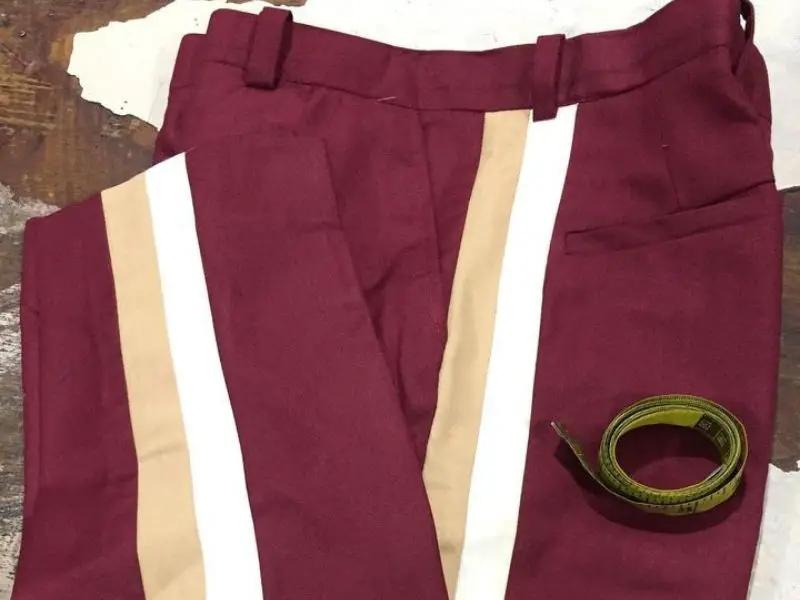
Tailors assess the specific requirements of the individual and the pants, then apply appropriate alterations to achieve the desired fit. They use methods including adding extra fabric, adjusting seam allowances, inserting gussets, or adding fabric panels to the thigh area.
These techniques increase the width of the thigh area by 1–3 inches (2.5–7.6 cm) while maintaining the overall look and balance of the pants.
The feasibility of making pants bigger in the thighs depends on factors including the original construction of the pants, the type of fabric, and the extent of the size increase required. Skilled tailors evaluate these factors and select the most suitable approach.
Standard seam allowances in commercial patterns range from 5/8 inch (1.58 cm) to 1 inch (2.54 cm), providing fabric for fitting adjustments. Curved areas like armholes typically have 1/4 inch (6.4 mm) allowances, while areas requiring more adjustment room often have 1 inch (2.54 cm) or more.
Factors to Consider When Altering Pants
When altering pants, several important factors determine the best fit and outcome. Here are the key considerations:
Type of Pants
The alteration approach varies based on the type of pants, such as jeans, trousers, leggings, or dress pants. Each type has distinct fabric, style, and intended use considerations that influence the alteration methods chosen.
Fit Goals
Define your fit goals before starting any alterations. Determine whether you want the pants looser, tighter, longer, or shorter in the thigh area.
Fabric Type
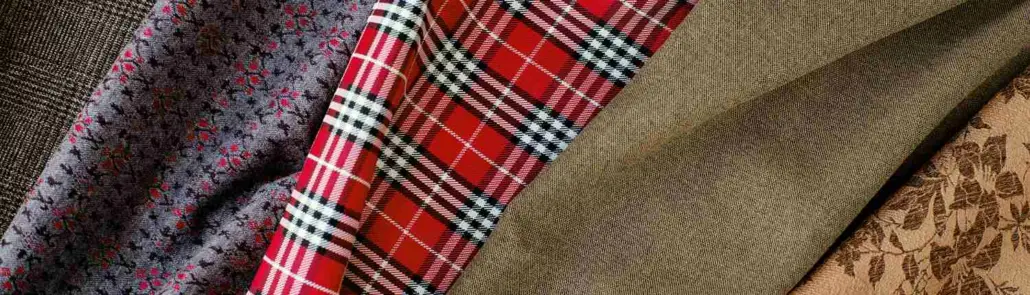
Different fabrics behave differently during alterations. Fabrics with stretch require different handling than those with drape or structured materials. Some fabric types are easier to work with than others, affecting both the technique and cost of alterations.
Seam Allowances
Check the existing seam allowances in the pants. Standard seam allowances range from 5/8 inch (1.58 cm) for typical seams to 1 inch (2.54 cm) or more for adjustment areas. If there is enough extra fabric in the seams, letting out the pants is possible without extensive modifications.
Balance Alterations
When altering pants, maintaining the balance of the garment is essential. Changes to one area, such as the waist, affect other areas like the hips or length. Keep the overall proportions in mind throughout the alteration process.
Original Design Details
Consider the original design elements of the pants, including pockets, pleats, and cuffs. Alterations impact these features, so plan accordingly to maintain the overall aesthetic of the garment.
Pattern Matching
If the pants have a pattern, stripe, or plaid, pay attention to pattern alignment after alterations. Matching patterns requires precision and is crucial for a professional look.
Rise and Waistband
The rise is the distance between the crotch and waist, typically ranging from 6–12 inches (15–30 cm) depending on the pants style. Altering the rise and waistband significantly impacts the overall fit and comfort of the pants.
Crotch Fit
Achieving a comfortable crotch fit is crucial. The crotch seam alteration is complex, requiring changes to allow for ease of movement and avoid uncomfortable bunching.
Hem Length
Altering the hem affects the overall look of the pants. Consider whether you want full-length, cropped, or somewhere in between when planning thigh alterations.
Skill Level
Assess your sewing skills and comfort level with alterations. Complex thigh alterations require advanced sewing techniques, including precise seam work and fabric matching.
Budget and Time
Consider the cost of materials and tools needed for alterations. Factor in the time required, especially if you are new to sewing. Professional tailoring costs typically range from $15–$80 depending on complexity.
Professional Assistance
For complex alterations or uncertain skills, seek assistance from a professional tailor or seamstress. Even with modern machines, approximately 75% of custom-tailored suit stitching is still done by hand for precision work.
Methods for Making Pants Bigger in the Thighs
Several methods exist for altering pants to add room in the thigh area. The success of these methods depends on the fabric, construction, and sewing skills involved. Here are the primary approaches:
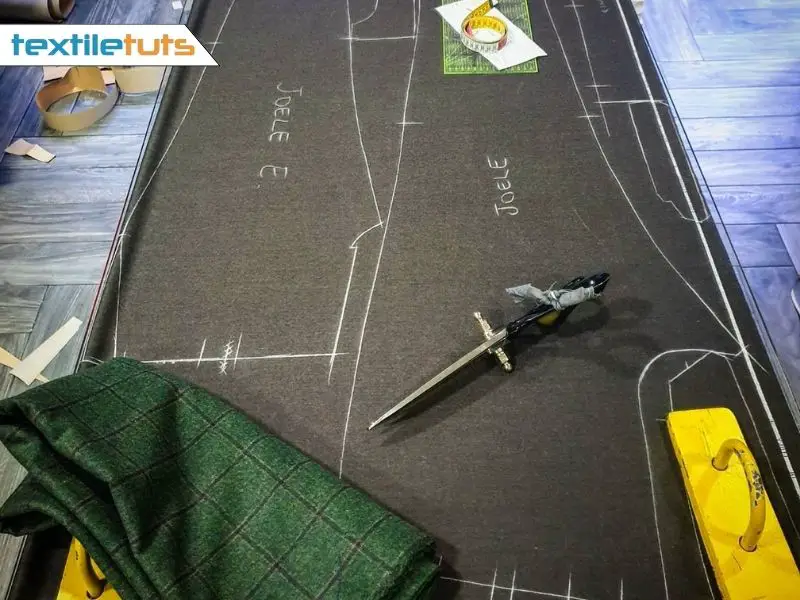
Adding Panels or Gussets
This involves sewing fabric panels or gussets into the inner thigh area of the pants. Gussets are typically triangular pieces measuring 4–6 inches (10–15 cm) on each side. This method adds 1–3 inches (2.5–7.6 cm) of width and flexibility, making the pants more comfortable.
Letting Out Seams
Many pants have extra fabric in the seams that can be released. Carefully unpick the seams on the inner thigh area and resew with a wider seam allowance to add extra room. Standard seam allowances allow for approximately 1/2–3/4 inch (1.3–1.9 cm) of adjustment per seam.
Inserting Stretch Fabric
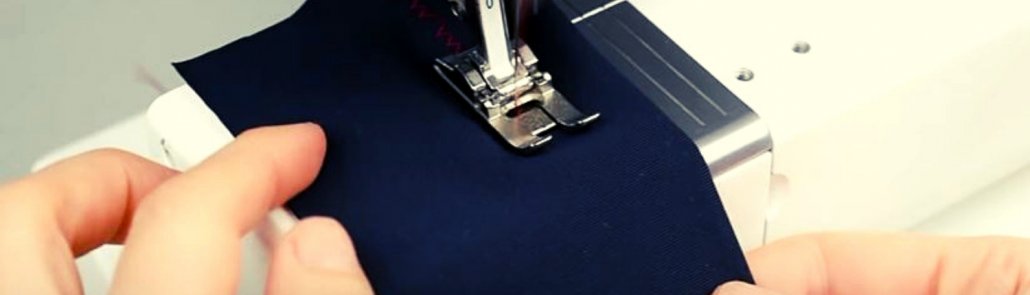
Adding stretch fabric to the inner thigh area provides both comfort and extra space. Use fabric with 2-way or 4-way stretch that matches the original pants for a consistent look and feel.
Adding Patches or Appliques
Decorative patches or appliques made from similar fabric add width to the thigh area. This method serves both functional and fashionable purposes, commonly adding 1–2 inches (2.5–5 cm) of room.
Using Elastic Inserts
Sewing elastic inserts along the inner thigh adds stretch and accommodates larger thighs. Elastic inserts typically use 1/2–1 inch (1.3–2.5 cm) wide elastic bands for optimal comfort and durability.
Creating a Pleat
Adding a pleat along the inner thigh creates extra space without drastically altering the appearance of the pants. This method works well for formal pants and dress trousers, typically adding 1/2–1 inch (1.3–2.5 cm) of room.
Relocating Pockets
If pockets limit space in the thighs, relocating or removing them frees up room. Side seam pockets typically require 2–3 inches (5–7.6 cm) of width; removing them can add significant space to the thigh area.
Lace or Fabric Inset
Inserting lace or complementary fabric into the inner thigh area adds both style and width. This method suits dressier pants and typically adds 1–2 inches (2.5–5 cm) of room.
Alteration Methods Comparison
| Method | Width Added | Complexity | Best For |
|---|---|---|---|
| Gussets / Panels | 1–3 in (2.5–7.6 cm) | Medium–High | Jeans, work pants, heavy fabrics |
| Letting Out Seams | 1/2–3/4 in per seam (1.3–1.9 cm) | Low | Pants with sufficient seam allowance |
| Stretch Fabric Insert | 1–2 in (2.5–5 cm) | Medium | Athletic wear, leggings, stretchy fabrics |
| Elastic Inserts | Varies (adjustable) | Medium | Comfort-focused pants, casual wear |
| Pleats | 1/2–1 in (1.3–2.5 cm) | Medium | Dress trousers, formal pants |
| Patches / Appliques | 1–2 in (2.5–5 cm) | Low–Medium | Casual pants, denim, style-focused |
| Pocket Removal | 2–3 in (5–7.6 cm) | Medium | Pants with side seam pockets |
| Lace / Fabric Inset | 1–2 in (2.5–5 cm) | Medium–High | Dress pants, decorative alterations |
DIY Process for Making Pants Bigger in the Thighs
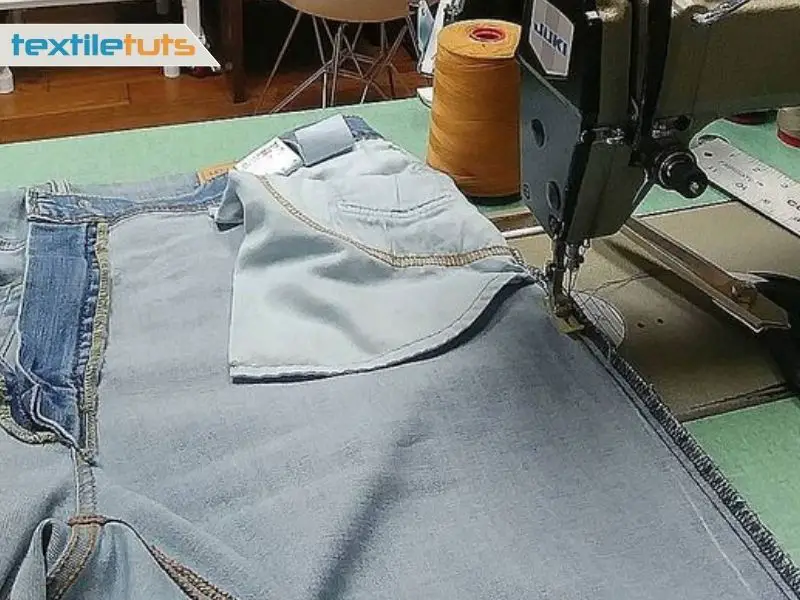
Making pants bigger in the thighs is a DIY project requiring sewing skills and the right tools. Follow this step-by-step process to achieve the alteration:
Materials Needed
Assess the Pants
Examine the pants to determine where you need more room in the thigh area. Identify the seams that need adjustment and assess available seam allowances. Standard seam allowances provide 1/2–3/4 inch (1.3–1.9 cm) of adjustment room per seam.
Seam Ripping
Use a seam ripper to carefully remove the stitches along the seams that need alteration. Work slowly to avoid damaging the fabric. Open up the seams you want to adjust.
Measure and Plan
Measure the additional width needed in the thigh area. Consider whether fabric panels or gussets are appropriate. Gussets typically measure 4–6 inches (10–15 cm) on each side and add 1–3 inches (2.5–7.6 cm) of room.
Prepare Panels or Gussets (Optional)
If adding fabric panels or gussets, cut them to the desired size and shape. Gussets are triangular pieces inserted into the seam, while panels are rectangular pieces added to the sides of the pants.
Pin Panels or Gussets (Optional)
Pin the fabric panels or gussets to the open seams, aligning them with the edges of the fabric. Ensure the fabric is evenly distributed and lies flat against the pants before stitching.
Sew Panels or Gussets (Optional)
Using a sewing machine or hand sewing, stitch the fabric panels or gussets in place. Use a straight stitch or zigzag stitch for security. Reinforce the stitching at the beginning and end for durability.
Adjust Existing Seams
If not adding panels or gussets, adjust the existing seams. Measure and mark new seam lines with fabric chalk, adding the required width for larger thighs. Standard adjustment is 1/2–3/4 inch (1.3–1.9 cm) per seam.
Sew New Seams
Using a sewing machine or hand sewing, stitch along the marked lines to create new seams. Ensure stitches are straight and secure. Trim any excess fabric as needed.
Try On and Test Fit
Put on the pants and check the fit. Move around to ensure the added width in the thigh area is comfortable and provides the desired fit. Make additional adjustments if needed.
Finish the Seams
Trim excess threads and press the new seams with an iron to give them a polished look. Press fabric panels or gussets as well for a professional finish.
Final Fit Check
Try on the pants again to ensure the alterations have achieved the desired fit and comfort. Make final adjustments if necessary before wearing.
Finish and Wear
Once satisfied with the fit, trim remaining threads and press the entire pants for a finished appearance. The altered pants are ready to wear.
Cost of Professional Pants Alterations
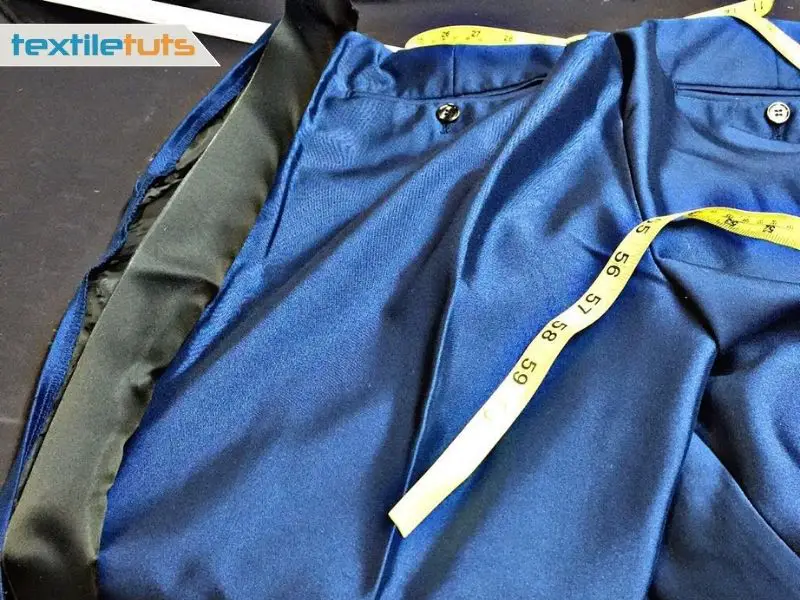
The cost of professional pants alterations varies based on the type of alteration, complexity of the work, location of the tailor shop, and the tailor’s experience. Here are typical price ranges:
Hemming Pants
Shortening or lengthening pants costs $10–$20, depending on the fabric, lining, and complexity of the design.
Taking in or Letting Out the Waist
Altering the waistband costs $15–$35, depending on the number of seams and layers that need adjustment.
Tapering or Taking in the Legs
Narrowing the leg width costs $15–$45, depending on the complexity and number of seams to be adjusted.
Adding or Removing Cuffs
Altering cuffs costs $15–$30, based on the fabric and construction complexity.
Resizing Rise and Seat
Altering the crotch area is more complex and costs $20–$50 or more, depending on the design and difficulty.
Adding Pockets or Adjusting Pockets
Adding or adjusting pockets costs $10–$30, depending on the fabric and complexity.
Altering Linings
Pants with linings cost more to alter due to additional work. Prices range from $20–$50 or more.
Complex Alterations
Combining multiple adjustments or altering unique designs costs more, starting at $50 and up to $80 or more.
| Alteration | Typical Cost |
|---|---|
| Hem pants | $10–$20 |
| Take in the waist | $15–$35 |
| Take in the legs | $15–$20 |
| Tapered legs | $30–$45 |
| Shorten sleeves | $15–$25 |
| Add darts | $15–$25 |
| Let out the seat | $20–$35 |
| Replace a button | $5–$10 |
| Fix a zipper | $10–$20 |
| Lining alteration | $20–$50 |
| Complex alterations | $50–$80 |
Tailors Fix Pants That Roll Down at the Waist
Tailors fix the issue of pants rolling down at the waist. They adjust the waistband to ensure a better fit. This common problem resolves with the right alterations. A skilled tailor makes the necessary adjustments for a secure, comfortable fit.
Final Words
Tailors are skilled professionals who make pants bigger at the thighs using techniques like gussets, seam adjustment, and fabric panels. The extent to which pants can be altered depends on the fabric, original size, and amount of additional space needed.
Consult with a tailor to discuss your specific needs and determine the best course of action. With proper expertise and attention to detail, a tailor achieves the perfect fit for your pants, ensuring comfort and confidence in your clothing.
References
- Wikipedia. (2024). Seam allowance. https://en.wikipedia.org/wiki/Seam_allowance
- Wikipedia. (2024). Tailoring. https://en.wikipedia.org/wiki/Tailoring


