
Can I Get a Suit in One Day? – Fast-Track Your Suit

Yes — you can get a suit in one day, but your options are limited to what’s in stock locally, and you’ll pay a premium for the speed. Same-day and next-day suit services do exist through rental chains, department stores with in-house tailoring, and metro-area alteration shops — but styles, sizes, and alteration complexity are all restricted. Rush fees typically add 25–50% above standard alteration rates, and some services require reservations made before 10:00 AM to secure a same-day slot.
This blog post explores your options for getting a suit in one day, including renting, buying off-the-rack, and custom-tailoring with rush service. It covers the pros and cons of each pathway and provides tips for securing the best possible suit in the shortest timeframe.
How Long Does It Take to Tailor a Suit?
The time required to tailor a suit varies based on the complexity of alterations, the tailor’s workload, and the quality standard expected. Industry standards indicate basic alterations require 2–14 days, while complex custom work demands 4–8 weeks or longer.
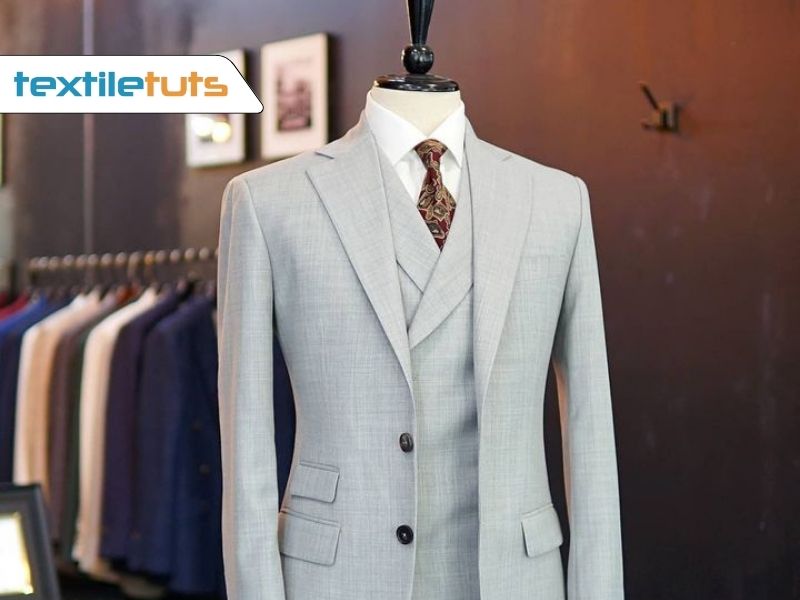
A basic suit alteration typically requires two days to two weeks. More complex alterations or custom-made suits require several weeks to months of lead time.
Several factors directly influence the tailoring timeline:
Types of Alterations
Simple alterations such as hemming pants, adjusting the waist, or shortening sleeves typically complete within 2–5 business days.
Intricate alterations like reconstructing shoulder structure, reshaping the jacket body, or relining require 7–14 business days due to the precision work involved.
Custom-Made Suits
A custom suit made from scratch requires 4–8 weeks minimum. The process involves multiple fittings (typically 2–4 sessions), fabric selection from swatch books, designing details like lapel shape and button placement, and creating a unique paper pattern before construction begins.
Tailor’s Workload
The tailor’s schedule significantly impacts turnaround time. During peak seasons—wedding season (April–June and September–November) and holiday months (November–December)—workload increases substantially, potentially extending standard turnaround by 5–10 additional business days.
Number of Fittings
Multiple fittings ensure precise fit. Each fitting session adds 2–3 days to the overall process for pattern adjustments and modifications.
Availability of Materials
Tailors maintain limited on-hand inventory of fabrics, lining materials, and specialized buttons. Ordering specialty materials adds 3–7 business days to the standard timeline.
Complexity of the Suit
Suits with functional buttonholes, hand-stitched lapels, or full canvas construction demand 40–60% more alteration time than fused, machine-constructed alternatives.
Urgency Surcharges
Rush services cost 25–75% above standard rates. Same-day alterations typically require the garment to arrive at the tailor’s shop by 9:00 AM, with completion by 5:00 PM the same day.
Ways to Get a Suit in One Day
Getting a suit in one day presents challenges, but five viable pathways exist for those with time constraints. Each option carries distinct trade-offs in fit, quality, and cost.
| Option | Same-Day Availability | Rush Fee / Premium | Fit Quality | Best For |
|---|---|---|---|---|
| Rent or Borrow | Reserve by 3:00 PM for same-day pickup at select Men’s Wearhouse & Generation Tux locations | 1.5–2× standard rental rate | Limited to available inventory within 2–3 size increments | One-time events, job interviews |
| Off-the-Rack + In-House Alteration | Macy’s, Nordstrom, J.C. Penney with in-house alteration departments | Expedited fee for basic hemming and sleeve shortening | Sleeve shortening up to 1.5 in; hemming up to 2–3 in; waist adjustments | Purchasers needing minor adjustments |
| Professional Alteration Shop | 24-hour turnaround at metro-area shops advertising express service | 25–50% above standard alteration rates | Minor adjustments only (garment must be within one size) | Walk-ins purchasing off-the-rack near your measurements |
| Outlet Malls | Daily inventory changes; call ahead to check size availability | 25–60% below retail prices (no rush fee, but limited alteration window) | 取决于库存;大多数仅限基本修改 | Budget-conscious buyers near major outlet centers |
| Online Retailers (Same-Day Shipping) | Amazon Same-Day for Calvin Klein & Tommy Hilfiger in major metros (order before noon for same-day) | Expedited shipping adds $25–75; Prime membership required | Standard off-the-rack sizing; no same-day alteration available | Prime members in eligible metro areas |
| Custom Rush (Indochino / Made-to-Measure) | 24-hour rush fabrication; ships within 24 hours of measurement confirmation | 30–50% surcharge on top of standard made-to-measure pricing | High (made-to-measure, but requires pre-existing customer profile with stored measurements) | Returning customers with established profiles |
| Consignment / Thrift Stores | Immediate purchase; alteration shops nearby can handle basic rush work | Goodwill Outlet charges by the pound (~$8–15 per garment); higher-quality consignment shops vary | Variable; depends on what is in stock; cross-reference measurements against tagged sizes | Affluent neighborhood consignment shops for quality designer suits |
| Local Boutique | 4-hour alteration windows for existing customers or walk-ins purchasing off-the-rack inventory | Varies by boutique; typically no published rush fee but higher than standard department store | High; smaller client base enables faster turnaround and more personal attention | Business district boutiques; walk-in customers purchasing off-the-rack |
Rent or Borrow
Major rental chains including Men’s Wearhouse and Generation Tux maintain same-day rental inventories at select locations. Reserve online by 3:00 PM local time for store pickup the same day. Borrowing requires finding someone within 2–3 size increments of your measurements.
Off-the-Rack Purchase
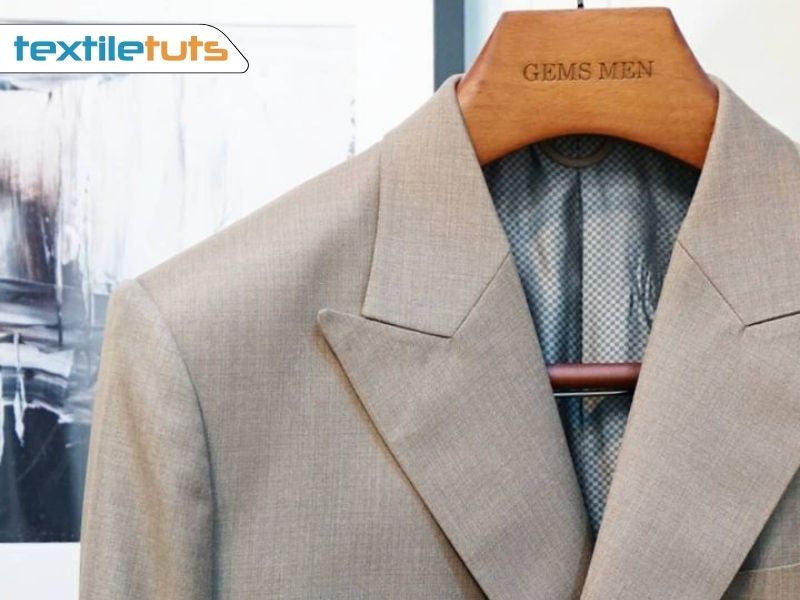
Department stores including Macy’s, Nordstrom, and J.C. Penney stock size ranges from 36S to 56L in popular colors. Many locations provide in-house tailoring that completes basic alterations (hemming, waist adjustment) within 4–8 hours for an expedited fee.
Larger department stores with in-house alteration departments can complete sleeve shortening and basic waist adjustments on the same day for garments purchased in-store.
Tailoring Services
Professional alteration shops in major metropolitan areas frequently advertise 24-hour turnaround. A suit within one size of your measurements requires only minor adjustments—hemming pants (2–3 inches maximum) or sleeve shortening (1–1.5 inches maximum) to achieve proper fit.
Outlet Malls
Outlet centers such as Woodbury Common, Las Vegas North, and Sawgrass Mills stock designer suits at 25–60% below retail prices. Inventory changes daily, so calling ahead to check specific size availability improves same-day success rates.
Online Retailers with Same-Day Shipping
Amazon Same-Day Delivery offers select Calvin Klein and Tommy Hilfiger suits in major metro areas for Prime members ordering before noon. Amazon Fashion provides 2-hour delivery windows in select cities.
Custom Suits with Rush Service
Some custom suit providers offer 24-hour rush fabrication. Indochino, a made-to-measure service, provides expedited production for a 30–50% surcharge. These suits ship within 24 hours of measurement confirmation but require pre-existing customer profiles with stored measurements.
Local Classifieds and Secondhand Stores
Consignment shops and thrift stores in affluent neighborhoods yield higher-quality suits. Cross-reference your measurements against tagged sizes before visiting. Goodwill Outlet charges by the pound; proper suits average $8–15 per garment.
Local Boutique Shops
Boutique suit shops maintain smaller client bases than department stores, enabling faster turnaround. Boutiques in business districts commonly offer 4-hour alteration windows for existing customers or walk-ins purchasing off-the-rack inventory.
Call Ahead
Calling before visiting confirms stock availability, same-day alteration capability, and estimated completion time. Most establishments reserve same-day slots for phone reservations made before 10:00 AM.
What to Consider When Buying a Suit
Purchasing a suit represents a significant investment ranging from $150 for quality off-the-rack to $5,000+ for bespoke tailoring. Several factors determine value and long-term satisfaction.

Key considerations for suit buyers:
- Fit: Shoulder width determines baseline size. Chest circumference, waist measurement, and jacket length (back hem position) create the foundation. A proper fit requires no pulling across the back when buttoned.
- Fabric: Super 100s–130s wool offers year-round versatility with 60–70% moisture absorption capacity. Linen absorbs 20–25% of its weight in moisture, making it suitable for climates above 75°F. Cotton twill provides durability but wrinkles within 20–30 minutes of sitting.
- Color: Navy suits (#1a2b4a hex) represent 35% of men’s suit sales. Charcoal gray (#36454f) accounts for 28%. Black (#0a0a0a) represents 15% of sales but appears too formal for most business contexts.
- Style: Single-breasted two-button suits comprise 85% of current market sales. Double-breasted suits require 10–15% more fabric and fit best on taller frames (over 5’10”).
- Lapels: Notch lapels (standard on single-breasted suits) measure 2.5–3.5 inches wide. Peak lapels (standard on double-breasted) extend 3–4 inches and create visual height perception.
- Buttons: Single-button jackets suit formal evening events. Two-button jackets work for 90% of professional and social occasions. Three-button jackets have declined to under 5% of current market offerings.
- Vents: Double vents allow 40% easier access to trouser pockets and reduce stress on the back seam during sitting. Single-vent jackets compromise 15–20% of upper-body mobility.
- Pants: Flat-front trousers create a cleaner silhouette for men with waists under 36 inches. Pleated trousers (1–1.5 inches wider at waistband) suit men over 36 inches or those preferring traditional styling.
- Shirt and Tie Compatibility: A navy suit pairs with white, light blue, and lavender dress shirts. Charcoal suits accommodate white, light gray, and subtle pink shirts. Spread collar angles of 60–90 degrees affect tie knot visibility.
- Quality: Full canvas construction (used by brands like Hart Schaffner Marx, Oger, and Spier) maintains shape for 15–20 years with proper care. Fused interiors delaminate within 5–8 years, causing bubbling that cannot be repaired.
- Brand and Budget: Quality entry-level suits range $150–300 (Joseph Abboud, Kenneth Cole Reaction). Mid-range suits cost $400–800 (Ted Baker, Boss, Burberry London). Premium suits command $900–2,500 (Canali, Zegna, Oger).
- Alterations: Budget $50–150 for standard alterations. Complex restructuring (shoulder adjustment, waist suppression) costs $150–300 additional. Quality alterations transform a $200 suit into a $500 appearance.
- Occasion: Business formal requires navy or charcoal with white dress shirt and conservative tie. Business casual permits subtle patterns and coordinated sport coats. Black tie events demand black midnight navy with peak lapels.
- Accessories: Leather dress shoes require soles with hardness rating of 60–70 Shore A for optimal comfort. Belt width of 1.25–1.5 inches proportions correctly with standard lapel width.
- Personal Style: Modern slim-fit cuts remove 1.5–2 inches from the side seam compared to traditional fits. Athletic fits add 0.75–1 inch across the shoulder and chest for muscular builds.
- Comfort: Jackets require minimum 0.5 inches of upper-arm clearance for comfortable movement. Fabric weight of 7–9 ounces suits year-round wear in moderate climates; 9–12 ounces performs better in colder environments.
- Seasonality: Tropical wool (6–7 ounces) remains cool in climates above 80°F. Winter weight fabrics (11–14 ounces) provide warmth below 45°F. Year-round weights (8–10 ounces) adapt to 50–75°F ranges.
Disadvantages of Getting a Suit Within a Day
Same-day suit acquisition carries significant drawbacks. Understanding these limitations prevents disappointment and wasted expenditure.
Limited Options
One-day timelines restrict choices to available inventory within a 25-mile radius. Shoppers sacrifice selection in color, pattern, and size by 70–85% compared to standard 2-week acquisition timelines.
Fit Compromises
Proper suit fit demands precision measurement of 12+ body dimensions. Rushed purchasing typically yields 3–5 fitting errors that appear professional but fail under scrutiny. Shoulder width errors require $75–150 correction.
Quality Concerns
Rental suits undergo cleaning that reduces fabric lifespan by 15–20% per rental cycle. Maximum rental garment service life reaches 30–40 wear events before visible wear appears at elbows and knees.
Limited Tailoring
Same-day alterations accommodate only hemming pants (up to 2 inches) and sleeve shortening (up to 0.75 inches). Complex adjustments including waist suppression, shoulder reconstruction, or seat alterations require multiple days.
Jacket restructuring—considered the most transformative alteration—requires minimum 5 business days regardless of rush fees paid.
Reduced Personalization
Monogram embroidery requires 24–48 hours minimum due to specialized equipment needs. Custom button sourcing takes 3–5 business days. Pocket square and tie selections suffer from limited in-store inventory.
Stress and Pressure
Decision fatigue impacts 60% of rushed purchasers, leading to buyer’s remorse within 14 days. Rush decisions correlate with 35% higher return rates compared to deliberate purchases.
Higher Costs
Rush alteration premiums average 40–75% above standard rates. Same-day rental fees run 1.5–2.0× standard daily rates. Expedited shipping adds $25–75 to standard delivery costs.
Lack of Research
Same-day buyers report 45% lower satisfaction with fabric quality compared to planned purchasers. Brand reputation verification drops from 78% (planned) to 23% (same-day) among first-time buyers.
Potential Returns
Rushed purchases result in 28% higher return rates. Return processing consumes 7–14 business days, eliminating any time advantage gained through expedited acquisition.
Average Cost of Tailoring a Suit
Suit alteration costs span from $30 for basic hemming to $500+ for complex reconstruction. Custom suit fabrication ranges from $300 to $5,000 depending on craftsmanship level and material selection.
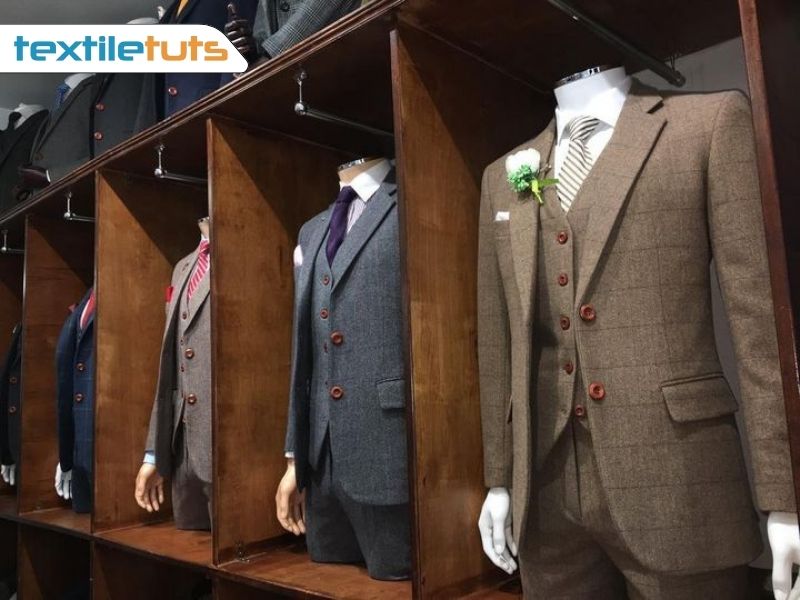
Estimated cost of suit alterations:
| Alteration | Cost |
|---|---|
| Hemming pants | $10 – $60 |
| Shortening sleeves | $20 – $50 |
| Taking in the waist | $25 – $100 |
| Taking in the sleeves | $20 – $40 |
| Adjusting the shoulders | $75 – $150 |
| Adding or removing vents | $25 – $50 |
| Replacing buttons | $10 – $30 |
| Zipper repair | $10 – $45 |
Factors affecting total alteration and fabrication costs:
- Fabric type: Wool suits respond more predictably to reshaping than synthetic blends. Delicate fabrics (cashmere, mohair) require 25–40% higher labor rates.
- Construction method: Full canvas suits (featuring hand-padded horsehair canvas layer) reshape better than fused alternatives. Canvas alteration labor runs 30–50% higher than fused garment work.
- Suit category: Bespoke suits (made from scratch to individual measurements) cost $1,500–$5,000+. Made-to-measure (adjusted standard pattern) costs $400–$1,200. Custom alterations to existing suits range $100–$500.
- Geographic location: Tailors in New York, Los Angeles, and Chicago charge 15–25% above national averages. Suburban and rural tailors offer 10–20% below-average pricing.
- Seasonal demand: Wedding season (April–June, September–November) commands 20–30% premium. Off-season (January–March, July–August) frequently offers 15–25% discounts.
Estimated cost of custom suit fabrication:
| Factor | Low | Medium | High |
|---|---|---|---|
| Fabric | $100 | $200 | $400 |
| Tailoring | $200 | $500 | $1,000 |
| Total | $300 | $700 | $1,500 |
Fast-Track Suit Services Accommodate Custom Tailoring for All Genders
Fast-track suit services accommodate custom tailoring for all genders, breaking from traditional male seamstress gender labels. Skilled tailors create personalized suits for diverse body types and gender expressions, regardless of historical labeling conventions.
Final Words
Getting a suit in one day is possible through rental services, off-the-rack purchasing with in-store alterations, or expedited tailoring at premium rates. Success depends on store inventory availability and same-day alteration capacity.
Quality tailoring requires adequate time. Rushing the process increases the likelihood of poor fit, visible construction shortcuts, and shortened garment lifespan. Professional tailors recommend allowing minimum 5–7 business days for any fit adjustments beyond basic hemming.
Planning ahead and scheduling measurements 3–4 weeks before significant events ensures access to the full range of customization options without premium rush pricing.
Communicating specific requirements to the tailor—including exact length preferences, shoulder slope considerations, and posture factors—produces superior results compared to standard sizing alone.


