
What Knitting Needles to Use for a Big Blanket?

Types of Knitting Needles for Big Blankets
The recommended needles for a chunky or big blanket are bamboo or metal needles sized 8mm to 25mm (US sizes 11–50). Bamboo needles provide grip that prevents stitches from sliding off during fast knitting, while metal needles offer the smoothest glide for speed. Plastic needles are not recommended for chunky projects because they snap under the weight of thick yarn. Needle diameter directly controls stitch size — larger needles produce larger stitches that create a thicker, warmer fabric in less knitting time.
This guide covers needle material comparisons, recommended sizes, yarn specifications, step-by-step instructions, and a complete measurements reference. By the end, readers will have the specific data required to execute their chunky blanket project correctly.
Quick Reference: Needle Size to Yarn Weight
| Yarn Weight Category | Yarn Weight Name | Recommended Needle Size (mm) | Recommended Needle Size (US) | Best For |
|---|---|---|---|---|
| Category 5 | Bulky | 8–12 mm | US 11–17 | Thicker scarves, compact blankets |
| Category 6 | Super Bulky | 12–15 mm | US 17–19 | Standard chunky blankets |
| Category 7 | Jumbo | 15–25 mm | US 19–50 | Oversized chunky knit blankets |
Types of Knitting Needles
Five distinct needle types serve different knitting purposes. Needle material and shape directly affect knitting speed, stitch consistency, and hand fatigue. The diameter of the knitting needle determines the size of each new stitch, making needle selection the most consequential decision in any blanket project.
Straight Needles
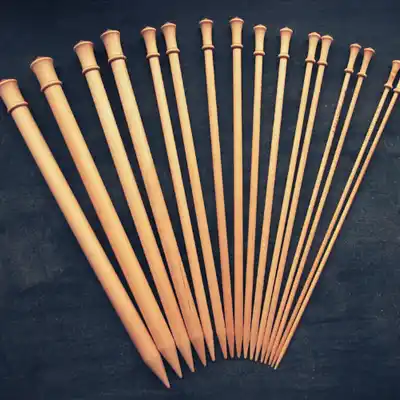
Straight needles are long, single-pointed needles that measure 25–41 cm in length. They work by holding all stitches on one needle, making them suitable for flat pieces such as scarf edges and blanket panels.
Circular Needles
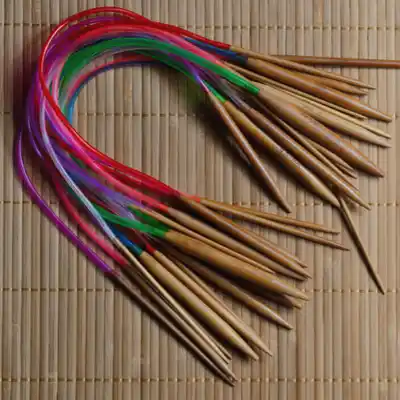
Circular needles consist of two pointed tips connected by a flexible cable, typically 40–150 cm long. They distribute stitches evenly across the cable, reducing hand fatigue during long knitting sessions and making them the top choice for large blanket projects.
Interchangeable Needles
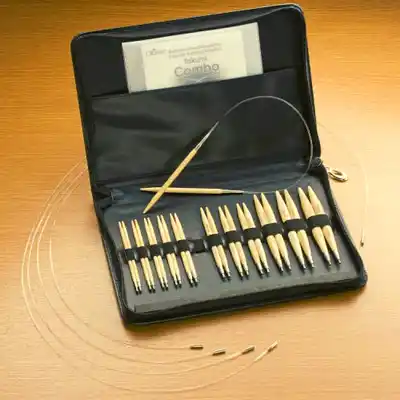
Interchangeable needle sets include multiple tip sizes and cable lengths that screw together securely. This versatility allows knitters to switch between different needle diameters without purchasing separate needles, making them cost-effective for multi-project crafters.
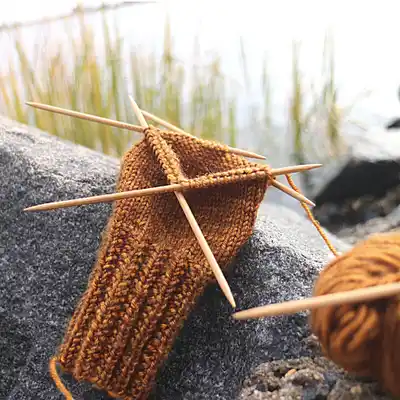
Double-Pointed Needles
Double-pointed needles come in sets of four or five, with points at both ends. They excel at knitting in the round for small-diameter projects such as hats and socks. Blanket projects do not require double-pointed needles unless working circular motifs.
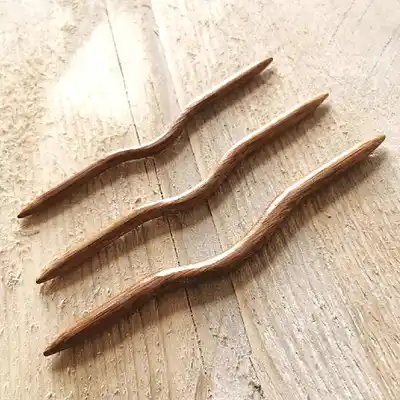
Cable Needles
Cable needles are short, curved needles (typically 12–15 cm long) with a U-shaped or twisted body. They hold stitches temporarily while crossing others over to create cable patterns. They are not primary blanket needles but serve a specialized decorative function.
Chunky Blankets vs. Standard Blankets: There Is No Difference in Size — Only Yarn Weight
The terms “chunky blanket” and “big blanket” refer to the same finished product: a large, thick covering. The distinction lies entirely in the yarn weight category and needle size used during knitting. A chunky blanket achieves its thickness through Super Bulky (Category 6) or Jumbo (Category 7) yarn worked on needles of 12 mm diameter or larger.
Standard blankets use Category 4 (Worsted) or Category 5 (Bulky) yarn, producing a thinner fabric. Both blanket types can measure any length and width — the “chunky” label describes the fabric’s density and visual bulk, not the blanket’s dimensions.
The Best Needles for a Big Blanket: 8mm–25mm Bamboo or Metal
Bamboo and metal needles are the two recommended materials for chunky blanket projects. Bamboo needles (8–25 mm) provide surface grip that prevents active stitches from sliding off the needle unexpectedly. This grip becomes critical when working with thick, slippery yarn at high speed.
Metal needles (8–25 mm) offer maximum glide speed, allowing yarn to flow with minimal friction. This reduces hand fatigue during extended knitting sessions. Plastic needles are not recommended for chunky projects because they bend and snap under the mechanical stress of thick yarn weight.
Bamboo vs. Metal Needles for Chunky Blankets
| Feature | Bamboo Needles | Metal Needles |
|---|---|---|
| Grip | High — stitches stay in place | Low — stitches slide easily |
| Speed | Moderate — grip slows knitting | Fast — maximum yarn glide |
| Durability | Can split with heavy use | Long-lasting, no splitting |
| Weight | Lightweight | Heavier |
| Best for | Beginners, slippery yarn | Experienced knitters, speed |
What Defines a Chunky or Big Blanket: Yarn Weight Category 5–7
A chunky blanket is a thick, plush textile fabric knitted with Super Bulky (Category 6) or Jumbo (Category 7) yarn. According to the Craft Yarn Council yarn weight standard, Category 6 yarns require needles larger than 8 mm, while Category 7 Jumbo yarns need needles of 12.75 mm and above.
The resulting fabric has a characteristic loft and weight that standard blankets cannot match. These blankets typically weigh 3–6 kg depending on dimensions, compared to 1–2 kg for a standard worsted-weight blanket of the same size.
Why Large Needles Produce Superior Chunky Blankets: Faster Stitching and Thicker Fabric
Large needles create larger stitches, which directly produces a thicker fabric with each pass of the yarn. The stockinette stitch worked on 15 mm needles produces a fabric approximately 3× thicker than the same stitch worked on 5 mm needles.
Beyond fabric quality, large needles significantly accelerate project completion. A blanket that requires 40 hours of knitting on 5 mm needles finishes in approximately 8–12 hours when worked on 15 mm needles, making them the most time-efficient choice for blanket projects.
How to Knit a Big Blanket: Step-by-Step Instructions Using Stockinette Stitch
The recommended needles for a chunky blanket are bamboo or metal, sized 15–25 mm (US sizes 19–50). The stockinette stitch — created by alternating one knit row with one purl row in flat knitting — produces a smooth, even fabric with the characteristic “V” pattern on the right side.
The minimum needle size for a proper chunky blanket is 15 mm (US size 19), though 25 mm (US size 50) needles produce the signature oversized chunky knit look. For yarn, choose Super Bulky (Category 6) or Jumbo (Category 7) weight in any color preference.
Follow these steps to knit a chunky blanket:
Yarn and Measurement Reference for Chunky Blankets
Each 30×30 cm (12×12 inch) square requires approximately 100–150 g of Super Bulky yarn. A standard single-bed blanket measuring 100×150 cm requires roughly 1.5–2 kg of yarn. These estimates vary based on stitch tension and yarn fiber content — wool blends typically use less yarn than 100% acrylic for the same area.
Recommended Yarn Types for Chunky Blanket Projects
The optimal yarn for a chunky blanket is Super Bulky (Category 6) or Jumbo (Category 7) weight, producing a thick, plush fabric. These yarns are 2–3 times thicker than standard worsted weight yarn and create a noticeably denser finished product.
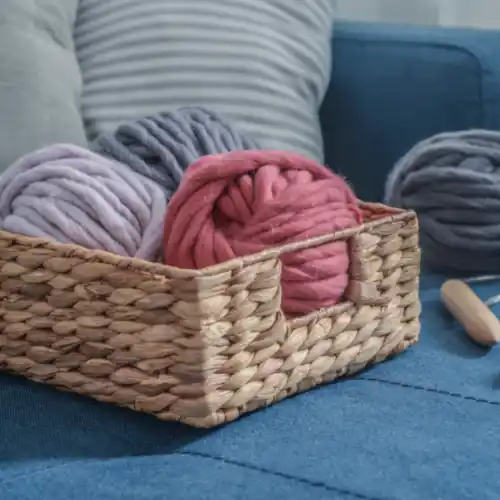
Yarn color selection is entirely a matter of personal preference for decorative blankets. For functional thermal blankets, natural wool blends offer superior insulation retention compared to acrylic alternatives.
Essential Tips for Chunky Knitting Projects
Chunky knitting is a meditative process. Working with large needles and thick yarn reduces repetitive strain compared to fine-gauge knitting, making it a sustainable craft for extended session work.
Frequently Asked Questions
What size knitting needles do I need to make a blanket?
Standard blankets require needles sized 4–6 mm (US sizes 6–10). Chunky blankets require needles sized 12–25 mm (US sizes 17–50). The larger needle diameter produces thicker stitches that create the characteristic dense, plush fabric of a chunky blanket.
What is a good size knitting needle for a beginner?
Beginners should start with 4–5 mm (US sizes 6–8) needles and medium-weight yarn. These sizes offer a balance of control and speed that builds muscle memory without excessive hand fatigue. Experienced knitters transitioning to chunky projects should choose 12–15 mm (US sizes 17–19) as a starting point.
Is it easier to knit with bigger needles?
Bigger needles are easier for most knitters because they have a larger surface area that reduces hand gripping effort. Yarn slides more easily on smooth metal needles, and dropped stitches are immediately visible and correctable. However, needle size must match the yarn weight — using oversized needles with thin yarn produces sloppy, unusable fabric.
What happens if you use knitting needles that are too big?
Oversized needles create loose, uneven stitches with excessive space between them, producing a fabric that is full of holes and lacks structural integrity. The knitting stitches will not hold their shape, and the blanket will stretch and deform during washing and use.
How many stitches do I cast on for a blanket?
A mid-sized blanket (100×150 cm) requires approximately 160–180 stitches cast on using 10 mm needles with Super Bulky yarn. An extra-large lap blanket requires 200–220 stitches. These counts produce a fabric with proper drape and coverage without excessive yarn weight.
Sewing Room Lighting and Knitting: Good Lighting Is Essential for All Crafters
Proper sewing room ceiling lighting benefits knitters as much as sewists. Bright, focused overhead light at 500–800 lux illuminates stitch patterns clearly, reducing eye strain during long chunky knitting sessions and preventing dropped stitches that compromise blanket quality.
Conclusion: Choose the Right Needle Size for a Successful Chunky Blanket
The correct needle selection determines every outcome in chunky blanket knitting. Bamboo or metal needles sized 8–25 mm (US sizes 11–50) paired with Super Bulky or Jumbo yarn produces the thickest, warmest blankets in the shortest time. Needle material affects only the knitting experience — bamboo provides grip, metal provides speed.
Match needle size to yarn weight as specified by the Craft Yarn Council standard. Pair 8 mm needles with Category 5 Bulky yarn, 12–15 mm needles with Category 6 Super Bulky yarn, and 15–25 mm needles with Category 7 Jumbo yarn. This precise pairing produces consistent stitch size, even fabric density, and professional-quality results.
Invest in a proper ergonomic chair for knitting to support extended crafting sessions. Chunky blankets can require 8–15 hours of continuous work — proper posture and lumbar support prevent the back strain associated with heavy yarn and large needle manipulation.
Enjoy the satisfying process of creating a thick, cozy blanket with the correct needle for the project.
References
- Wikipedia. (2026). Knitting needle — Wikipedia. Wikimedia Foundation.
- Wikipedia. (2026). Yarn weight — Wikipedia. Wikimedia Foundation.
- Wikipedia. (2026). Stockinette stitch — Wikipedia. Wikimedia Foundation.


