

Why Do My Sheets Feel Sticky?

Your sheets feel sticky because of residue buildup, humidity, fabric type, or allergens. The most common cause is inadequate washing — sweat, skin cells, and body oils accumulate on fabric fibers, creating a waxy coating that traps moisture and causes stickiness. High humidity, synthetic fabrics, and dust mite allergens compound the problem.
Here’s everything you need to know about the specific causes and exactly how to fix and prevent sticky sheets.
Quick-Reference: Bedroom Conditions to Prevent Sticky Sheets
| Factor | Optimal Range | Why It Matters |
| Bedroom Temperature | 16–19°C (60–67°F) | Reduces night sweating; optimal range for restorative sleep |
| Relative Humidity | 30–50% | Prevents fabric from absorbing atmospheric moisture |
| Washing Water Temperature | 60°C (140°F) or higher | Kills dust mites and eliminates allergens |
| Sheet Washing Frequency | At least once per week | Prevents residue buildup from sweat and body oils |
| Thread Count | 200–400 threads per sq. inch | Best balance of breathability and moisture resistance |
| Sheet Lifespan | Replace every 3–5 years | Cotton fibers degrade and lose absorbency over time |
Reasons Behind Sticky Bed Sheets
You’ve woken up in the middle of the night feeling hot and sticky, fused to your sheets. This unpleasant sensation has several identifiable causes. Here are the specific reasons why your bed sheets feel sticky.
Insufficient Washing Frequency
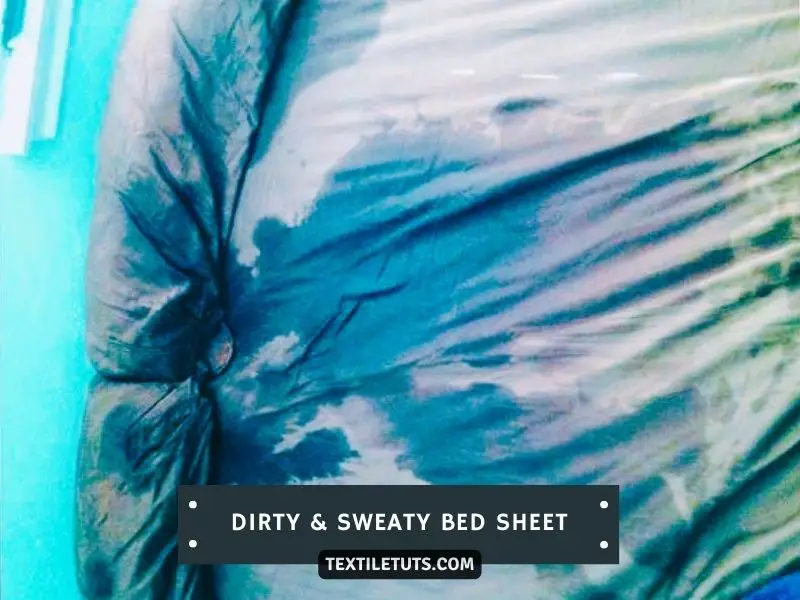
The most common cause is inadequate washing frequency. Even when sheets appear clean, sweat, skin cells, and body oils accumulate on fabric fibers. Experts recommend washing bed sheets at least once per week in water heated to 60°C (140°F) or higher to remove accumulated body fluids and dead skin cells. This temperature is necessary to kill dust mites and eliminate their allergens.
Detergent and Fabric Softener Residue
Low-quality detergents and fabric softeners leave residue on sheets after washing. Conventional fabric softeners contain 4-6% active cationic surfactants, while concentrate formulas contain 12-30%. These compounds coat fabric fibers with a waxy layer that creates a sticky texture. The residue also reduces the fabric’s natural breathability, trapping moisture against your skin. High-efficiency washers are particularly prone to this issue because they use less water, concentrating detergents if doses aren’t adjusted.
Excessive Humidity in the Bedroom
High humidity makes both your skin and your sheets feel sticky. When relative humidity exceeds 50%, fabric absorbs moisture from the air. Your sheets become damp and develop a musty smell. The optimal relative humidity for bedrooms ranges from 30-50% to prevent both mold growth and the sticky feeling caused by absorbed atmospheric moisture. Bedrooms in humid climates or ground-floor rooms without proper ventilation are particularly susceptible to this problem.
Low-Quality or Synthetic Fabric
Sheets made from non-breathable synthetic fabrics like polyester trap heat and moisture against your body. Polyester sheets have a moisture regain of only 0.4-0.6% compared to cotton’s 7-8.5%, meaning they don’t absorb perspiration effectively. This causes sweat to pool on the fabric surface, creating a sticky sensation. Synthetic fabrics also develop waxy buildup from body oils more quickly than natural fibers. Sheets with a thread count between 180-400 threads per square inch provide the best balance of breathability and durability for most sleepers.
Excessive Night Sweating
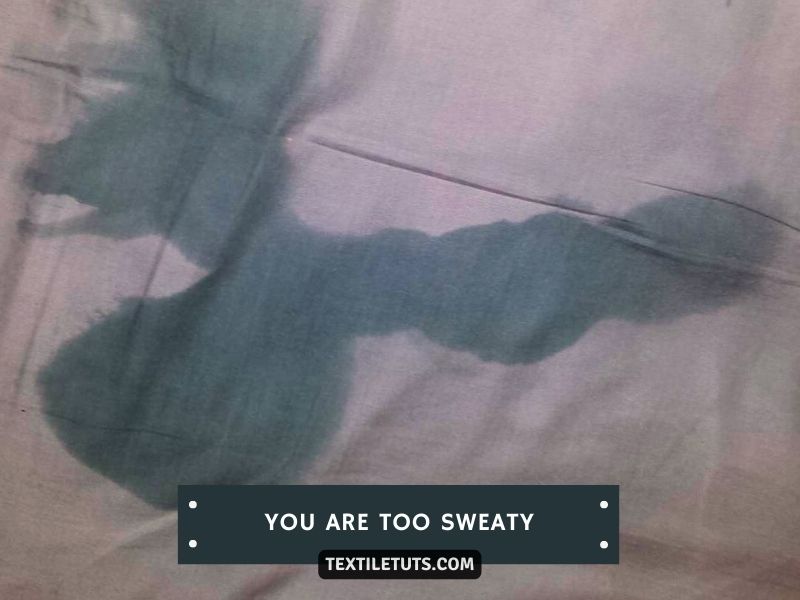
Night sweating, or nocturnal hyperhidrosis, saturates sheets with perspiration. This condition worsens during hot weather, with fever, or when the bedroom temperature exceeds 20°C (68°F). Dehydration causes sweat glands to work overtime to regulate body temperature, producing more perspiration. Each night, a person loses approximately 200-500ml of water through perspiration during sleep. When this moisture saturates sheets and doesn’t evaporate properly, it creates the sticky feeling.
To reduce night sweating, use a light blanket and keep the bedroom temperature between 16-19°C (60-67°F), which is the optimal range for restorative sleep according to sleep research.
Dust Mite Allergens
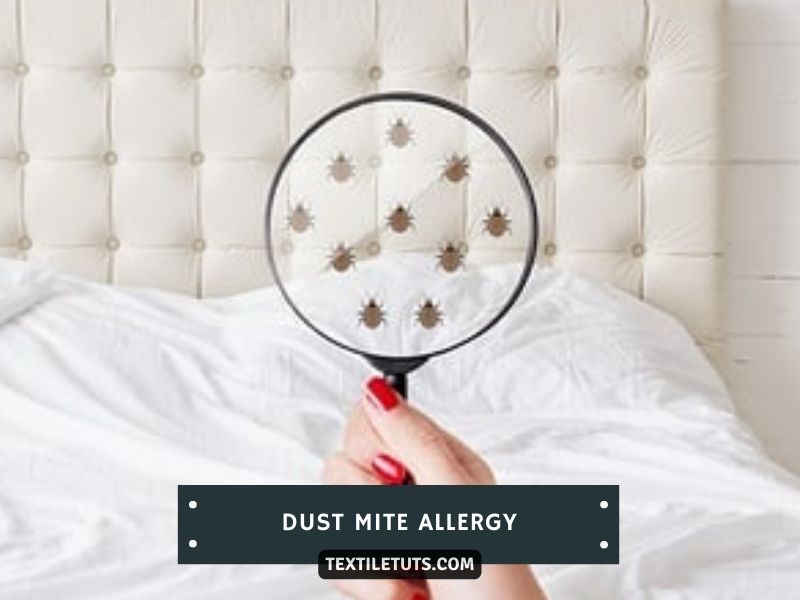
Dust mites are microscopic creatures measuring 0.2-0.3mm in length that thrive in warm, humid environments like your mattress and sheets. Detectable dust mite allergen exists in approximately 84% of surveyed U.S. beds and 68% of European beds. These mites produce about 2,000 fecal particles each over their 10-week lifespan. Dust mite antigens contribute to 60-90% of asthma cases. When you’re allergic to dust mites, your body’s immune response includes inflammation and increased mucus production, which creates a sticky sensation on your skin and sheets.
Fabric Degradation in Aging Sheets
Bed sheets that are more than 2-3 years old lose their absorbency and develop a sticky feel. Cotton sheets typically last 3-5 years with regular use before fibers break down. As fabric degrades, it becomes less effective at wicking moisture away from your skin. The fibers clump together and form a slick, sticky surface. Older sheets also accumulate mineral deposits from hard water and residual body oils that soap alone cannot remove.
Fabric Moisture Absorption Comparison
| Fabric Type | Moisture Regain (%) | Breathability | Sticky Sheet Risk |
| Cotton | 7–8.5% | High | Low |
| Linen | 10–12% | Very High | Very Low |
| Polyester | 0.4–0.6% | Low | High |
| Nylon | 3.5–4% | Moderate | Moderate–High |
| Silk | 11% | High | Low |
| Bamboo | 12–14% | High | Very Low |
Moisture regain refers to the percentage of moisture a fabric absorbs from the air at standard conditions (65% relative humidity, 21°C). Higher moisture regain indicates better moisture-wicking properties.
How to Clean Sticky Bed Sheets
Sticky bed sheets are common, especially in humid climates or for heavy sleepers. These methods restore your sheets to a fresh, clean condition.
Identify the Source of Stickiness
First determine whether the stickiness comes from body oils, laundry products, or allergens. If sweat and skin cells cause the issue, launder with detergent in hot water. If fabric softener residue is the culprit, switch to a different detergent or skip the softener entirely. New sheets often have a manufacturing finish that causes stickiness; washing them twice with vinegar or baking soda typically removes this coating.
Wash with the Right Detergent
Check the care label before washing. Machine-washable sheets should be laundered on a warm or hot cycle with a mild detergent. For sticky sheets caused by product residue, run an extra rinse cycle to ensure all detergent is removed. If the care label specifies “dry clean only,” take the sheets to a professional cleaner rather than risking damage in a home washer.
For persistent stickiness from fabric softener buildup, add 250ml of white vinegar to the rinse cycle. This dissolves residue without damaging most fabrics. Alternatively, soak sheets in a solution of warm water and 125ml baking soda for 30 minutes before washing.
Spot Clean Problem Areas
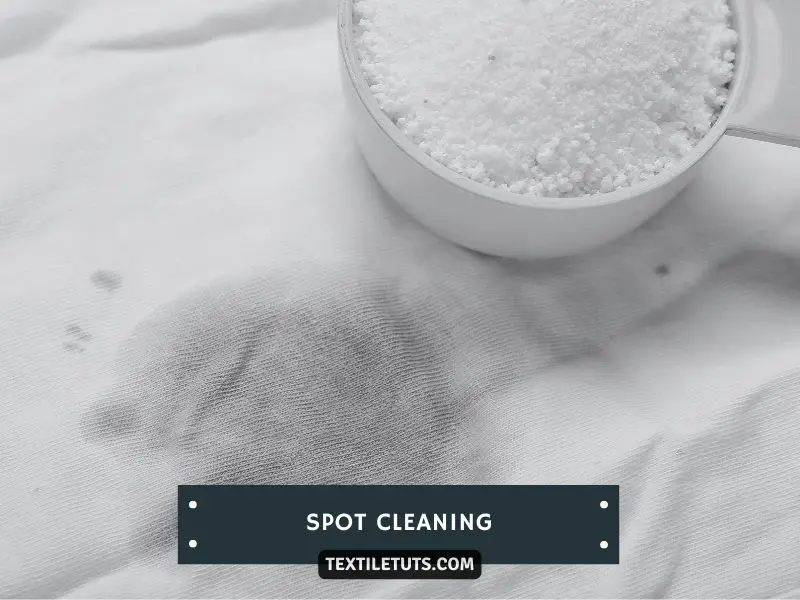
For localized stickiness, soak a clean cloth in warm water with mild detergent. Gently scrub the affected area until the residue loosens. Rinse with clean water and allow the sheets to air dry. This method works well for sheets that cannot withstand machine washing or for treating spots before a full wash.
Dry Sheets in Sunlight
Sunlight naturally disinfects and removes odor-causing bacteria from sheets. UV rays kill dust mites and their allergens while the heat helps evaporate residual moisture. Line drying outdoors typically requires 3-4 hours in direct sunlight for complete drying, depending on humidity levels.
Replace Worn Sheets
After cleaning, if sheets less than one year old still feel sticky, they require replacement. Sticky sheets under one year old often have manufacturing defects or inherent material issues. Sticky sheets over one year old have accumulated permanent residue buildup that cleaning cannot reverse. Worn sheets harbor bacteria and allergens that compromise sleep quality and indoor air quality.
How to Prevent Sticky Sheets
Sticky sheets result from accumulated body fluids, product residue, humidity, or fabric degradation. These prevention methods address each root cause.
Establish a Regular Washing Schedule
Wash bed sheets at least once per week without exception. This frequency prevents the buildup of sweat, skin cells, and body oils that cause stickiness. Set a specific day for sheet washing to maintain consistency. During hot summer months or illness, consider washing sheets twice weekly.
Maintain Proper Bedroom Ventilation
Keep your bedroom cool and well-ventilated to reduce humidity and prevent sweat accumulation. Open windows for at least 15 minutes daily to circulate fresh air. Use an exhaust fan or portable fan to improve air movement. A bedroom temperature of 16-19°C (60-67°F) with 30-50% relative humidity creates optimal sleep conditions.
Ensure sheets fit your mattress properly. Loose sheets bunch up and create pockets that trap moisture against your skin. A fitted sheet with elastic that securely grips the mattress corners stays smooth and dry throughout the night.
Choose Natural, Breathable Fabrics
Switch to bedding made from natural fabrics with moisture-wicking properties. Cotton absorbs 7-8.5% of its weight in moisture while remaining breathable. Linen offers superior breathability and moisture management compared to cotton, though at a higher price point. These fabrics wick perspiration away from your skin rather than trapping it against your body. Avoid synthetic fabrics like polyester for sheets if you tend to sleep hot.
Select sheets with a smooth finish rather than textured surfaces. Smooth fabrics repel moisture more effectively than rough textures, which tend to absorb and retain liquid. Higher thread count sheets (200-400 threads per square inch) have a tighter weave that resists moisture penetration.
Use a Dehumidifier
A dehumidifier removes excess moisture from bedroom air, preventing the sticky feeling caused by humid conditions. These devices are essential in humid climates or for bedrooms located in basements or ground floors. Set the dehumidifier to maintain 30-50% relative humidity for optimal comfort and dust mite prevention.
Select Appropriate Detergents
Choose detergents specifically formulated for bedding or sensitive skin. Avoid fabric softeners on sheets, as they leave residue that causes stickiness and reduces absorbency. If you prefer softer sheets, use dryer balls instead of liquid softener. Look for free-and-clear detergents that contain no added fragrances or dyes that can accumulate on fabric fibers.
Use a Mattress Protector
A mattress protector creates a waterproof barrier between your mattress and sheets. This barrier prevents body oils, sweat, and allergens from soaking into your mattress, where they would transfer back to your sheets. Wash the mattress protector monthly along with your sheets to maintain a clean sleep surface.
Select High Thread Count Fabrics
Higher thread count sheets have a tighter weave that resists moisture absorption and prevents the sticky feeling caused by sweat accumulation. Thread counts between 200-400 threads per square inch offer the best combination of breathability and moisture resistance for bed sheets. Sheets below 180 threads per square inch typically feel coarse and wear out quickly.
Choose Moisture-Wicking Sheet Finishes
Sheets treated with moisture-wicking finishes repel liquid rather than absorbing it. This treatment is particularly beneficial for people who sweat heavily at night. Look for sheets specifically marketed as “moisture-wicking” or “cooling” for the most effective protection against sticky sheets.
Air Dry Rather Than Machine Dry
Machine drying at high heat can set stains and create static cling that contributes to stickiness. Line drying preserves fabric integrity and freshness. If you must use a dryer, remove sheets while they are still slightly damp and allow them to air finish. Over-drying causes fibers to become stiff and rough rather than soft and comfortable.
Store Sheets Properly
Keep spare sheets in a cool, dry location with adequate air circulation. Humid storage environments cause musty odors and promote mold growth on stored bedding. Use cotton storage bags or breathable containers rather than plastic, which traps moisture and creates conditions favorable for dust mites and mildew.
Ensure Complete Drying
Never put damp sheets back on your bed. Damp sheets develop musty odors, promote dust mite infestations, and feel sticky against your skin. Tumble dry sheets on the highest heat setting appropriate for the fabric, or line dry completely until stiff rather than slightly clammy. Use dryer balls to help sheets dry evenly and maintain softness.
How to Remove Lint from Sheets
Clean sheets should feel smooth and lint-free. These methods remove lint effectively from all fabric types.
Use a Lint Roller
A lint roller with adhesive sheets removes surface lint quickly and effectively. Roll the adhesive sheet across the entire sheet surface, working from top to bottom. Replace the sheet when the adhesive loses effectiveness. This method works best for light lint accumulation and regular maintenance.
Use a Lint Brush
A lint brush with stiff bristles dislodges lint from fabric fibers more effectively than adhesive rollers for heavy buildup. Brush the sheet using long, overlapping strokes in one direction. Rinse the brush frequently during use. For sheets with additional fabric issues like uneven coloring, explore methods to restore uniform appearance through proper dye fixation techniques.
Apply Adhesive Tape
Household adhesive tape applied to lint-covered areas and peeled off lifts lint from fabric. This method works similarly to a lint roller but requires tearing fresh pieces for each section. It is effective for spot treating areas with heavy lint concentration.
Damp Cloth Method
A slightly dampened cloth rubbed in circular motions over lint-covered areas causes lint to clump together for easy removal. Use a corner of the cloth and flip to a fresh section as lint accumulates. This method also removes light dust and refreshes the fabric surface.
Use a Steam Iron
A steam iron held over sheets without direct contact relaxes fabric fibers and loosens embedded lint. Place a clean towel over the sheet surface, then hold the iron in steam mode above the towel for several seconds. The combination of heat and steam causes lint to release from the fabric and cling to the towel.
Vacuum with an Attachment
A vacuum cleaner with a upholstery attachment removes lint from sheets effectively. Use the hose attachment without a brush head to avoid snagging fabric. Vacuum each section systematically for complete coverage. This method works particularly well for large blankets and duvet covers where other methods are impractical.
Conclusion
Sticky sheets result from accumulated body oils, improper washing techniques, high humidity, and fabric degradation. The primary cause is residue buildup from inadequate washing or product residue that creates a waxy coating on fabric fibers.
Wash your sheets at least once per week in water heated to at least 60°C (140°F) to prevent residue accumulation. Add 250ml of white vinegar to the rinse cycle monthly to remove existing buildup and maintain fabric softness. Switch to natural fabrics like cotton with a thread count of 200-400 threads per square inch for better moisture management.
References
- Arlian, L.G. (2001). Dust Mite. Wikipedia.
- Arlian, L.G. & Morgan, M.S. (2003). Dust Mite Allergy and Animal Allergy Overview. WikiJournal of Medicine.
- Britannica. (2024). Bedding. Encyclopaedia Britannica.
- Cotton Incorporated. (2024). Moisture Management Properties of Cotton. Cotton Incorporated.


